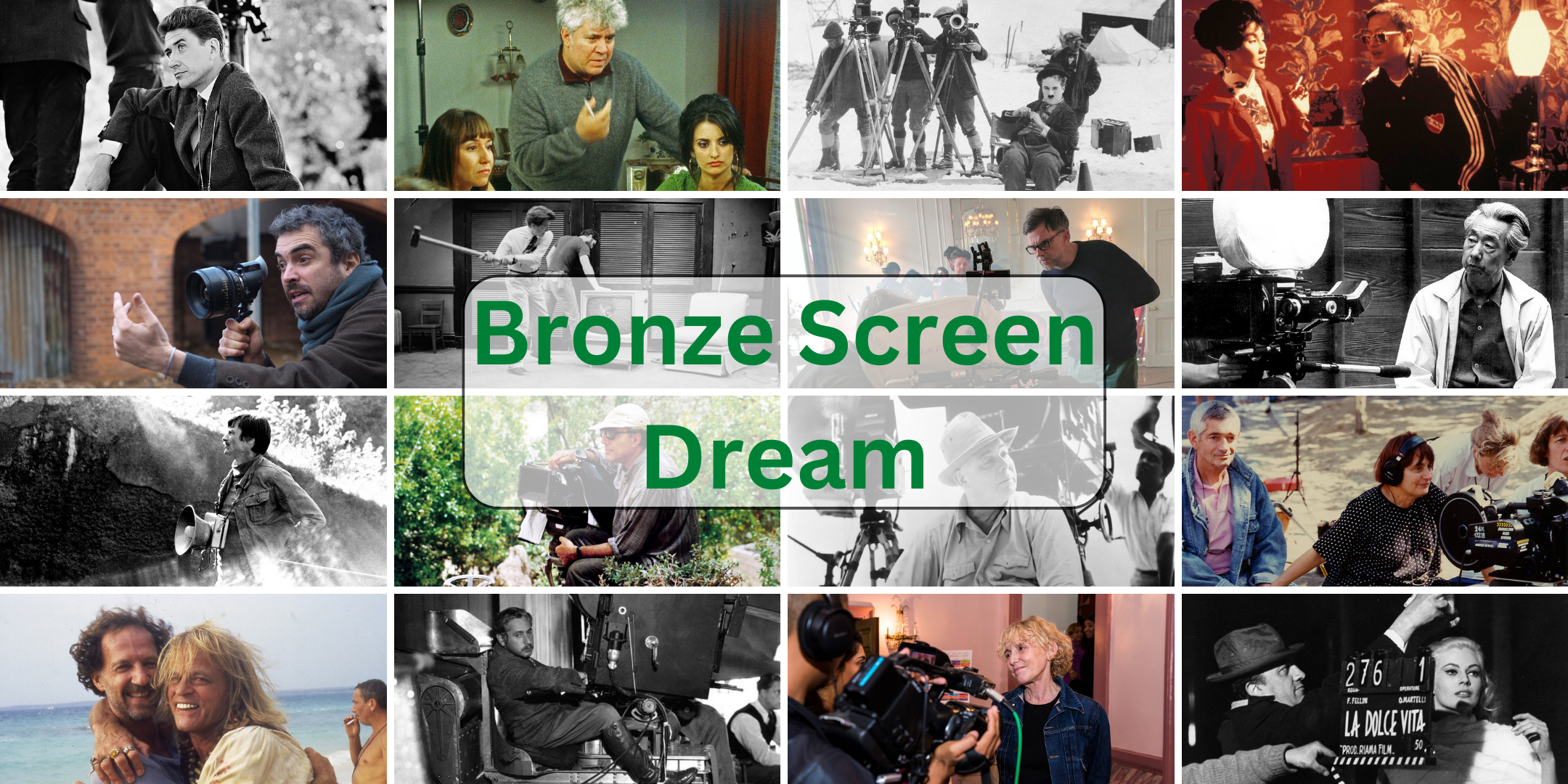

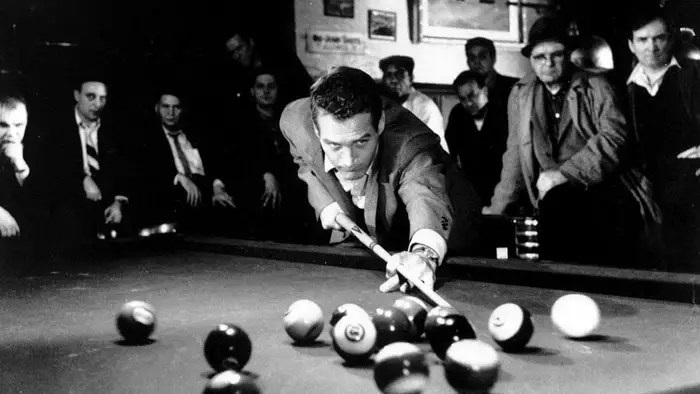
Robert Rossen was an American film director best known for his works that often explored political corruption and moral ambiguity. His most recognised films include the critical hit All the King’s Men, a political drama that earned him an Academy Award nomination, and The Hustler, a gripping character study that delved into the world of pool hustling.
Rossen’s filmography is special for its strong sociopolitical themes and complex character development, particularly in his portrayal of flawed, multifaceted individuals struggling with their conscience. Films like Body and Soul stand out for their profound look into personal integrity versus ambition and their ability to highlight societal issues such as corruption and ethics. His distinct visual style often incorporated dark, shadowy cinematography to emphasise the internal turmoil of his characters. His unique approach to storytelling demonstrated a penchant for realism and a critical examination of the human condition, often through a moral lens. This allowed Rossen to construct engaging and thought-provoking narratives, making his films an influential part of the cinema landscape.
Furthermore, Rossen’s relentless pursuit of authenticity led to collaborations with real-life figures relevant to his storylines, such as pool champion Willie Mosconi in The Hustler. His meticulous attention to detail, combined with a willingness to explore controversial subjects, allowed him to craft films that were intellectually stimulating and emotionally resonant.

Robert Rossen (1908 – 1966)
Calculated Films
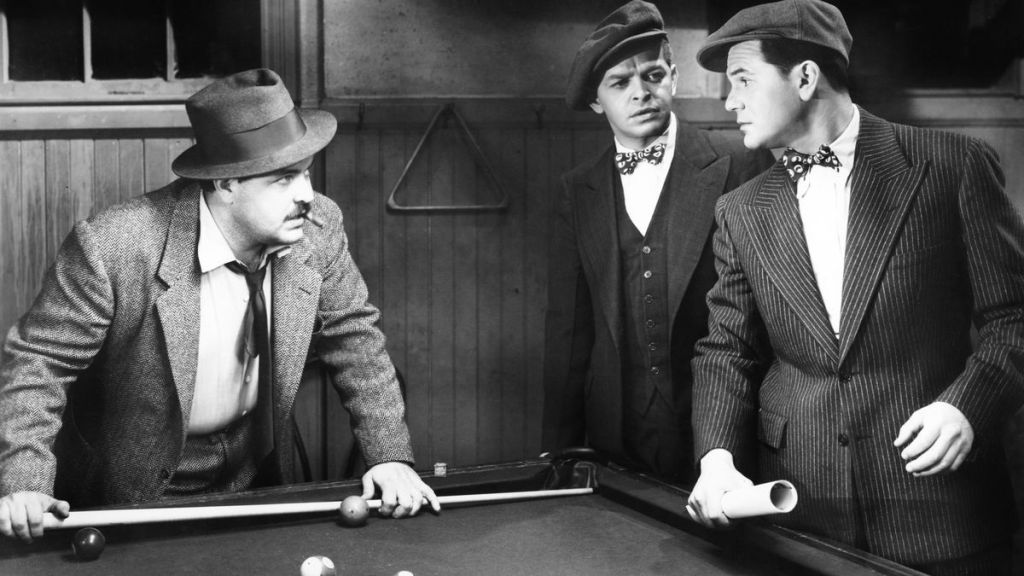
- Body and Soul (1947)
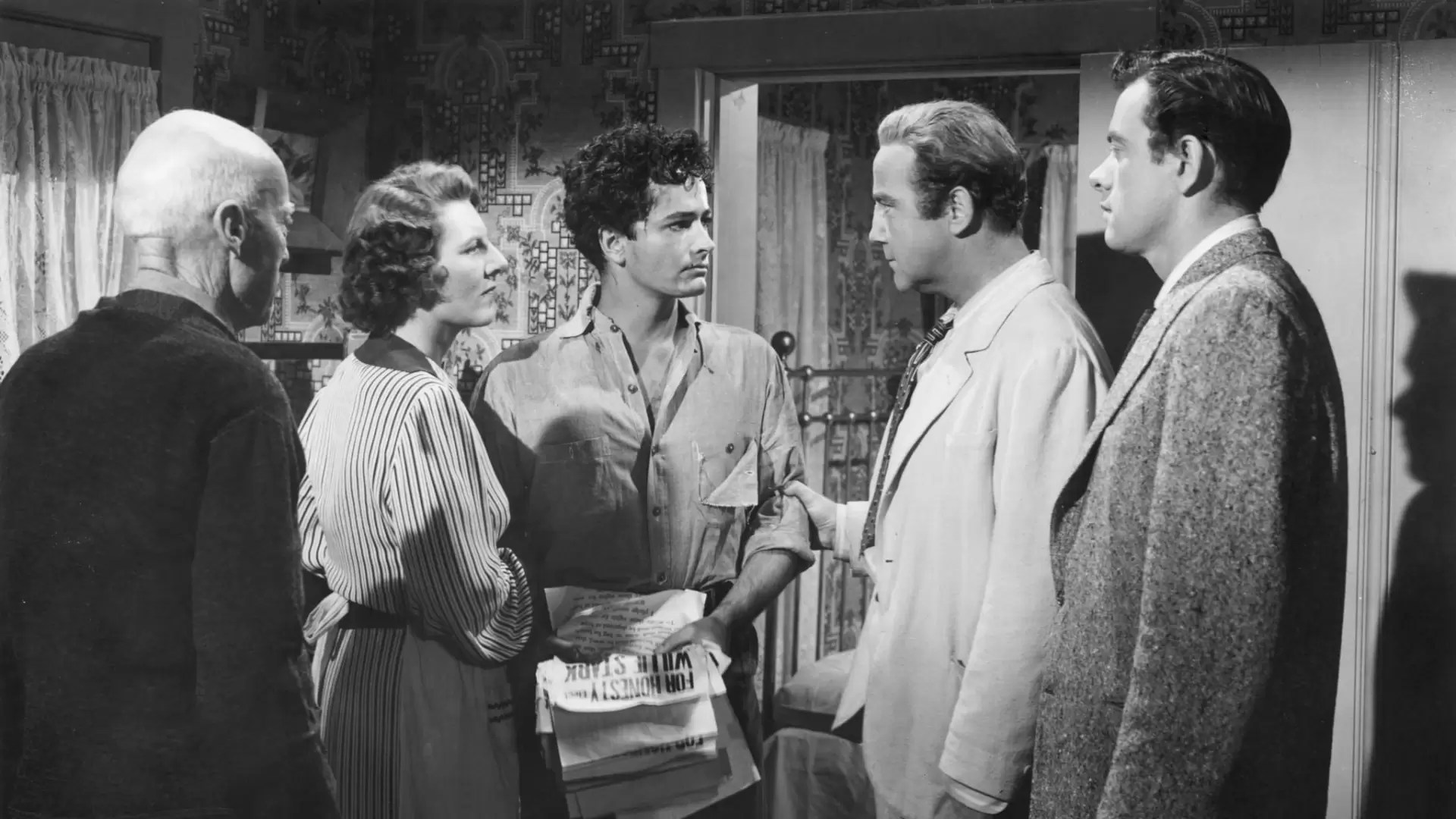
- All The King’s Men (1949)
- The Hustler (1961)
Similar Filmmakers
- Abraham Polonsky
- Arthur Penn
- David Miller
- Elia Kazan
- John Frankenheimer
- Joseph L. Mankiewicz
- Phil Karlson
- Ralph Nelson
- Richard Brooks
- Robert Mulligan
- Sidney Lumet
- Vincent Sherman
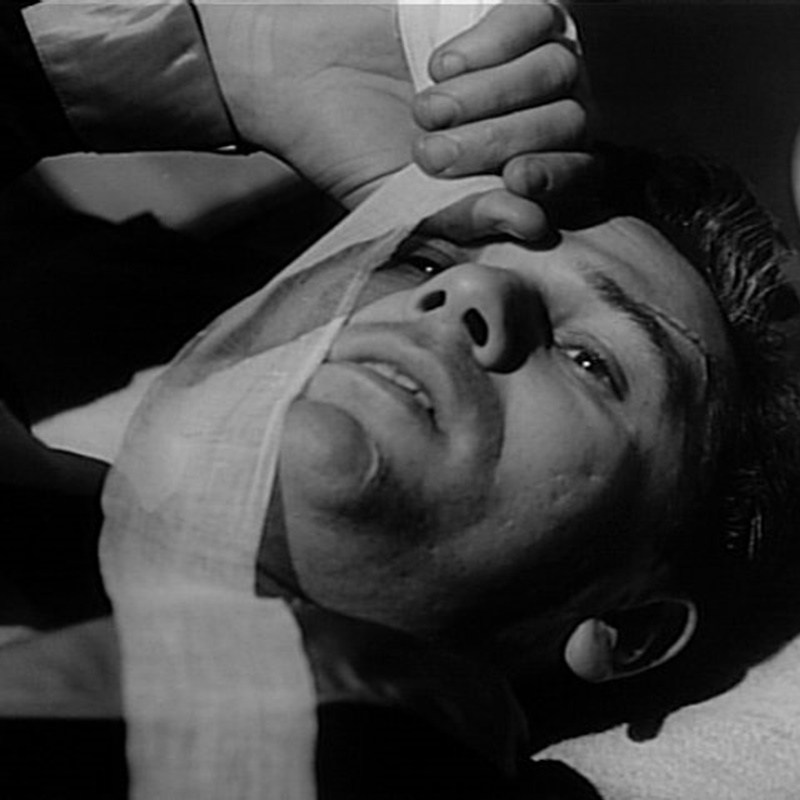
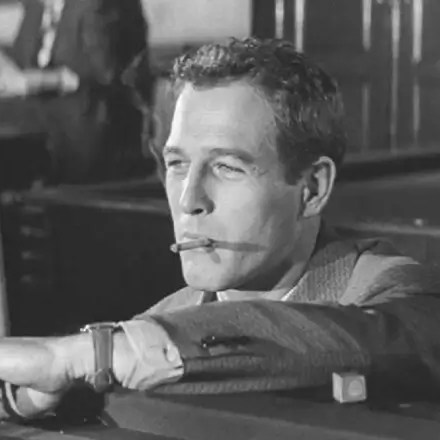

Robert Rossen’s Top 5 Films Ranked
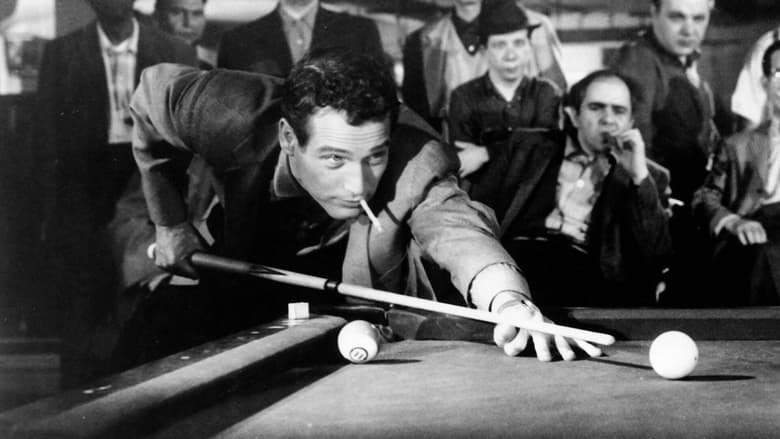
1. The Hustler (1961)
Genre: Drama, Sports
2. Body and Soul (1947)
Genre: Sports, Film Noir
3. All The King’s Men (1949)
Genre: Political Drama

4. Lilith (1964)
Genre: Psychological Drama, Romance

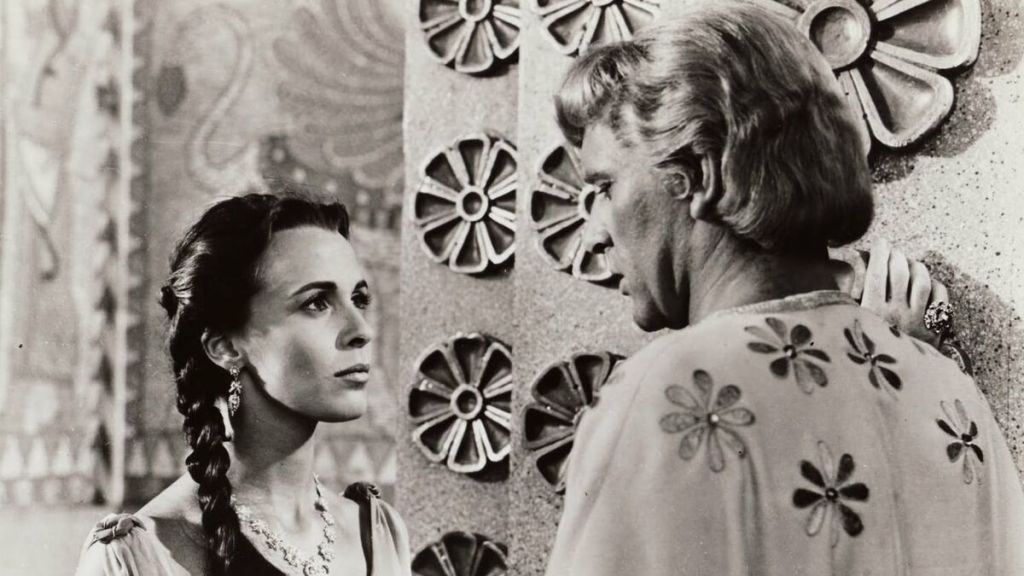
5. Alexander the Great (1956)
Genre: Sword and Sandal, Biographical, Period Drama, Epic
Robert Rossen: Themes and Style
Themes:
- Human Struggle & Ambition: Many of Rossen’s films delve deep into the personal struggles of the protagonists, often emphasising their internal drive and the moral dilemmas that come with ambition. Examples can be seen in films like Body and Soul and The Hustler.
- Societal Pressure & Morality: Rossen had a knack for portraying societal pressures and the consequent moral conflicts that characters face, often leading to their downfall or redemption.
- Political and Social Commentary: Given his political affiliations and experiences, Rossen’s work sometimes hinted at broader political and societal issues, subtly critiquing them.
Styles:
- Character Depth: Rossen’s protagonists were multi-dimensional, riddled with flaws, and often showcased a journey of self-discovery or decline.
- Realism: Rossen adopted a realistic approach to his films, often making them relatable and grounding them in authentic settings and situations. His movies often felt gritty and raw, a reflection of real-life complexities.
- Atmospheric Lighting: Many of his films utilised noir-ish lighting, creating a mood and atmosphere that matched the narrative’s tension.
Directorial Signature:
- Intimate Close-Ups: Rossen frequently used close-ups to capture his characters’ raw emotions and internal conflicts, making their personal struggles palpable to the audience.
- Collaborative Performances: Rossen could draw out deeply immersive performances from his actors, often collaborating closely to ensure authenticity in their roles.
- Parallel Narratives: Often, there was a parallel between the personal struggles of the protagonist and the broader societal or political context, making his films layered and rich in meaning.
Robert Rossen – The 279th Greatest Director

 Bronze Screen Dream