
Robert Mulligan was an American film director best known for his work on the classic film To Kill a Mockingbird, which earned him an Academy Award nomination for Best Director. Mulligan’s career spanned several decades, during which he directed over 20 films. Besides To Kill a Mockingbird, some of his other notable works include Summer of ’42, The Other, and Same Time, Next Year. His films often garnered critical acclaim, with To Kill a Mockingbird particularly celebrated for its sensitive and powerful adaptation of Harper Lee’s novel.
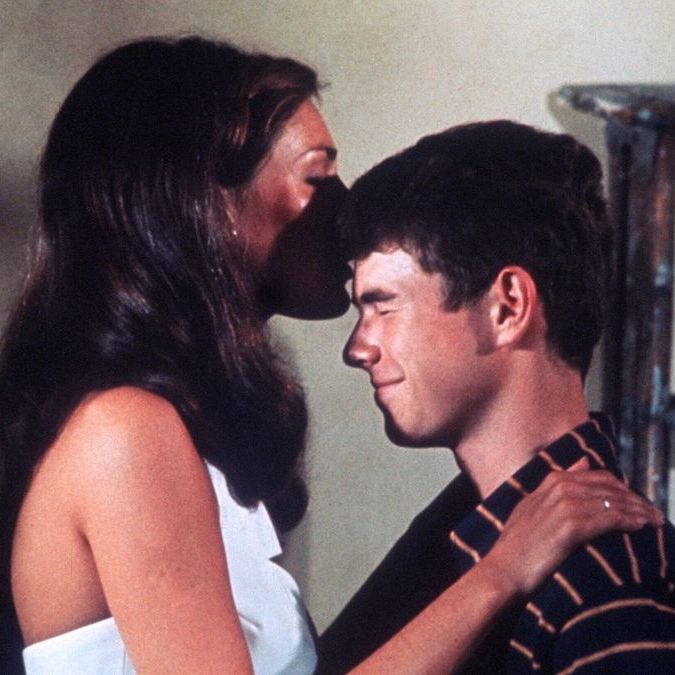
Mulligan’s directorial style was characterised by its subtlety and depth, focusing on character-driven narratives and often exploring themes of innocence, loss, and the complexities of human relationships. In To Kill a Mockingbird, he skillfully captured the essence of the American South during the Great Depression, using a child’s perspective to tackle serious issues like racial injustice and moral integrity. The film’s black-and-white cinematography, combined with Mulligan’s restrained direction, effectively underscored the story’s poignant themes. In Summer of ’42, Mulligan again demonstrated his ability to depict tender, coming-of-age stories, earning praise for his sensitive portrayal of adolescent love and loss.
His films often featured nuanced performances coaxed out by his gentle and actor-focused approach. In The Other, he ventured into the psychological horror genre yet maintained his trademark focus on character and mood, creating a haunting, atmospheric film. His work in Same Time, Next Year highlighted his skill in handling films with limited settings, relying on strong dialogue and character interaction to drive the narrative. Mulligan was one of the most notable Hollywood directors who came into cinema from TV’s Golden Age.
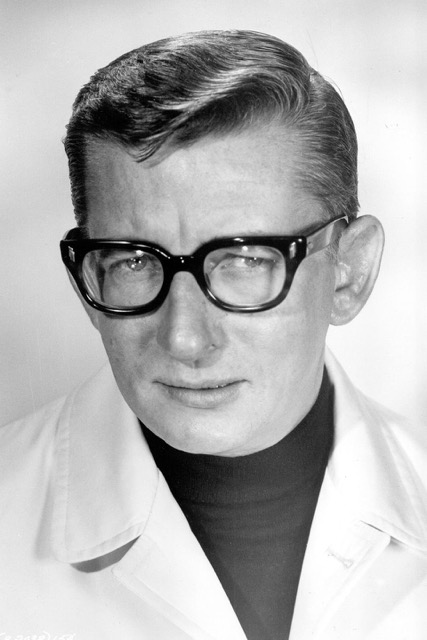
Robert Mulligan (1925 – 2008)
Calculated Films:
- To Kill a Mockingbird (1962)
Similar Filmmakers
- Arthur Penn
- Delbert Mann
- Elia Kazan
- Fielder Cook
- Frank Perry
- Franklin J. Schaffner
- Ralph Nelson
- Robert Ellis Miller
- Stanley Kramer
- Stuart Rosenberg
- Sydney Pollack
- William Wyler


Robert Mulligan’s Top 5 Films Ranked
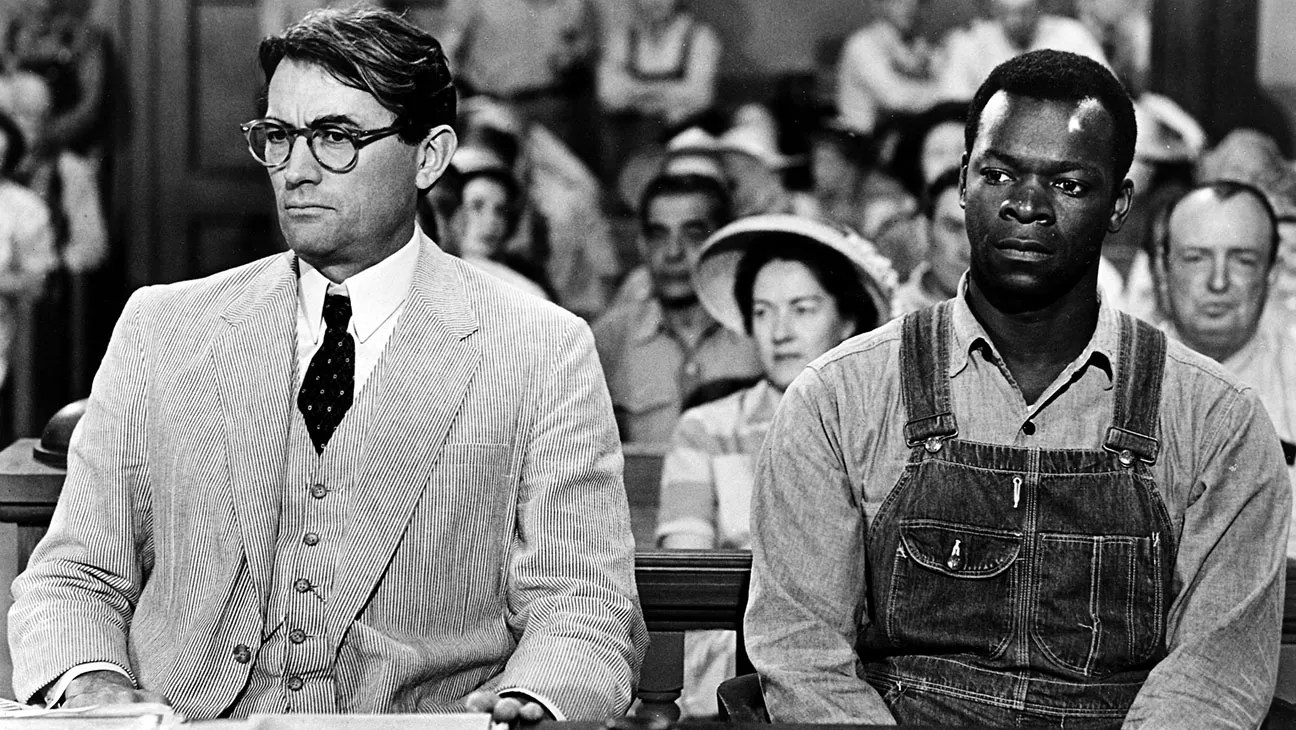
1. To Kill a Mockingbird (1962)
Genre: Legal Drama, Coming-of-Age, Southern Gothic

2. Come September (1961)
Genre: Romantic Comedy, Screwball Comedy
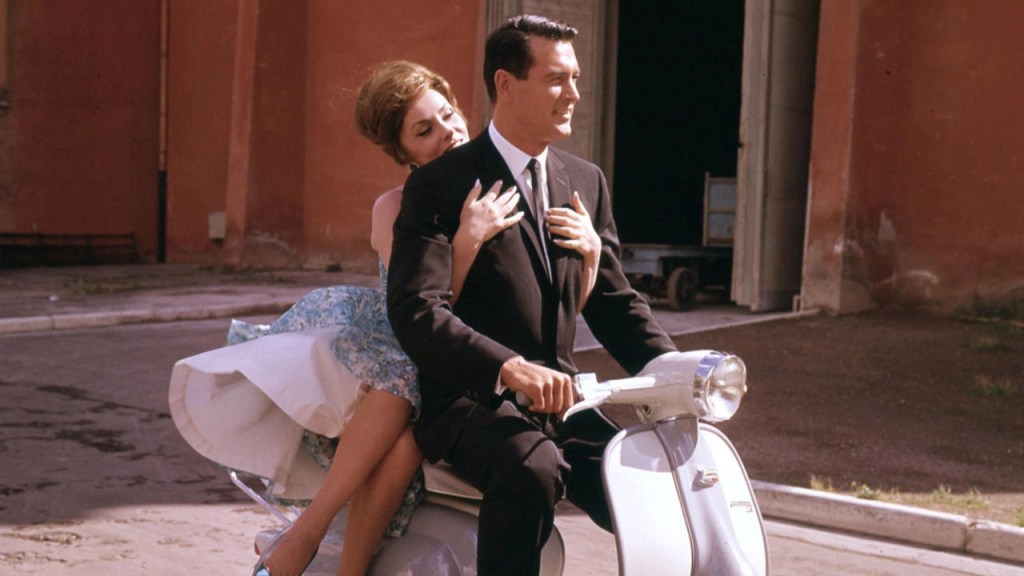
3. Love with the Proper Stranger (1963)
Genre: Drama, Romance

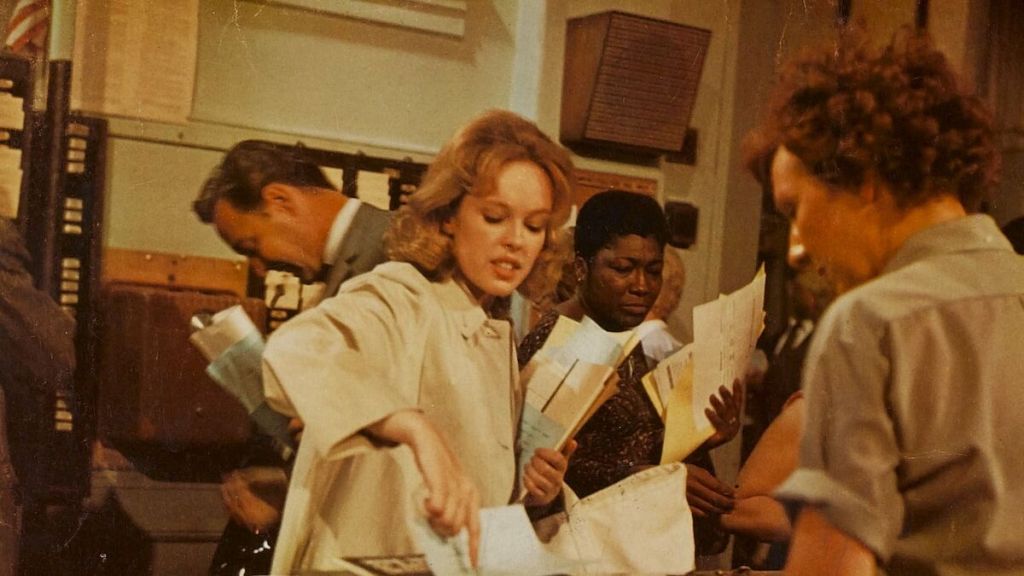
4. Up the Down Staircase (1967)
Genre: Drama
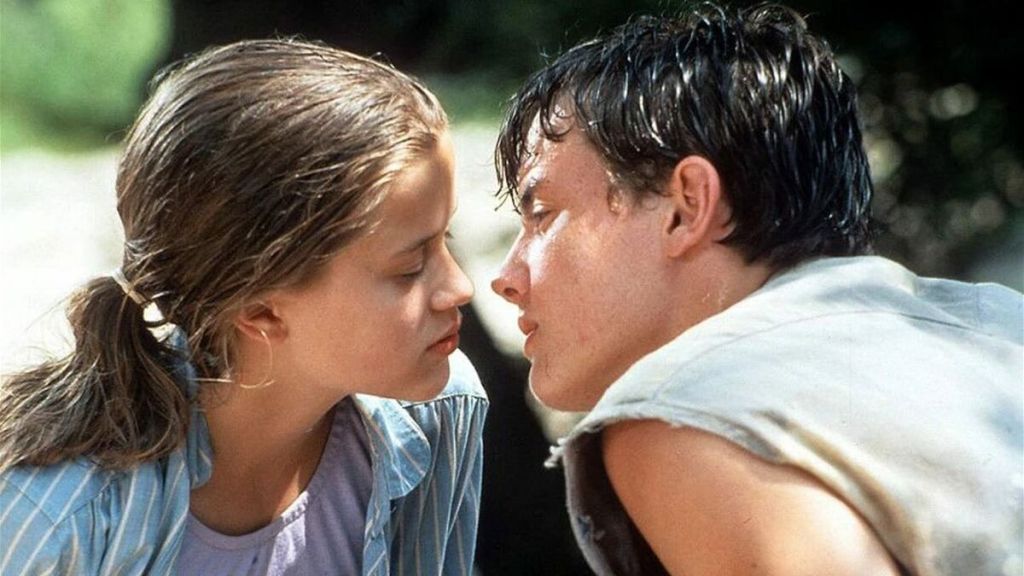
5. The Man in the Moon (1991)
Genre: Romance, Coming-of-Age, Drama
Robert Mulligan: Themes and Style
Themes:
- Human Nature and Morality: Mulligan frequently explored the complexities of human nature and morality in his films. In To Kill a Mockingbird, he delves into themes of racism, innocence, and justice, portraying a deep understanding of the moral dilemmas faced by individuals in a prejudiced society.
- Coming of Age: Many of Mulligan’s films, like Summer of ’42, focus on the coming-of-age experiences of young protagonists. He skillfully captures the transition from childhood to adulthood, emphasising the impact of first loves, loss, and the journey to self-discovery.
- Family Dynamics: Mulligan often portrayed nuanced family relationships, as seen in The Man in the Moon. He had a unique ability to depict the complexities of familial bonds, highlighting themes of love, conflict, and reconciliation within the family unit.
- Social Issues: Mulligan wasn’t afraid to address the social issues of his time. In To Kill a Mockingbird, he confronts racial injustice, while in The Other, he explores psychological horror, demonstrating his versatility in engaging with diverse social themes.
Styles:
- Cinematic Realism: Mulligan’s style is marked by a commitment to cinematic realism. Films like To Kill a Mockingbird showcase his ability to create authentic, relatable worlds, using naturalistic settings and performances to enhance the storytelling.
- Intimate Character Studies: He often focused on deep, intimate character studies, allowing audiences to connect closely with the characters. In Summer of ’42, the detailed portrayal of the protagonist’s emotional journey is a testament to this style.
- Atmospheric Visuals: Mulligan was known for his use of atmospheric visuals to complement the narrative. His films often feature evocative cinematography that enhances the mood, as seen in the hauntingly beautiful shots in The Other.
- Subtle Storytelling: His approach to storytelling was often subtle and understated. Rather than relying on dramatic plot twists, Mulligan used nuanced character development and quiet, impactful moments to drive the narrative, as evident in The Man in the Moon.
Directorial Signature:
- Empathetic Character Portrayal: Mulligan had a unique talent for portraying characters with deep empathy and understanding. His characters are multi-dimensional and authentically human, capturing the audience’s sympathy and interest.
- Narrative Focus on Young Protagonists: A signature aspect of his direction is the focus on young protagonists, often in pivotal moments of their lives. This is particularly evident in films like Summer of ’42 and The Man in the Moon.
- Elegant Simplicity: Mulligan’s directorial style is marked by elegant simplicity. He had a knack for telling complex stories in a straightforward, unpretentious manner, making his films accessible yet profound.
- Meticulous Attention to Period Detail: In films like To Kill a Mockingbird, Mulligan’s attention to period detail is meticulous, creating immersive historical settings that add depth and authenticity to the narrative.
Robert Mulligan – Great Director


 Bronze Screen Dream