

Robert J. Flaherty, an American filmmaker, is best known for his pioneering work in the field of documentary filmmaking. His groundbreaking film, Nanook of the North, is often regarded as the first full-length documentary feature, setting a precedent for factual storytelling through cinema.
Flaherty’s journey into filmmaking was somewhat accidental. Initially working as a prospector in the Arctic, he was asked to film his explorations, leading to his earliest cinematic endeavours. His work drew heavily from this background, focusing on people living harmoniously with their natural surroundings. This theme was exemplified in Nanook of the North, which captured the daily life of Inuit people, and in Man of Aran, which spotlighted the resilient inhabitants of Ireland’s Aran Islands.
In his films, Flaherty consistently displayed an empathetic and humanistic approach towards his subjects, often preferring to emphasise personal narratives over objective facts. This method sometimes led to criticism for his blending of fact and fiction, as he staged scenes to convey his interpretation of life in these remote communities. His filmmaking was immersive, characterised by long-term engagements with his subjects, allowing him to intimately depict the lived reality of their lives.
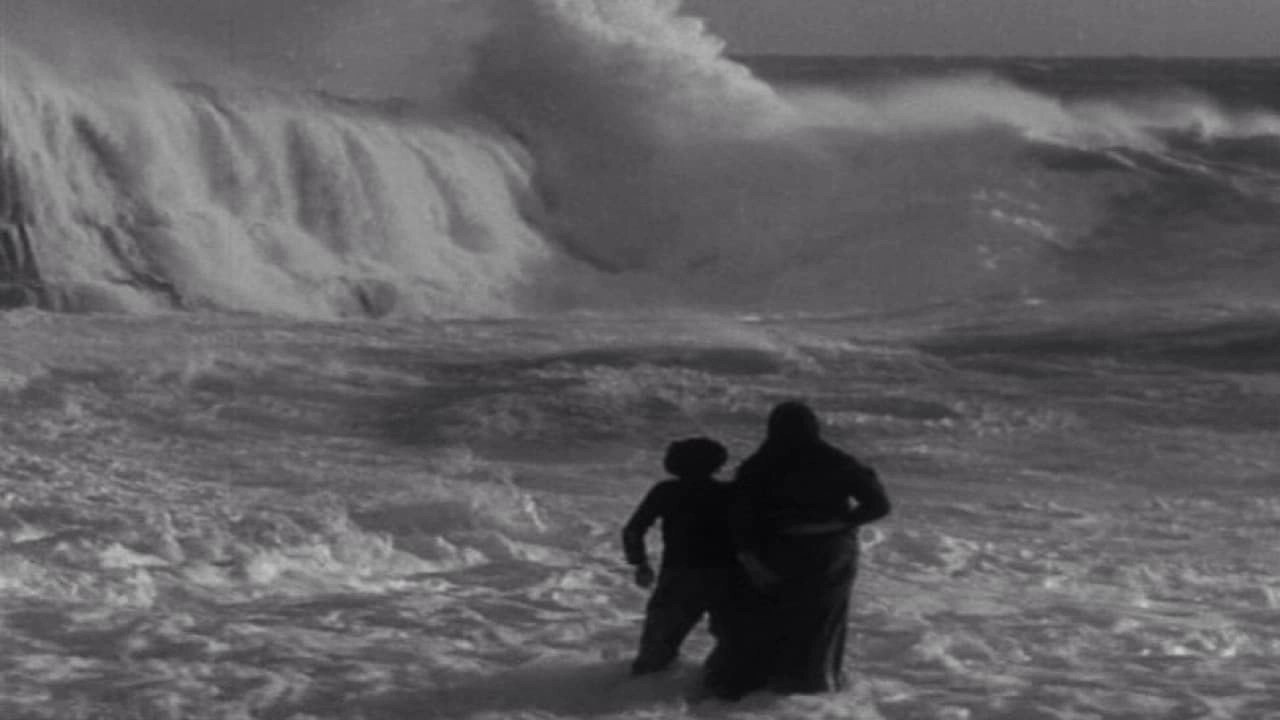
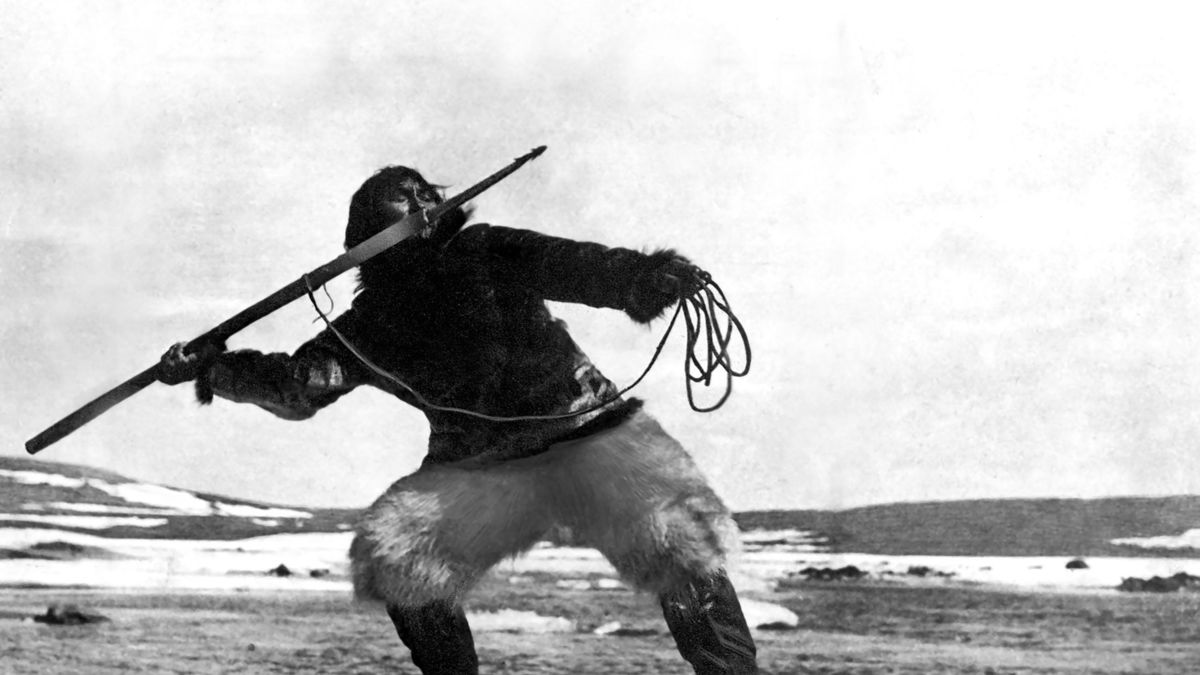
Visually, Flaherty’s work is striking for its adept use of real locations to communicate the bond between people and their environment. His cinematic language was largely observational, using a silent narrative style and capturing raw, authentic moments. The stunning landscape shots in Nanook of the North and the tumultuous sea scenes in Man of Aran exemplify his ability to use the camera to create a visceral connection with the environment.
Flaherty’s approach to filmmaking has profoundly impacted both documentary and narrative cinema, influencing filmmakers as diverse as John Grierson, Werner Herzog, and Errol Morris. Despite debates about his methodology, Flaherty’s blending of storytelling and factual observation created a new path in cinema, paving the way for both the observational documentary movement and the cinematic realism shaping global cinema. His enduring influence is a testament to his unique vision and capacity to capture the human experience within its natural environment.
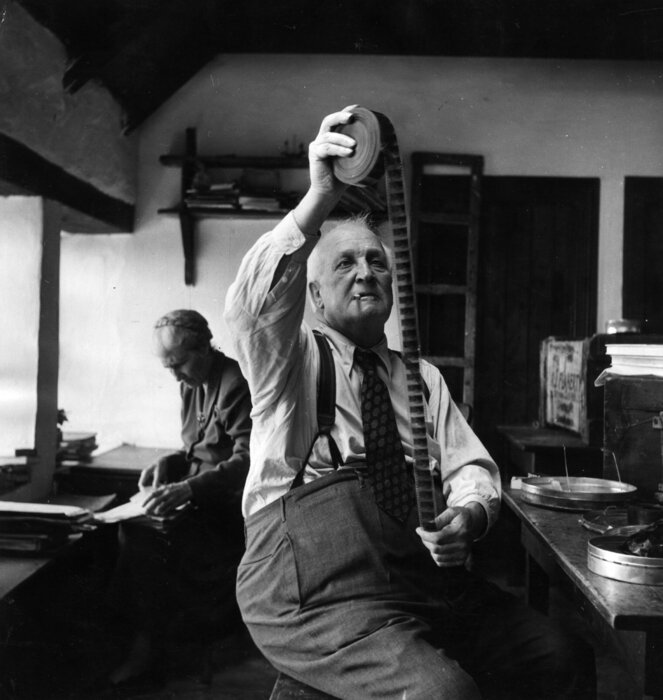
Robert J. Flaherty (1884 – 1951)
Calculated Films:
- Nanook of the North (1922)
- Moana (1926)
- Man of Aran (1934)
- Louisana Story (1948)
Similar Filmmakers
- Basil Wright
- Dziga Vertov
- F. W. Murnau
- Fredrick Wiseman
- Georges Rouquier
- Harry Watt
- Humphrey Jennings
- Jean Rouch
- John Grierson
- Joris Ivens
- Les Blank
- Maysles Brothers
- Merian C. Cooper & Ernest B. Schoedsack
- Pare Lorentz
- Paul Rotha
- Richard Leacock
- Werner Herzog
- Zoltan Korda
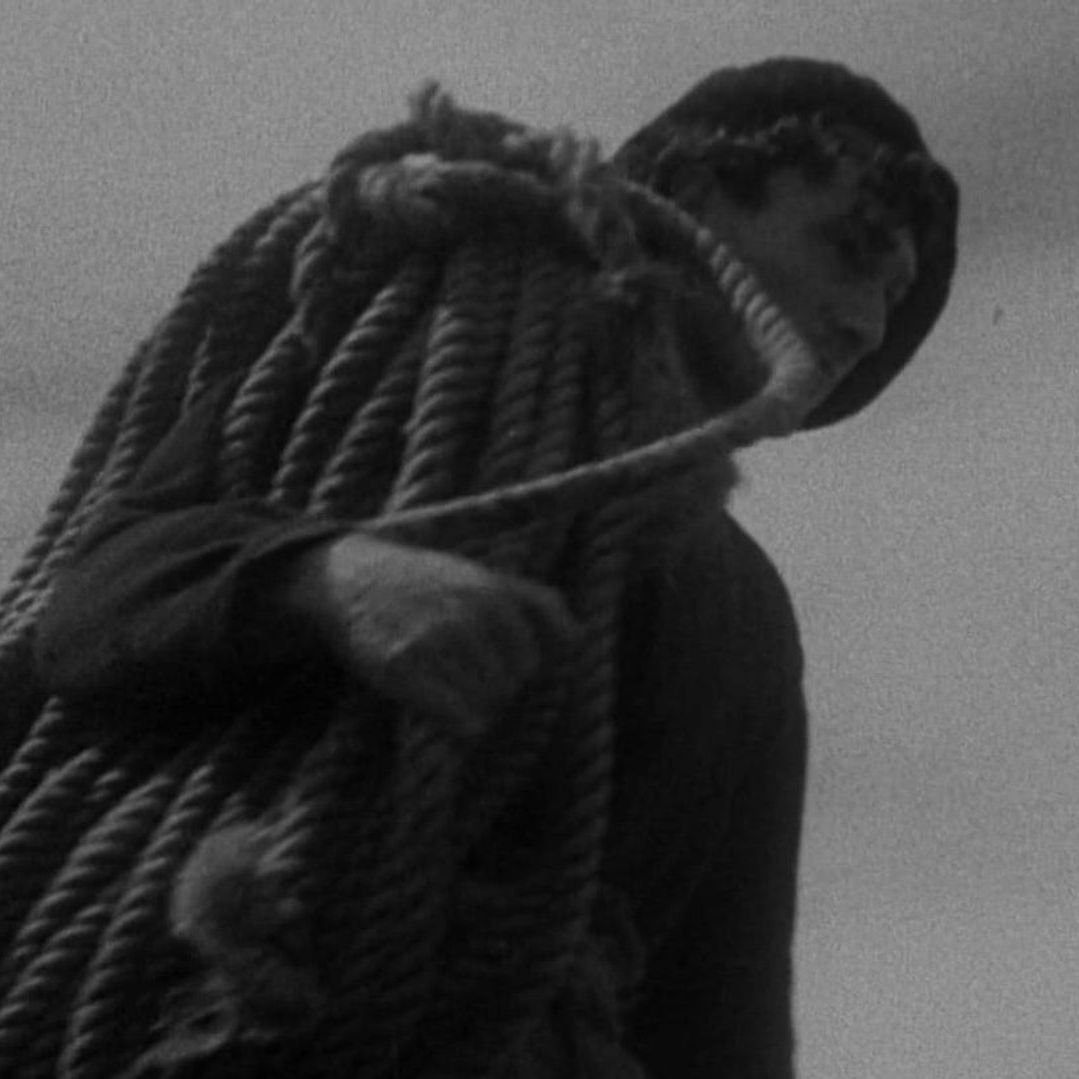


Robert J. Flaherty’s Films Ranked
1. Nanook of the North (1922)
Genre: Ethnographic Film, Docufiction
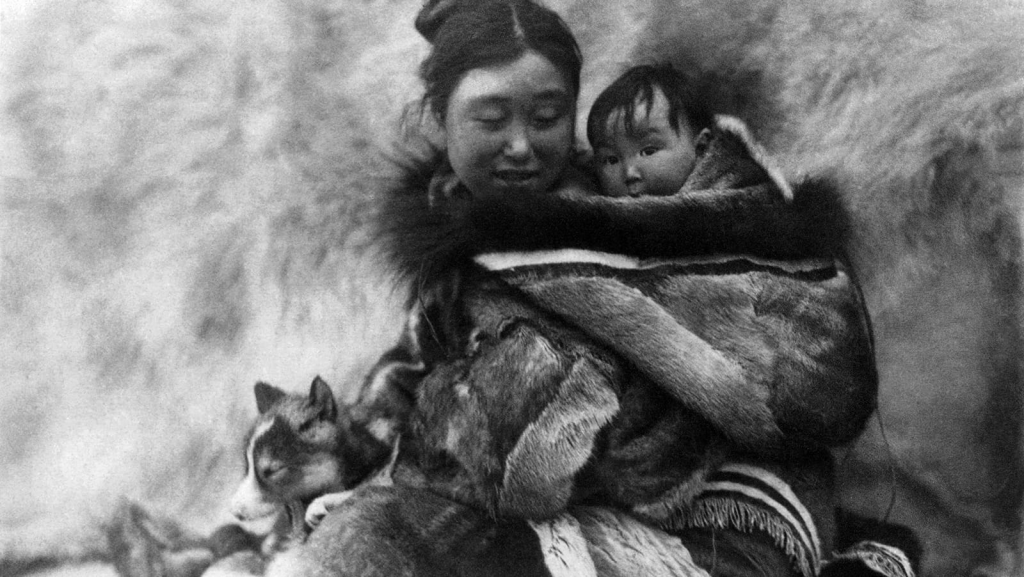
2. Man of Aran (1934)
Genre: Ethnographic Film, Docufiction, Docudrama
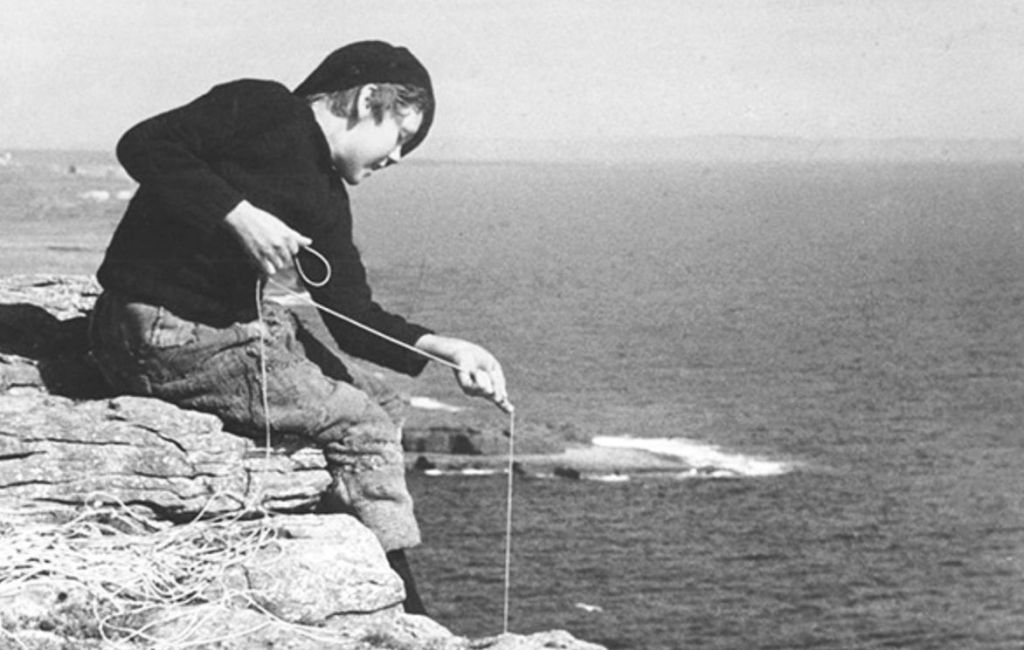
3. Moana (1926)
Genre: Ethnographic Film, Docufiction
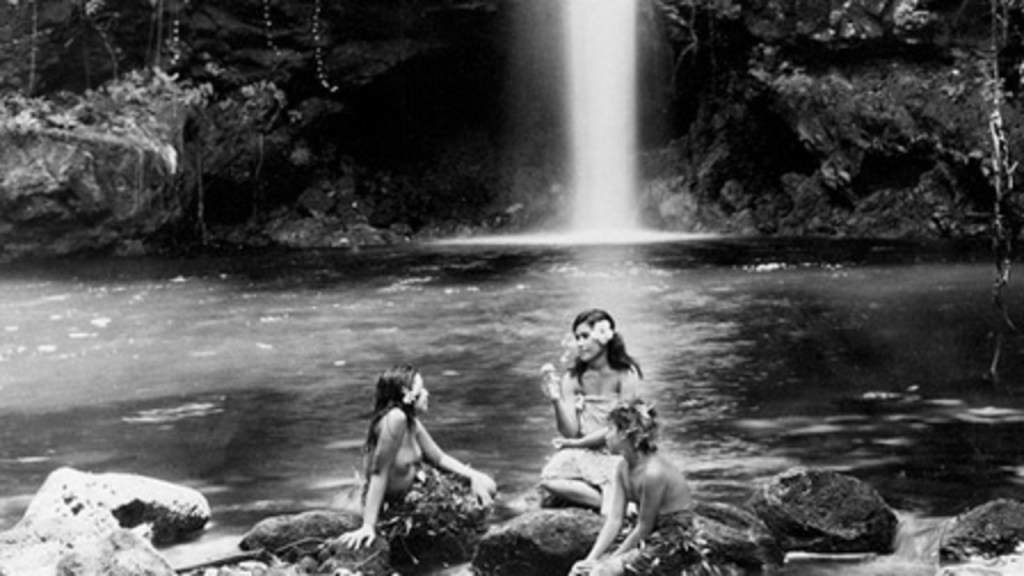
4. Louisiana Story (1948)
Genre: Docudrama, Ephemal Film

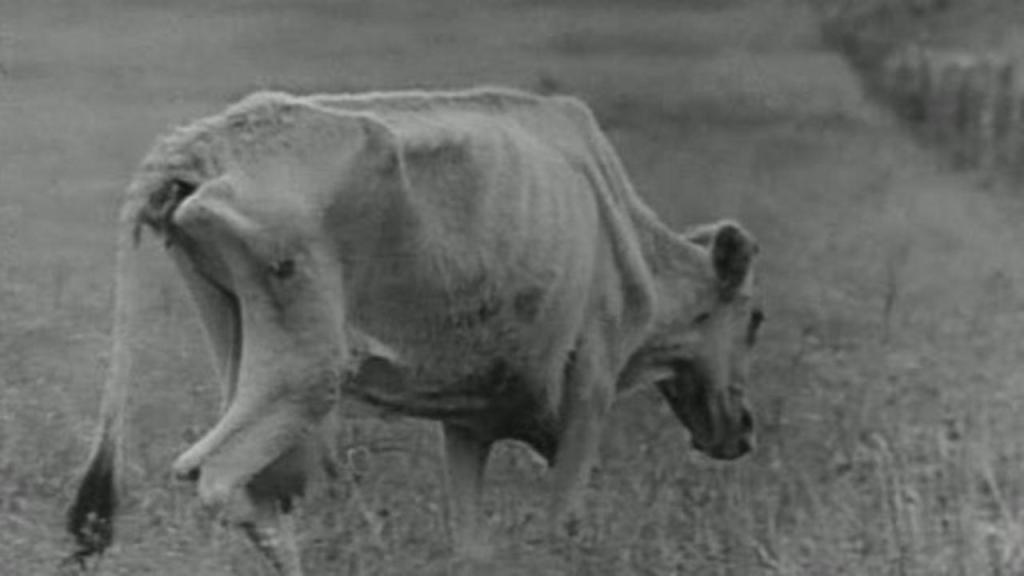
5. The Land (1942)
Genre: Documentary
6. The Titan: Story of Michelangelo (1950)
Genre: Art Documentary

7. Elephant Boy (1937)
Genre: Adventure

8. Night of Storytelling (1935)
Genre: Docudrama

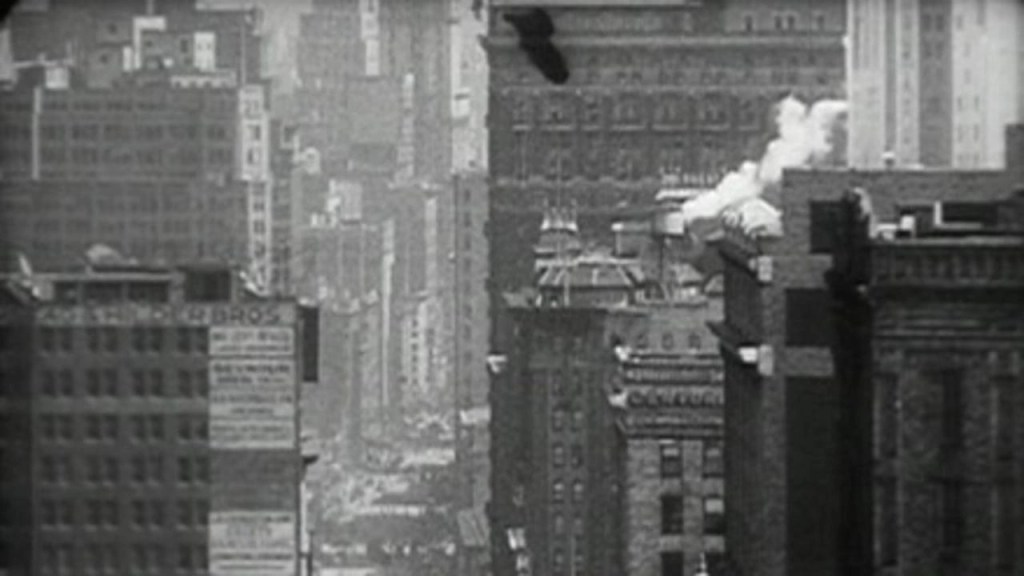
9. Twenty-Four Dollar Island (1927)
Genre: City Symphony
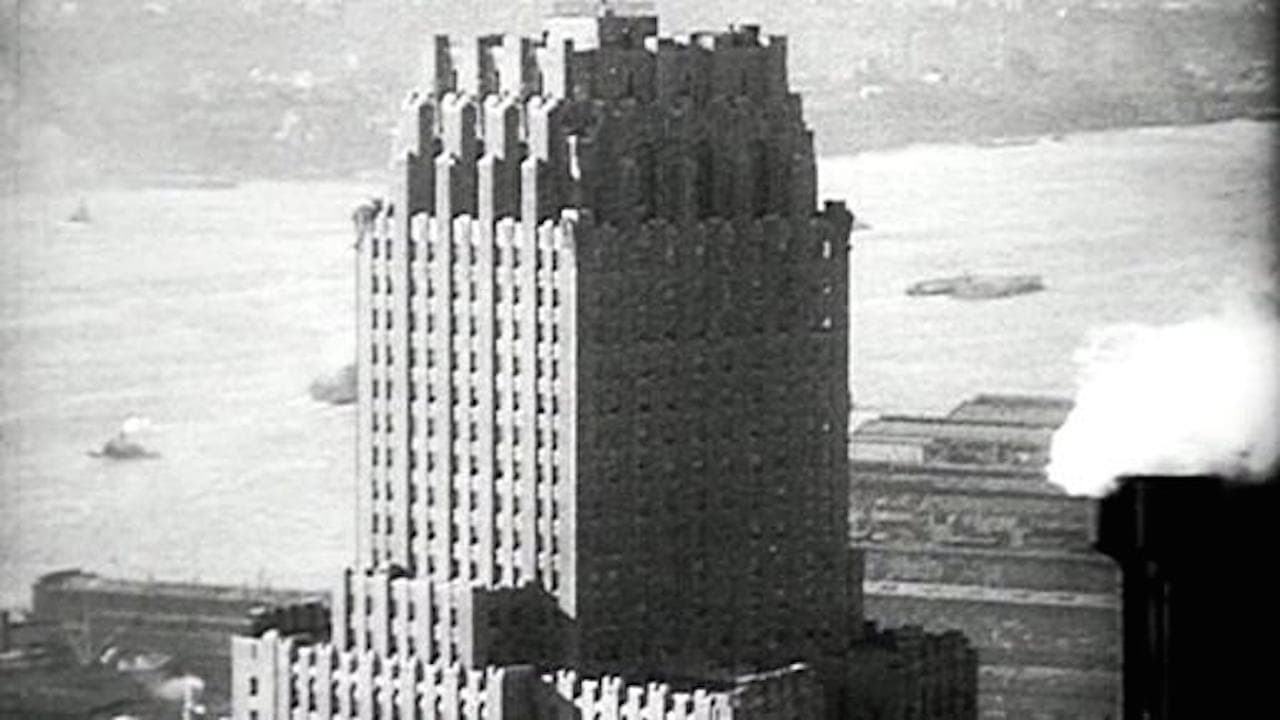
10. Industrial Britain (1931)
Genre: Propoganda Film

Robert Flaherty: Themes and Style
Themes:
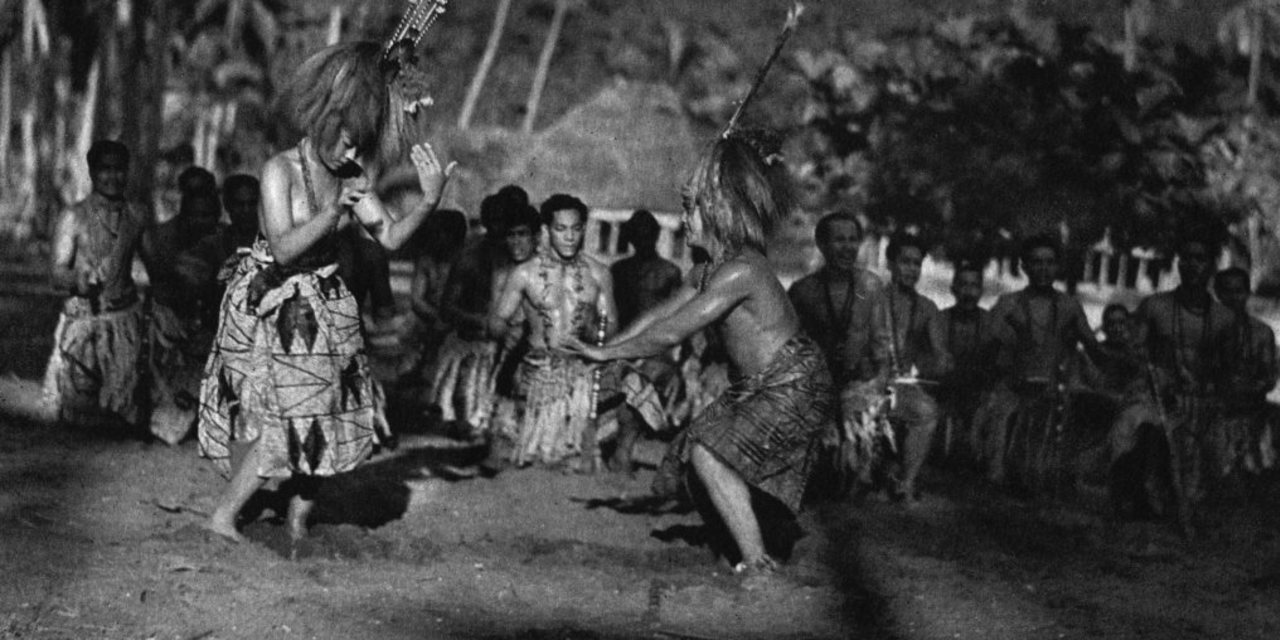
- Man and Nature: Flaherty’s films often revolve around the relationship between human beings and the natural environment. Whether depicting the harsh Arctic landscape in Nanook of the North or the South Pacific in Moana, he focused on how individuals adapt to, respect, and survive within their surroundings.
- Simplicity of Life: His works delve into the daily lives of communities removed from industrial society, emphasising simplicity, tradition, and a connection to the land.
- Resilience and Adaptation: Robert Flaherty showcased the adaptability and resilience of individuals, often portraying their struggle and determination to survive in challenging environments.
- Ethnographic Exploration: He was interested in capturing and preserving the customs, traditions, and lifestyles of indigenous people, aiming to offer a window into cultures that were relatively unknown to mainstream audiences.
Styles:
- Documentary Realism: Often recognised as the father of the documentary, Flaherty employed a form of realism that aimed to present life as it is. However, he was known to stage certain scenes for dramatic effect, blending authentic documentation with narrative storytelling.
- Use of Close-ups: Flaherty frequently used close-up shots to capture the emotions and expressions of his subjects, connecting audiences with the individuals he portrayed.
- Lyrical Cinematography: His films often exhibited a poetic quality, using the natural beauty of landscapes and the intricacies of daily life as visual poetry. This approach made his films as much about the environments as the people within them.
- Narrative Structure: Unlike many conventional documentaries, Flaherty’s films often followed a narrative structure, with characters, arcs, and dramatic tension, weaving together documentary and storytelling elements.
- Minimal Intervention: Flaherty usually had a minimal crew and used lightweight equipment, enabling a more intimate connection with his subjects and less intrusion into their lives.
Directorial Signature:
- Empathetic Portrayal: Flaherty had an innate ability to portray his subjects with deep empathy and respect, avoiding any sense of exploitation or sensationalism.
- Natural Environment as a Character: In his films, nature wasn’t just a backdrop; it was an active participant, presenting both challenges and beauty that deeply affected the lives of the people he documented.
- Ethical Contemplation: While celebrated for his pioneering work, Flaherty’s methods also sparked discussions about the ethics of documentary filmmaking, especially concerning staging scenes and manipulating reality for cinematic purposes.
Robert J. Flaherty: The 156th Greatest Director
 Bronze Screen Dream