

Robert Eggers is an American director primarily known for his work in horror films. He garnered significant attention and acclaim with the release of his debut feature film, The Witch, a psychological horror set in 1630s New England. His movies, while varied, are often celebrated for their meticulously researched historical settings, atmospheric tension, and exploration of folklore and myth.
Eggers’ films are known for their meticulous attention to historical detail and their ability to create fully realised, immersive worlds on screen. For example, The Witch meticulously replicates the language, clothing, and societal norms of its period to immerse the audience completely into its chilling tale, enhancing the tension and horror of the story. He has a penchant for crafting narratives steeped in folklore, superstition, and the occult, which not only serve as compelling story elements but also as reflections on human nature and societal fears.
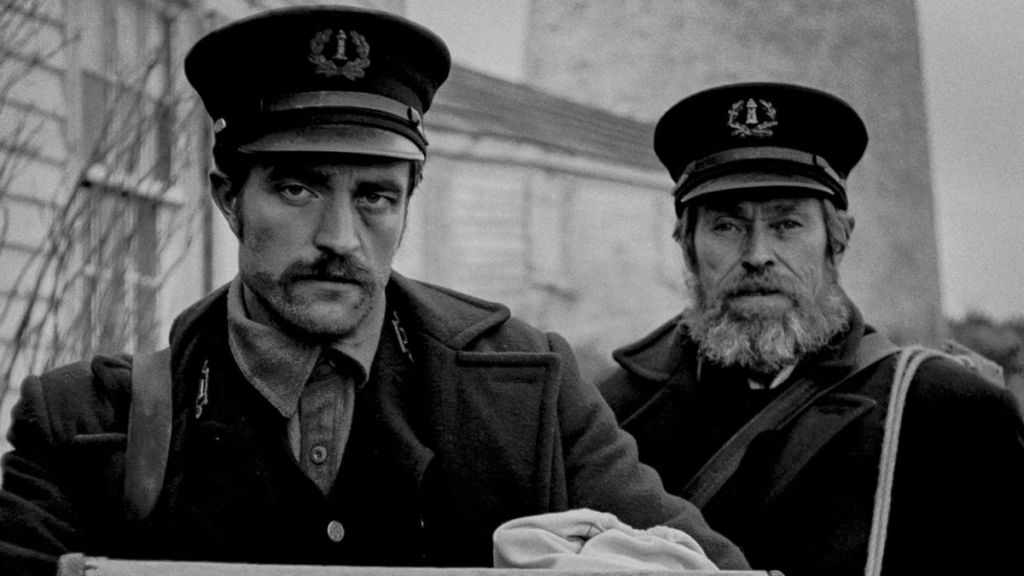
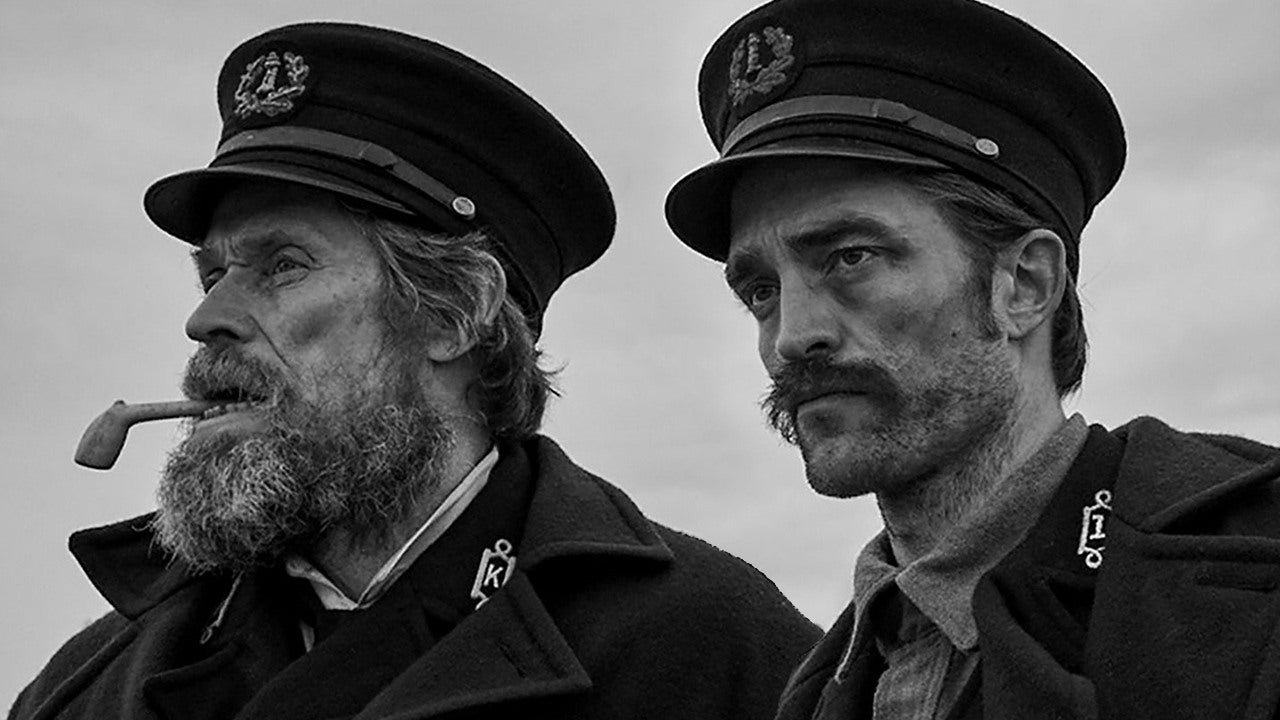
Visually, Eggers employs a style characterised by careful composition, naturalistic lighting, and restrained use of colour, which together evoke a sense of dread and uncanniness apt for his horror films. His sophomore feature, The Lighthouse, is notable for its expressionistic black-and-white photography and boxy aspect ratio, which, together with the film’s isolated setting and unhinged performances, create a suffocating, nightmarish atmosphere. This film also showcases Eggers’ inclination towards exploring the psychology of isolated, desperate characters, offering audiences a disconcerting dive into madness and identity in the face of the unknown. Through these consistent themes and visual signatures, Eggers has carved a unique niche for himself in contemporary cinema, particularly within the horror genre.

Robert Eggers (1983 – -)
Calculated Films:
- The Witch (2015)
- The Lighthouse (2019)
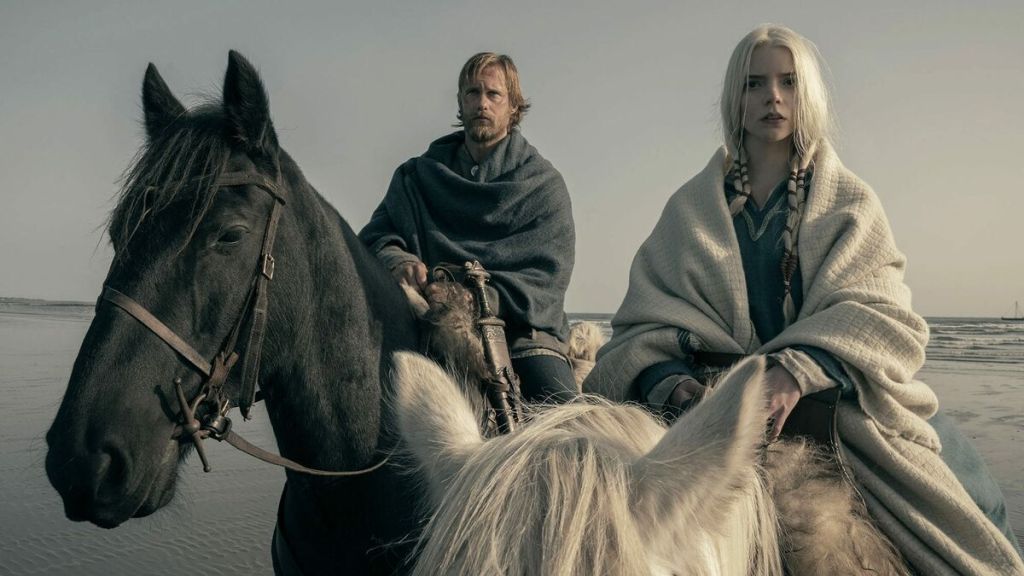
- The Northman (2022)
Similar Filmmakers
- Alex Garland
- Ari Aster
- Ben Wheatley
- Darren Aronofsky
- David Lowery
- David Robert Mitchell
- Panos Cosmatos
- Roman Polanski
- Sean Durkin
- Ti West
- Werner Herzog
- Yorgos Lanthimos


Robert Eggers’ Top Films Ranked
1. The Lighthouse (2019)
Genre: Psychological Horror, Psychological Thriller, Chamber Film
2. The Witch (2015)
Genre: Supernatural Horror, Psychological Horror, Folk Horror, Family Drama

3. The Northman (2022)
Genre: Medieval, Tragedy, Period Drama, Epic
Robert Eggers: Themes and Style
Themes:
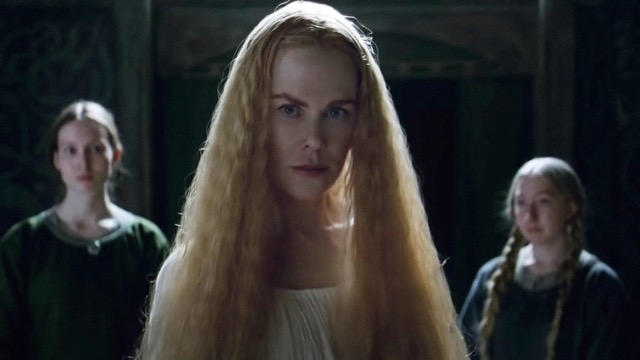
- Historical and Mythological Elements: Eggers’s works meticulously incorporate historical settings and details. His dedication to accuracy extends to dialogues, costumes, and production design, immersing audiences into the period. His films often draw from or are inspired by folklore, mythologies, and fairy tales, using these traditional stories as frameworks to explore contemporary themes and human experiences.
- Isolation and Madness: Characters in Eggers’s films usually find themselves in isolated, constrained settings, such as a desolate island or a remote forest. These isolated environments often serve as stages for characters’ psychological unravelling and descent into madness, reflecting on themes of identity, fear, and the human mind’s fragility.
- Supernatural and Horror Elements: The supernatural elements in his films are often presented ambiguously, blurring the lines between reality and fantasy and leaving interpretation open to the audience. Instead of relying on jump scares or gore, Eggers employs a slow-burning, tension-building approach to horror, creating a sense of dread and unease that lingers.
Styles:
- Atmospheric Cinematography: Eggers’s films are notable for their moody, atmospheric cinematography. The use of natural light, shadows, and a muted colour palette contributes to the overall tense and ominous ambience.
- Symbolic Imagery: His works often incorporate visually striking, symbol-laden imagery, which not only serves aesthetic purposes but also contributes to the narrative’s thematic depth.
- Slow-Burning Pacing: The pacing in Eggers’s films is deliberate and slow, allowing tension to build gradually while giving audiences time to immerse themselves in the unfolding story.
- Minimalistic Storytelling: The narratives are often streamlined and minimalistic, focusing on a small cast of characters and their internal struggles, which mirrors the constrained environments they inhabit.
- Eerie Soundscapes: The sound design in his films plays a crucial role in establishing a haunting atmosphere, with dissonant music, ambient sounds, and silence being used effectively to evoke fear and tension.
- Period-Appropriate Dialogue: Eggers often uses archaic or period-appropriate language in his scripts, further immersing viewers in the film’s historical context.
Directorial Signature:
- Historical Immersion: One of Eggers’s signatures is his commitment to creating a sense of time and place that feels authentic and lived-in. He achieves this through meticulous research and attention to detail in production design and dialogue.
- Psychological Depth: Eggers places significant emphasis on exploring the psychological states of his characters. His films often serve as character studies, examining individuals’ responses to external pressures and internal turmoil.
Robert Eggers – Great Director


 Bronze Screen Dream