
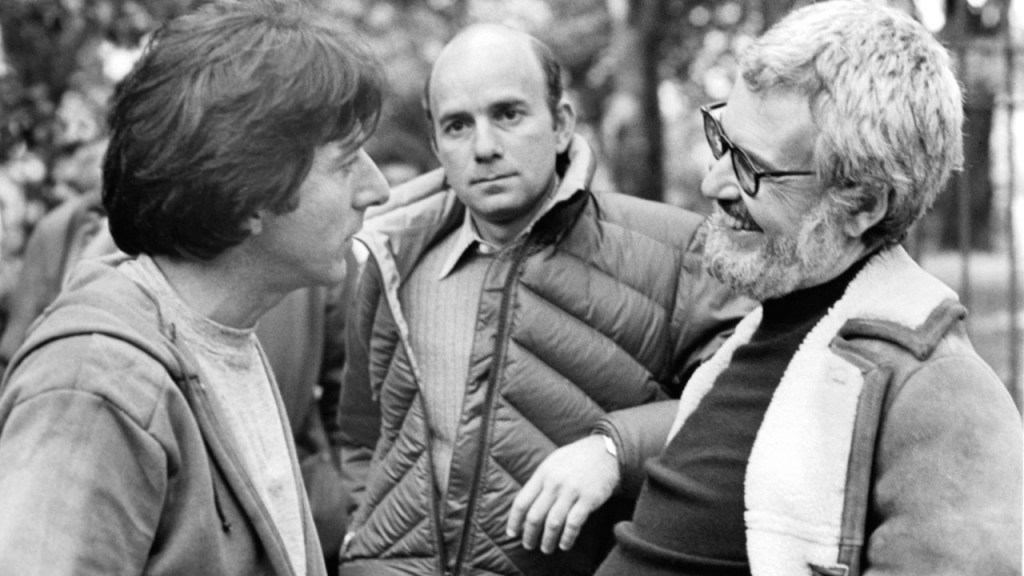
Robert Benton is an acclaimed American screenwriter and director, best known for his poignant and character-driven films that often explore complex relationships and the human condition. His works, such as Kramer vs. Kramer and Places in the Heart, have earned him critical praise and numerous accolades, including three Academy Awards.
Throughout his career, Benton has demonstrated a remarkable ability to craft compelling stories that resonate with audiences. He began his journey in the entertainment industry as a writer, penning scripts for films like Arthur Penn’s Bonnie and Clyde, Peter Bogdanovich’s What’s Up, Doc? And Richard Donner’s Superman. Benton’s directorial debut, Bad Company, showcased his keen eye for detail and his ability to elicit powerful performances from his actors. As his career progressed, he continued to deliver thought-provoking and emotionally charged films, cementing his status as a respected figure in the industry.
Benton’s films often delve into the intricacies of human relationships, particularly within families. In Kramer vs. Kramer, he explores the impact of divorce on a family, sensitively portraying the struggles and emotions experienced by both parents and their child. Similarly, in Places in the Heart, Benton examines the resilience of the human spirit in the face of adversity as a widow fights to keep her family together during the Great Depression. These recurring themes of love, loss, and the strength of familial bonds are a testament to Benton’s ability to create relatable and emotionally resonant stories.
Another notable aspect of Benton’s filmmaking is his attention to detail and his ability to create authentic, lived-in worlds. In Nobody’s Fool, he paints a vivid picture of small-town life, capturing the nuances of the characters and their relationships with a sense of realism and warmth. Benton’s visual style is often understated, allowing the performances and the story to take centre stage. He favours a naturalistic approach, using minimal camera movements and focusing on the actors’ expressions and interactions to convey emotion and depth. This subtle yet effective style has become a hallmark of Benton’s work, setting him apart as a filmmaker who prioritises substance over spectacle.
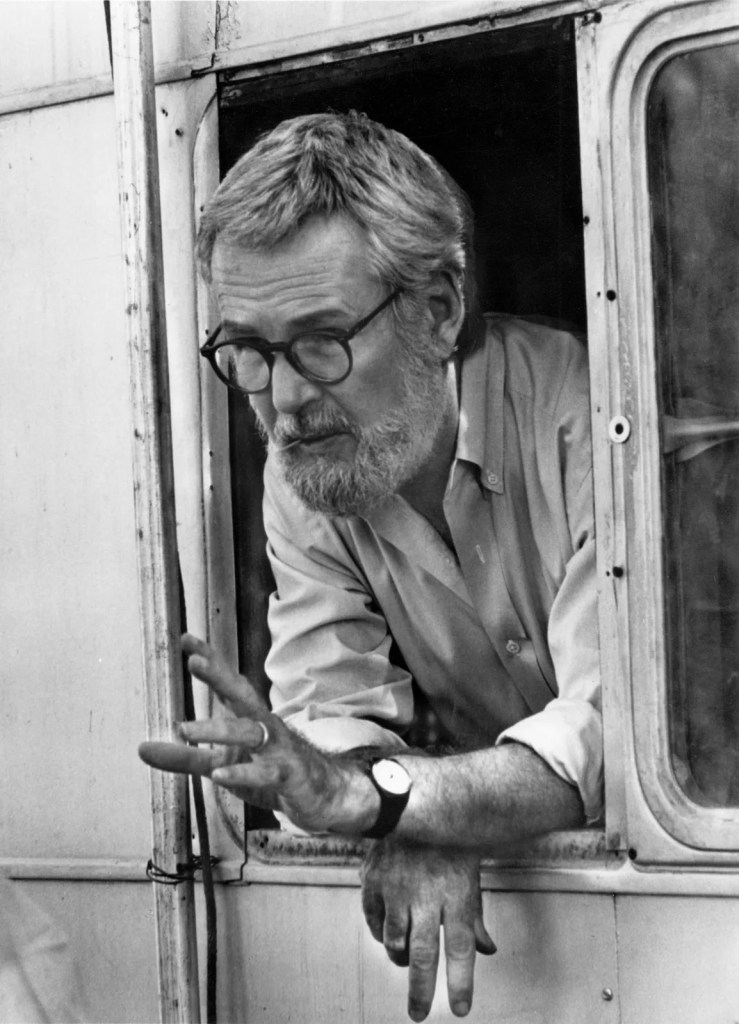
Robert Benton (1932 – 2025)
Calculated Films
- Kramer vs Kramer (1979)
- Places in the Heart (1984)
Similar Filmmakers
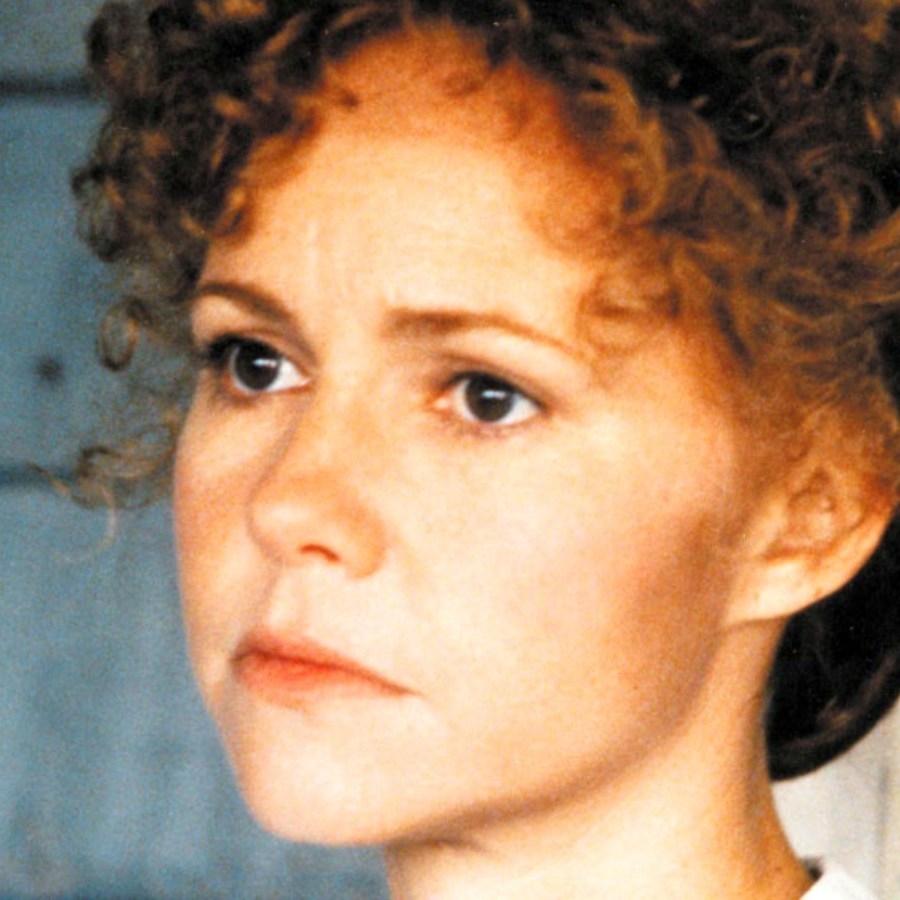
Robert Benton’s Top 5 Films Ranked
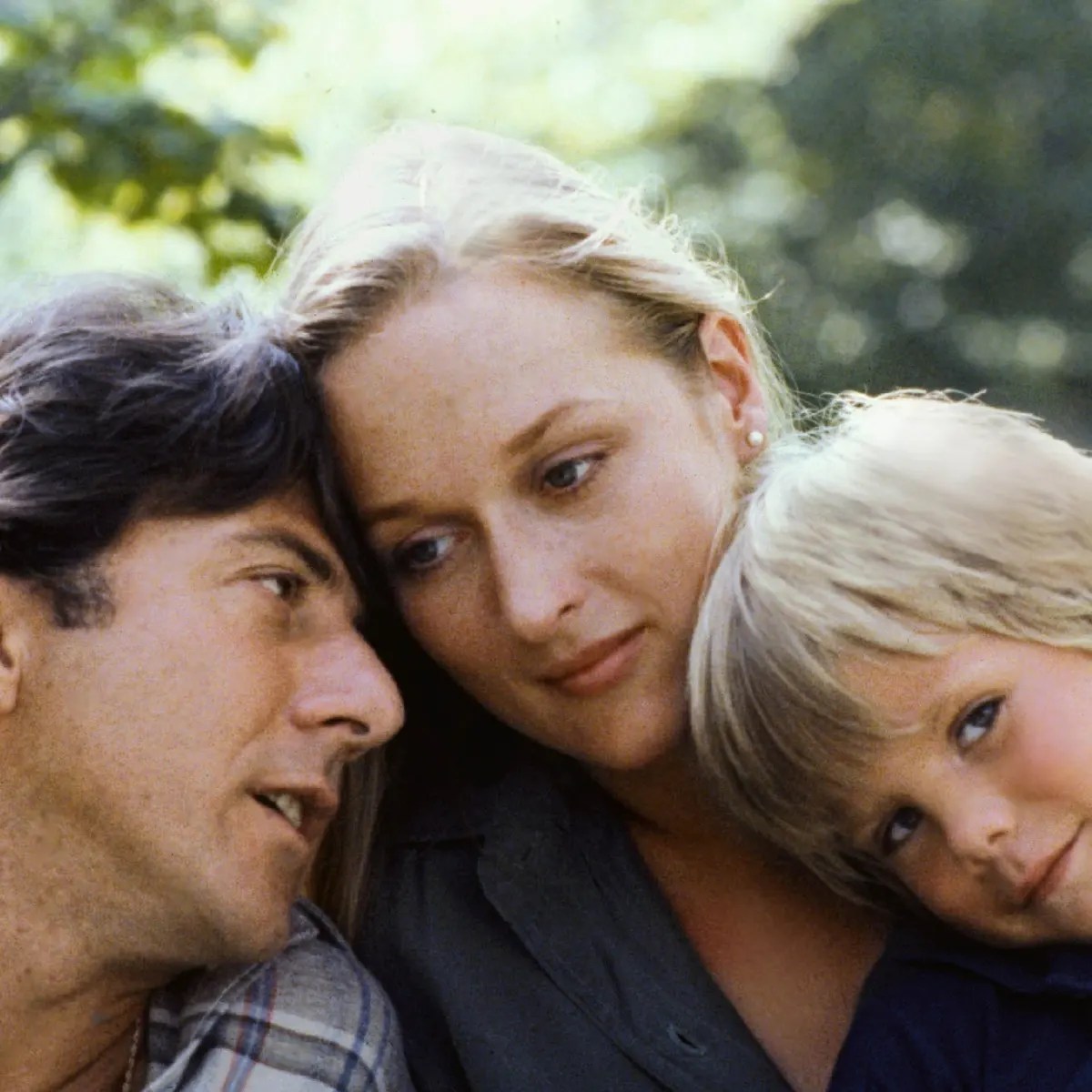
1. Kramer vs Kramer (1979)
Genre: Legal Drama, Family Drama

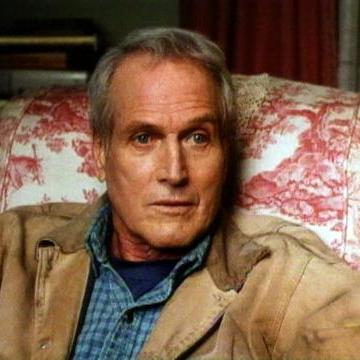
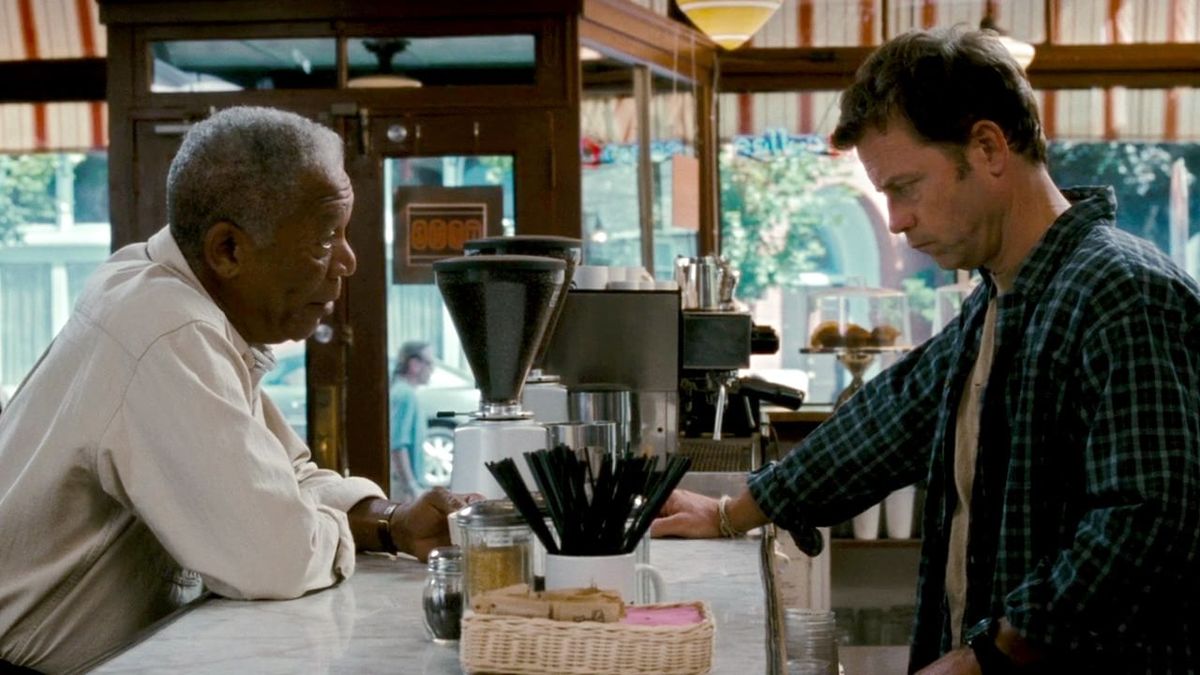
2. Nobody’s Fool (1994)
Genre: Drama, Slice of Life

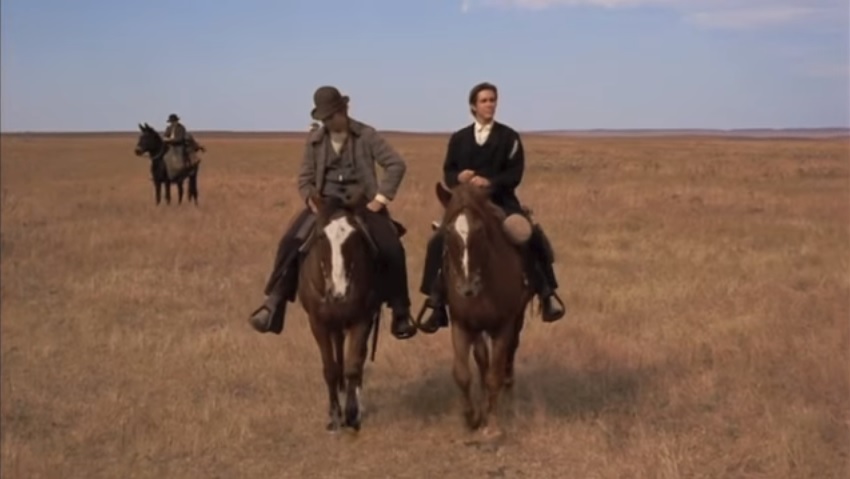
3. Bad Company (1972)
Genre: Buddy, Revisionist Western, Coming-of-Age

4. Places in the Heart (1984)
Genre: Drama, Period Drama
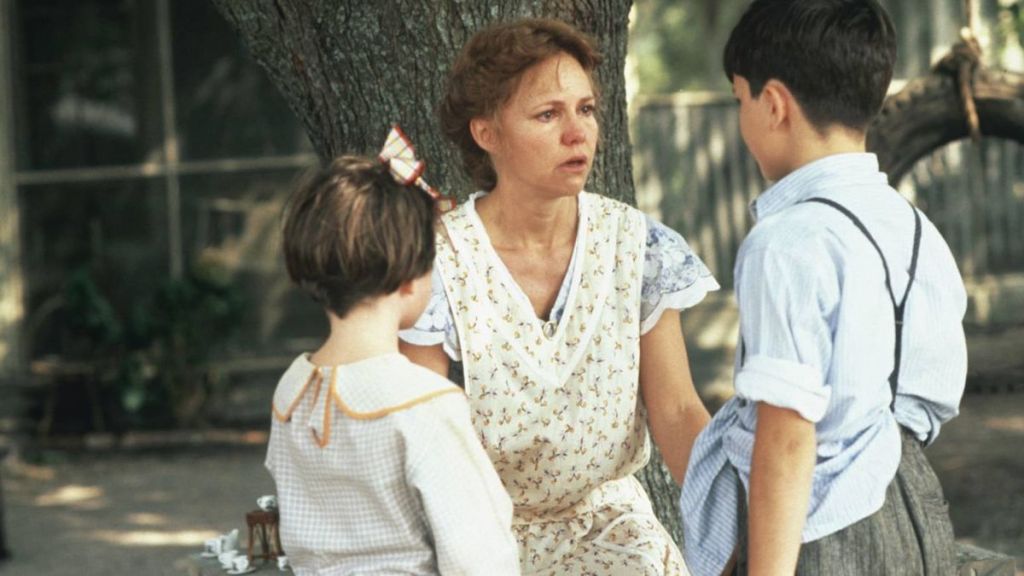
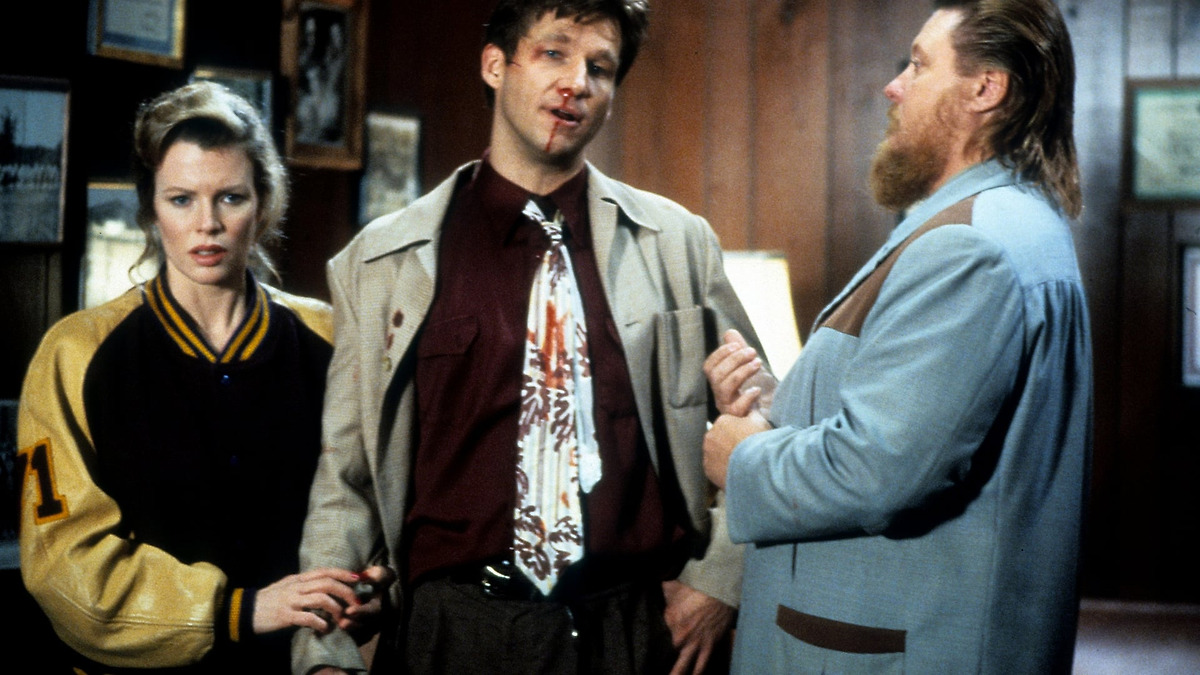
5. The Late Show (1977)
Genre: Neo-Noir, Whodunnit, Mystery
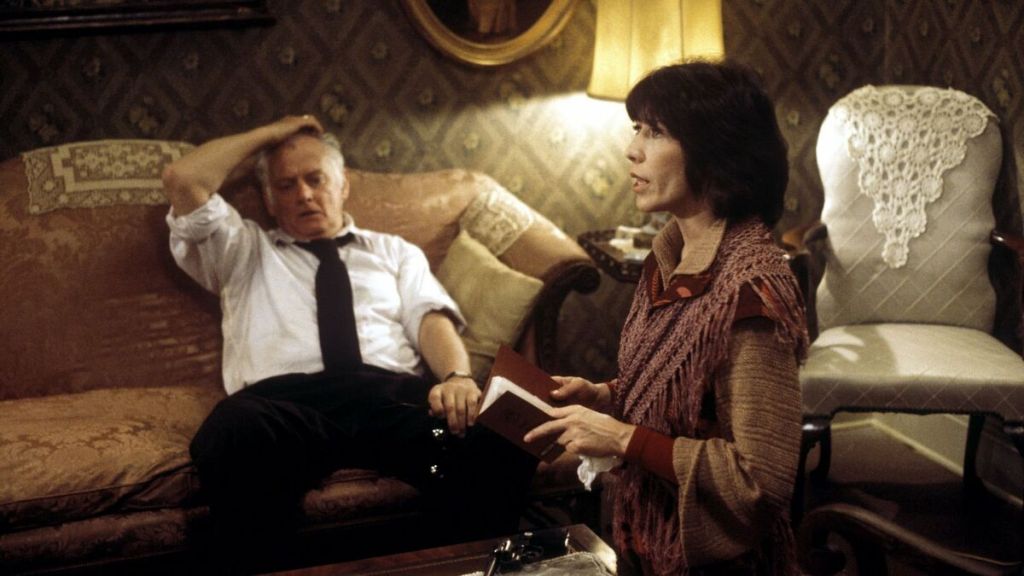
Robert Benton: Themes and Styles
Themes
- Human Connection: Benton often explores the complexity of relationships and emotional bonds in films like Kramer vs. Kramer. He delves into the nuanced dynamics between characters, showcasing their struggles, reconciliations, and the profound impact they have on each other’s lives.
- Moral Ambiguity: In films such as The Late Show, Benton presents characters with morally ambiguous choices, reflecting on the grey areas of human ethics and the personal dilemmas that shape our decisions.
- Nostalgia and Regret: Benton’s Places in the Heart embodies themes of longing for the past and dealing with regret. He portrays characters who are haunted by their past decisions and yearn for redemption, set against the backdrop of historical and personal change.
- Redemption and Resilience: Benton often focuses on characters seeking redemption and demonstrating resilience in the face of adversity. In Nobody’s Fool, the protagonist’s journey towards self-discovery and redemption highlights Benton’s belief in the human capacity for change and growth.
Styles:
- Intimate Cinematography: Benton prefers close-up shots and intimate framing to draw viewers deeper into the characters’ personal spaces and emotions, as seen in Kramer vs. Kramer.
- Period Detail: In films like Places in the Heart, Benton meticulously recreates historical settings, using period-appropriate costumes, props, and locations to immerse the audience in the era and enhance the narrative’s authenticity.
- Character-Driven Narratives: Benton crafts his films around well-developed characters, allowing their personal stories and development to drive the plot. This approach is evident in Nobody’s Fool, where the protagonist’s relationships and personal growth are central to the story.
- Melancholic Tone: Benton often employs a melancholic tone, underscored by thoughtful pacing and a contemplative soundtrack.
Directorial Signature:
- Empathetic Character Portrayals: Benton’s directorial signature includes a deep empathy for his characters. He portrays them with complexity and nuance, encouraging the audience to understand and sympathise with their situations and choices, as seen in Kramer vs. Kramer.
- Narrative Complexity: Benton weaves complex narratives that explore the depth of human emotion and morality. His films, like The Late Show, often feature intertwined stories that reveal the interconnectedness of characters’ lives and the consequences of their actions.
- Collaboration with Actors: Benton is known for his collaborative approach with actors, allowing them to contribute to their characters’ development.
- Subtle Social Commentary: In his films, Benton subtly addresses social issues and themes, integrating them into the narrative without overshadowing the characters’ personal stories. In Nobody’s Fool, the backdrop of a small-town community reflects broader social dynamics and challenges.
Robert Benton – Great Director
 Bronze Screen Dream