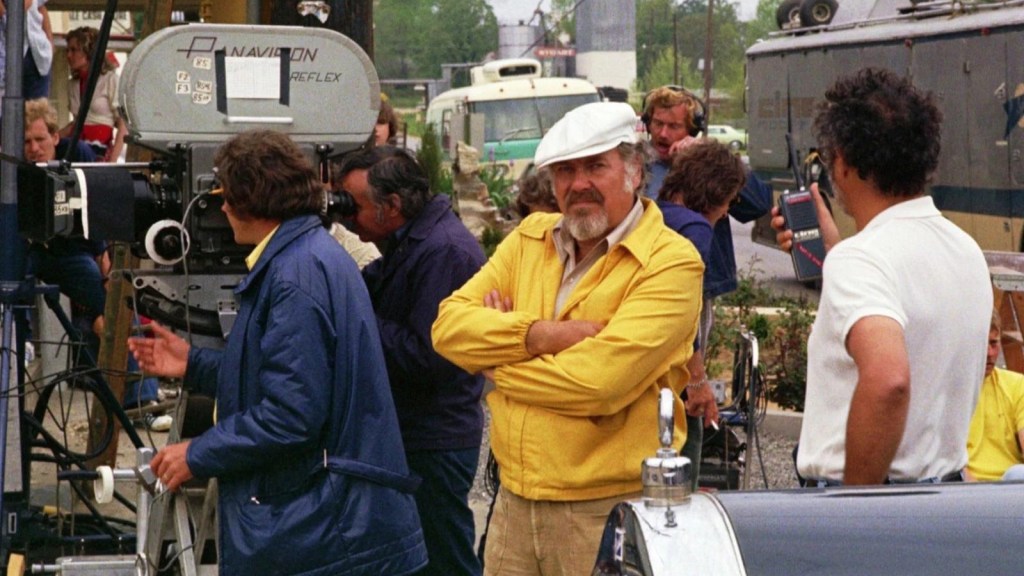
Robert Altman is a pioneering figure in New Hollywood and American cinema, celebrated for his genre-deconstructing narratives, innovative use of sound, and complex ensemble casts. Known for his masterful subversion of traditional genre conventions, Altman created a new form of cinematic realism, often incorporating satirical elements to critique American culture and institutions. Films such as Nashville and Short Cuts showcase his skill in weaving multiple storylines and characters, while MASH* and The Player demonstrate his sharp satirical eye.
Altman began his filmmaking career in the 1950s, initially working on industrial films and television before breaking into mainstream cinema. His career was marked by ups and downs, encompassing both critical successes and failures, reflecting his independent spirit and willingness to take risks. Even during periods of commercial failure, Altman persisted in pushing the boundaries of filmmaking, creating a body of work that resonates with audiences and critics for its originality and daring.
Altman’s films are defined by their distinct narrative and stylistic elements. His use of overlapping dialogue, wherein characters speak simultaneously, creates a sense of realism and spontaneity, mirroring the chaotic nature of real-life conversations. This, combined with his encouragement of improvisation on set, contributes to his films’ organic, spontaneous feel, allowing for unexpected moments of humour and emotion and more nuanced character development.
New Hollywood Auteur
His cinematic style often features long, unbroken shots and zoom lenses, underscoring his preference for realism and complexity in cinematic representation. In addition to his innovative use of dialogue, Altman was known for his creative sound design, often employing multi-track sound recording to capture dialogue, music, and background noise separately, enhancing the film’s realism and immersion.
Altman’s films frequently offer insightful commentary on their respective eras’ political and cultural events, thus serving as a reflection of changing societal norms and attitudes. Whether through the anti-establishment sentiments expressed in MASH* or the pointed critique of Hollywood in The Player, Altman’s filmography exhibits a keen understanding of the zeitgeist, often challenging audiences to question their assumptions and preconceptions.
Despite his passing in 2006, Altman’s influence on cinema remains palpable. Filmmakers like Paul Thomas Anderson and Wes Anderson have cited his influence on their work, and his impact can be seen in contemporary ensemble films and television series. His innovations in dialogue, sound recording, and narrative structure continue to inspire filmmakers worldwide, attesting to his enduring legacy in the history of film. Through his distinctive storytelling techniques and relentless pursuit of creative freedom, Robert Altman remains an enduring figure in cinema.
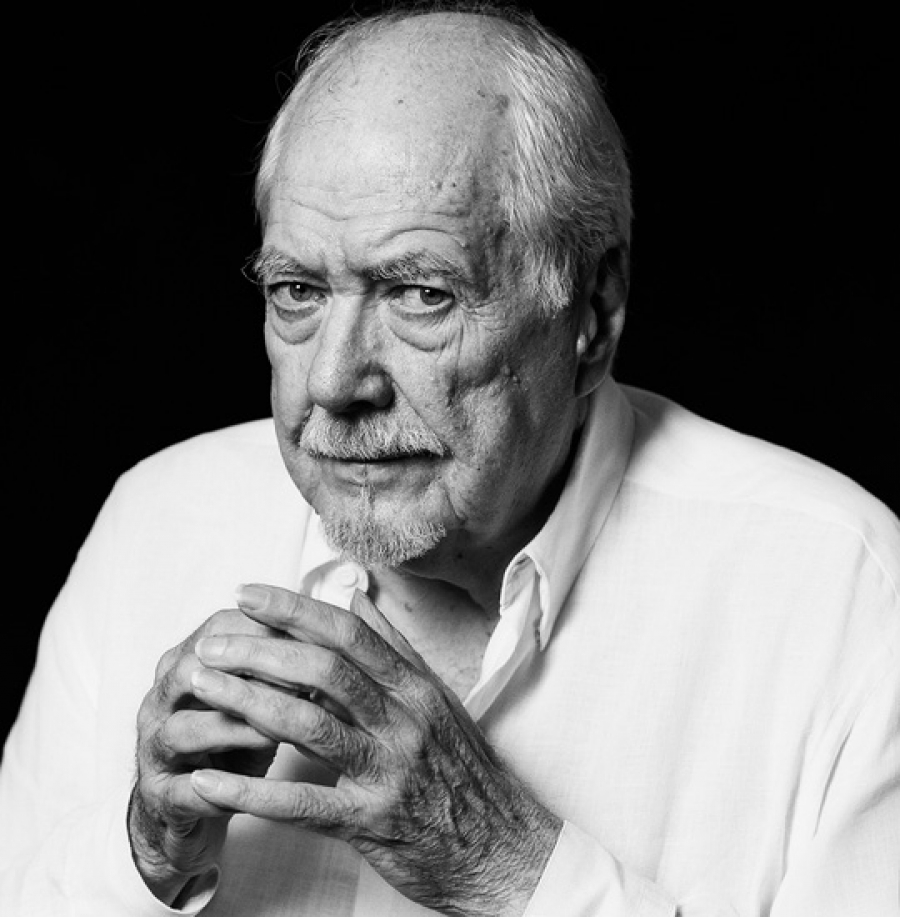
Robert Altman (1925 – 2006)
Calculated Films:
- M*A*S*H (1970)
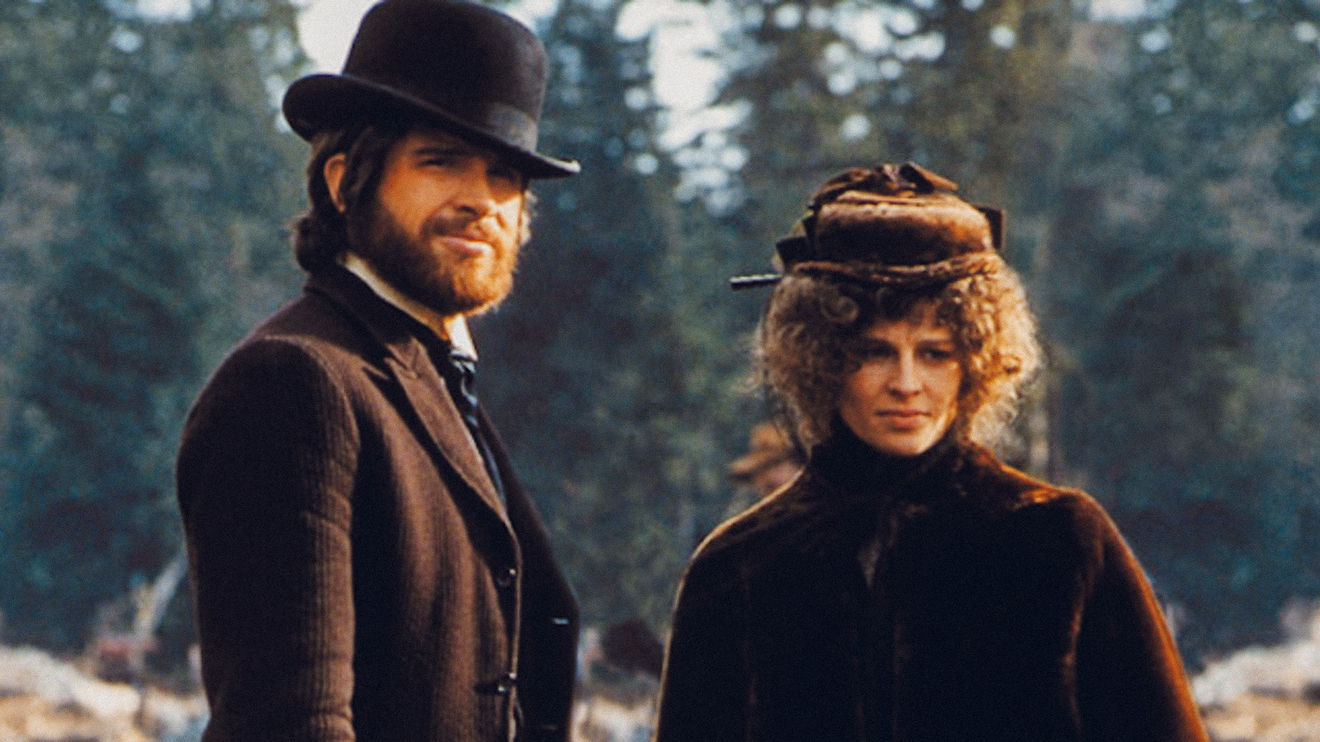
- McCabe & Mrs Miller (1971)
- The Long Goodbye (1973)
- California Split (1974)
- Nashville (1975)
- 3 Women (1977)
- Come Back to the 5 & Dine, Jimmy Dean, Jimmy Dean (1982)
- The Player (1992)
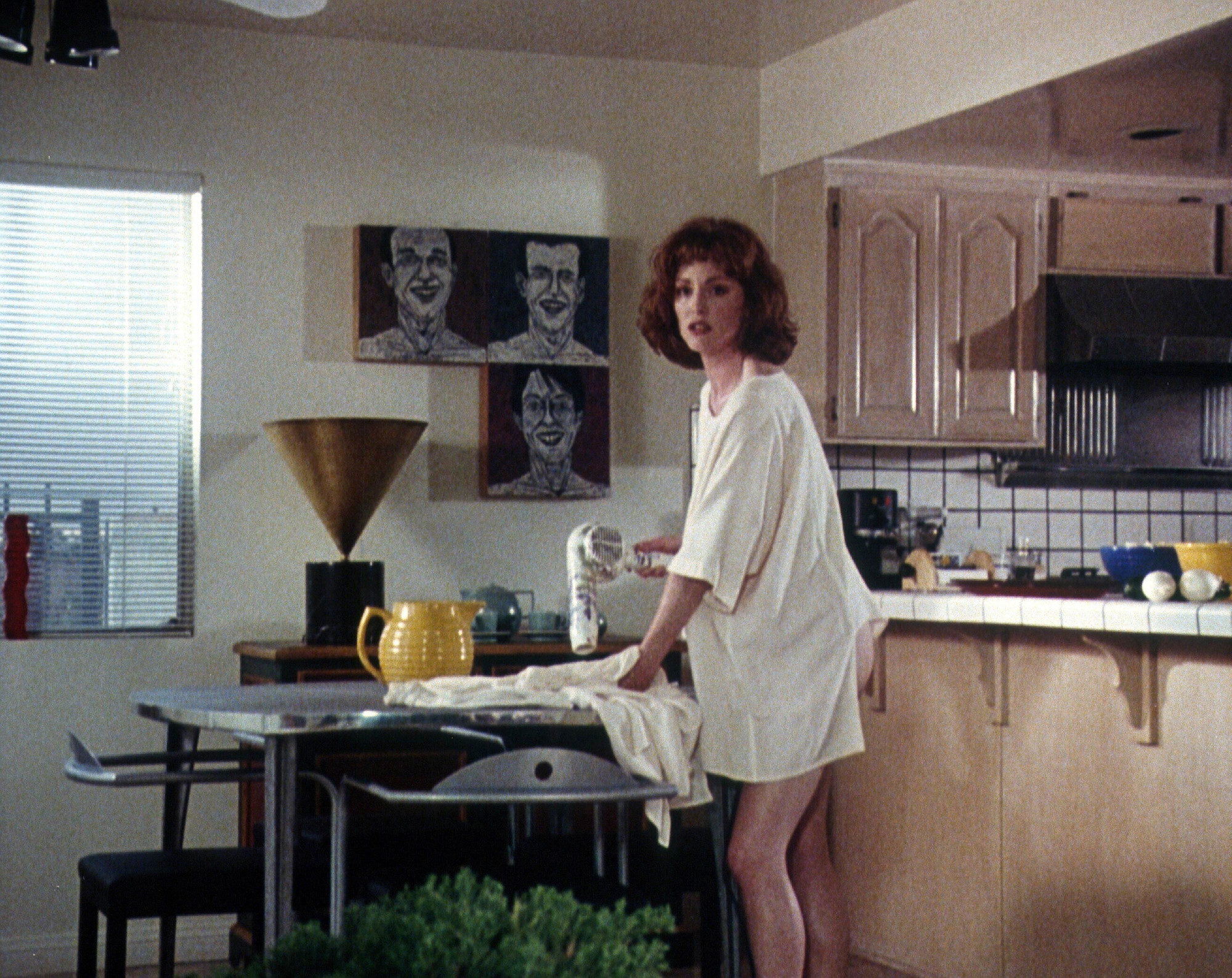
- Short Cuts (1993)
Similar Filmmakers

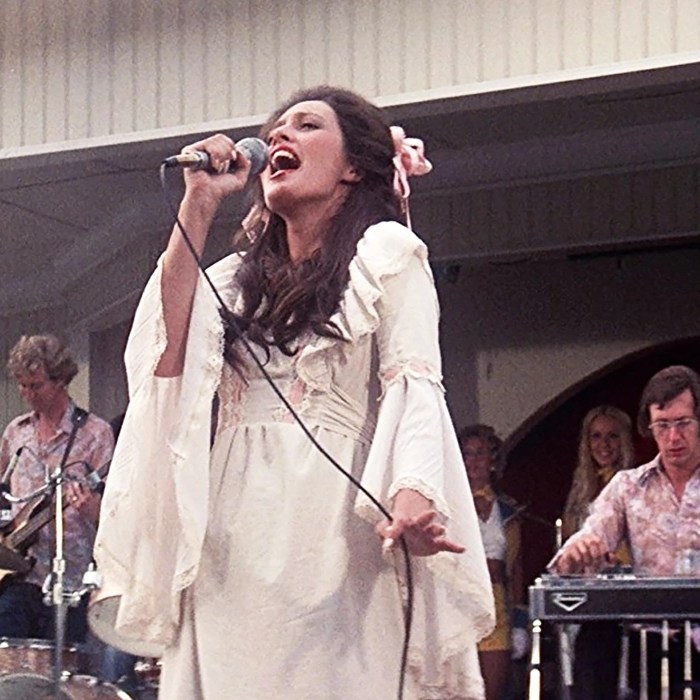

Robert Altman’s Top 10 Films Ranked
1. 3 Women (1977)
Genre: Psychological Drama

2. Nashville (1975)
Genre: Drama, Music, Satire, Slice of Life

3. McCabe & Mrs Miller (1971)
Genre: Revisionist Western, Drama

4. The Long Goodbye (1973)
Genre: Neo-Noir, Mystery, Crime, Satire

5. Short Cuts (1993)
Genre: Drama, Slice of Life
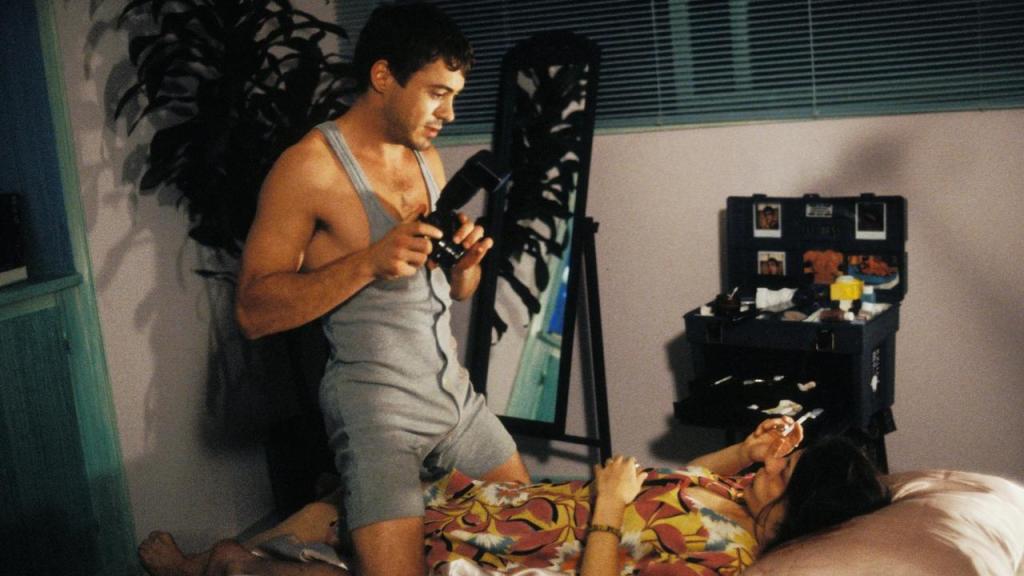
6. The Player (1992)
Genre: Satire, Mystery, Drama

7. California Split (1974)
Genre: Buddy, Comedy, Drama
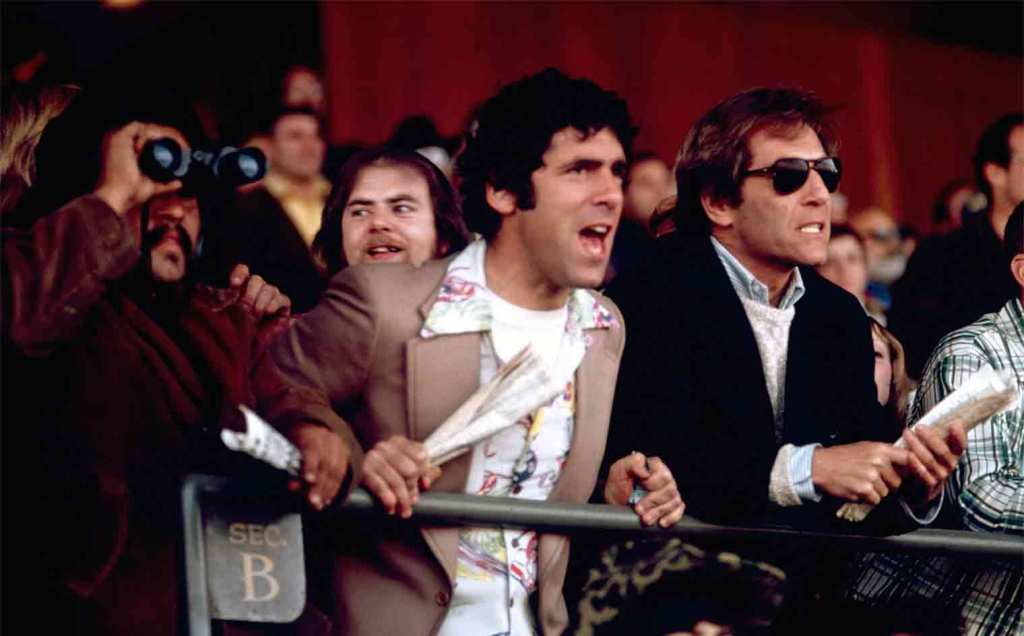
8. Come Back To The 5 & Dine, Jimmy Dean, Jimmy Dean (1982)
Genre: Drama
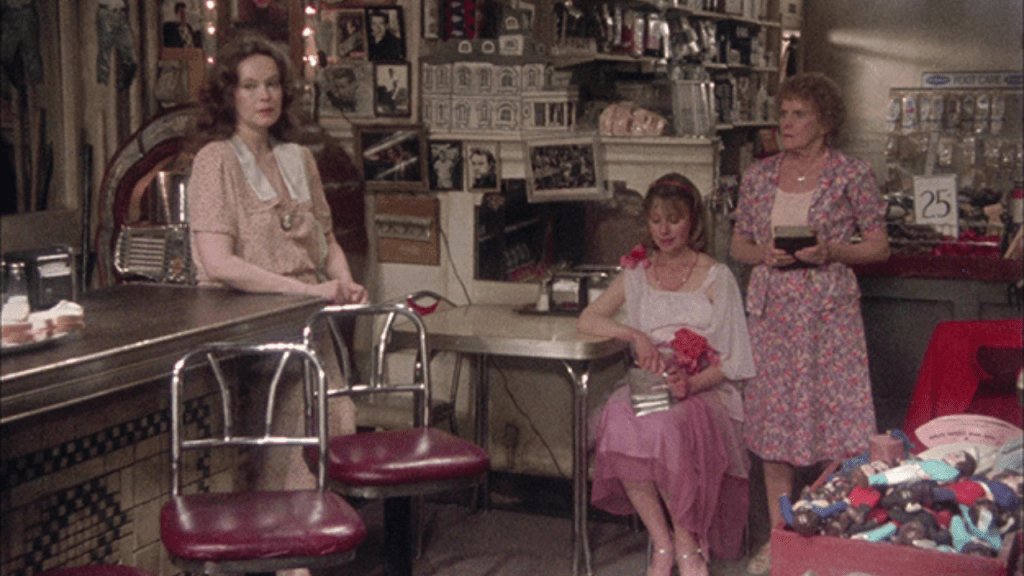
9. Secret Honor (1984)
Genre: Psychological Drama, Political Drama, Satire
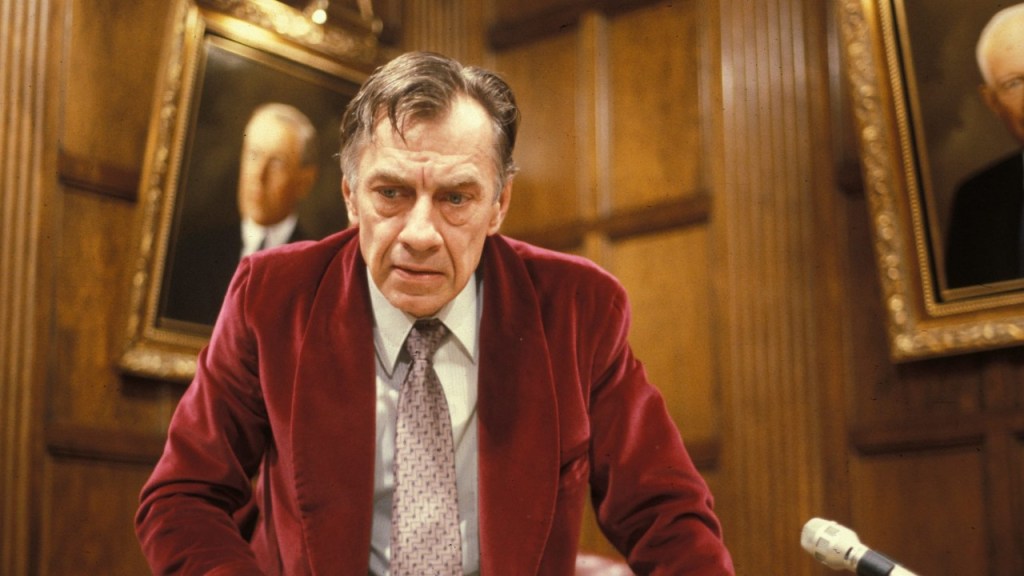
10. Thieves Like Us (1974)
Genre: Crime, Romance, Drama

Robert Altman: Themes and Style
Themes:
- Ensemble Casts: Altman frequently employed large ensemble casts, as seen in MASH, Nashville, and Short Cuts, to explore the tapestry of American life. He used overlapping narratives to underscore the complexity of human relationships and societal structures.
- Satire and Social Commentary: Films like MASH and The Player serve as satirical critiques of institutions such as the military and Hollywood, respectively. Altman used humour and irony to expose the absurdity and hypocrisy within these systems.
- Isolation and Communication: A recurring theme in Altman’s work is the struggle for genuine communication in a disconnected society. In 3 Women and Short Cuts, characters often fail to truly connect with each other, highlighting their emotional isolation.
- American Culture and Capitalism: Altman’s Nashville and McCabe & Mrs. Miller reflect on the nature of American culture, politics, and capitalism. He depicted the pursuit of the American Dream and its often disillusioning outcomes.
- Improvisation and Chance: Films like California Split and A Wedding often explore the role of chance and improvisation in life, paralleling the way Altman would allow scenes to unfold organically, sometimes leaving significant moments for spontaneous actor improvisation.
Styles:
- Overlapping Dialogue: Altman’s signature use of overlapping dialogue, most notably in Nashville and McCabe & Mrs. Miller, creates a more naturalistic and immersive audio experience, reflecting the chaotic nature of real-world conversations.
- Zoom Lenses and Fluid Camera Movements: He frequently utilised zoom lenses and fluid camera movements to create a sense of immediacy and intimacy. The camera in The Long Goodbye and Gosford Park acts almost as a character itself, meandering through scenes and capturing moments from varying distances.
- Naturalistic Soundtracks: Altman often eschewed traditional film scoring in favour of naturalistic soundtracks that complement the on-screen action. In MASH, diegetic music and PA announcements serve to deepen the environment and context.
- Improvisational Directing: He was known for his improvisational directing style, encouraging actors to contribute to their characters and dialogue. This approach is evident in Short Cuts, where the performances feel lived-in and authentic.
- Blend of Genres: Altman was not afraid to blend genres, often subverting expectations. His McCabe & Mrs. Miller is a western infused with elements of romance and tragedy, while MASH mixes war drama with dark comedy.
Directorial Signature:
- Subversion of Genre Conventions: Altman often took established genres and turned them on their head. In The Long Goodbye, he reimagined the hard-boiled detective genre, giving it a laid-back, irreverent twist.
- Casting Against Type: He frequently cast actors against type to great effect, such as Elliott Gould as a non-traditional detective in The Long Goodbye or Cher’s critically acclaimed role in Come Back to the 5 & Dime, Jimmy Dean, Jimmy Dean.
- Extensive Rehearsals and Workshops: Before shooting, Altman would conduct extensive rehearsals and workshops, which were integral to his process. This created a sense of ensemble and community among the cast, as seen in the seamless group dynamics of Gosford Park.
- Interconnected Stories: Altman’s films often feature related stories rather than a single narrative thread. Short Cuts weaves together various stories from Raymond Carver’s short stories, creating a mosaic of Los Angeles life.
- Authenticity in Artifice: Even when dealing with grand settings or historical periods, as in Gosford Park, Altman aimed for authenticity. He achieved a naturalistic performance and dialogue style that made even the most ornate environments seem lived-in.
Robert Altman: The 60th Greatest Director


 Bronze Screen Dream