
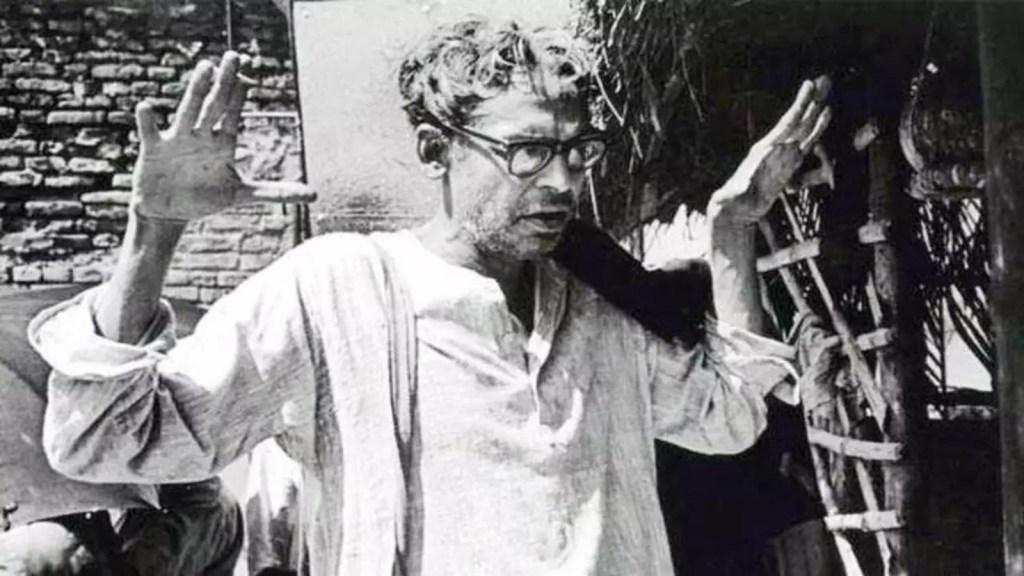
Ritwik Ghatak was an Indian filmmaker. Although he did not gain the immediate international recognition of his contemporaries like Satyajit Ray, Ghatak’s films have become celebrated for their intense portrayal of social realities, particularly concerning the pain and nostalgia associated with the Partition of India. His stories, often located in Bengal, stand as poignant testimonies to the displacement and sociopolitical upheavals of the era.
His filmography is notable for its deep and personal exploration of cultural displacement and its associated trauma. Many of his works, such as Meghe Dhaka Tara and Komol Gandhar, revolve around refugees from East Pakistan (now Bangladesh) and their struggle to find an identity in post-Partition India. This sense of lost roots is often depicted through the metaphor of a disrupted family, mirroring the larger fragmentation of the Bengali homeland. His characters, torn between the past and the present, voice the anguish of a generation that had witnessed its world being torn apart.
Ghatak’s films often incorporate rural landscapes and folk elements, starkly contrasting urban decay and modernity’s chaos. His use of sound is also innovative, blending traditional music with ambient noises to heighten the emotional intensity of his narratives. For instance, in Subarnarekha, the river becomes both a physical and aural motif, symbolising the constant flow of life amidst the tragedies that punctuate it.
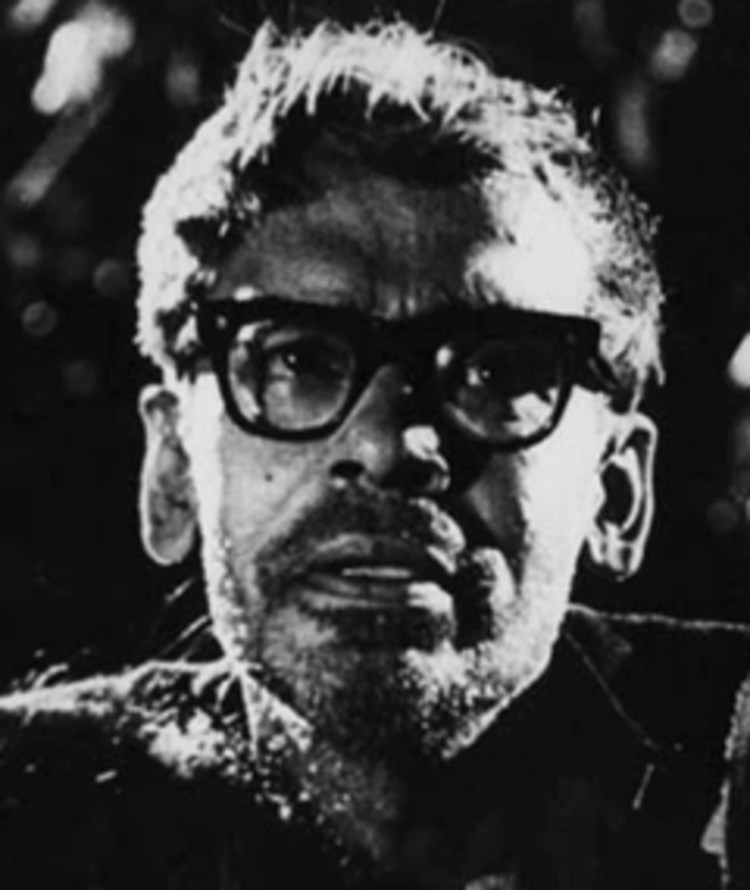
Ritwik Ghatak (1925 – 1976)
Calculated Films:
- The Cloud-Capped Star (1960)
Similar Filmmakers
- Adoor Gopalakrishnan
- Aparna Sen
- Bimal Roy
- Buddhadeb Dasgupta
- Deepa Mehta
- Girish Kasaravalli
- Goutam Ghose
- Ketan Mehta
- Kumar Shahani
- Mani Kaul
- Mira Nair
- Mrinal Sen
- Rajen Tarafdar
- Saeed Akhtar Mirza
- Satyajit Ray
- Shaji N. Karun
- Shyam Benegal
- Tapan Sinha

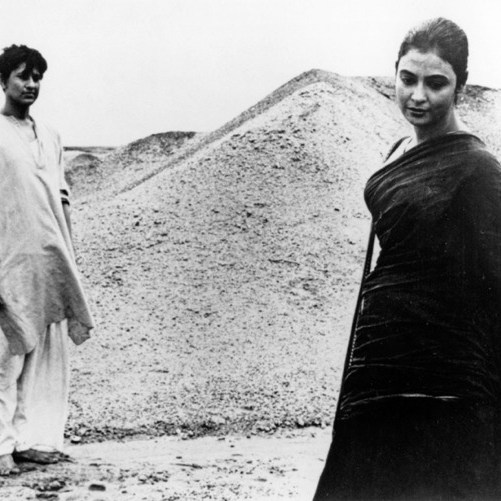
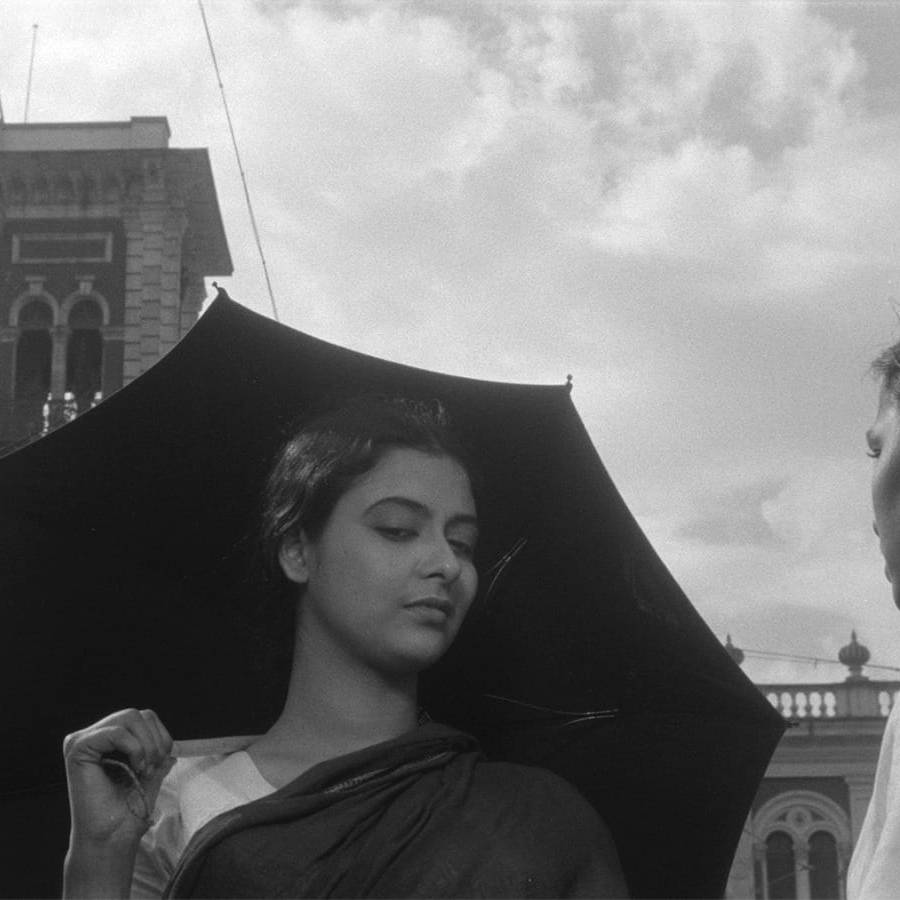
Ritwik Ghatak’s Top 5 Films Ranked
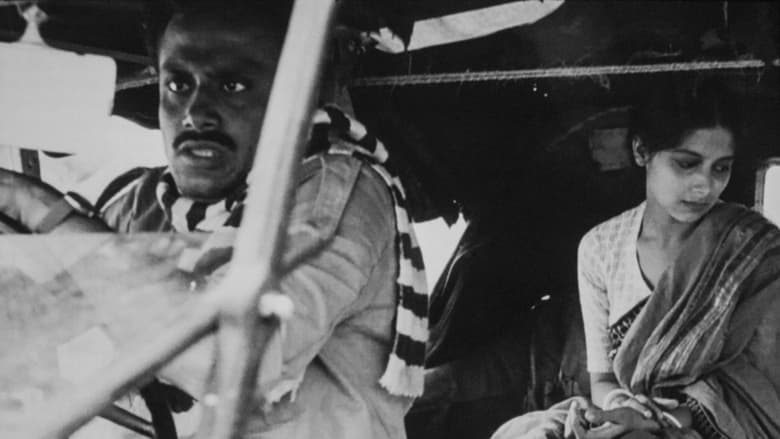
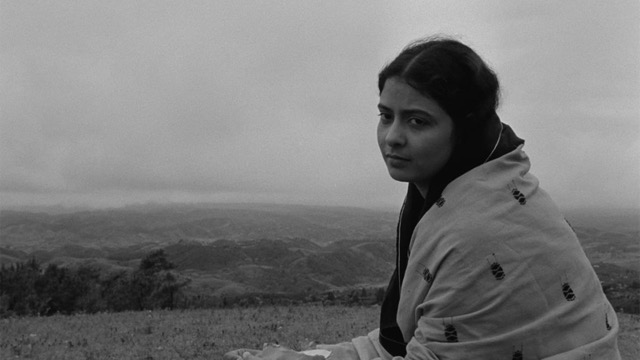
1. The Cloud-Capped Star (1960)
Genre: Melodrama, Parallel Cinema, Family Drama

2. Bari Theke Paliye (1958)
Genre: Coming-of-Age, Parallel Cinema, Drama
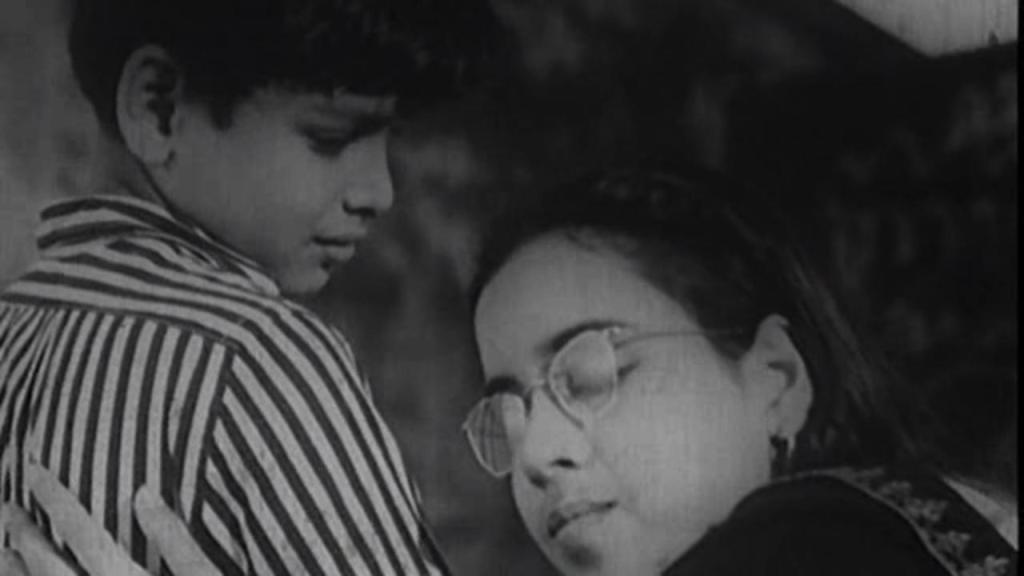
3. Ajantrik (1958)
Genre: Comedy, Drama
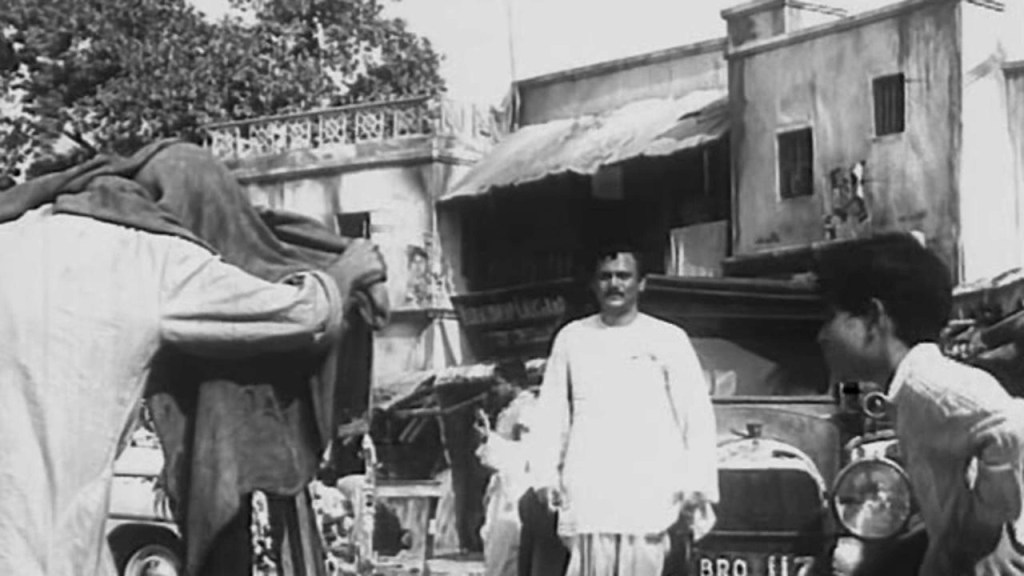
4. Subarnarekha (1965)
Genre: Drama, Parallel Cinema
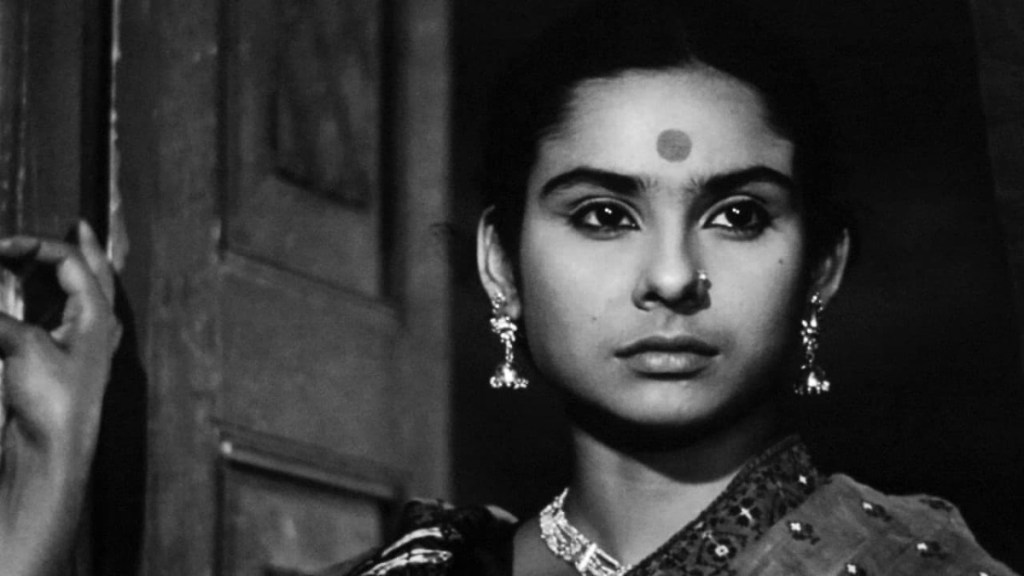
5. Komal Gandhar (1961)
Genre: Drama, Parallel Cinema
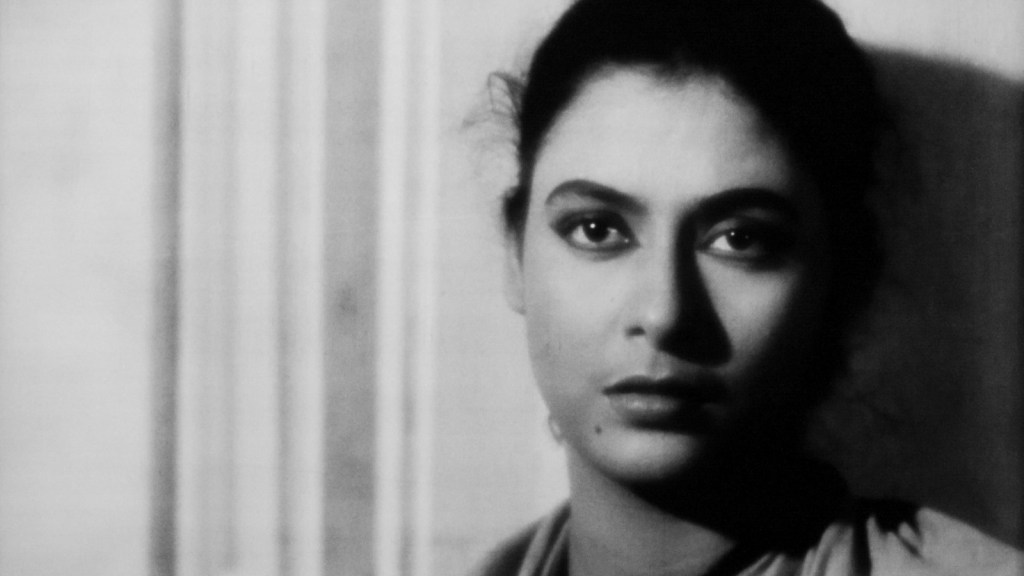
Ritwik Ghatak: Themes and Style
Themes:
- Partition and Displacement: Ghatak’s personal experience of the Partition of India deeply influenced his cinematic narrative. Films like the Partition trilogy dive deep into the anguish and identity crisis refugees face.
- Socio-economic Realities: Many of Ghatak’s films reflect the socio-economic challenges of his times. He portrayed the struggles of the urban and rural poor and the middle class against a rapidly changing socio-political backdrop.
- Family and Relationships: The familial bond is at the core of many of his films. His narratives often centre on the disintegration of family structures, highlighting personal tragedies amid larger societal issues.
- Cultural Identity: Ghatak’s films often evoke a strong sense of Bengali culture, especially through their use of music, literature, and regional traditions.
Styles:
- Melding of Realism and Symbolism: Ghatak’s narratives are rooted in realism, but they are also punctuated with symbolic and poetic elements, which provide layers of depth to the storytelling.
- Innovative Use of Sound: One of Ghatak’s most distinctive traits was his creative use of sound. He employed folk music, natural sounds, and classical motifs to evoke emotions, nostalgia, and cultural identity.
- Linear and Non-linear Storytelling: While many of his films follow a linear narrative, he wasn’t shy of using flashbacks and dreams to provide deeper insights into the psyche of his characters.
- Dramatic Framing and Composition: Ghatak often used high contrast and stark framing in his films. His composition choices often mirrored the tumultuous emotions of his characters.
Directorial Signature:
- Personal and Political Intertwined: Ghatak’s films have a unique quality of merging personal stories with broader political narratives, making them simultaneously intimate and universal.
- Intense Humanism: Regardless of the overarching theme, the human element was always at the forefront of Ghatak’s cinema. He portrayed his characters’ resilience, tragedies, and triumphs with profound empathy.
- Complex Characters: Ghatak’s protagonists are often deeply flawed, making them relatable and authentic. Their complexities arise from their personal histories and the socio-political environment they navigate.
Ritwik Ghatak – Great Director


 Bronze Screen Dream