

Ridley Scott, an acclaimed director renowned for his visual storytelling, is celebrated for his compelling narratives that span a diverse range of genres. Known for groundbreaking films such as Alien, Blade Runner, and Gladiator, Scott’s filmmaking demonstrates his mastery of visual aesthetics, character development, and immersive world-building. His ability to create visually stunning, intellectually stimulating cinema while maintaining broad appeal has solidified his status as a leading figure in the film industry.
Scott’s journey in filmmaking started with his background in art and graphic design, which he brought to bear in his commercials before transitioning into films. After several successful years in the advertising industry, Scott made his feature film debut with The Duellists. This was soon followed by Alien and Blade Runner, the two films that firmly established him as a masterful filmmaker capable of pushing the boundaries of genre cinema.
Scott’s films are distinguished by their visual flair and attention to detail, a testament to his background in design. His mastery of visual storytelling is evident in the immersive, fully-realised worlds he creates, from the dystopian future of Blade Runner to the gritty, realistic depiction of ancient Rome in Gladiator. The striking visuals in his films, often enhanced by pioneering use of special effects that combine practical effects and CGI, serve not just as a backdrop but as integral elements that shape the narratives.
Grit and Grandeur
Scott’s filmography displays impressive genre diversity. Whether he’s delving into science fiction, historical drama, or crime thriller, Scott consistently demonstrates an ability to adapt his directorial style to the demands of the genre while maintaining his distinctive aesthetic. His exploration of big themes, such as the nature of humanity in Blade Runner or the nature of evil in Hannibal, often takes centre stage, imbuing his films with philosophical depth. Additionally, his films are notable for their strong female characters, with Sigourney Weaver’s character, Ripley, in Alien being a groundbreaking example.
Adaptations and films inspired by real-life events constitute a significant portion of Scott’s oeuvre. He has a knack for translating complex narratives from page to screen, as seen in films like American Gangster and Black Hawk Down. His capacity for blending factual events with cinematic storytelling has yielded entertaining and thought-provoking films.
Ridley Scott’s influence on cinema is considerable, shaping the landscape of modern science fiction and broadening the possibilities of visual storytelling. His impact can be seen in the works of filmmakers worldwide, including contemporaries like James Cameron and newer generations of directors like Denis Villeneuve. Both commercially successful and critically acclaimed, Scott’s films have left an indelible mark on film history, their themes, visuals, and storytelling techniques continuing to inspire and resonate with audiences and filmmakers alike.

Ridley Scott (1937 – -)
Calculated Films:
- The Duellists (1977)
- Alien (1979)
- Blade Runner (1982)
- Thelma and Louise (1991)
- Gladiator (2000)
- Black Hawk Down (2001)
- American Gangster (2007)
- The Martian (2015)
- The Last Duel (2021)
Similar Filmmakers



Ridley Scott’s Top 10 Films Ranked
1. Alien (1979)
Genre: Sci-Fi, Horror, Extraterrestrial

2. Blade Runner (1982)
Genre: Cyberpunk, Tech-Noir, Distopian, Sci-Fi

3. Gladiator (2000)
Genre: Sword and Sandal, Period Drama, Epic, Action

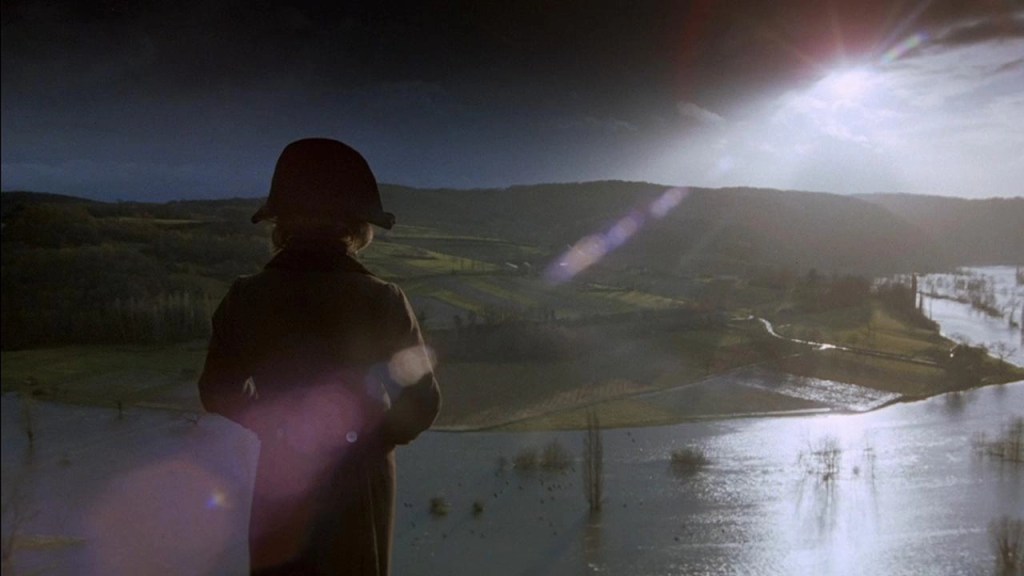
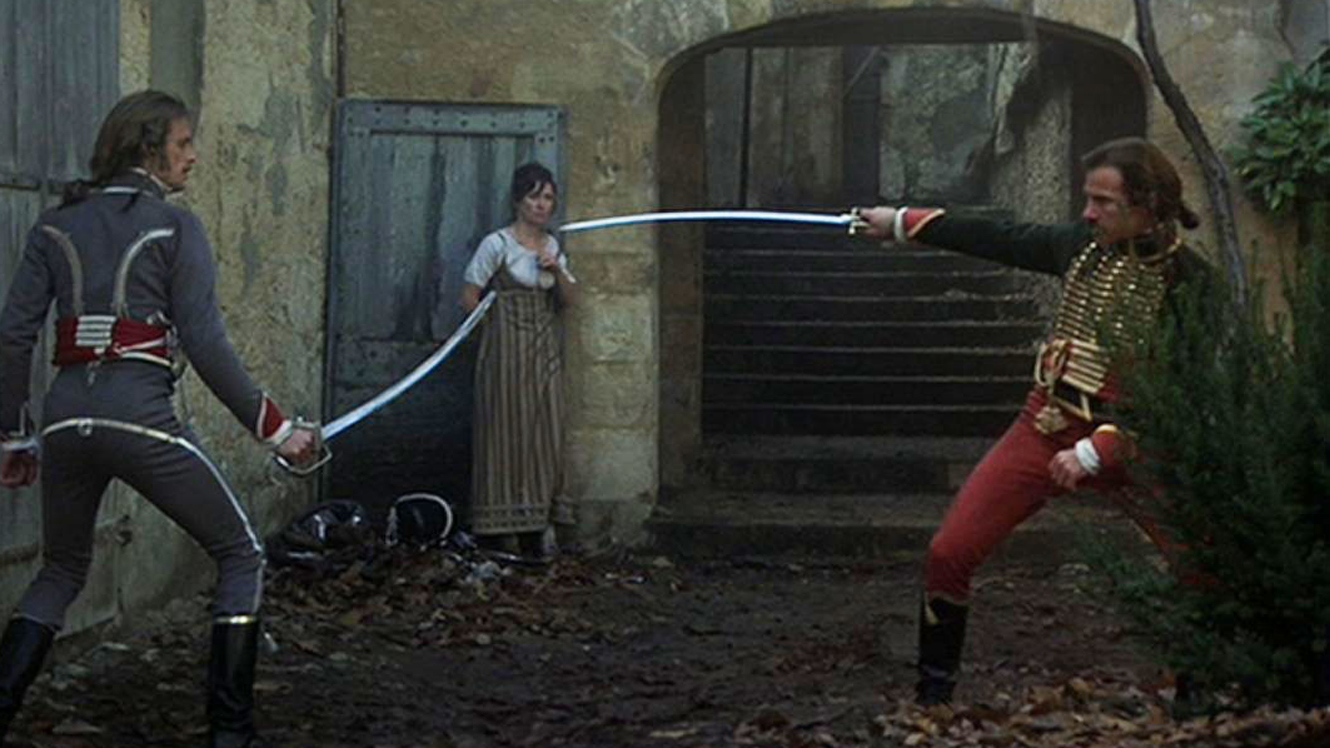
4. The Duellists (1977)
Genre: Period Drama
5. Thelma and Louise (1991)
Genre: Road Movie, Crime, Buddy, Drama

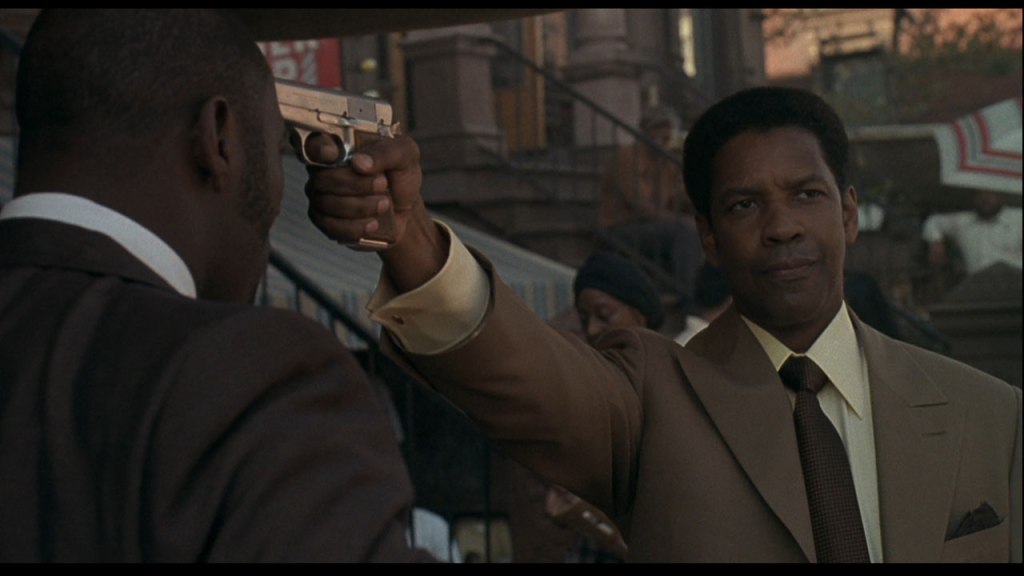
6. American Gangster (2007)
Genre: Gangster Film, Biographical, Drama, Crime, Period Drama
7. The Martian (2015)
Genre: Sci-Fi, Drama, Adventure, Survival, Space Exploration

8. Black Hawk Down (2001)
Genre: War, Action

9. The Last Duel (2021)
Genre: Medieval, Period Drama, Epic

10. Matchstick Men (2003)
Genre: Crime, Drama, Comedy

Ridley Scott: Themes and Style
Themes:
- Man vs. Technology: Scott frequently explores the conflict between humans and technology, as seen in Blade Runner and Prometheus, often questioning the consequences of artificial intelligence and scientific advancements on humanity.
- Isolation and Alienation: Films like Alien and The Martian portray characters in extreme isolation, examining the psychological effects and the human spirit’s resilience in the face of overwhelming solitude.
- Epic Historical Narratives: In films such as Gladiator and Kingdom of Heaven, Scott delves into historical settings, focusing on the grandeur and brutality of past eras while also reflecting on contemporary issues through a historical lens.
- Moral Ambiguity: Scott’s works, like American Gangster and Body of Lies, often present complex characters with ambiguous morals, challenging audiences to question the nature of right and wrong.
Styles:
- Visual Opulence: Scott’s films are known for their visually stunning and meticulously crafted scenes, often using grand set pieces and elaborate costumes, as showcased in Gladiator and Exodus: Gods and Kings.
- Atmospheric Lighting: He employs high-contrast lighting and shadow play to create mood and tension, a technique prominent in the neo-noir aesthetic of Blade Runner.
- Dynamic Camera Work: Scott frequently uses sweeping camera movements to capture the scale of his epic narratives, as well as tight, intimate shots for character-driven moments, providing a kinetic feel to films like Black Hawk Down.
- Non-Linear Storytelling: In films like The Counselor, Scott often eschews traditional linear narratives for complex, interwoven storylines that challenge viewers to piece together the plot.
Directorial Signature:
- Strong Protagonists: Scott often features compelling lead characters, marked by their depth and complexity, whether they are historical figures like Maximus in Gladiator or fictional like Ellen Ripley in Alien.
- Attention to Detail: His films showcase extraordinary attention to detail, from the authenticity of the settings to the intricacies of the world-building, ensuring a fully immersive experience.
- Epic Soundtracks: Scott’s films are often accompanied by powerful scores that enhance the emotional and dramatic impact of the narrative, like the iconic music in Gladiator composed by Hans Zimmer.
- Cultural and Political Commentary: Many of Scott’s films offer a critique or commentary on society, politics, or human nature, subtly woven into the fabric of the story, prompting viewers to reflect on larger issues.
Ridley Scott: The 61st Greatest Director



 Bronze Screen Dream