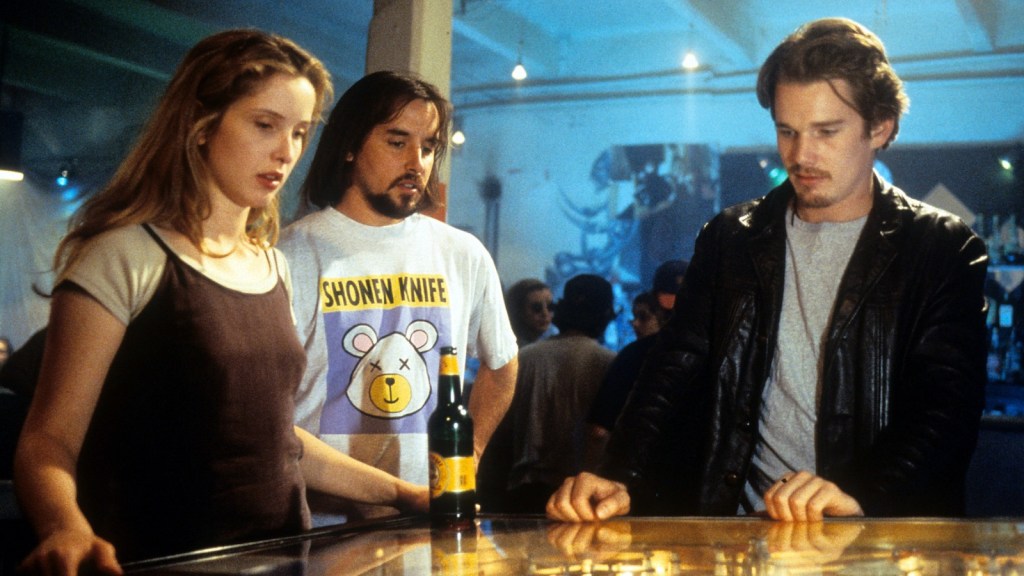
Richard Linklater, an acclaimed American director, is recognised for his distinctive filmmaking style that explores naturalistic dialogue, time, and existential themes. He is perhaps best known for his “Before” trilogy (Before Sunrise, Before Sunset, and Before Midnight) and his groundbreaking film, Boyhood. His distinct ability to craft realistic and intimate stories has greatly impacted the American independent film scene, marking him as one of its pivotal figures.
Born in Houston, Texas, Linklater spent his early years working on offshore oil rigs in the Gulf of Mexico—a far cry from the world of cinema. However, his love for movies eventually led him to form the Austin Film Society and embark on a career in filmmaking. His first notable success, Slacker (1991), marked the start of a new wave of independent films known as ‘slacker cinema’. This debut highlighted his talent for innovative narrative structures and capturing the essence of a generation.
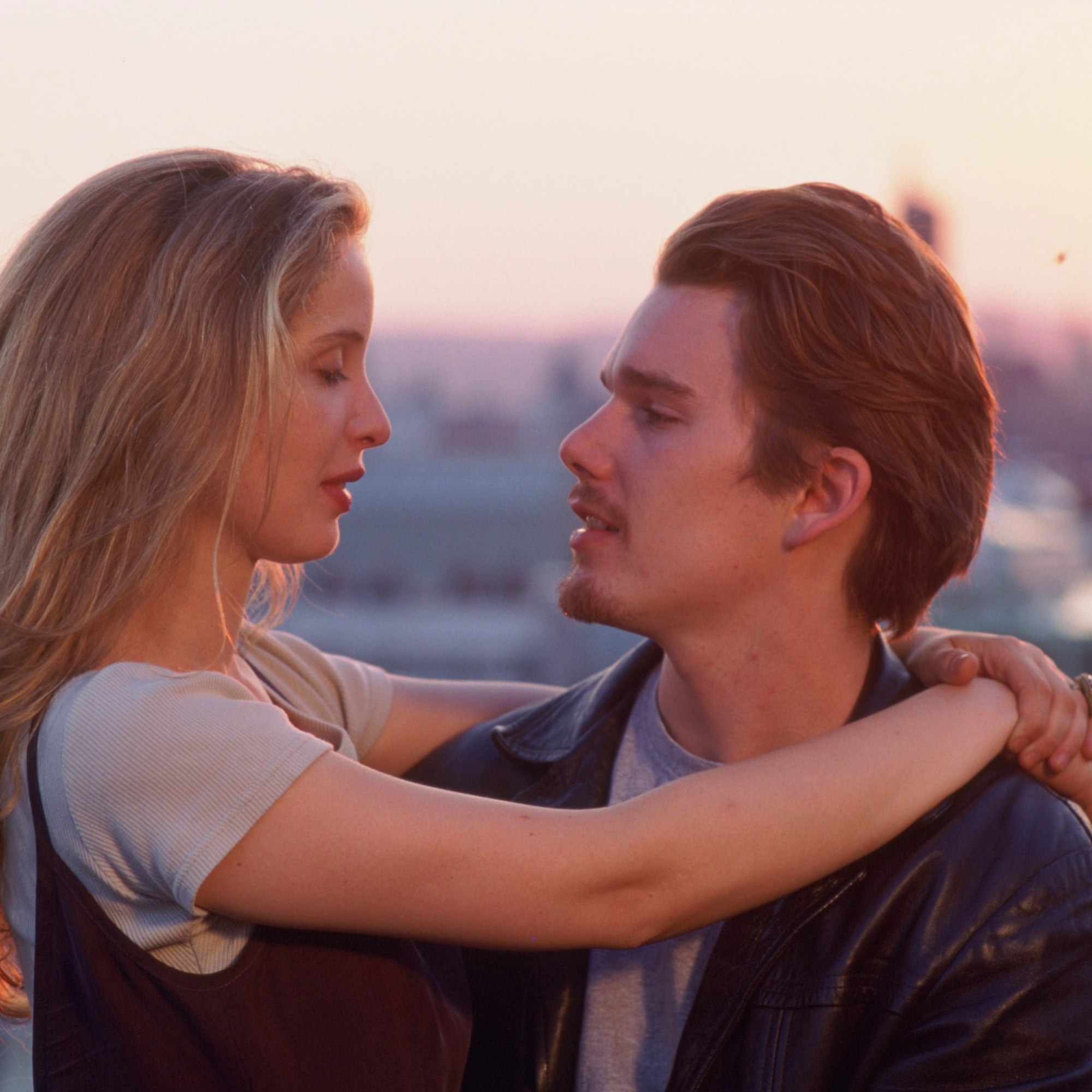
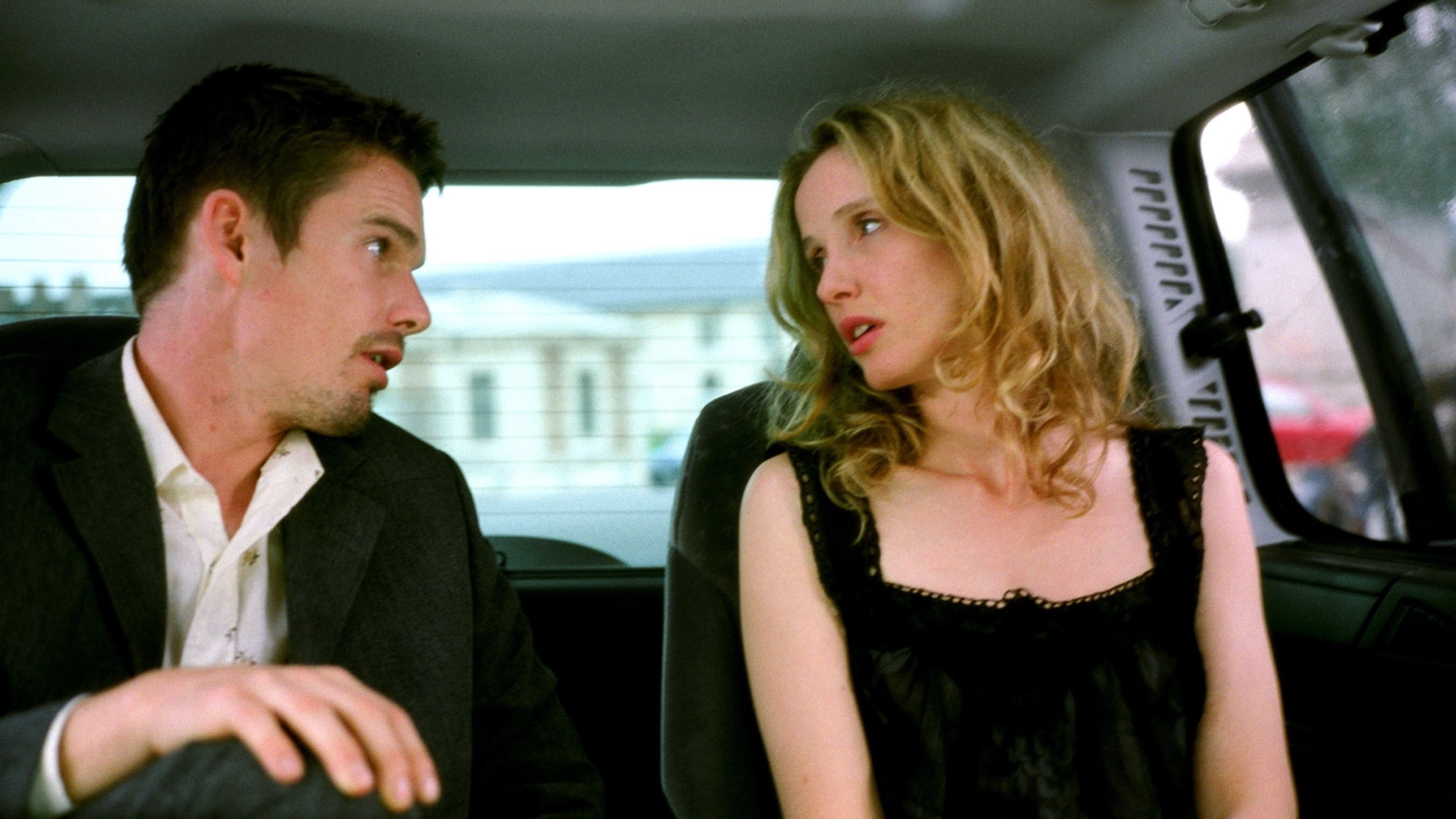
One of the key hallmarks of Linklater’s style is his focus on naturalistic dialogue and character interaction. This is especially evident in his “Before” trilogy, where the primary action consists of characters engaging in extended conversations. These seemingly simple interactions create a sense of realism and intimacy, often leading to complex explorations of relationships and the human condition.
“Most of us are losers most of the time, if you think about it.”
Linklater’s unique approach to exploring time in his films sets him apart from many of his contemporaries. His innovative use of real-time passage, notably in Boyhood, a project filmed over 12 years with the same cast, delivers an authentic portrayal of growth and change. This focus on temporality is further complemented by his use of innovative techniques like rotoscope animation in Waking Life and A Scanner Darkly, which allow for a surreal, dreamlike exploration of philosophical themes.
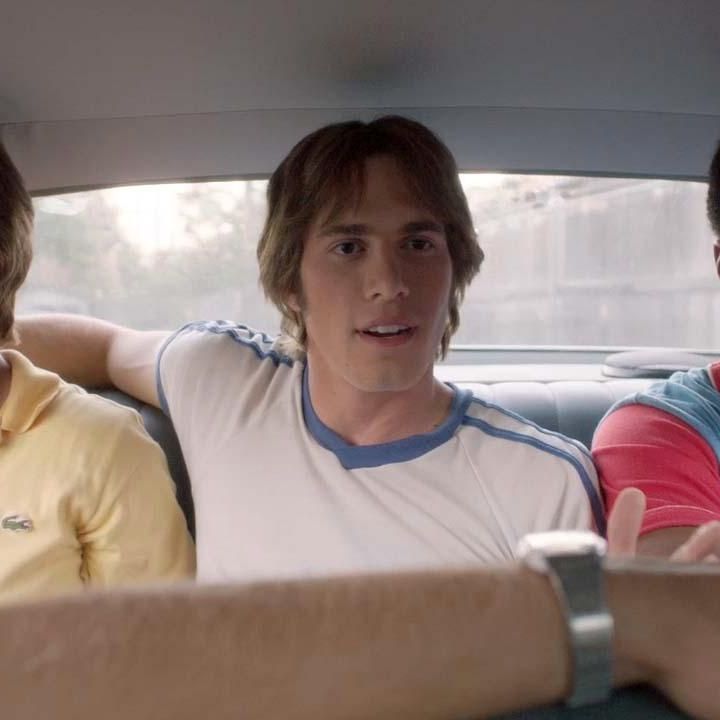
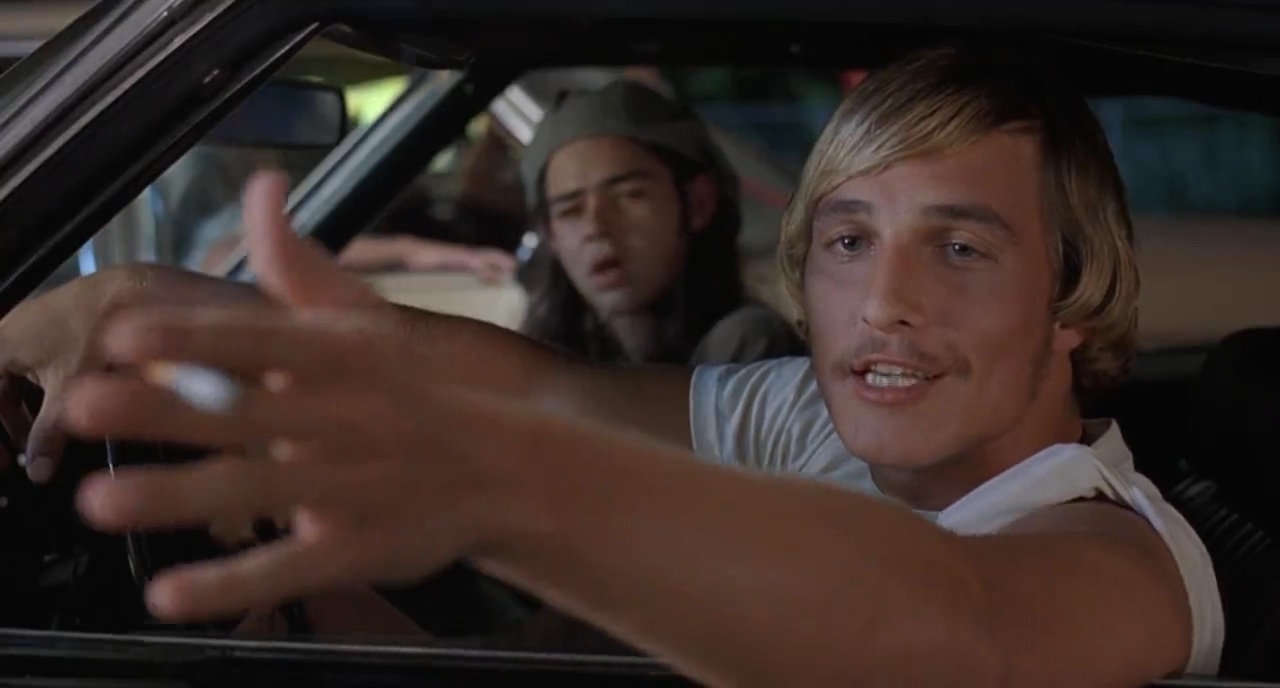
Thematic explorations of existentialism and nostalgia frequently emerge in Linklater’s works. Films like Dazed and Confused and Everybody Wants Some!! take a nostalgic look at bygone eras, exploring the existential and philosophical questions that arise from these reflections. Furthermore, Linklater’s collaborative approach to filmmaking, often involving working with a recurring cast and encouraging improvisation, contributes to creating organic and realistic characters and dialogue.
Despite working on larger-budget projects, Linklater has managed to maintain an indie ethos throughout his career. His persistent challenge of conventional Hollywood narrative and production norms has made him a pivotal figure in American independent cinema. With his exploration of time, narrative, and authentic character development, Linklater’s innovative filmmaking continues to resonate with audiences worldwide, solidifying his legacy as one of the most influential contemporary American directors.
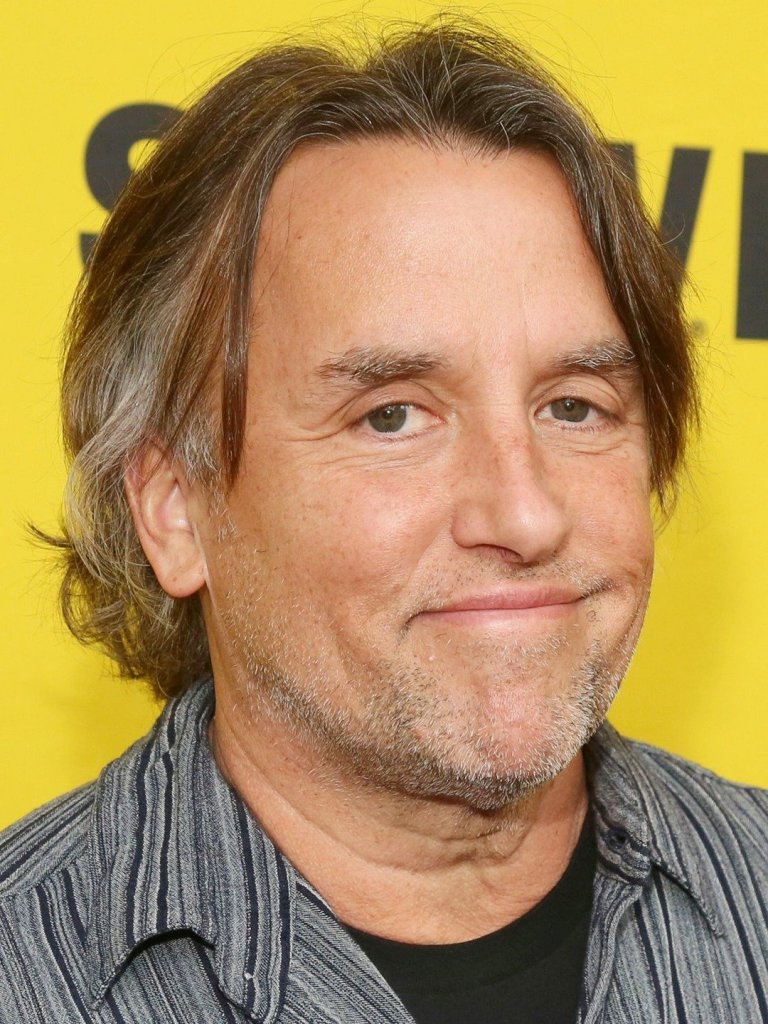
Richard Linklater (1960 – -)
Calculated Films:
- Dazed and Confused (1993)
- Before Sunrise (1995)
- Waking Life (2001)
- School of Rock (2003)
- Before Sunset (2004)
- Before Midnight (2013)
- Boyhood (2014)
Similar Filmmakers
- Alexander Payne
- Andrew Bujalski
- Cameron Crowe
- Coen Brothers
- David O. Russell
- Eric Rohmer
- Gus Van Sant
- Jason Reitman
- Jim Jarmusch
- Kevin Smith
- Mike Mills
- Noah Baumbach
- Quentin Tarantino
- Robert Altman
- Sofia Coppola
- Steven Soderbergh
- Todd Solondz
- Whit Stillman

Richard Linklater’s Top 10 Films Ranked
1. Before Sunset (2004)
Genre: Romance, Drama, Slice of Life

2. Before Sunrise (1995)
Genre: Romance, Slice of Life

3. Boyhood (2014)
Genre: Coming-of-Age, Drama, Slice of Life, Family Drama

4. Before Midnight (2014)
Genre: Romance, Drama, Slice of Life

5. Waking Life (2001)
Genre: Computer Animation, Surrealism

6. Dazed and Confused (1993)
Genre: Teen Movie, Coming-of-Age, Comedy, Slice of Life

7. Slacker (1990)
Genre: Slice of Life

8. Tape (2001)
Genre: Drama

9. Everybody Wants Some (2016)
Genre: Comedy, Slice of Life

10. School of Rock (2003)
Genre: Music, Comedy

Richard Linklater: Themes and Style
Themes:
- Passage of Time and Aging: Linklater frequently explores the passage of time and its impact on characters, as seen in Boyhood, which was filmed over 12 years, capturing the growth of its protagonist in real-time.
- Everyday Life and Realism: Many of his films, such as Slacker and Dazed and Confused, focus on everyday life, celebrating the beauty in ordinary moments and conversations.
- Romance and Relationships: Linklater often delves into the complexities of romance and relationships. The Before trilogy (Before Sunrise, Before Sunset, Before Midnight) examines a couple’s evolving relationship over two decades.
- Search for Meaning: His characters frequently embark on a quest for personal meaning and self-discovery, as exemplified in Waking Life, where the protagonist explores philosophical and existential questions.
- Youth and Nostalgia: There’s a recurring focus on youth, nostalgia, and the transition to adulthood, with films like Everybody Wants Some!! capturing the spirit and challenges of young adulthood.
Styles:
- Naturalistic Dialogue: Linklater is known for his natural, conversational dialogue, which captures the essence of real-life speech, contributing to the authenticity of his characters and narratives.
- Minimalist Storytelling: He often employs a minimalist approach to storytelling, focusing on character development and dialogue over complex plots, as seen in the Before trilogy.
- Innovative Use of Time: Linklater experiments with the representation of time in film. Boyhood is a prime example, using the actual passage of time to tell its story.
- Rotoscope Animation: He has experimented with rotoscope animation to create a dreamlike quality, most notably in A Scanner Darkly and Waking Life, blending reality and animation.
- Linking Characters and Places: His films frequently interconnect multiple characters and stories, as in Slacker, to create a tapestry that captures the essence of a place or community.
Directorial Signature:
- Collaborative Script Development: Linklater often collaborates closely with his actors in developing the script, encouraging improvisation, which adds depth and authenticity to his characters, particularly evident in the Before trilogy.
- Focus on Character Rather Than Plot: His films prioritise character development over plot, often featuring plotless narratives that allow for a deeper exploration of character dynamics and themes.
- Experimentation with Film Form: He is not afraid to experiment with the form and structure of filmmaking, as shown by his use of long takes in Before Sunset and the unique filming process of Boyhood.
- Subtle Social Commentary: While his films are deeply personal and focused on individual experiences, they often include subtle social and cultural commentary, reflecting on broader societal issues.
- Intimacy and Empathy: Linklater’s approach often creates an intimate connection between the audience and characters, fostering a sense of empathy and understanding, as seen in his empathetic portrayal of adolescence in Dazed and Confused.
Richard Linklater: The 75th Greatest Director


 Bronze Screen Dream