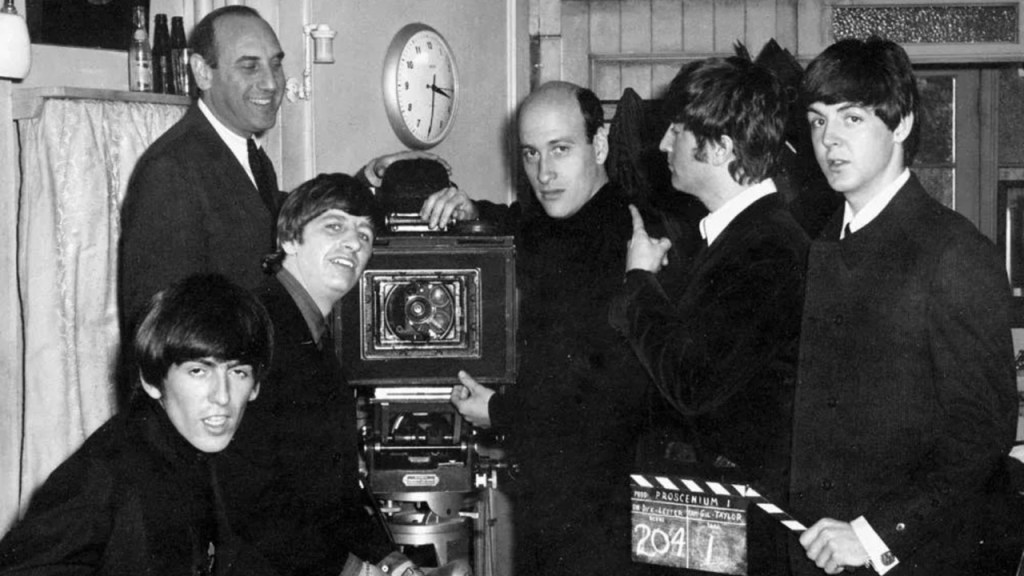
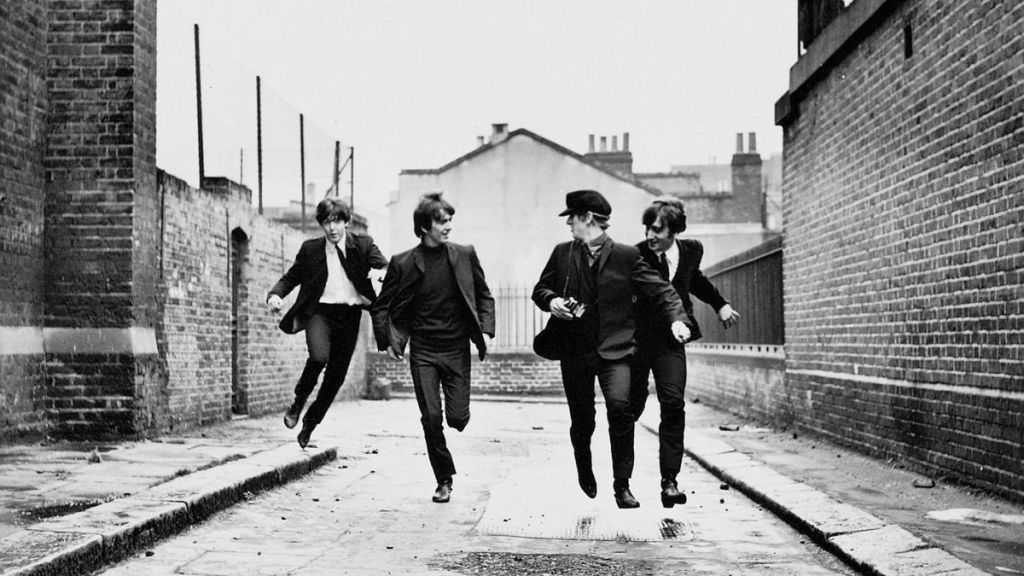
Richard Lester is an American film director renowned for his innovative and distinctive filmmaking style. He gained prominence in the 1960s, particularly for his work on the Beatles’ films A Hard Day’s Night and Help!. These films are celebrated for their quick-paced, whimsical style and were instrumental in the development of the music video format. Lester’s ability to blend comedy with a dynamic visual narrative set a new standard in film and had a lasting impact on the genre of musical comedy films.
Lester’s career is marked by a diverse range of themes and genres, yet a consistent thread in his work is his playful, often irreverent approach to storytelling. This is evident in his later films like The Three Musketeers and its sequel, The Four Musketeers, where he infused the historical adventure genre with a sense of humour and light-heartedness. His knack for subverting genre norms is also visible in Superman II and Superman III, where he brought a comedic touch to the superhero genre, a contrast to the more serious tone typical of such films at the time. His films often feature rapid cutting, quirky camera angles, and an innovative use of sound, all contributing to a unique cinematic experience.
Lester’s approach to filmmaking was not just limited to visual and narrative style; he also had a distinctive way of working with actors and scripts. He was known for encouraging improvisation among his actors, allowing for a more organic and spontaneous performance, which became a hallmark of his films. This approach is particularly notable in The Knack …and How to Get It, which showcased his ability to extract natural, engaging performances. Despite the varying genres and themes throughout his career, Lester’s films remain distinct for their energetic pacing, visual inventiveness, and playful yet insightful exploration of contemporary culture.
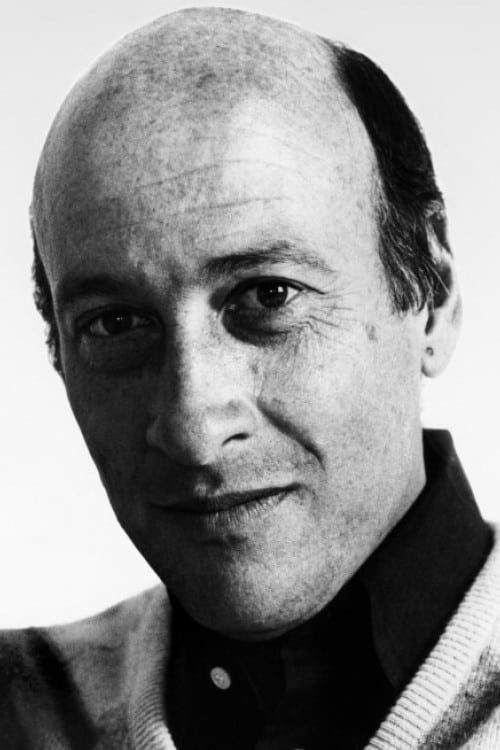
Richard Lester (1932 – -)
Calculated Films:
- A Hard Day’s Night (1964)
- Petulia (1968)
Similar Filmmakers
- Arthur Hiller
- Blake Edwards
- Clive Donner
- Francois Truffaut
- Frank Tashlin
- George Roy Hill
- Gerald Thomas
- Jerry Lewis
- John Schlesinger
- Lindsay Anderson
- Mel Brooks
- Norman Jewison
- Richard Donner
- Richard Quine
- Rob Reiner
- Robert Altman
- Stanley Donen
- Tony Richardson
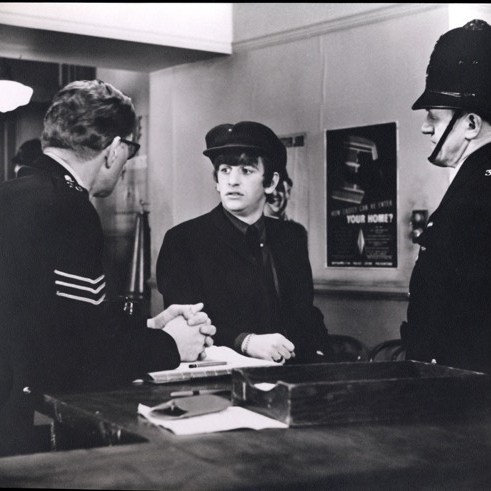


Richard Lester’s Top 5 Films Ranked
1. A Hard Day’s Night (1964)
Genre: Comedy, Musical, Music
2. Help! (1965)
Genre: Musical, Absurdist Comedy, Adventure

3. Petulia (1968)
Genre: Drama, Romance

4. The Three Musketeers (1973)
Genre: Swashbuckler, Comedy, Slapstick, Adventure

5. Juggernaut (1974)
Genre: Thriller, Disaster

Richard Lester: Themes and Style
Themes:
- Playful Subversion of Genre: Lester often infused a sense of playful subversion in his films, like in A Hard Day’s Night and The Three Musketeers, where he twisted conventional genre elements to create a unique, often comedic perspective.
- Anti-Establishment Sentiments: Many of Lester’s works, such as How I Won the War, display a strong anti-establishment tone, critiquing societal norms and authority figures through satire and irony.
- Focus on Youth Culture: Lester had a keen interest in exploring youth culture, which is evident in films like A Hard Day’s Night, showcasing the vibrancy, rebelliousness, and changing dynamics of young people in the 1960s.
- War and Its Absurdity: Films such as How I Won the War highlight Lester’s fascination with the absurdity of war, using dark humour and surreal storytelling to comment on the futility and chaos of military conflicts.
Styles:
- Innovative Visual Techniques: Lester’s style is marked by innovative visual techniques, such as quick cuts, handheld camera work, and creative use of graphics, as seen in The Knack …and How to Get It, giving his films a dynamic and modern feel.
- Blend of Comedy and Drama: He skillfully blended comedy with drama, using light-hearted moments to underscore serious themes, a technique evident in Robin and Marian, where humour and romance are intertwined with deeper historical context.
- Musical Influence: Reflecting his early work in music videos, Lester often incorporated musical elements into his films, like in A Hard Day’s Night, where music is not just a soundtrack but an integral part of the narrative and character development.
- Use of Satire and Irony: Lester frequently employed satire and irony in his storytelling, as seen in The Bed Sitting Room, using these elements to create a distinctive tone that both entertains and provokes thought.
Directorial Signature:
- Collaborative Approach with Actors: Lester was known for his collaborative approach with actors, often allowing them improvisational freedom, which brought a sense of authenticity and spontaneity to his films, as seen in The Three Musketeers.
- Juxtaposition of Realism and Fantasy: His films often juxtapose elements of realism with fantasy or surrealism, creating a unique narrative style that blurs the lines between reality and imagination, as in The Bed Sitting Room.
- Focus on Ensemble Casts: Lester frequently worked with ensemble casts, skillfully managing multiple characters and storylines to create a cohesive narrative, a trait evident in The Three Musketeers.
- Thematic Continuity: Despite the variety in his filmography, Lester maintained a thematic continuity, often revisiting themes of authority, individualism, and the human condition, creating a distinct and recognisable directorial voice throughout his career.
Richard Lester – Great Director

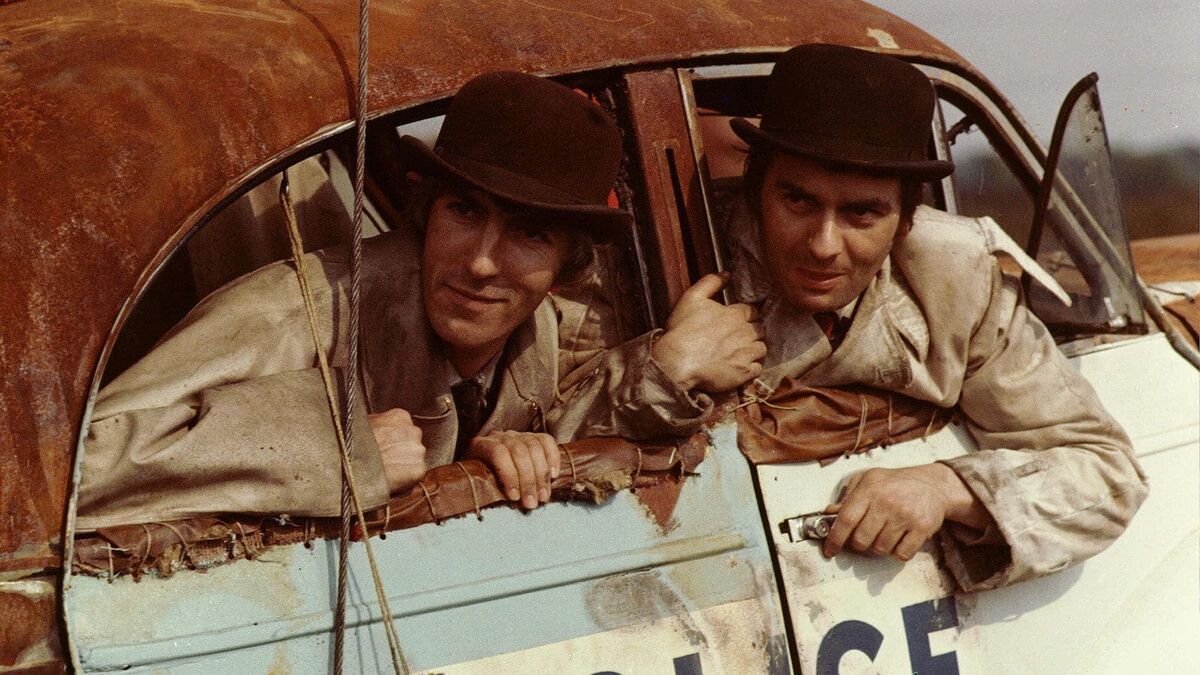


 Bronze Screen Dream