

Richard Brooks was an American film director acclaimed for his work on powerful, socially-conscious films. Best known for tackling significant social issues and moral dilemmas within his narratives, Brooks directed and wrote films such as In Cold Blood, Elmer Gantry, and Cat on a Hot Tin Roof. These works resonated with audiences for their gritty realism and ethical complexity, rendering Brooks a vital figure in mid-20th-century cinema.
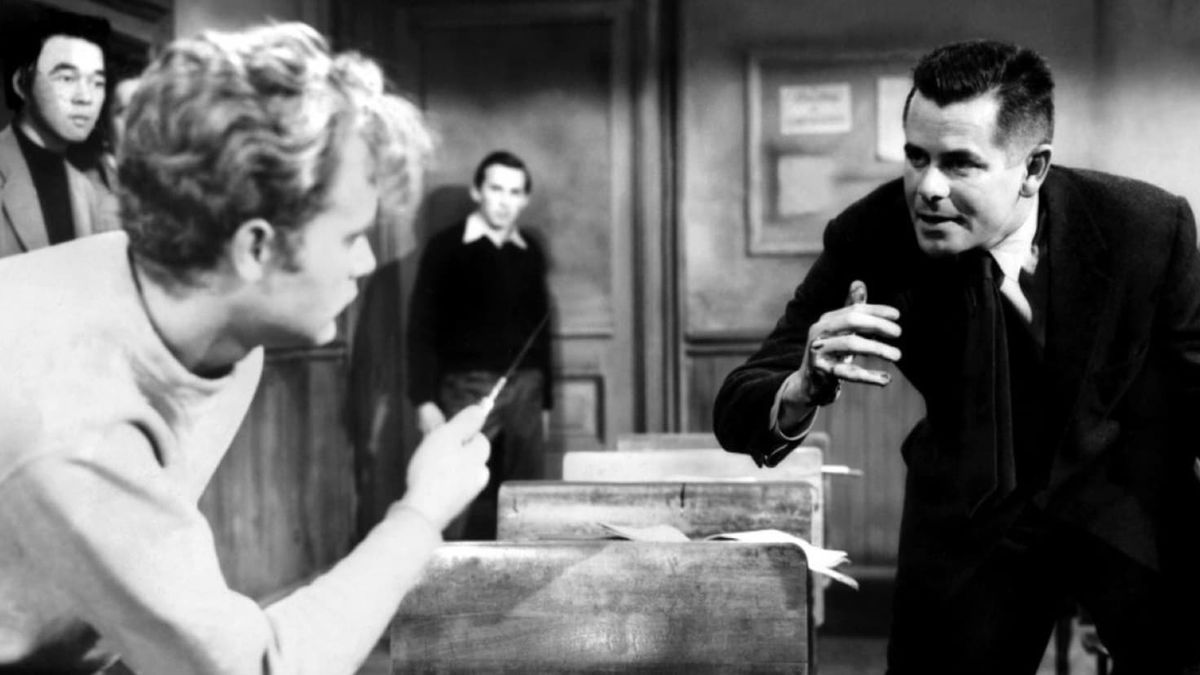
Brooks’s filmography is remarkable for its exploration of human imperfections and the moral ambiguity of society. Themes like hypocrisy, disillusionment, and societal tension recur in his films, often woven with a psychological depth that adds layers to the characters and story. In Elmer Gantry, Brooks delves into religious fanaticism and the human tendency to exploit faith, while Blackboard Jungle examines the struggles of urban education and youth rebellion. His visual style is characterised by an unembellished realism, employing naturalistic performances and on-location shooting that immerses viewers into the story’s world. He sought to challenge his audiences intellectually, engaging them in critical thinking rather than providing easy answers.
Brooks’s relentless commitment to humanism and his unflinching examination of societal concerns set him apart. His willingness to challenge norms and taboos, such as the depiction of sexuality in Cat on a Hot Tin Roof or the raw portrayal of crime in In Cold Blood, marked a turning point in cinematic storytelling. Brooks’s influence on cinema can be observed in how his works paved the way for a more daring, truthful approach to storytelling.
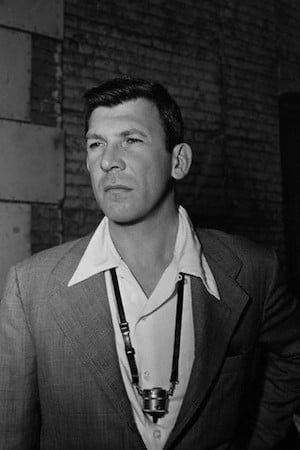
Richard Brooks (1912 – 1992)
Calculated Films:
- Cat on a Hot Tin Roof (1958)
- Elmer Gantry (1960)
- In Cold Blood (1967)
Similar Filmmakers
- Mark Robson
- Martin Ritt
- Nicholas Ray
- Norman Jewison
- Otto Preminger
- Ralph Nelson
- Robert Aldrich
- Robert Mulligan
- Robert Wise
- Sidney Lumet
- Stanley Kramer
- Stuart Rosenberg
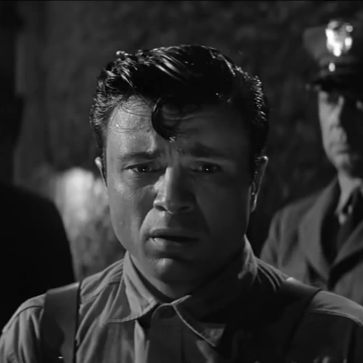


Richard Brooks’s Top 5 Films Ranked
1. In Cold Blood (1967)
Genre: Crime, Drama, Road Movie, Neo-Noir

2. Elmer Gantry (1960)
Genre: Drama, Satire

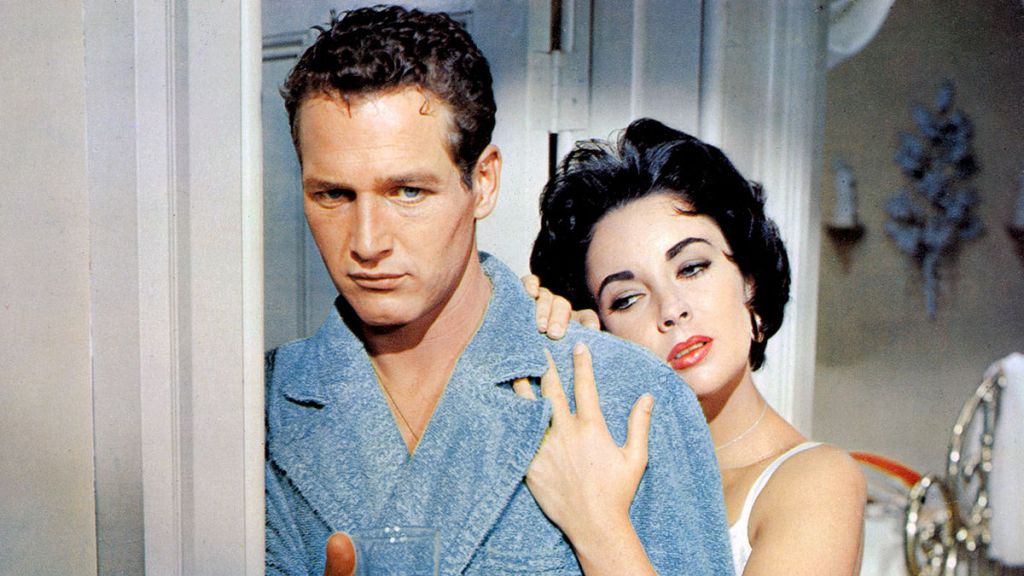
3. Cat on a Hot Tin Roof (1958)
Genre: Melodrama, Family Drama, Southern Gothic
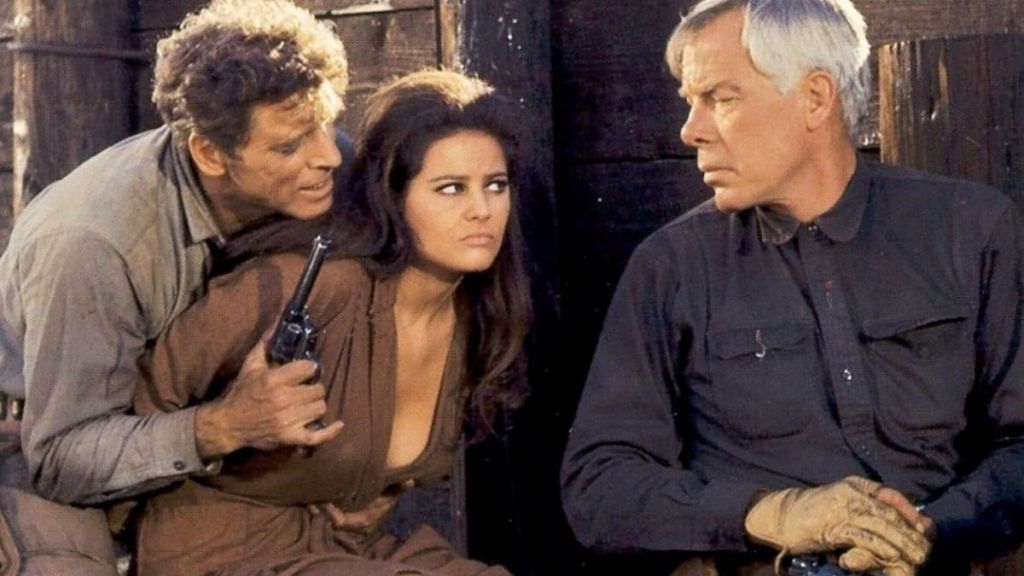
4. The Professionals (1966)
Genre: Western, Adventure
5. Looking for Mr Goodbar (1977)
Genre: Drama

Richard Brooks: Themes and Style
Themes:
- Social Consciousness: Brooks frequently addressed pressing societal issues through his films, incorporating themes of racism, morality, and justice, which were pivotal during his time. He wasn’t afraid to tackle controversial subjects, often sparking debates and discussions among audiences and critics.
- Human Nature & Morality: His films explored the nuances of human nature, morality, and the grey areas of ethical considerations. Characters in Brooks’s films are often placed in morally ambiguous situations, forcing them to grapple with challenging decisions.
- Literary Adaptations: Brooks had a penchant for adapting literary works into films, translating complex narratives and themes from text to screen.
- War & Conflict: He often depicted the psychological and physical impacts of war and conflict on individuals and communities, revealing the devastating effects and moral dilemmas associated with them.
Styles:
- Visual Realism: Brooks utilised a realist aesthetic to create a more immersive experience for audiences. His approach to cinematography was grounded, offering an authentic representation of characters and environments.
- Nuanced Storytelling: Brooks’s storytelling was layered and subtle, with multifaceted characters and plots that required audience engagement and reflection. His films avoided simplistic narratives, instead opting for more complex, thought-provoking storylines.
- Dramatic Intensity: He masterfully built tension and drama in his films through careful pacing, dialogue, and visual composition. The dramatic intensity in his works is often highlighted by powerful performances, which he elicited from his actors.
Directorial Signature:
- Adaptation Mastery: As a director, Brooks exhibited a unique talent for adapting novels into films, understanding how to translate the essence and intricacies of a text into visual storytelling. This is evident in his works like Elmer Gantry and In Cold Blood.
- Character Depth: Brooks paid careful attention to character development, creating individuals who were deeply human, complex, and morally conflicted. He invested time in building characters that were not just essential to the plot but also reflective of broader societal themes and issues.
Richard Brooks – Great Director

 Bronze Screen Dream