
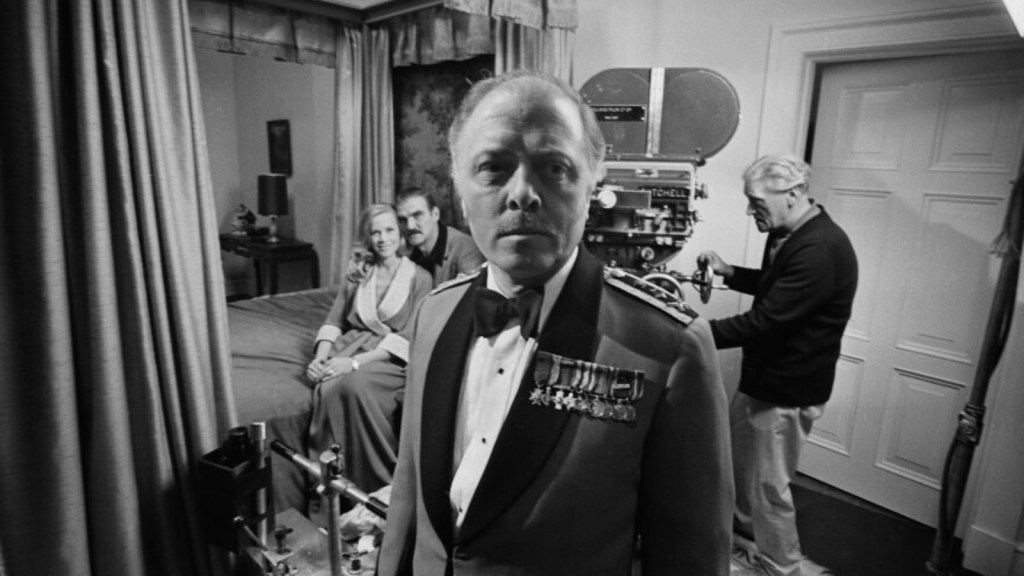
Richard Attenborough was a British film director, producer, and actor acclaimed for his compelling and socially conscious films. His directorial prowess shone through in works like Gandhi and Cry Freedom, which not only garnered critical acclaim but also left a lasting impact on audiences worldwide. Attenborough’s films were often noted for their biographical nature, delving deep into the lives and struggles of historical figures, and he had a knack for translating complex characters and situations onto the silver screen with empathy and depth.
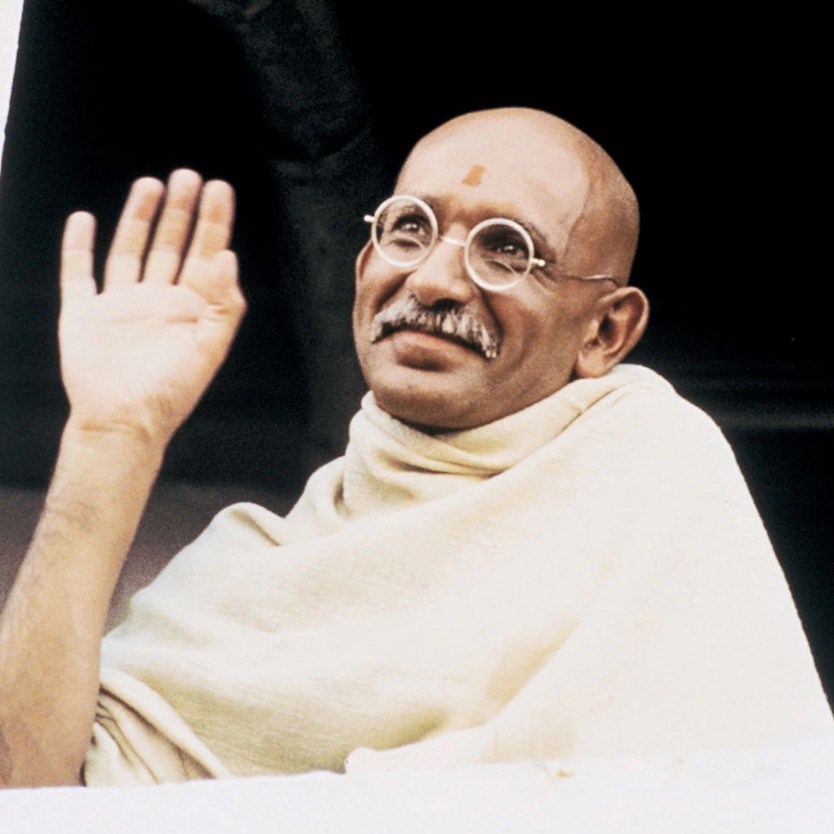
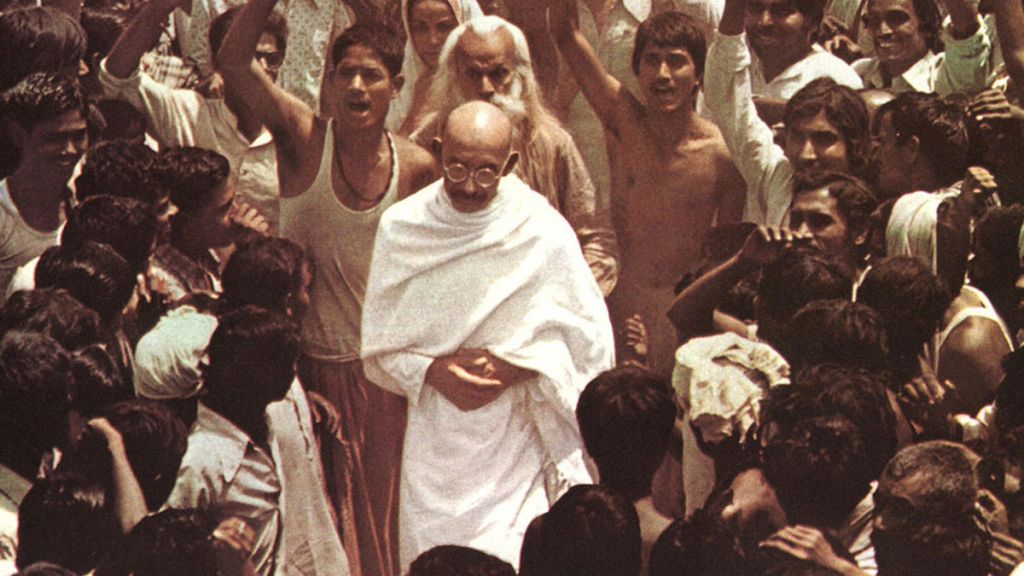
Attenborough’s career was marked by a focus on humanistic themes and a commitment to tackling social and political issues. His films often explored the lives of influential figures, as seen in Gandhi, which portrayed the life of Mahatma Gandhi and his non-violent struggle for India’s independence. This film, in particular, exemplified Attenborough’s ability to weave intricate historical details into a compelling narrative, bringing to life the complexities of his subjects. His visual style was characterised by sweeping cinematography and meticulous attention to historical accuracy, which helped immerse the audience in the story. Similarly, in Cry Freedom, he highlighted the anti-apartheid struggle in South Africa, showcasing his dedication to shedding light on significant social issues.
Attenborough’s films frequently humanised larger-than-life figures, making their stories accessible and relatable. His approach often involved extensive research and a commitment to authenticity, which resonated with audiences and critics alike. His films did not shy away from depicting the harsh realities of the subjects he chose, yet they were infused with a sense of hope and the resilience of the human spirit. This combination of realism and optimism became a hallmark of his work.

Richard Attenborough (1923 – 2014)
Calculated Films:
- A Bridge Too Far (1977)
- Gandhi (1982)
Similar Filmmakers
- Alan Parker
- Anthony Minghella
- David Lean
- Fred Zinnemann
- J. Lee Thompson
- Jack Gold
- James Ivory
- John Boorman
- John Huston
- John Schlesinger
- Ken Russell
- Peter Glenville
- Peter Weir
- Roman Polanski
- Roland Joffe
- Ron Howard
- Stanley Kubrick
- Steven Spielberg

Richard Attenborough’s Top 5 Films Ranked
1. Gandhi (1982)
Genre: Biographical, Period Drama, Epic
2. Shadowlands (1993)
Genre: Biographical, Romance

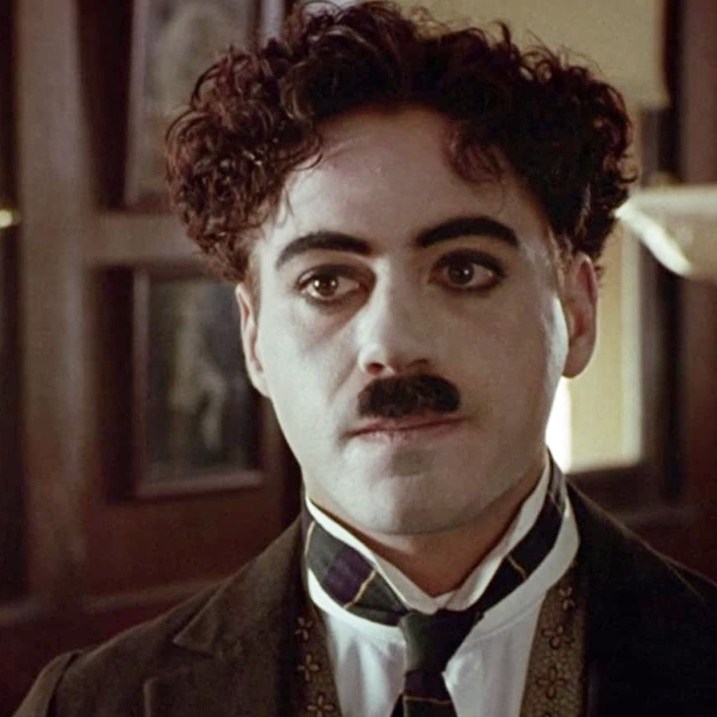
3. Chaplin (1992)
Genre: Biographical

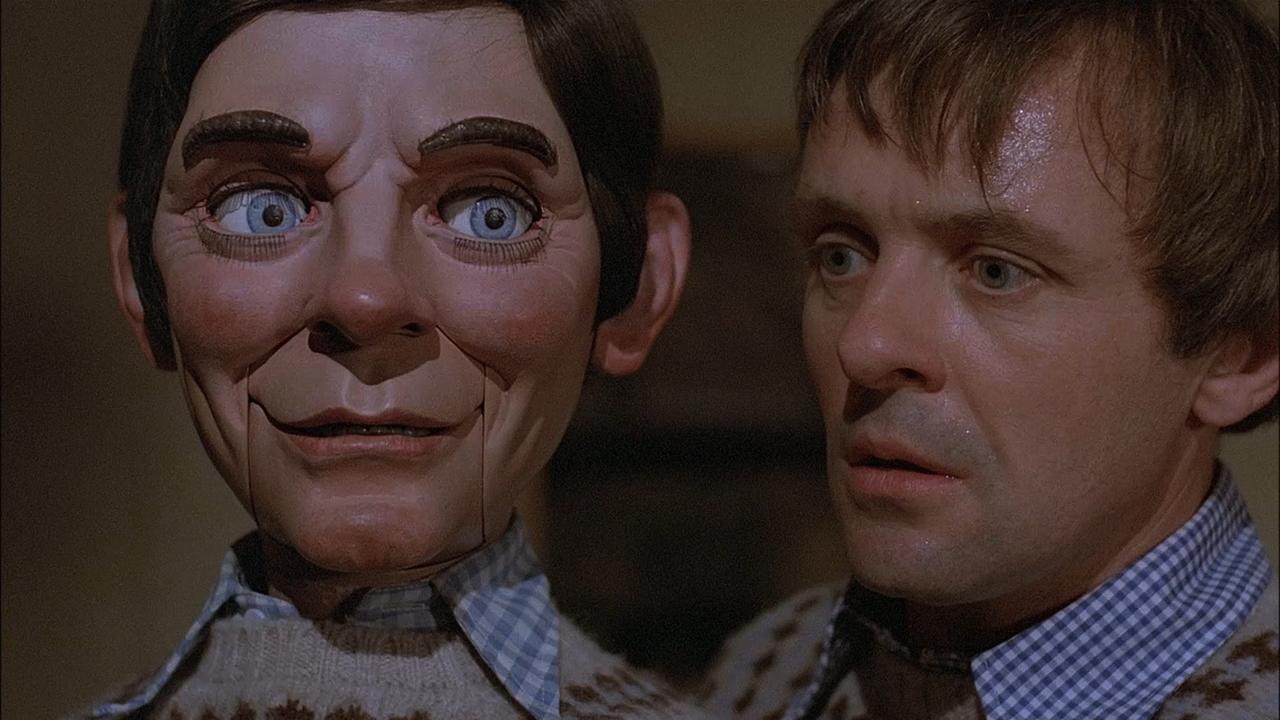
4. Magic (1978)
Genre: Psychological Thriller, Psychological Horror, Drama

5. Oh! What A Lovely War (1969)
Genre: Musical, War, Satire

Richard Attenborough: Themes and Style
Themes:
- Biographical and Historical Narratives: Attenborough often delved into biographical stories, focusing on historical figures and events. His film Gandhi is a prime example, offering a deep exploration of the life and impact of Mahatma Gandhi.
- Human Rights and Social Justice: Many of his films, like Cry Freedom and A Bridge Too Far, address themes of social justice, human rights, and the fight against oppression, reflecting his commitment to these issues.
- War and Its Aftermath: Attenborough frequently explored the impact of war on individuals and society. Oh! What a Lovely War and A Bridge Too Far illustrate the futility and devastation wrought by war.
- Artistic and Creative Passions: He often showcased characters with deep artistic or creative passions, as seen in Chaplin, which focuses on the life and career of Charlie Chaplin, highlighting his artistic genius and personal struggles.
- The Complexity of Leadership: Attenborough’s films frequently explore the complexities and moral dilemmas of leadership, as depicted in Gandhi and Young Winston, showcasing the challenges faced by leaders in different historical contexts.
Styles:
- Epic Storytelling: Attenborough’s style is marked by his penchant for epic storytelling, with a focus on grand narratives and intricate historical details, as evidenced in Gandhi.
- Ensemble Casts: He often employed ensemble casts, bringing together numerous prominent actors to create a rich tapestry of characters, a technique seen in A Bridge Too Far.
- Authentic Period Detail: His films are noted for their meticulous attention to period detail, from costumes to settings, ensuring historical accuracy and authenticity, as in Chaplin.
- Dynamic Cinematography: Attenborough used dynamic and expressive cinematography to enhance the narrative impact, employing sweeping shots and intricate camera movements to capture the scale and emotion of his stories.
- Emotional Depth: His films often delve deeply into the emotional and psychological complexities of characters, creating engaging and humanised portrayals of historical figures.
Directorial Signature:
- Passion for Storytelling: Attenborough’s passion for telling meaningful stories is evident in all his works, often choosing projects that have a strong social or historical significance.
- Collaboration with Actors: Known for his collaborative approach, Attenborough worked closely with actors to draw out deep, nuanced performances, contributing to the memorable character portrayals in his films.
- Focus on Character Development: He placed great emphasis on character development, ensuring that even in grand historical narratives, the individual journeys of characters were given depth and attention.
- Balancing Scope with Intimacy: Attenborough mastered the art of balancing epic scope with intimate character studies, ensuring that his films, while grand, remained grounded in human experience.
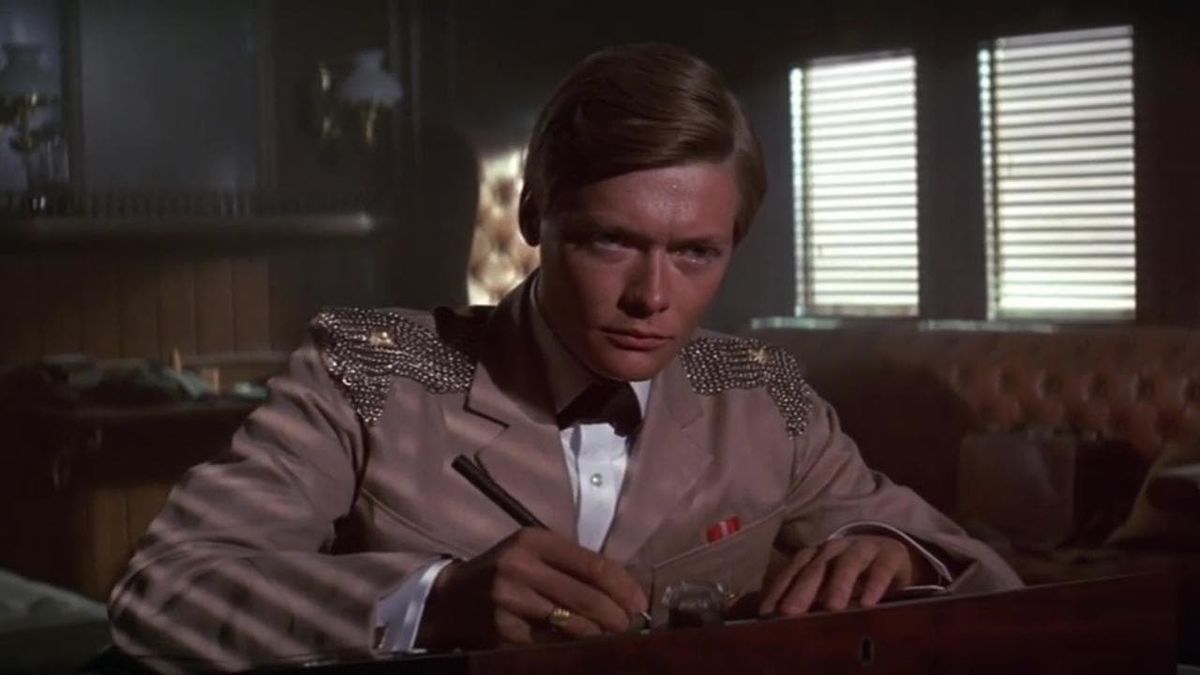
Richard Attenborough – Great Director


 Bronze Screen Dream