
René Clair was a French filmmaker recognised for his innovative contributions to both silent and early sound cinema. His distinctive blend of surrealism, wit, and social satire are signature elements of classics such as A Nous la Liberté, The Italian Straw Hat, and Le Million. Clair’s insightful exploration of sound and visual relationships, along with his comedic flair, have made him a seminal figure in the history of French cinema.
Clair’s films revolve around the juxtaposition of the old and the new, often imbued with a playful critique of societal norms and conventions. He was fascinated with the impact of modernity on human society, frequently portrayed through characters ensnared in the cogs of a rapidly industrialising world, as seen in A Nous la Liberté. Moreover, his approach to filmmaking was marked by a strong sense of rhythm and timing, transforming everyday occurrences into comedic scenarios. This quality makes his films stand out, as he masterfully interweaves sound, music, and visual elements to create a unique cinematic experience.
Clair’s work is visually characterised by his inventive use of mise-en-scène and distinctive visual humour that often complements the film’s narrative. This can be seen in The Italian Straw Hat, where the visual comedy is central to the film’s humour. His early embrace and innovative use of sound, especially the creative interplay between sound and image in films like Le Million, was groundbreaking at the time and continues to influence filmmakers. Clair’s cinema, marked by a balance of visual innovation and narrative simplicity, has profoundly impacted comedic and sound filmmaking.
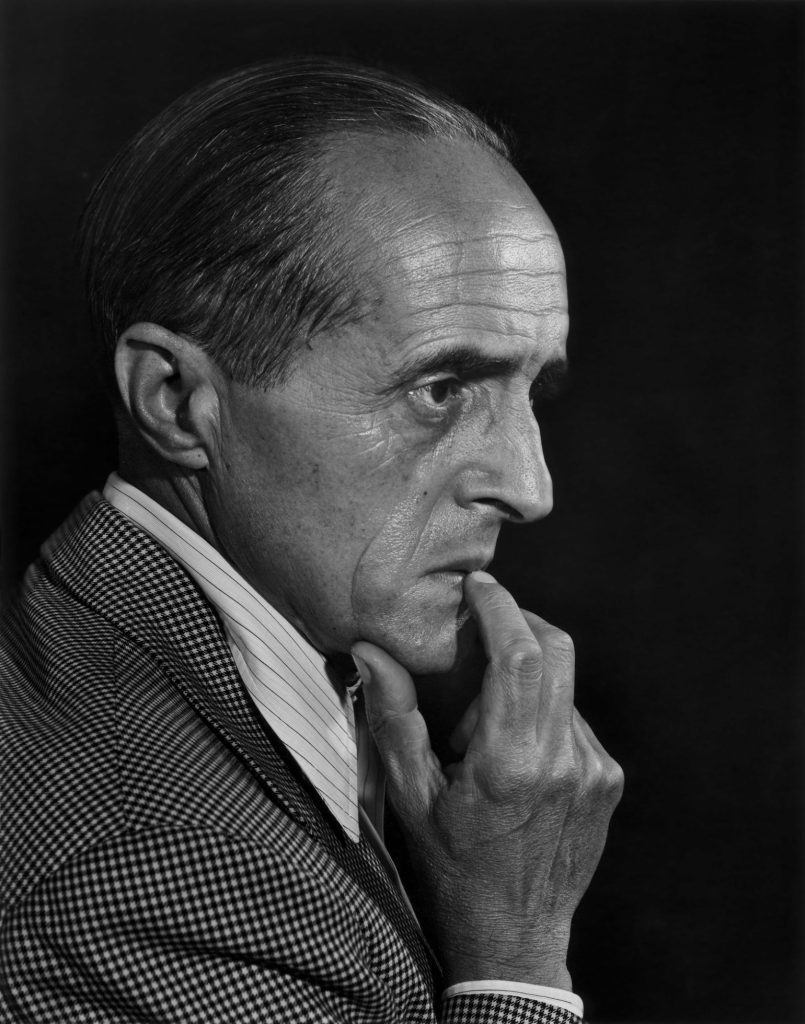
Rene Clair (1898 – 1981)
Calculated Films:
- Entr’acte (1924)
- The Italian Straw Hat (1927)
- Under The Roofs Of Paris (1930)
- Le Million (1931)
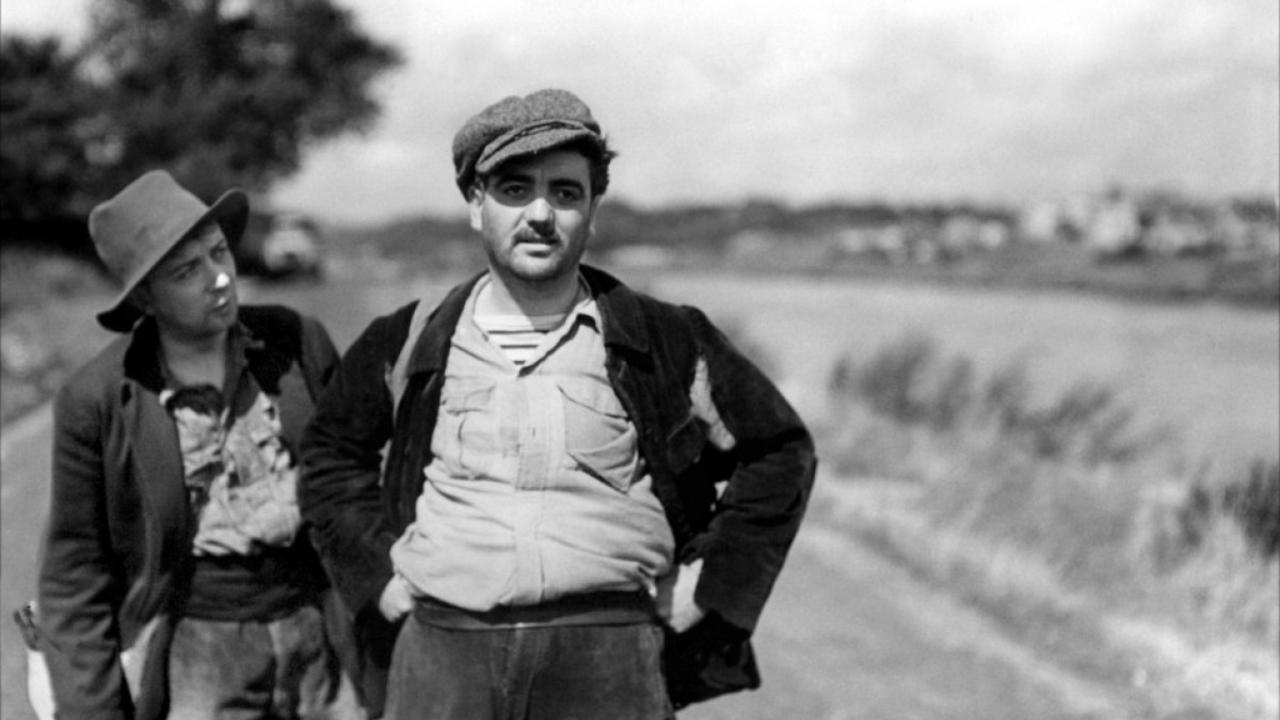
- A Nous La Liberte (1931)
Similar Filmmakers

Rene Clair’s Top 5 Films Ranked
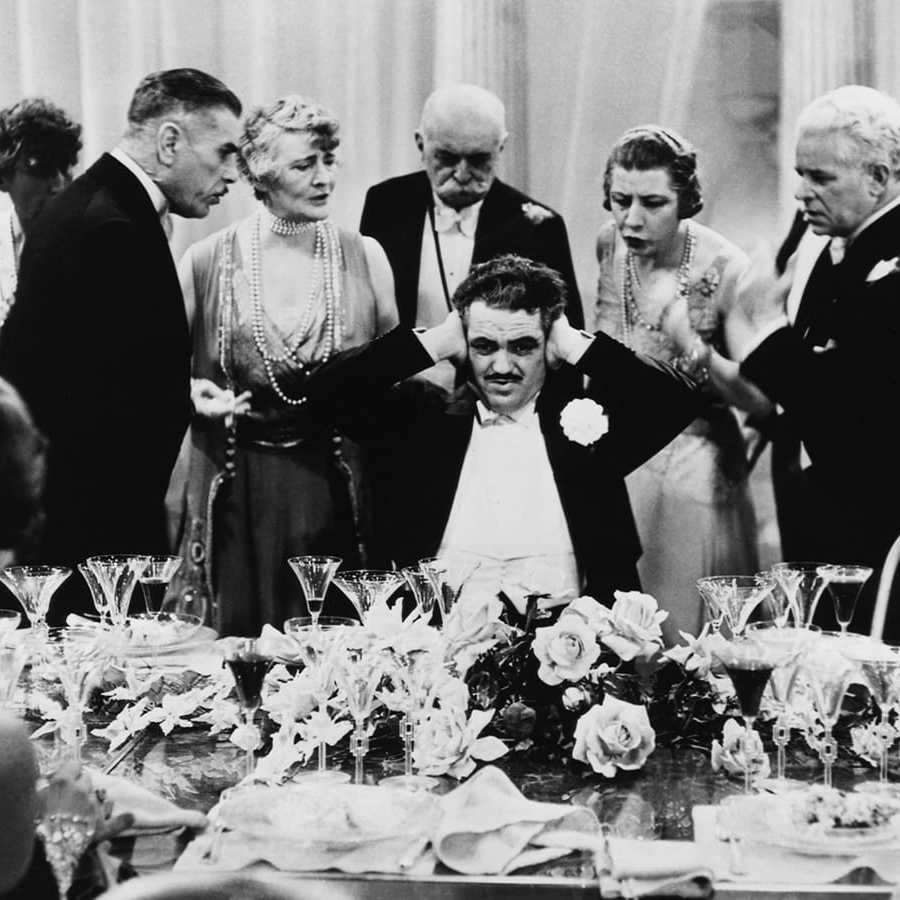
1. Le Million (1931)
Genre: Comedy, Musical

2. A Nous La Liberte (1931)
Genre: Comedy, Satire, Buddy, Poetic Realism, Musical

3. Entr’acte (1924)
Genre: Dada, Surrealist Movement
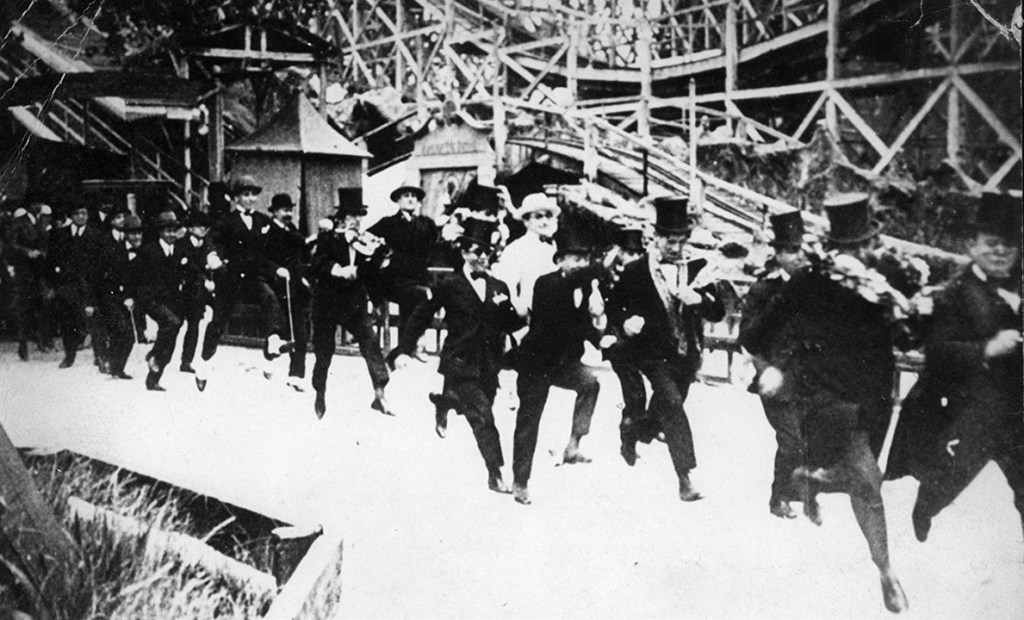
4. July 14 (1933)
Genre: Romantic Comedy, Poetic Realism
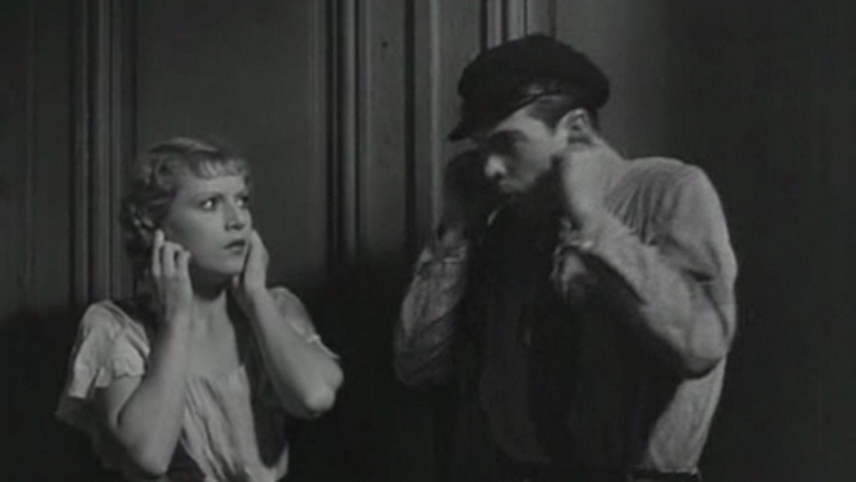
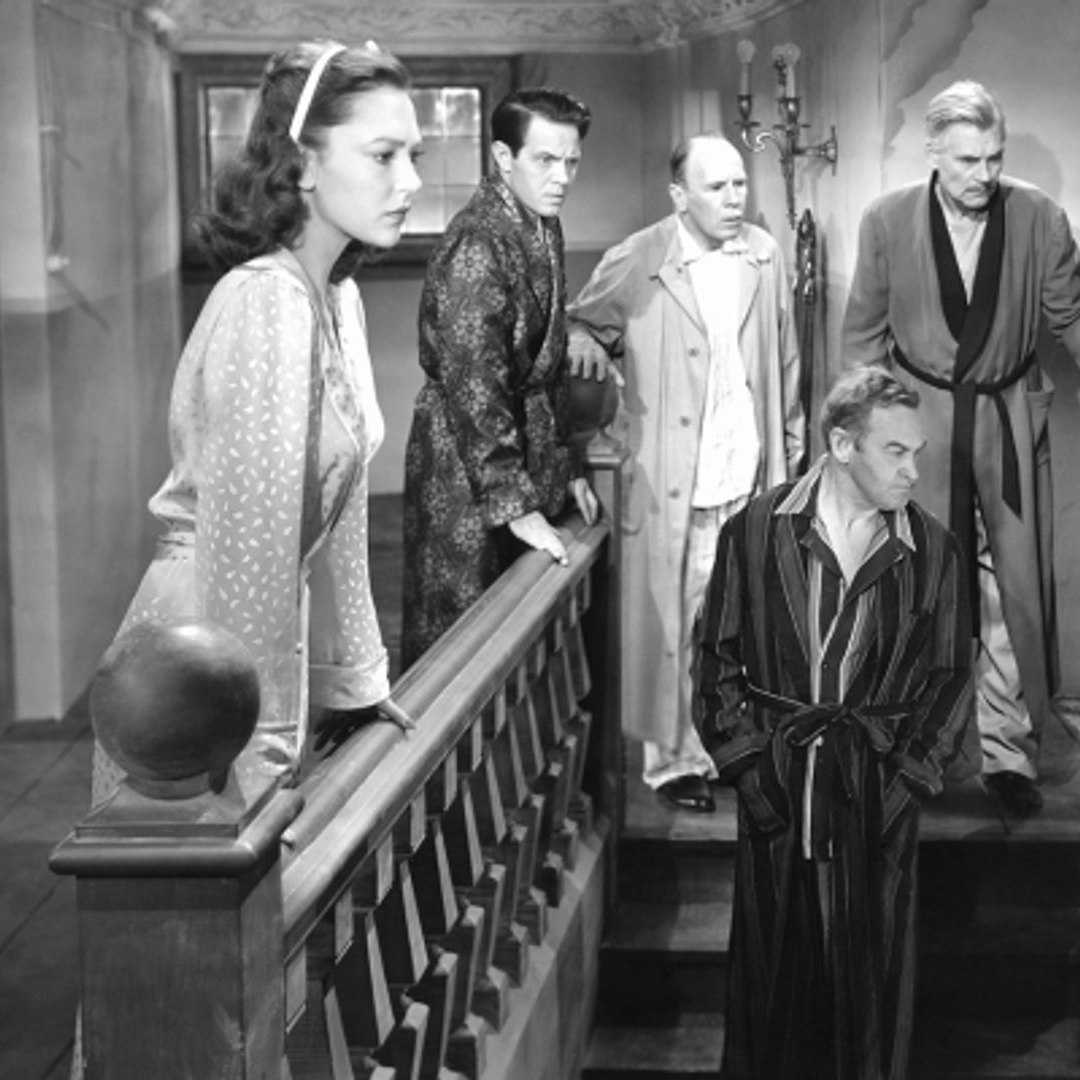
5. And Then There Were None (1945)
Genre: Whodunnit, Thriller

Rene Clair: Themes and Style
Themes:
- Urban Modernity and Machine Age: Clair often touched upon the transformation of society in the wake of urbanisation and mechanisation, as seen in films like À Nous la Liberté.
- Social Commentary: Many of Clair’s films critiqued societal norms, class differences, and human folly, often using satire and humour.
- The Supernatural: Clair occasionally delved into fantasy and the supernatural, as seen in I Married a Witch and It Happened Tomorrow.
- Romance and Relationships: Romantic entanglements and their complexities, often painted with comedic strokes, feature prominently in his works.
Styles:
- Melding of Genres: While primarily known for comedies, Clair’s films often blended drama, romance, and fantasy, creating a unique narrative tone.
- Visual Innovations: Clair was known for his innovative use of sound and graphical techniques, especially during the transition from silent films to talkies.
- Use of Music: Clair used music not just as an accompaniment but as a narrative tool. His film Under the Roofs of Paris is an excellent example of how music can be integrated into the story.
- Surreal Imagery: Inspired by the Dada and Surrealist movements, Clair occasionally used surreal sequences, such as the factory scenes in À Nous la Liberté.
Directorial Signature:
- Playful Narrative Structure: Clair’s films often played with time, reality, and narrative conventions, weaving unconventional and unexpected storylines.
- Light-hearted Satire: Even when dealing with serious subjects, Clair’s touch was light, and he approached themes with a sense of humour, making his films both thought-provoking and entertaining.
- Character-Driven Stories: Rather than relying heavily on plots, Clair’s films often revolved around well-developed characters, their quirks, and their interpersonal relationships.
- Stylised Performances: Actors in Clair’s films often delivered performances that were heightened and stylised, complementing the playful nature of his narratives.
Rene Clair: The 222nd Greatest Director

 Bronze Screen Dream