
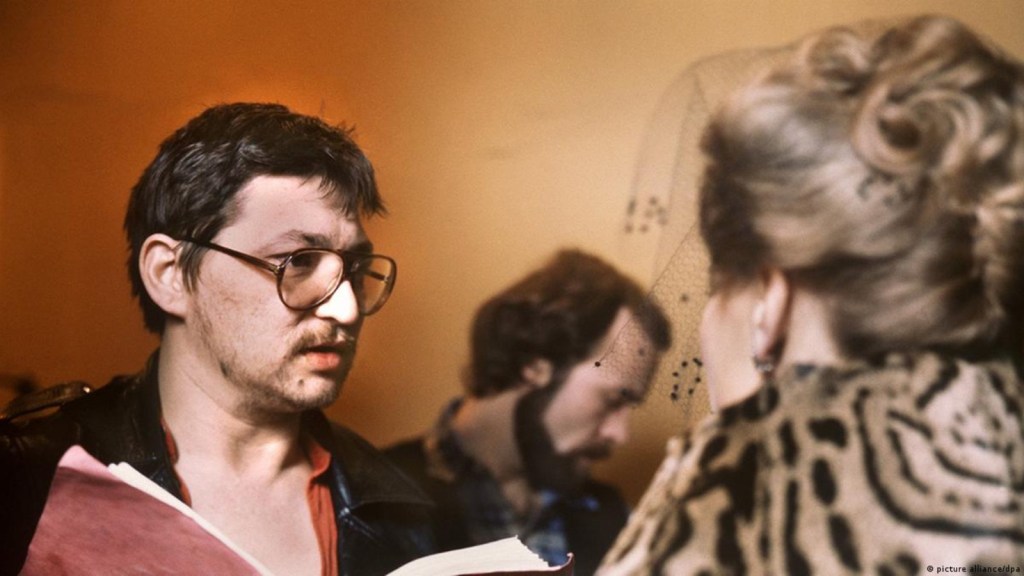
Rainer Werner Fassbinder, an icon of New German Cinema, is renowned for his provocative films that delved into the underbelly of post-World War II German society. Known for his distinctive visual style and controversial subject matter, Fassbinder’s work combined personal narratives with social critique, blurring the lines between the individual and the political. Despite his short life, he was remarkably prolific, directing over 40 films in 15 years, each encapsulating his biting social commentary, innovative cinematic techniques, and penchant for bending and blending genres.
Born in Bavaria, Fassbinder began his career in theatre before transitioning to cinema in the late 1960s. His theatre background greatly influenced his cinematic work, with his films often featuring intense performances, stylised set designs, and themes drawn from classic plays. A hallmark of his approach was his collaboration with a close-knit group of actors and technicians, including actress Hanna Schygulla, actor Ulli Lommel, and cinematographer Michael Ballhaus, which lent a sense of continuity and coherence to his body of work.
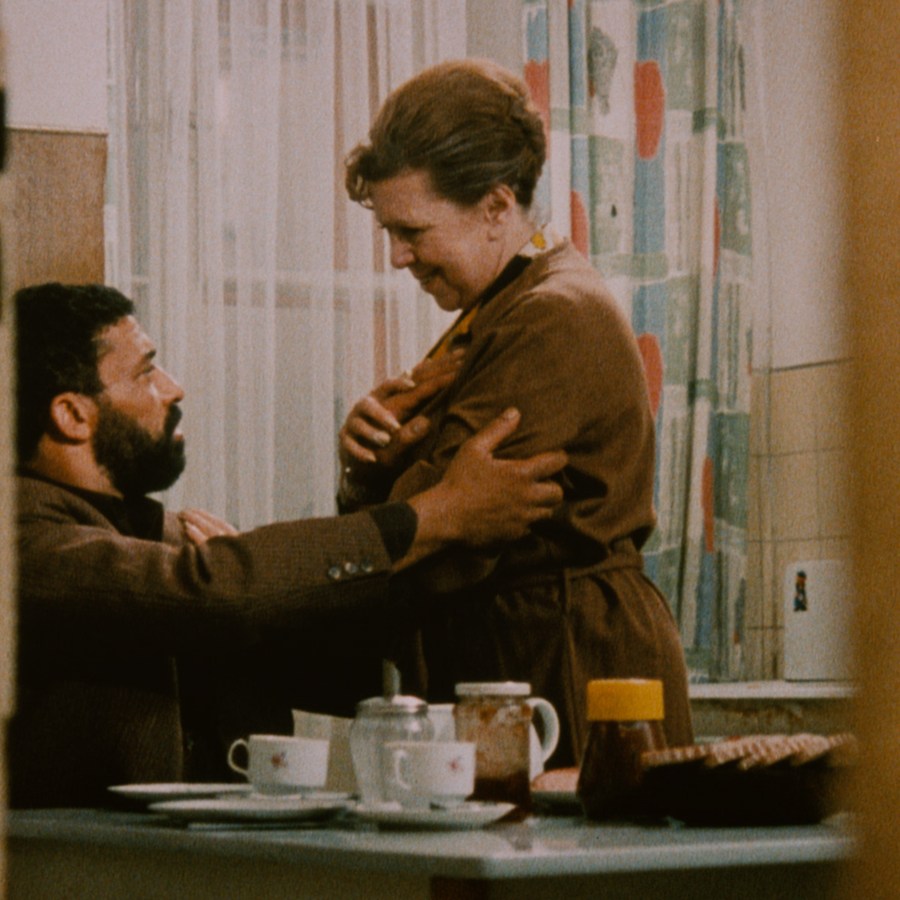
Fassbinder’s films frequently served as scathing critiques of German society, unflinchingly addressing issues such as racism, homophobia, and the lingering effects of fascism. For instance, his film Ali: Fear Eats the Soul explores an interracial relationship in a deeply prejudiced society, while The Marriage of Maria Braun interrogates the societal consequences of Germany’s post-war economic miracle. His films deftly juxtaposed the personal and the political, exploring how societal pressures shape individual lives and relationships.
The Enfant Terrible of New German Cinema
Stylistically, Fassbinder was known for his modernist reinterpretation of melodrama, often using it as a vehicle for social criticism. His unique visual style, characterised by carefully composed shots, bold colours, and mirrored surfaces, was a defining aspect of his work. Films like The Bitter Tears of Petra von Kant and Chinese Roulette showcase Fassbinder’s skilful use of colour and composition to underscore his characters’ power dynamics and emotional states.
Despite his films’ often bleak and controversial themes, Fassbinder’s work has a certain allure, marked by his melodramatic style, theatrical influences, and sharp social critique. His narrative style, often bending and blending genres, along with his exceptional output rate, established him as one of the most audacious and productive directors of his time.
Fassbinder’s influence extends well beyond German cinema. His work has inspired a wide range of filmmakers worldwide, from Todd Haynes and Pedro Almodóvar, who have drawn from his melodramatic style and social critique, to Quentin Tarantino, who has cited Fassbinder’s mastery of dialogue as a major influence. Despite his untimely death at age 37, Fassbinder’s legacy endures, his films continue to captivate audiences with their potent blend of social relevance, artistic vision, and unflinching honesty.

Rainer Werner Fassbinder (1945 – 1982)
Calculated Films:
- The Bitter Tears of Petra von Kant (1972)
- The World on a Wire (1973)
- Ali: Fear Eats The Soul (1974)
- Martha (1974)
- Fox and His Friends (1975)
- In a Year with 13 Moons (1978)
- The Marriage of Maria Braun (1979)
- Berlin Alexanderplatz(1980)
- Lola (1981)
- Veronika Voss (1982)
- Querelle (1982)
Similar Filmmakers
- Aki Kaurismaki
- Alexander Kluge
- Derek Jarman
- Douglas Sirk
- Edgar Reitz
- Gregg Araki
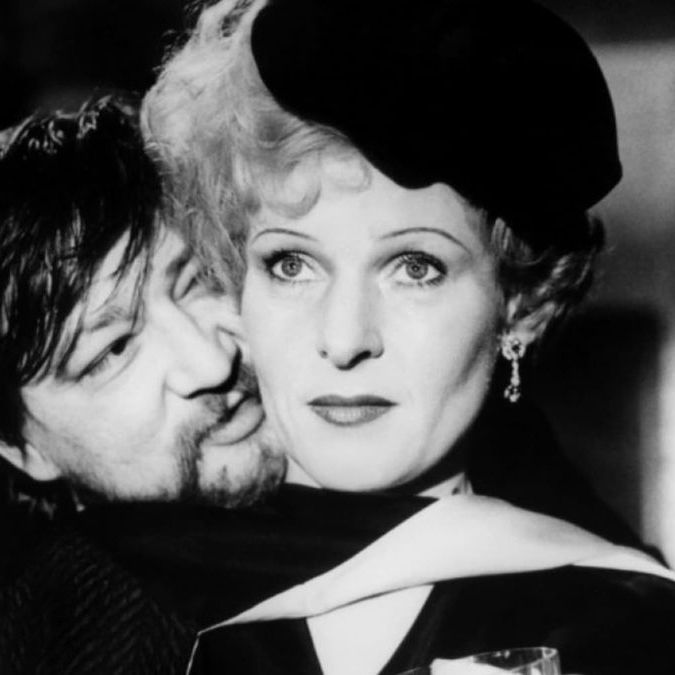

Rainer Werner Fassbinder’s Top 10 Films Ranked
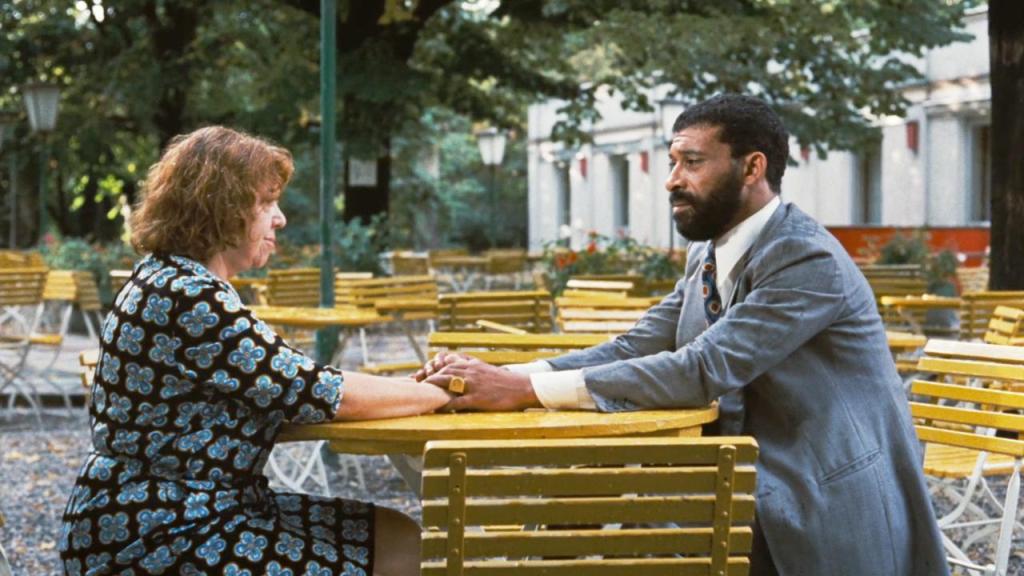
1. Ali: Fear Eats The Soul (1974)
Genre: Romance, Melodrama
2. The Marriage of Maria Braun (1979)
Genre: Melodrama, Period Drama

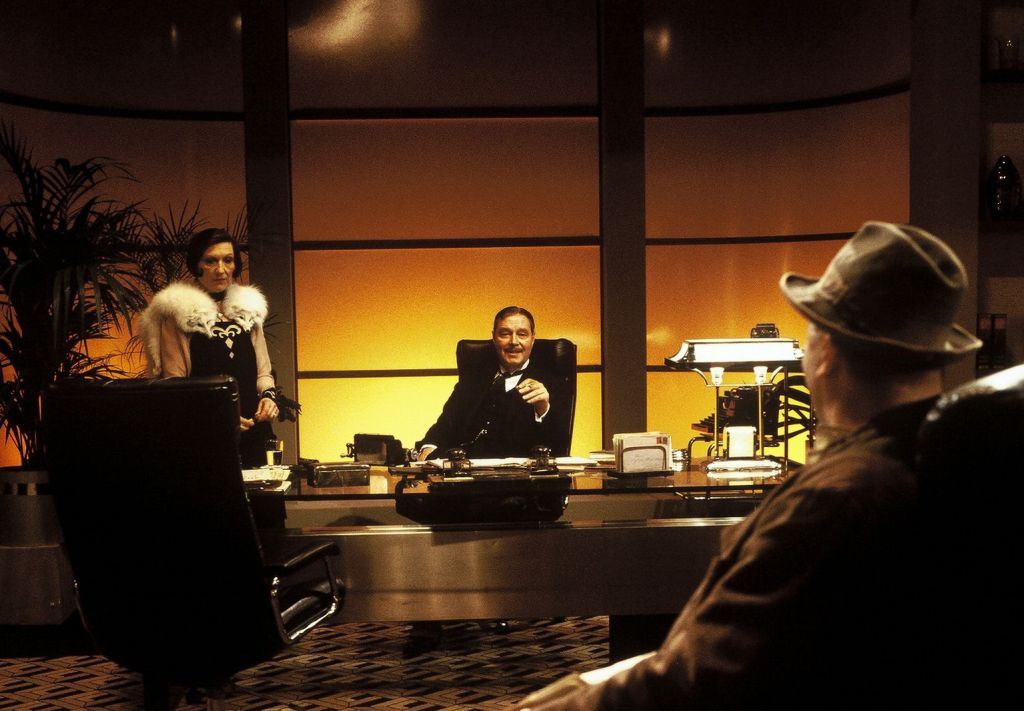
3. Veronika Voss (1982)
Genre: Melodrama, Psychological Drama

4. In A Year with 13 Moons (1978)
Genre: Melodrama, Psychological Drama

5. The Bitter Tears of Petra von Kant (1972)
Genre: Melodrama

6. World on a Wire (1973)
Genre: Psychological Drama, Mystery, Tech-Noir

7. Martha (1974)
Genre: Psychological Drama, Melodrama

8. Fox and His Friends (1975)
Genre: Melodrama
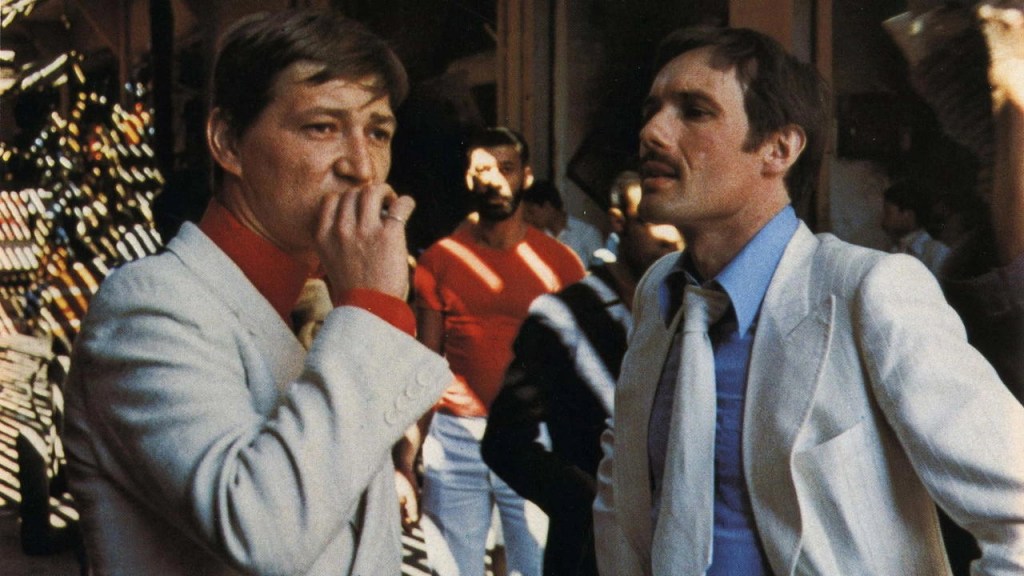
9. Berlin Alexanderplatz (1980)
Genre: TV, Crime, Drama
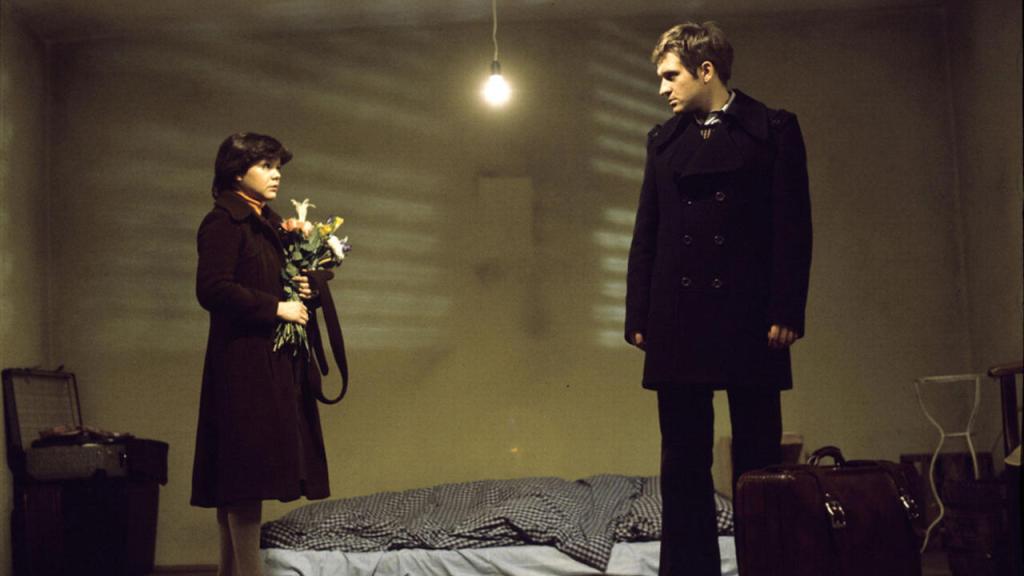
10. I Only Want You To Love Me (1976)
Genre: Psychological Drama
Rainer Werner Fassbinder: Themes and Style
Themes:
- Marginalised Individuals: Fassbinder frequently focused on the plights of the marginalised—prostitutes, immigrants, the elderly—portraying their struggles with society’s norms in films like Fear Eats the Soul.
- Societal Constraints and Liberation: His works often explore the tension between societal constraints and the quest for personal freedom, as seen in The Bitter Tears of Petra von Kant.
- Love and Power Dynamics: He dissected the complex dynamics of love and power, examining how these forces shape relationships, a central theme in Fox and His Friends.
- German Postwar Identity: Fassbinder delved into the German national psyche and the legacy of World War II, investigating the impact of the past on contemporary German identity in films such as The Marriage of Maria Braun.
- Sexuality and Gender Roles: His films frequently questioned traditional norms of sexuality and gender, challenging the audience to reconsider their own biases with movies like Querelle.
Styles:
- Theatrical Aesthetics: Fassbinder’s style was heavily influenced by his background in theatre, using stylised sets and lighting, as seen in Veronika Voss, to create a distinctive look.
- Melodrama and Realism: He mixed melodrama with stark realism. This style allowed for an emotional exploration of his character’s inner lives while also commenting on social issues, which is evident in Ali: Fear Eats the Soul.
- Long Takes and Stylised Composition: Fassbinder often employed long takes and meticulously composed shots, creating a sense of tension and claustrophobia, a technique used effectively in Berlin Alexanderplatz.
- Mirror and Window Motifs: The use of mirrors and windows was a recurring visual motif in his films, reflecting the internal states of characters and the external pressures they face, as showcased in The Bitter Tears of Petra von Kant.
- Saturated Colours and Contrast: His use of saturated colours and stark contrast helped to create a visually arresting and symbolic palette, which can be seen in the intense reds and blues in Martha.
Directorial Signature:
- Ensemble Casts: Fassbinder often worked with a repertoire of actors, creating a recognisable community within his films, such as Hanna Schygulla and Gottfried John, who appear in multiple works.
- Autobiographical Elements: Many of his films include autobiographical elements, with Fassbinder inserting his personal experiences and struggles into his narratives, giving films like Fox and His Friends a deeply personal touch.
- Controversial and Provocative: He was not afraid to provoke and challenge his audience, often addressing taboo subjects and portraying explicit content to force engagement with uncomfortable topics.
- Economy of Production: Fassbinder was known for his rapid working methods, often shooting with a tight budget and schedule, which resulted in a very prolific output of over 40 films in just 15 years.
- Cross-Media Exploration: His directorial approach was not limited to cinema; he explored television and theatre, which allowed him to experiment with different forms and narratives, influencing his cinematic work.
Rainer Werner Fassbinder: The 50th Greatest Director



 Bronze Screen Dream