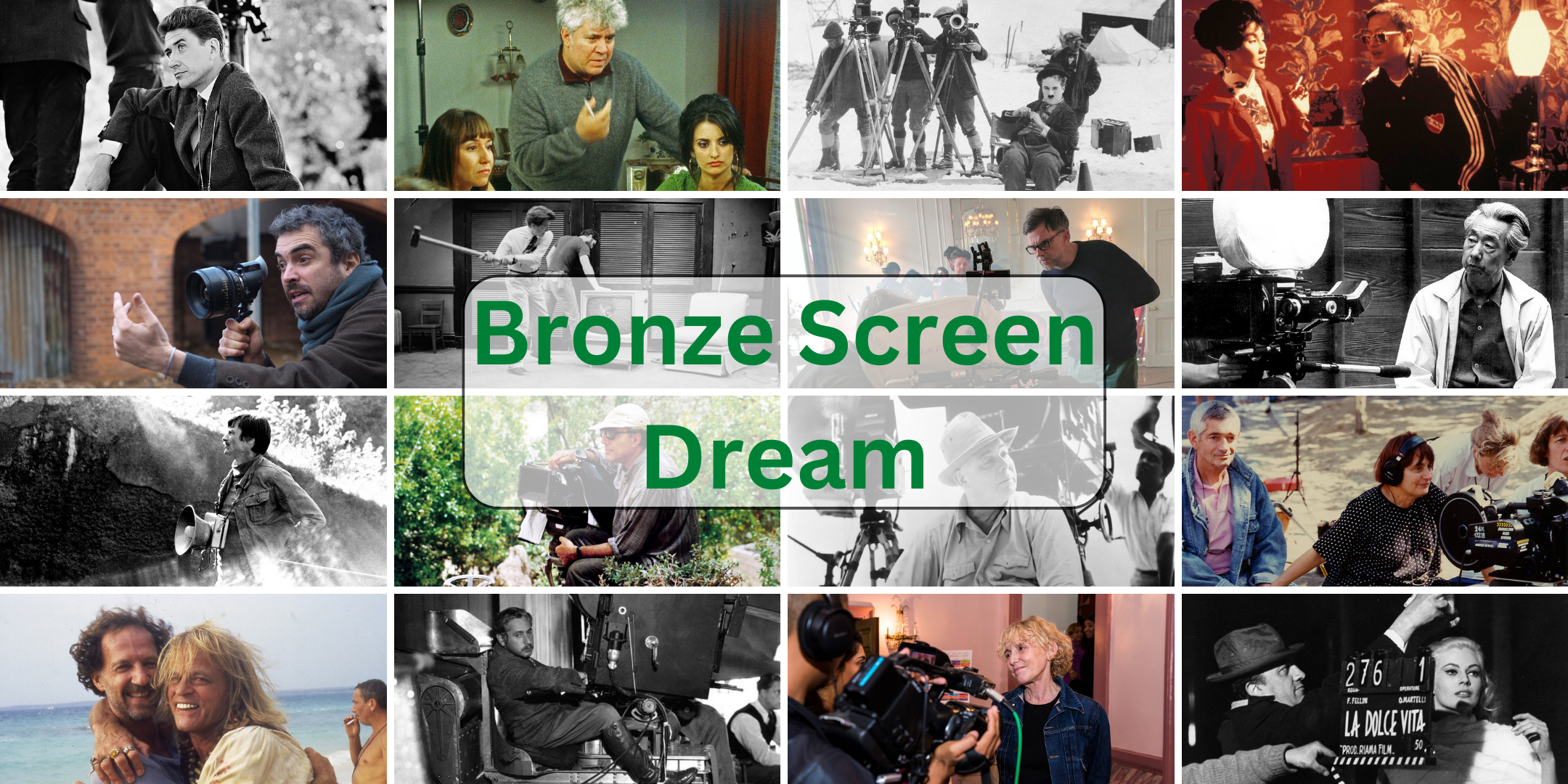
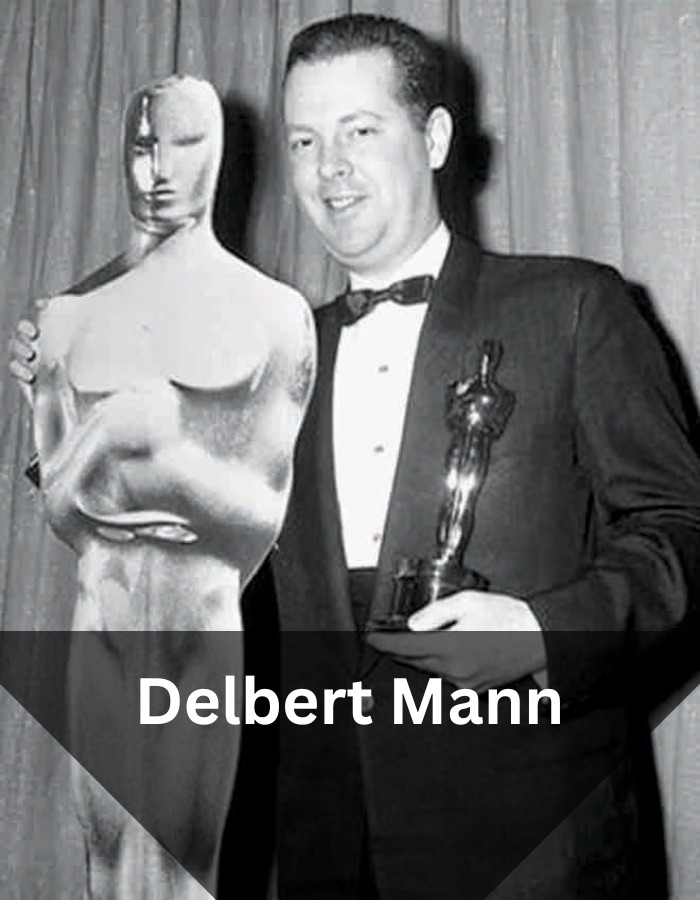
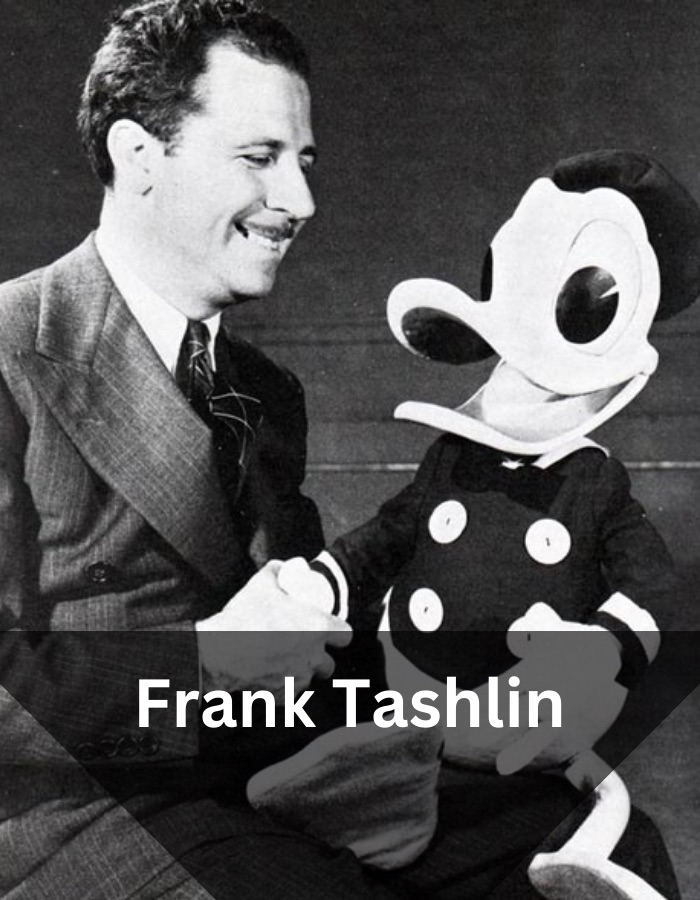
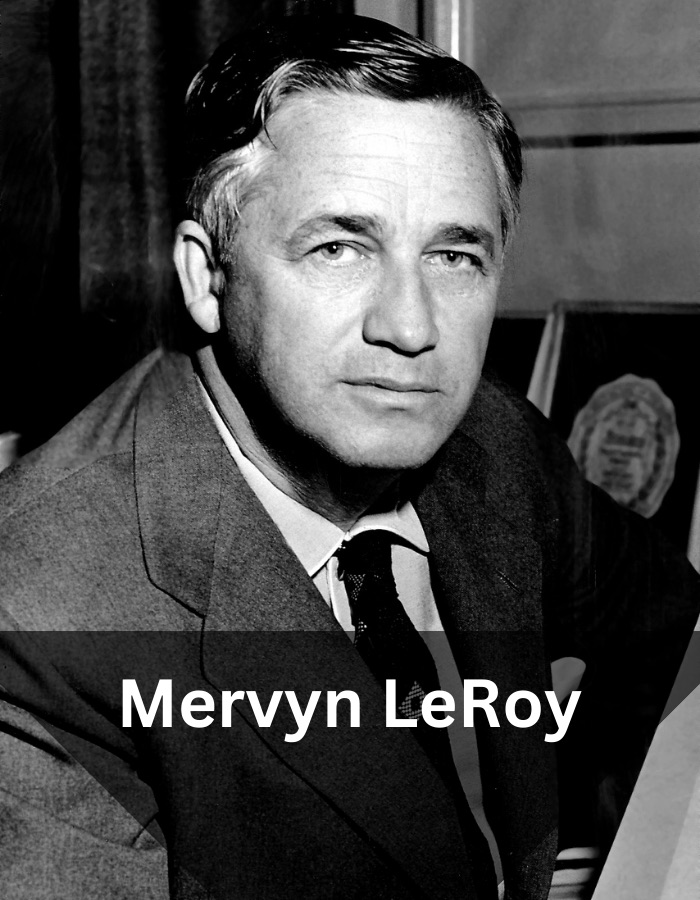
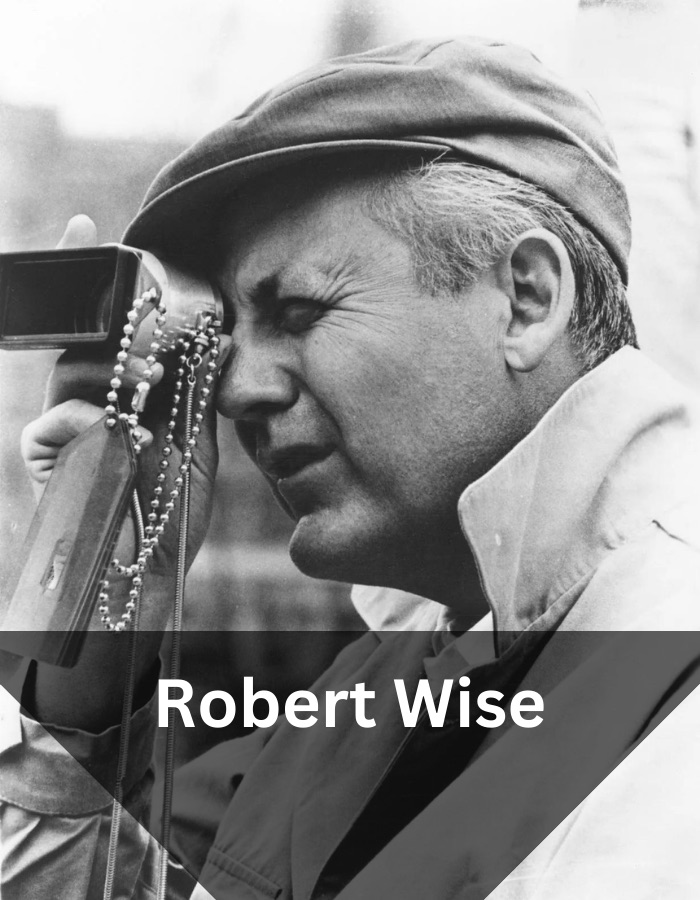
Below are some of the best American directors ever. Click on their pictures to discover more about them. This grouping covers the directors whose best work was made in the post-war era (1945 – 1960) within the studio system. The majority are directors who specialised in the musical or drama genres. There are also some directors here who don’t neatly either the Western or noir genres.







A Brief History of Method Acting
Method acting, a technique that has deeply influenced modern drama, originated from the teachings of Konstantin Stanislavski, a Russian theatre practitioner in the early 20th century. Stanislavski’s system focused on encouraging actors to foster a deep connection and authenticity in their performances by drawing on their own emotions and experiences. This approach was revolutionary, contrasting sharply with the melodramatic styles dominant in that era, which relied more on external expressions than internal authenticity.
The Stanislavski system evolved as it traversed the Atlantic. In the United States, Lee Strasberg, Stella Adler, and Sanford Meisner, among others, became pivotal figures in the development and spread of method acting. Lee Strasberg, in particular, emphasised the psychological aspects of Stanislavski’s teachings, encouraging actors to use their own experiences and emotional memories to inform their portrayals. This approach was epitomised in the “Method” of the Actors Studio in New York City, founded by Strasberg, Elia Kazan, and Cheryl Crawford. The Actors Studio became a breeding ground for a new generation of actors who were steeped in this immersive, emotionally driven approach.
Meanwhile, Stella Adler, after studying with Stanislavski himself, introduced a variation of the method. She placed more emphasis on the use of imagination rather than the actor’s personal memories. This distinction created a significant divide in the approach to method acting, with some actors and directors favouring Strasberg’s emotionally-driven techniques while others preferred Adler’s imagination-centric approach. Sanford Meisner further developed the method by focusing on the actor’s reaction to external stimuli and the importance of “living truthfully under imaginary circumstances.”
The impact of method acting on film and theatre has been profound. Directors like Elia Kazan, who co-founded the Actors Studio, played a crucial role in bringing process acting to the forefront of American cinema and theatre. Kazan’s work in films like “On the Waterfront” and “A Streetcar Named Desire” highlighted the intense, realistic performances that method acting could produce.
The legacy of method acting continues to this day, with many contemporary actors and directors drawing inspiration from its principles. While the technique has evolved and been interpreted in various ways, its core tenet of seeking emotional truth and authenticity in performance remains a cornerstone of modern acting.
 Bronze Screen Dream