
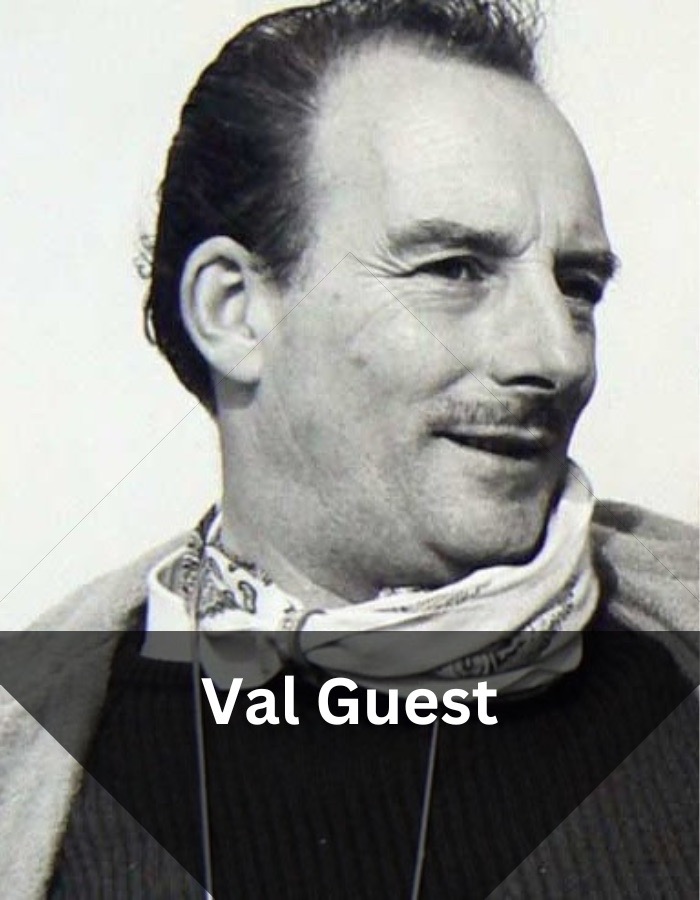
Below are some of the best British directors ever. These filmmakers largely made genre works between the 1940s and 1960s. Click on their pictures to discover more about them.





A Brief History of British Post-War Cinema
The period from 1945 to 1959 in British cinema was marked by a distinct shift from the patriotic fervour of wartime productions to more nuanced, often socially conscious filmmaking. Post-war British cinema reflected the changing societal landscape, grappling with the aftermath of war and the onset of modernisation.
This era was characterised by a blend of realism and a gritty documentary style, a departure from the escapist entertainment of the earlier years. Films began to address social issues more directly, often focusing on the working class, and explored themes of social injustice, class disparity, and the complexities of post-war life.
Carol Reed and David Lean
Among the major directors who shaped British cinema during this time, Carol Reed stands out for his influential works. Reed’s notable films, including “The Third Man” and “Odd Man Out”, are renowned for their atmospheric cinematography and deep exploration of moral ambiguities. Another significant figure was David Lean, whose early post-war films like “Brief Encounter” and “Great Expectations” demonstrated a remarkable ability to adapt literary works into visually stunning and emotionally powerful cinema.
Ealing Studios
The era also saw the emergence of Ealing Studios as a dominant force in British cinema, known for its unique brand of comedies that often satirised British customs and society. Directors like Alexander Mackendrick and Robert Hamer were instrumental in shaping the Ealing style. Mackendrick’s “The Ladykillers” and Hamer’s “Kind Hearts and Coronets” are prime examples of Ealing’s dark yet humorous take on British life, blending comedy with sharp social commentary. These films not only entertained but also subtly critiqued various aspects of British society, from class structures to moral hypocrisies.
Free Cinema Movement
The late 1950s marked a transition towards what would be known as the British New Wave, but the foundation laid by post-war cinema was crucial in this evolution. Directors like Tony Richardson and Lindsay Anderson, who would later become central figures in the New Wave, started their careers during this period.
 Bronze Screen Dream