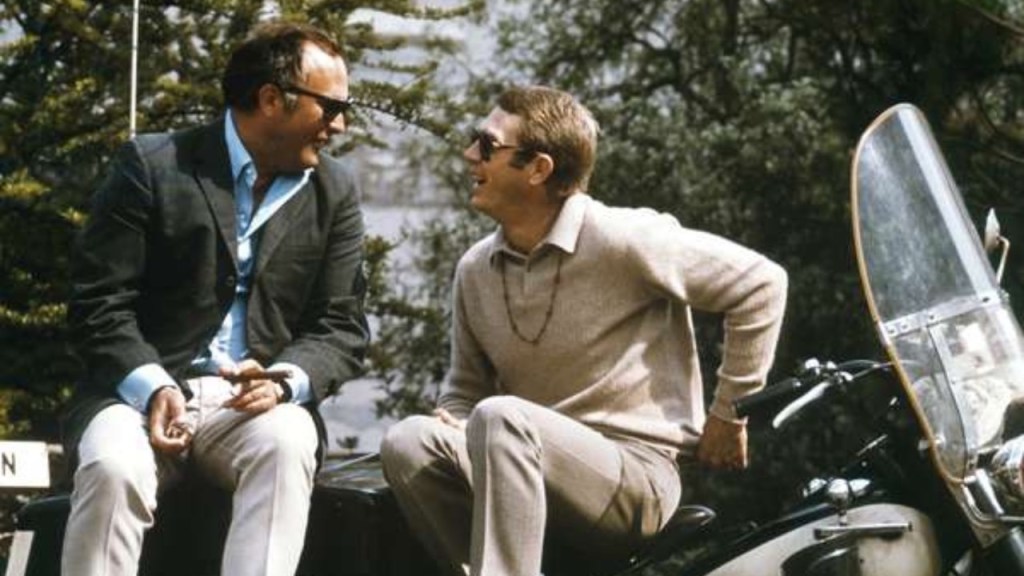
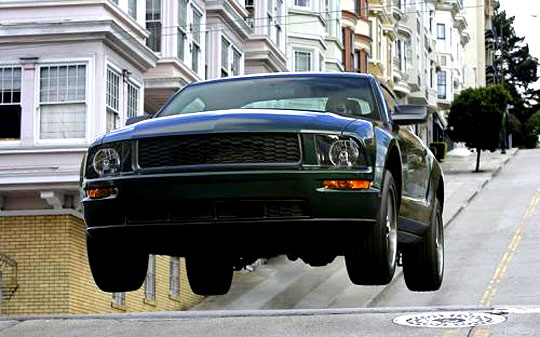
Peter Yates was a British film director best known for his versatile contributions to cinema, spanning genres from crime dramas to comedies and sports films. His career spanned several decades, from the 1960s to the early 2000s. He initially made a mark in the film industry with the 1967 crime caper Robbery, which was noted for its realistic depiction of a heist and high-speed car chase. However, it was the 1968 film Bullitt, starring Steve McQueen, that solidified Yates’s reputation as a masterful director. Bullitt is especially remembered for its iconic car chase scene through the streets of San Francisco, which set a new standard for action sequences in cinema.
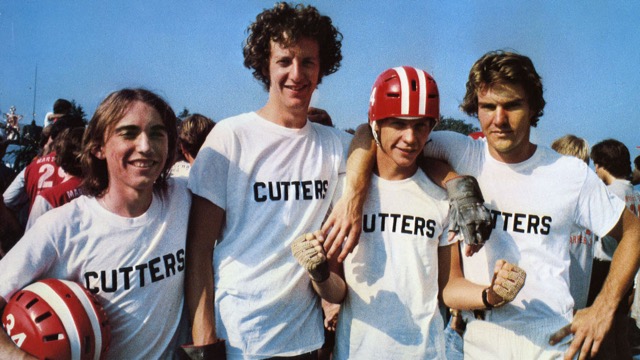
Throughout his career, Peter Yates demonstrated remarkable versatility across various genres, directing noteworthy films such as Breaking Away in 1979, a coming-of-age story that received widespread critical acclaim and won an Academy Award for Best Original Screenplay. The film also earned Yates an Academy Award nomination for Best Director. In 1983, he directed The Dresser, a film that delved into the world of theatre and garnered multiple Academy Award nominations, including Best Picture and Best Director for Yates. Despite not being pigeonholed into any specific genre, Yates maintained a consistent ability to craft compelling narratives and develop strong, memorable characters.
Yates’ films often delved into the complexities of human relationships and moral dilemmas. For instance, in Breaking Away, Yates deftly combined elements of coming-of-age drama with sports, highlighting the struggles of young adults striving for identity and recognition amidst socio-economic differences. Similarly, The Friends of Eddie Coyle offered a gritty portrayal of a small-time criminal navigating the treacherous waters of trust and betrayal in the underworld. Yates’ visual style was varied but always engaging. In action sequences, like those in Bullitt, he employed meticulous choreography and real-time pacing, giving audiences a palpable sense of tension and exhilaration. Yet, in more intimate dramas like The Dresser, he leaned towards close-ups and longer takes, allowing the actor’s emotions to drive the scene.
Whether it was the intricacies of bicycle racing in Breaking Away or the grim realities of criminal life in The Friends of Eddie Coyle, Yates always strived for a realistic portrayal, making his audience invest deeply in the narratives. His attention to detail and commitment to realism, combined with his ability to seamlessly move across genres, ensured he remained a fundamental part of Hollywood and British cinema for decades.
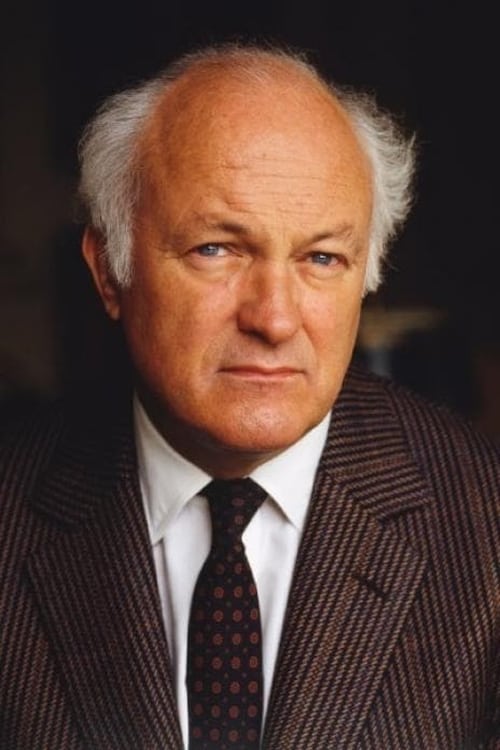
Peter Yates (1929 – 2011)
Calculated Films:
- Bullitt (1968)
- The Friends of Eddie Coyle (1973)
- Breaking Away (1979)
- The Dresser (1983)
Similar Filmmakers
- Brian G. Hutton
- Don Siegel
- George Roy Hill
- John Boorman
- John Frankenheimer
- John Mackenzie
- John Schlesinger
- Michael Mann
- Michael Winner
- Peter Hyams
- Philip D’Antoni
- Richard Fleischer
- Ridley Scott
- Roger Spottiswoode
- Ted Kotcheff
- Tony Scott
- Walter Hill
- Wiliam Friedkin
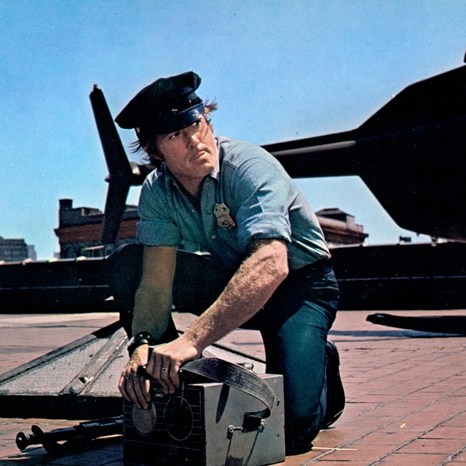

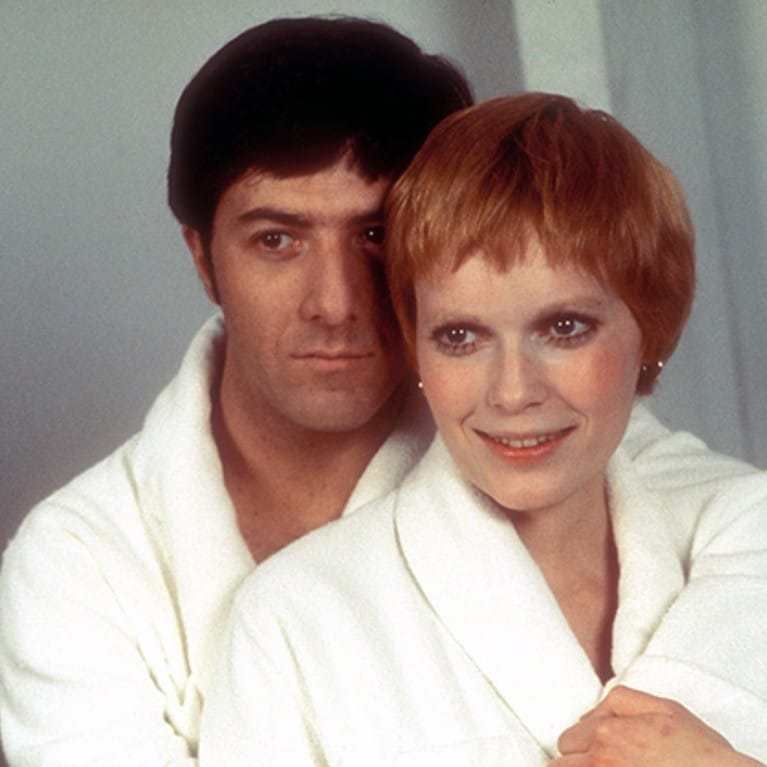
Peter Yates’ Top 5 Films Ranked
1. The Friends of Eddie Coyle (1973)
Genre: Heist Film, Gangster Film, Neo-Noir
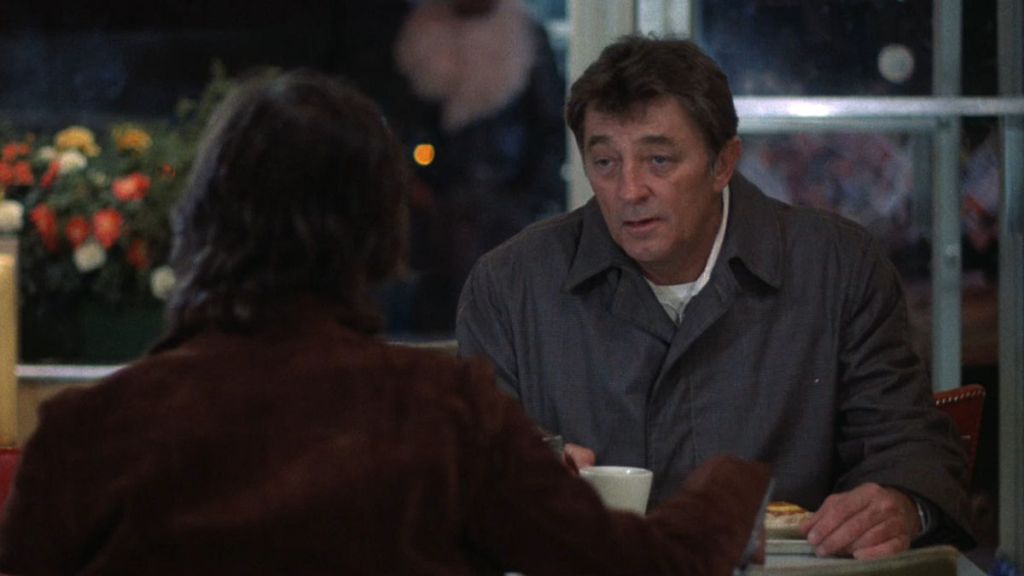
2. Breaking Away (1979)
Genre: Coming-of-Age, Sports, Comedy, Drama, Buddy
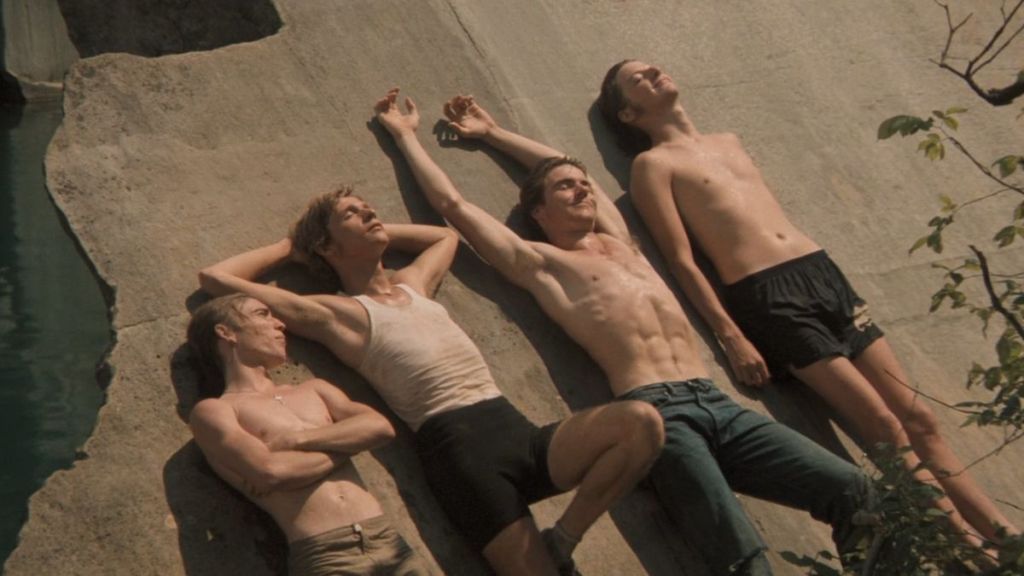
3. The Dresser (1983)
Genre: Drama

4. Bullitt (1968)
Genre: Thriller, Crime, Police Procedural

5. The Hot Rock (1972)
Genre: Heist Film, Comedy

Peter Yates: Themes and Style
Themes:
- Working-Class Heroes: Many of Yates’s films, including the iconic Bullitt, feature protagonists from working-class backgrounds, often navigating corrupt or compromised systems.
- Underdog Stories: Yates was attracted to stories where the central character faces insurmountable odds, as seen in Breaking Away, where a young man dreams of becoming a champion cyclist.
- Moral Complexity: Yates’s characters often grapple with ethical dilemmas, and his narratives don’t always offer easy answers.
- Man vs. System: Whether it’s the political system, criminal underworld, or societal expectations, Yates often pitted his protagonists against larger, oppressive systems.
Styles:
- Realism: Yates was known for his realistic portrayal of characters and settings. He often used authentic locations and real-life situations to give his films a genuine feel.
- Masterful Car Chases: Arguably, one of Yates’s most significant contributions to cinema is his mastery of the car chase sequence. Bullitt is one of the most famous car chases in film history.
- Strong Character Development: Even in his action-packed films, Yates took time to develop his characters, ensuring the audience connected with them on an emotional level.
- Dramatic Tension: Yates had a knack for building suspense, whether through quiet moments or high-paced action sequences.
Directorial Signature:
- Collaboration with Actors: Yates was known for his actor-friendly approach, allowing them to collaborate and bring their interpretation to their roles.
- Atmospheric Soundtracks: The music in Yates’s films is carefully chosen to enhance the mood and atmosphere, adding another layer of depth to the narrative.
- Diverse Genre Exploration: Despite having recurrent themes, Yates never confined himself to one genre. His filmography is evidence of his versatility as a director.
- Cinematic Realism: Even in his more fantastical or action-oriented films, there’s a grounded, almost documentary-like approach to scenes that make them feel authentic.
Peter Yates – Great Director

 Bronze Screen Dream