
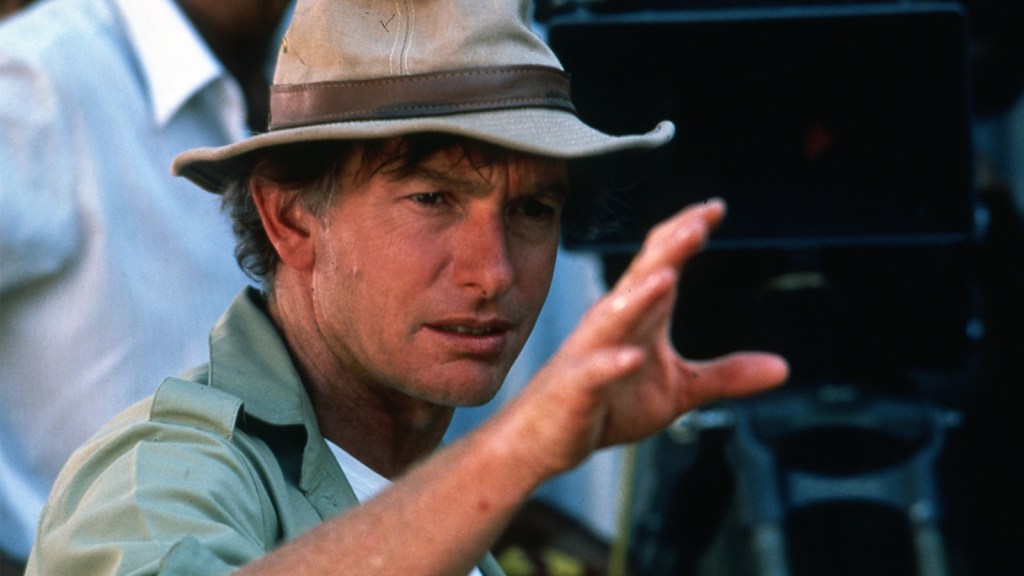
Peter Weir, an Australian director, is renowned for his ability to weave profound human themes into engrossing narratives, often exploring the thin line between reality and illusion. His versatile filmography encompasses diverse genres, with standouts such as Picnic at Hanging Rock, The Truman Show, and Dead Poets Society.
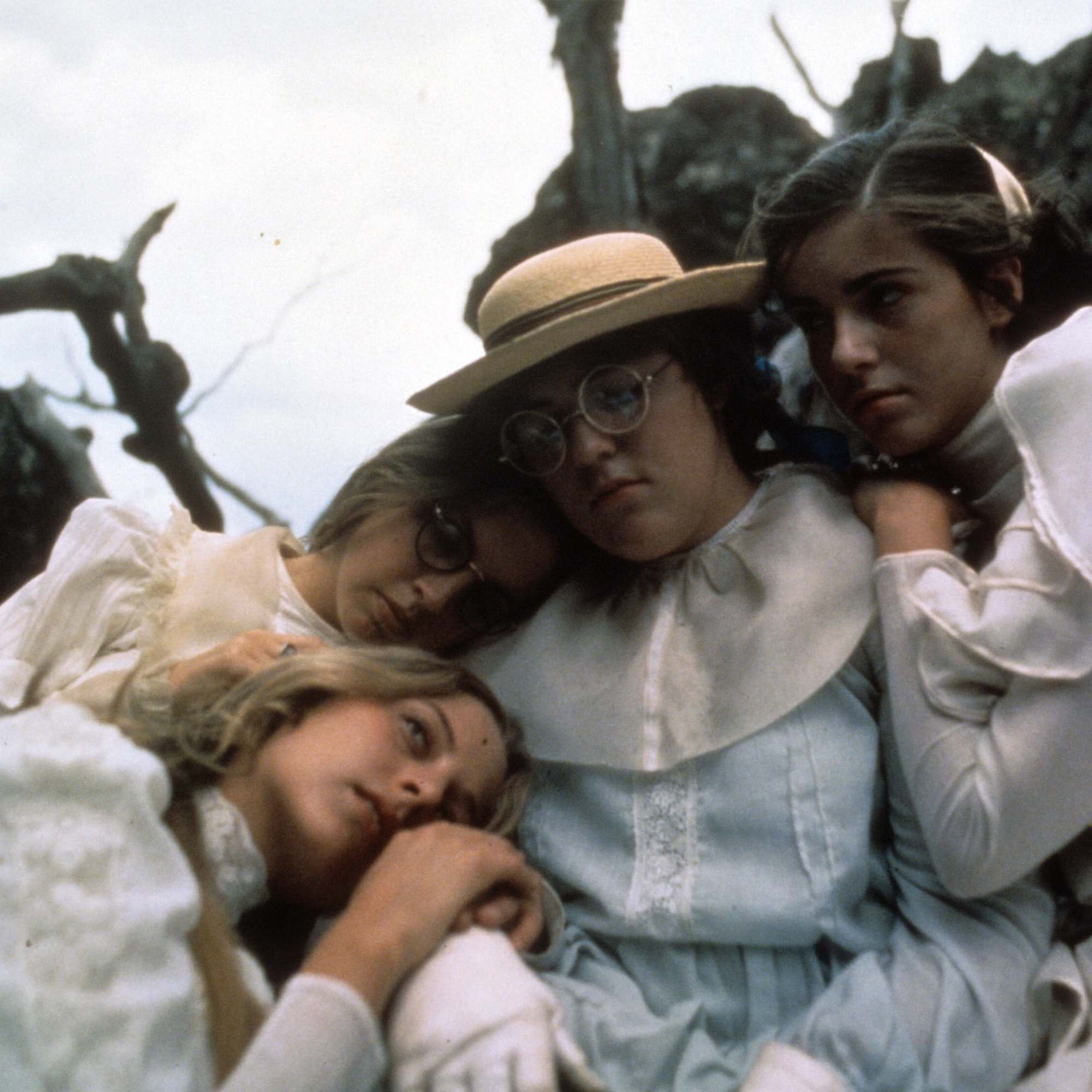
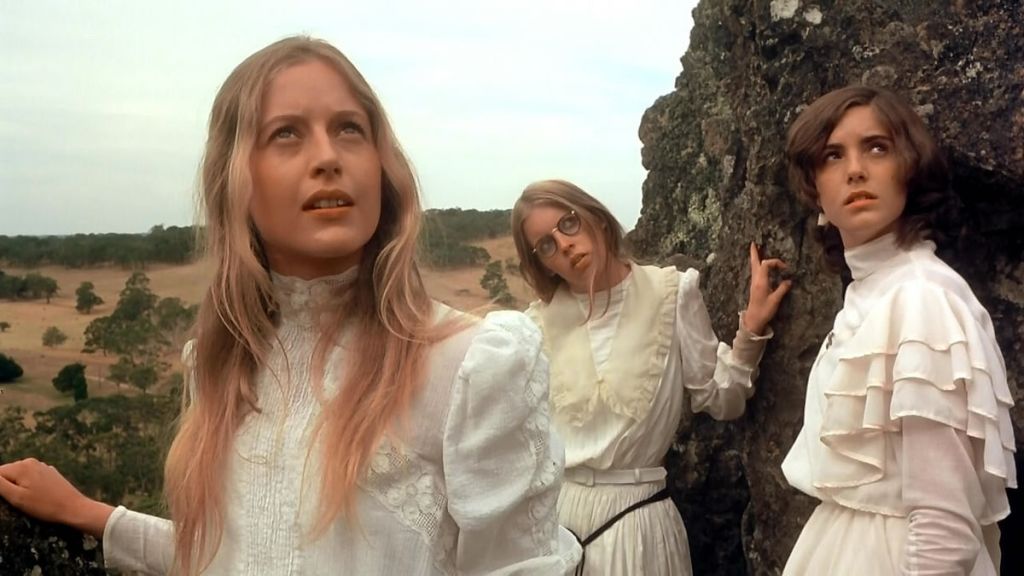
Raised in Sydney, Weir started his career in television before moving to cinema. His early works were integral to the Australian New Wave movement in the 1970s, setting the stage for a distinctive approach to filmmaking that married mystique with universal human experiences. His films are often built around the confrontation between the known and the unknown, as seen in Picnic at Hanging Rock, where the inexplicable disappearance of schoolgirls triggers a cascade of events that unsettle the tranquil facade of their Victorian-era community.
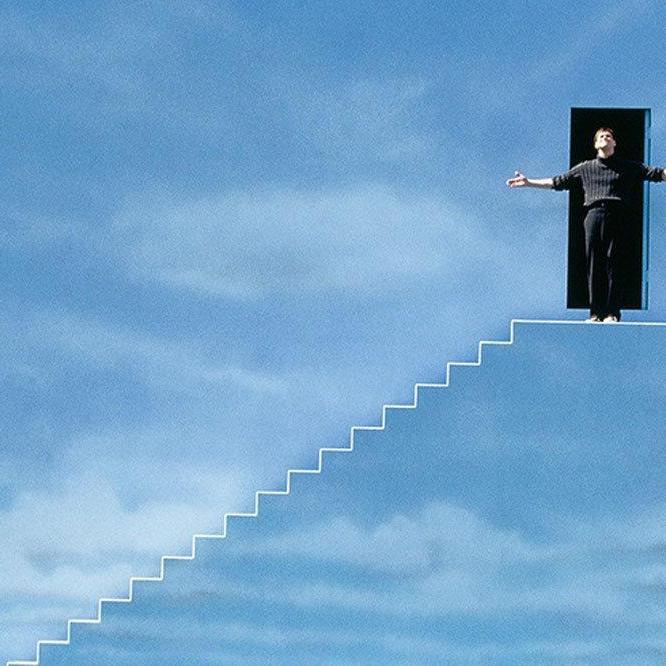
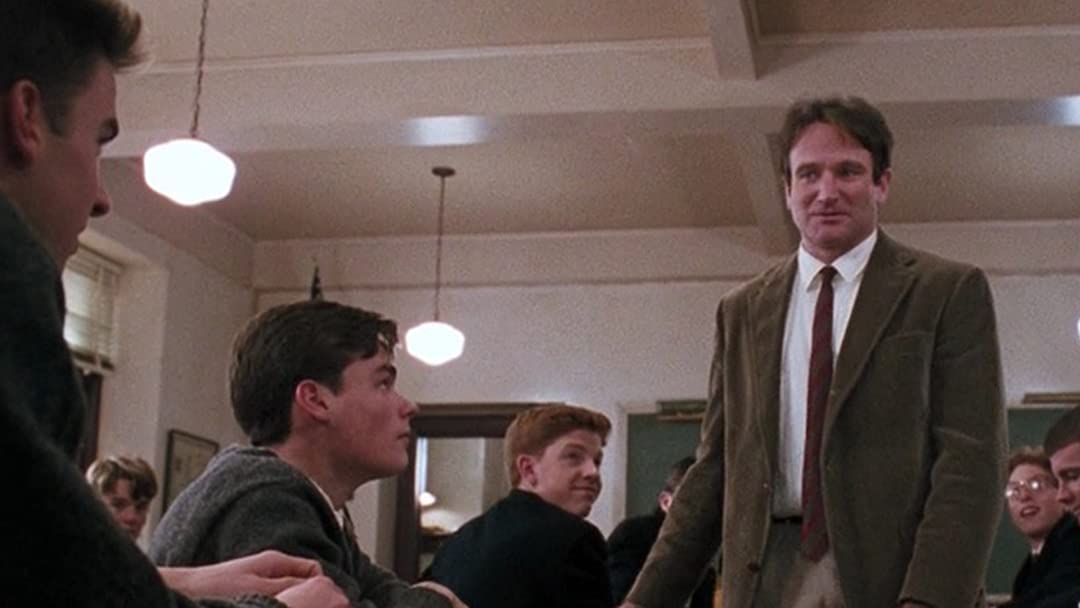
Weir’s narratives frequently examine societal structures and the journey of individuals trying to navigate or break free from them. The Truman Show critiques the artificiality of media-constructed reality and explores an individual’s fight for authenticity. Meanwhile, Dead Poets Society is a heartfelt testament to non-conformity and personal expression within a stiflingly regimented school setting.
Peter Weir’s Exploration of Reality, Myth and the Human Spirit
In terms of visual style, Weir often employs subtle, atmospheric cinematography to reflect the internal states of his characters and emphasise the thematic underpinnings of his narratives. His meticulous attention to detail, as observed in the ethereal landscape of Picnic at Hanging Rock or the uncanny perfection of Seahaven in The Truman Show, aids in establishing a sense of place that becomes intrinsic to the story.
Weir’s films have had a wide-reaching influence on contemporary cinema. His mix of poignant character studies, compelling narratives, and social commentary has inspired many directors, from M. Night Shyamalan, known for his narrative twists, to Alejandro González Iñárritu, whose multi-layered storytelling mirrors Weir’s complexity. Peter Weir’s impact on cinema stretches from the Australian New Wave to the heart of Hollywood, creating a legacy marked by an empathetic exploration of the human condition within gripping narratives.
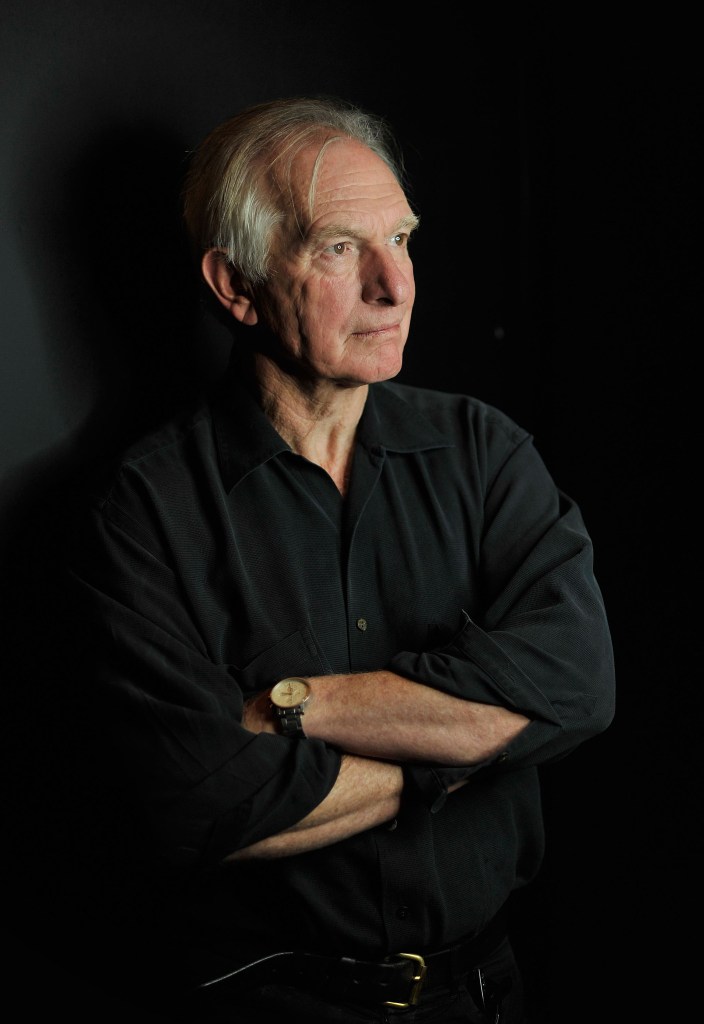
Peter Weir (1944 – -)
Calculated Films:
- Picnic at Hanging Rock (1975)
- Gallipoli (1981)
- Witness (1985)
- Dead Poet’s Society (1989)
- The Truman’s Show (1998)
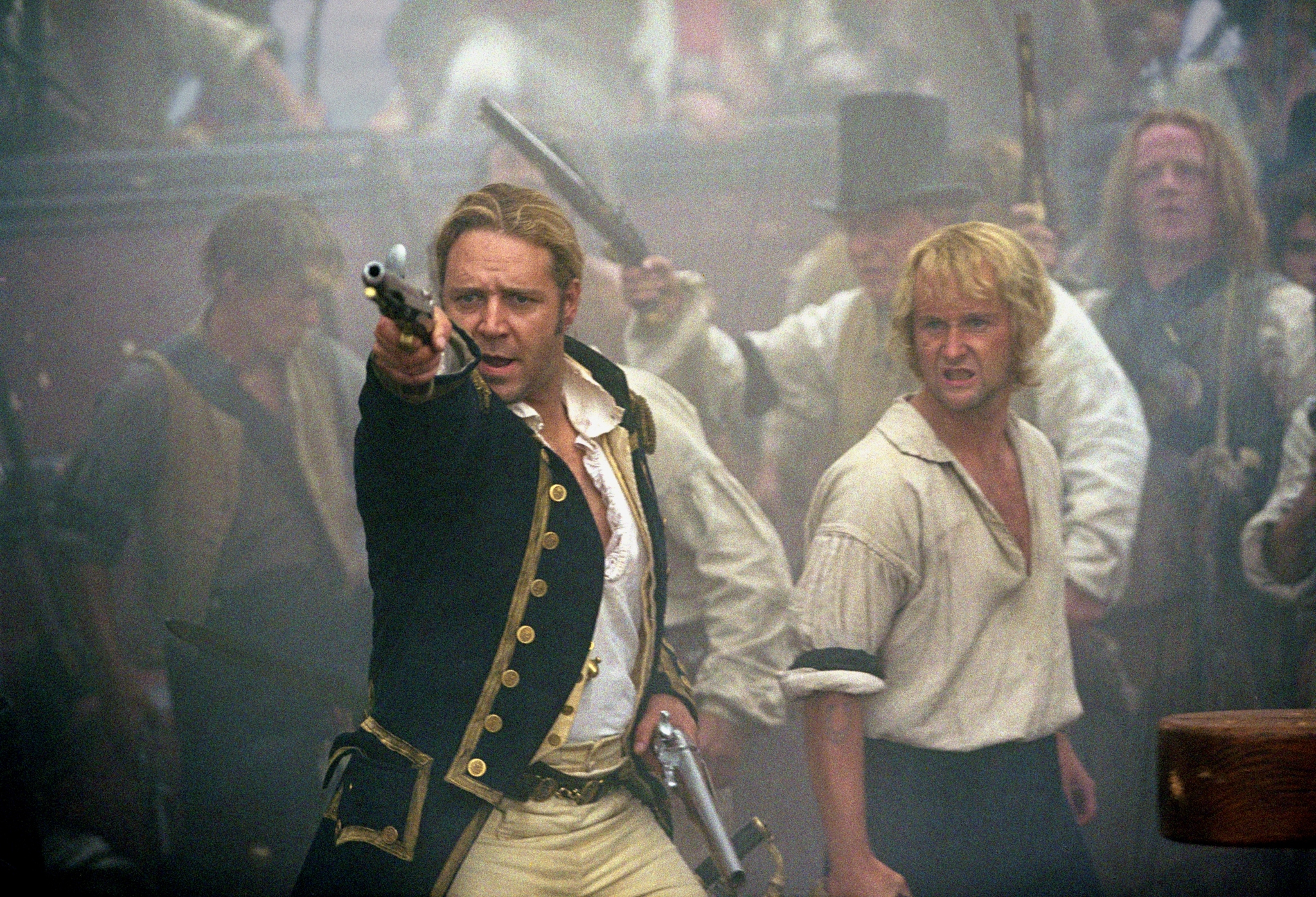
- Master and Commander: The Far Side of the World (2003)
Similar Filmmakers

Peter Weir’s Top 10 Films Ranked
1. The Truman Show (1998)
Genre: Satire, Drama, Comedy, Psychological Drama

2. Picnic at Hanging Rock (1975)
Genre: Mystery, Drama
3. Dead Poet’s Society (1989)
Genre: Drama, Coming-of-Age

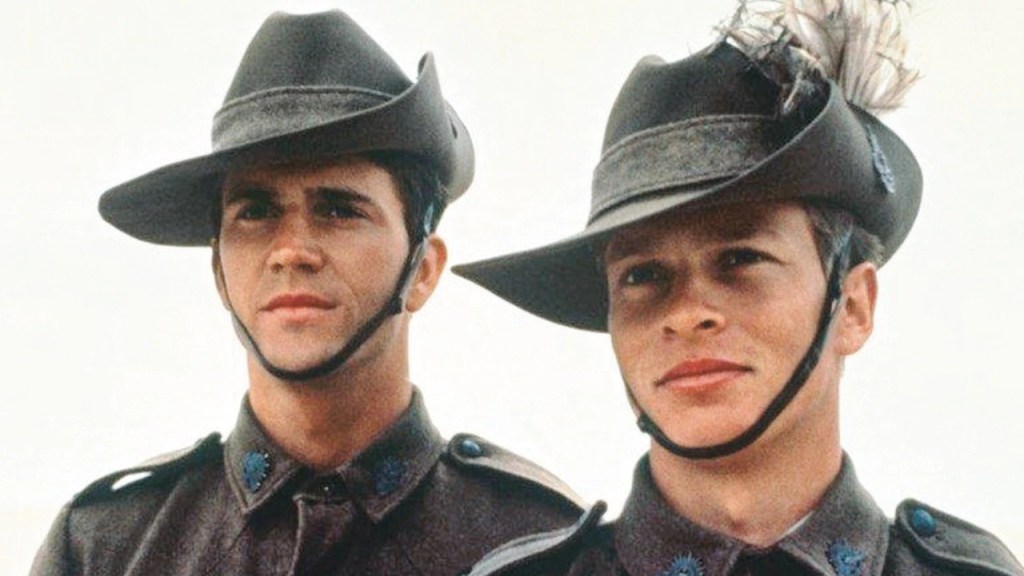
4. Gallipoli (1981)
Genre: War, Period Drama
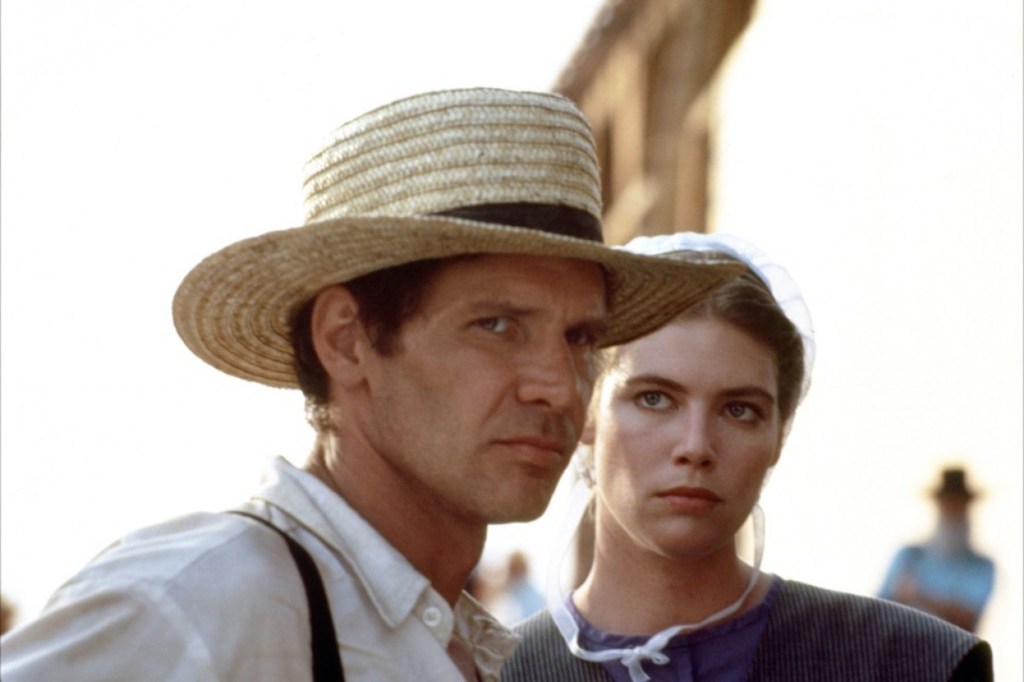
5. Witness (1985)
Genre: Crime, Thriller, Romance, Drama
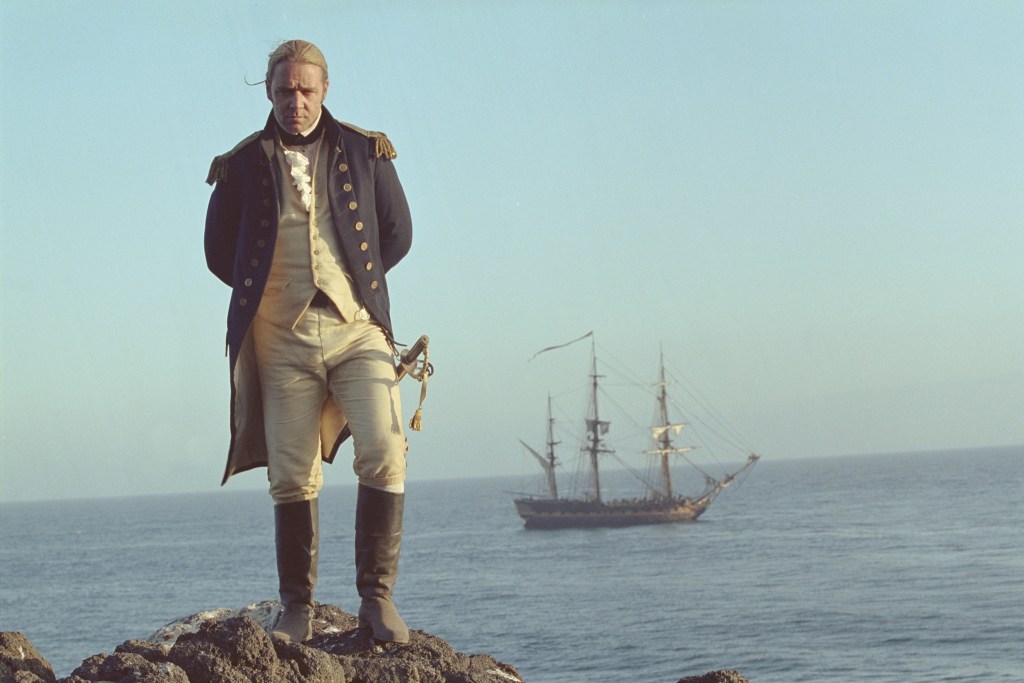
6. Master and Commander: The Far Side of the World (2003)
Genre: Adventure, Period Drama, War
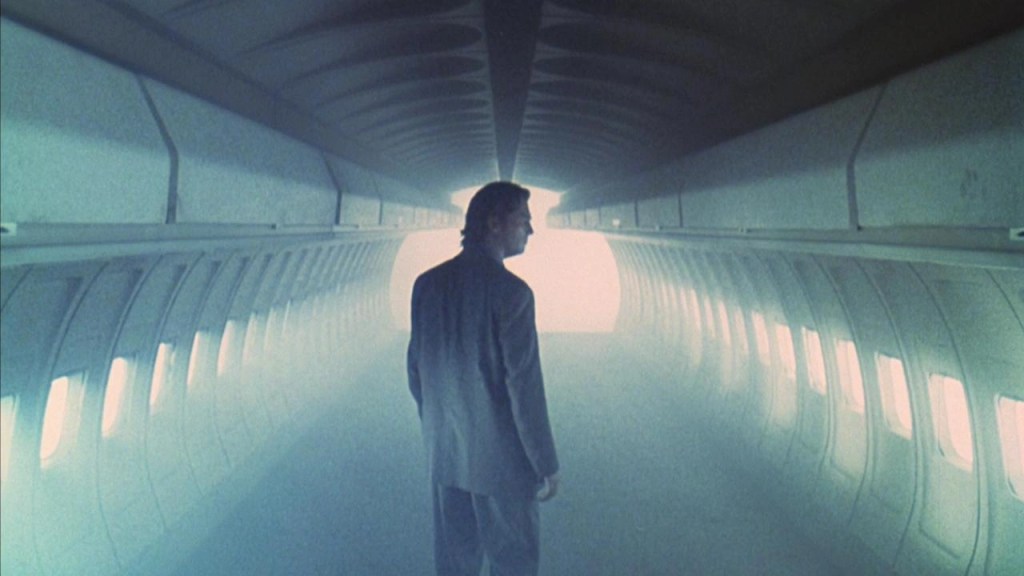
7. Fearless (1993)
Genre: Psychological Drama
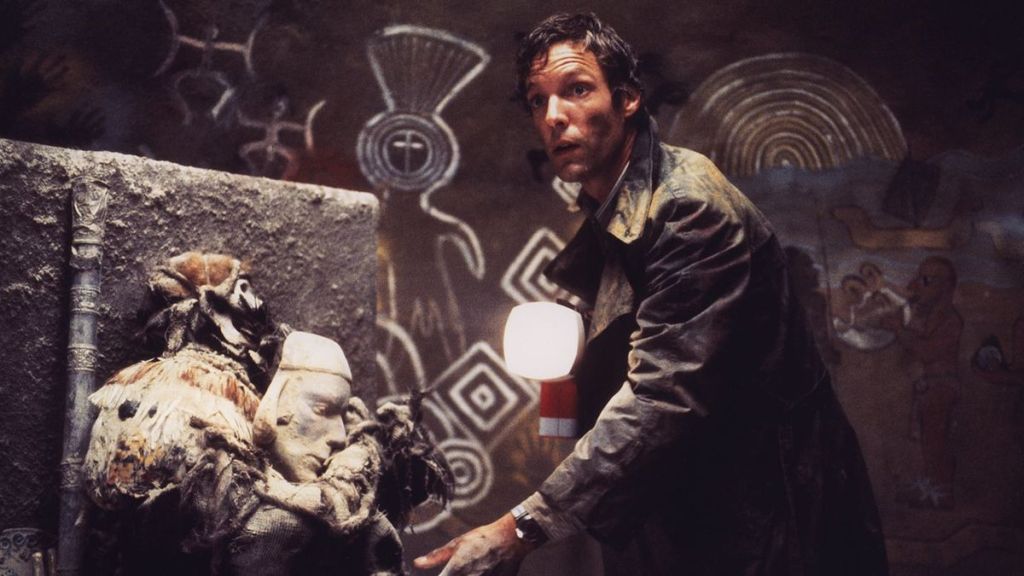
8. The Last Wave (1977)
Genre: Mystery, Psychological Drama, Low Fantasy, Disaster
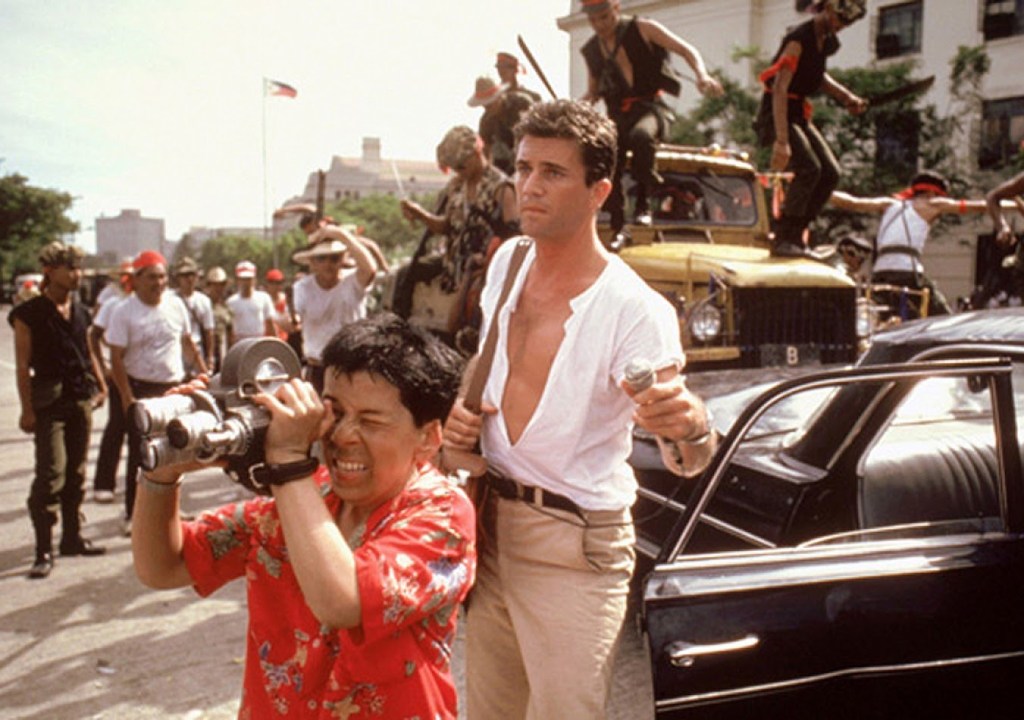
9. The Year of Living Dangerously (1982)
Genre: Political Drama, Romance
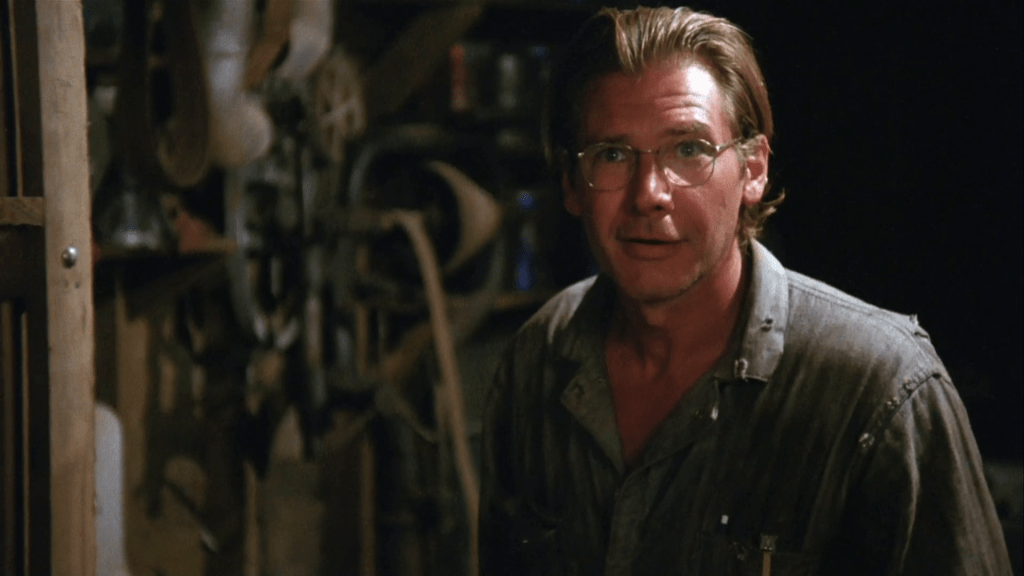
10. The Mosquito Coast (1986)
Genre: Adventure, Drama
Peter Weir: Themes and Style
Themes:
- Human vs. Nature: Weir often places characters in settings where they confront, or are at the mercy of, the natural world. This theme is prominent in films like Master and Commander and The Mosquito Coast, where nature serves as a formidable adversary, influencing characters’ development and the narrative’s progression.
- Societal Isolation and Microcosms: Many of Weir’s films explore communities functioning outside conventional society with their unique sets of rules and norms. The Truman Show provides a commentary on media’s pervasive influence, while Witness delves into an Amish community, exploring themes of innocence and corruption.
- Spirituality and Mysticism: A recurring theme in Weir’s work is the exploration of the mystical and the spiritual. Films like Fearless and The Last Wave delve into characters grappling with existential questions and experiencing spiritual awakenings.
- Individual’s Journey: The director often tells stories of personal discovery, transformation, and self-realisation, with characters undergoing significant internal journeys mirrored by their physical or environmental transitions.
Styles:
- Visual Storytelling: Weir employs a visually rich style, utilising the camera to convey emotions, atmospheres, and themes subtly. He uses meticulous framing, composition, and lighting to create visually compelling scenes that enhance the storytelling.
- Atmospheric Cinematography: He is renowned for crafting films with a strong sense of atmosphere. The cinematography in his works often acts as a character itself, contributing significantly to the film’s mood and thematic depth.
- Subdued Performances: Weir directs actors towards delivering understated and nuanced performances. This approach lends his films a realistic and immersive quality, allowing audiences to connect deeply with the characters and their struggles.
- Cross-Genre Filmmaking: While difficult to pigeonhole into a specific genre, Weir’s films often blend elements of drama, thriller, and mystery. This hybrid style enables him to explore complex themes and characters with depth and nuance.
Directorial Signature:
- Intellectual Depth: Weir’s films are known for their academic rigour and thematic depth, prompting viewers to ponder and reflect on the narrative’s implications and underpinnings. His work often leaves audiences with lingering questions and thoughts, extending the film’s impact beyond its runtime.
- Character-Centric: His narratives focus intimately on characters, delving deeply into their psyches, motivations, and transformations. This character-centric approach ensures that the audience is emotionally invested in the characters’ journeys and outcomes.
- Engagement with Environment: The environment in Weir’s films is not merely a backdrop; it plays a crucial role in the narrative, often catalysing character development and plot progression. Whether it’s the sea in Master and Commander or the constructed reality in The Truman Show, the environment is integral to the storytelling.
- Meticulous Detailing: Weir pays close attention to the minutest details in his films, from set design and costume to the selection of music and sound. This approach contributes to the creation of a wholly immersive and believable universe.
Peter Weir: The 146th Greatest Director


 Bronze Screen Dream