

Peter Watkins, a British director, is recognised for his unique approach to filmmaking that blends documentary and drama. Known for his groundbreaking docudrama style, Watkins frequently uses non-professional actors and documentary techniques to weave stories that are either rooted in historical events or entirely fictional. This innovative approach, coupled with his engagement with significant political themes such as nuclear warfare and social revolution, has carved Watkins a distinct niche in cinema history.
Watkins began his filmmaking career in the 1960s, gaining attention and acclaim for his television drama Culloden, which used a faux-documentary style to recount the 1746 Battle of Culloden. This work laid the groundwork for his future projects, most notably The War Game, a controversial film that realistically portrayed the consequences of nuclear warfare. This stark representation of war’s aftermath, rife with harrowing images and piercing political commentary, was deemed so potent that it was initially banned from television broadcast.
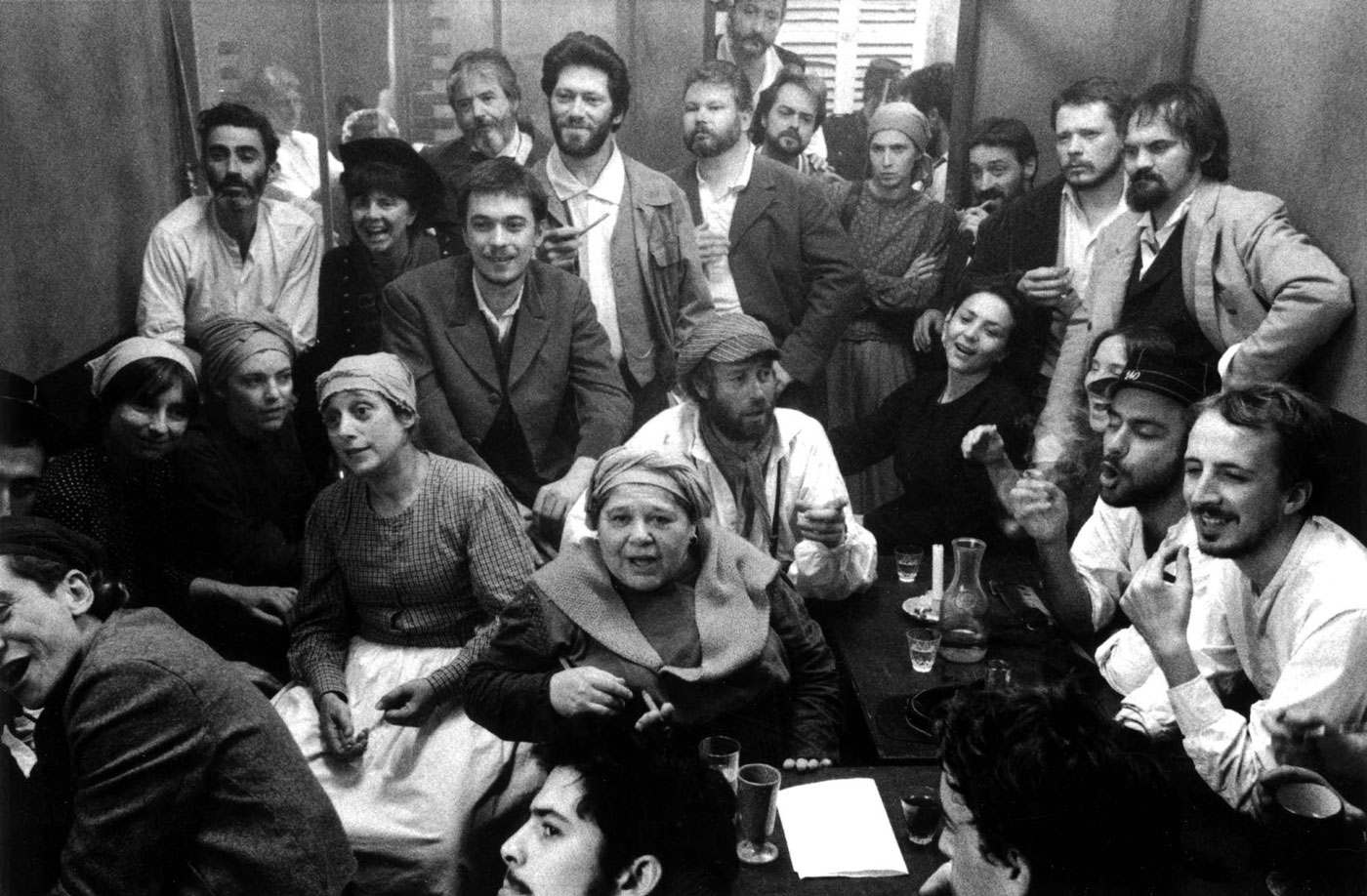
Watkins’s films, like Punishment Park and La Commune (Paris, 1871), are renowned for their commitment to realism and critical examination of the media’s role in shaping public perception. His films often break the fourth wall, incorporating meta-textual elements that encourage audiences to question their own engagement with media narratives. This innovative storytelling approach, combined with meticulous historical and social context portrayal, offers audiences a unique and immersive viewing experience.
Watkins’ work has impacted filmmakers globally, inspiring a new way of engaging with historical and social narratives on screen. Despite facing challenges, including censorship, throughout his career, Watkins has remained steadfast in his pursuit of exploring socio-political issues through his distinctive filmmaking lens, cementing his place as a significant figure in cinema history.
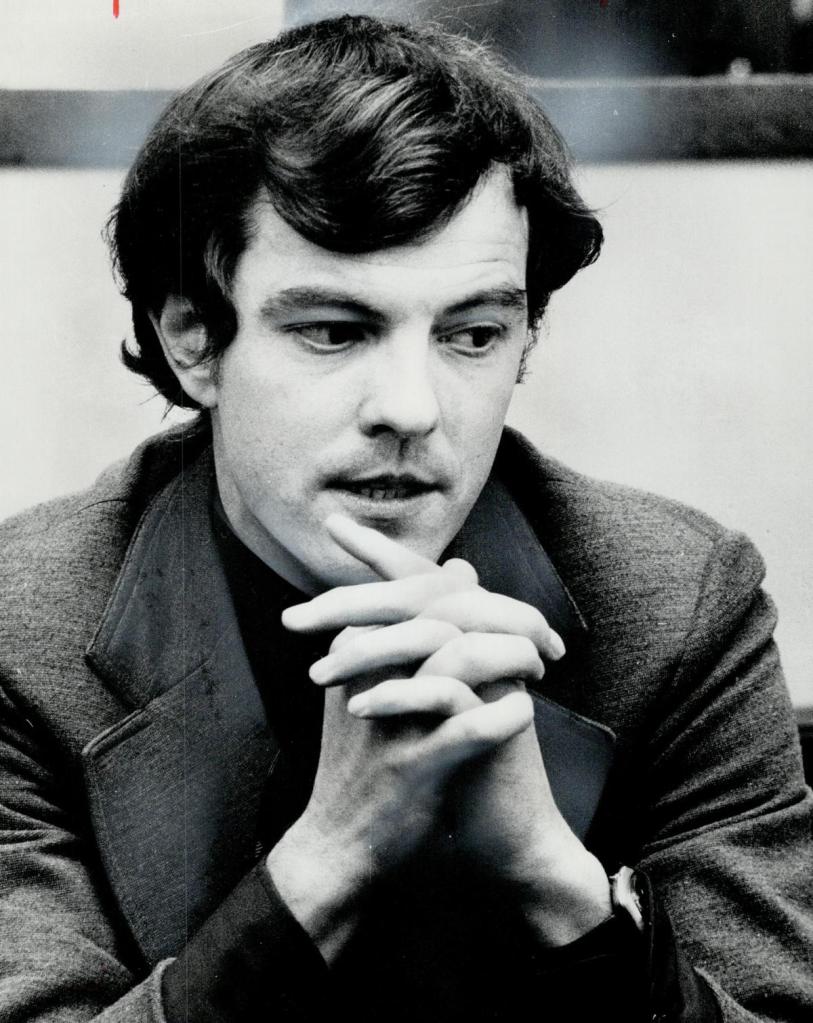
Peter Watkins (1935 – 2025)
Calculated Films:
- The War Game (1966)
- Punishment Park (1971)
- Edvard Munch (1974)
- La Commune (Paris 1871) (2000)
Similar Filmmakers
- Alan Clarke
- Andrew Kotting
- Chris Marker
- Costa-Gavras
- Gillo Pontecorvo
- Ingmar Bergman
- Jean-Luc Godard
- Jill Godmilow
- Ken Loach
- Lars von Trier
- Lindsay Anderson
- Mick Jackson
- Peter Brook
- Peter Greenaway
- Robert Kramer
- Susana de Sousa Dias
- Travis Wilkerson
- William Klein


Peter Watkins’s Top 10 Films Ranked
1. Edvard Munch (1974)
Genre: Biographical, Docudrama

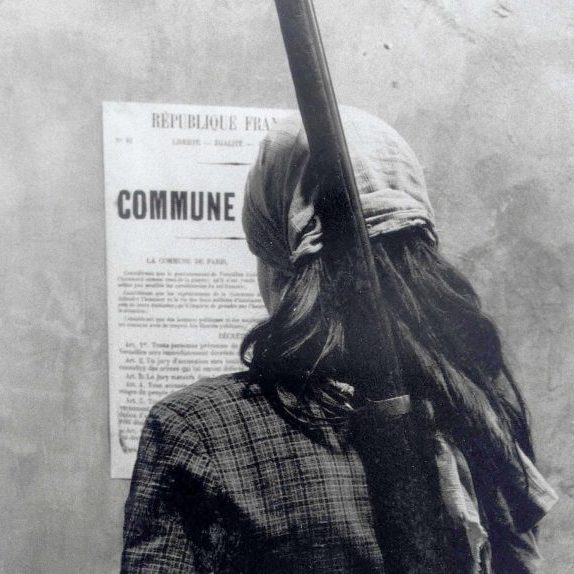
2. La Commune (Paris, 1871) (2000)
Genre: Docudrama, Period Drama, Political Drama
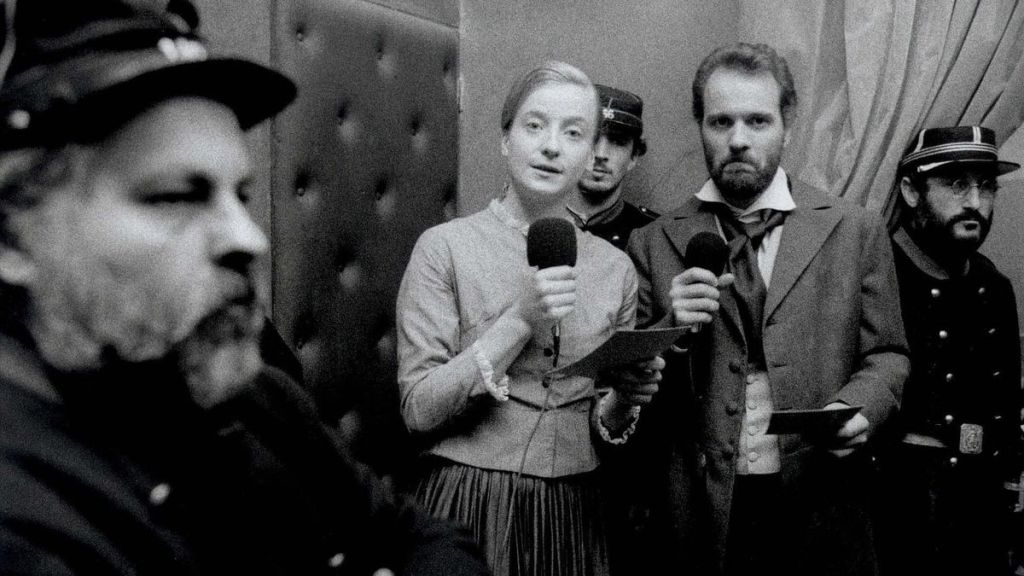
3. The War Game (1966)
Genre: War, Docudrama, Mockumentary, Post-Apocalypse
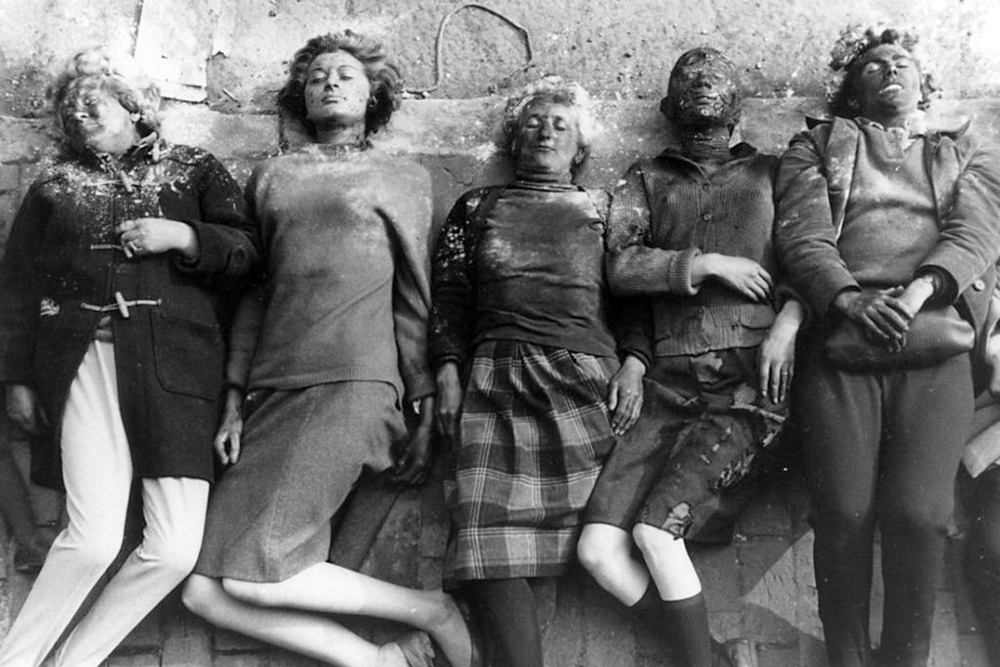
4. Punishment Park (1971)
Genre: Docudrama, Mockumentary, Dystopian

5. Culloden (1964)
Genre: War, Docudrama, Period Drama
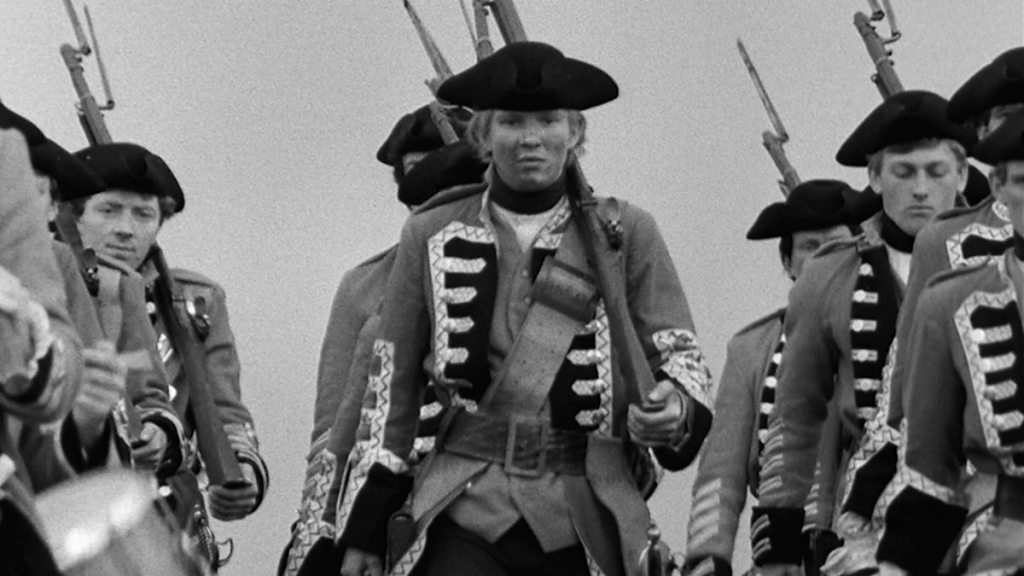
6. The Journey (1987)
Genre: War Documentary, Political Documentary
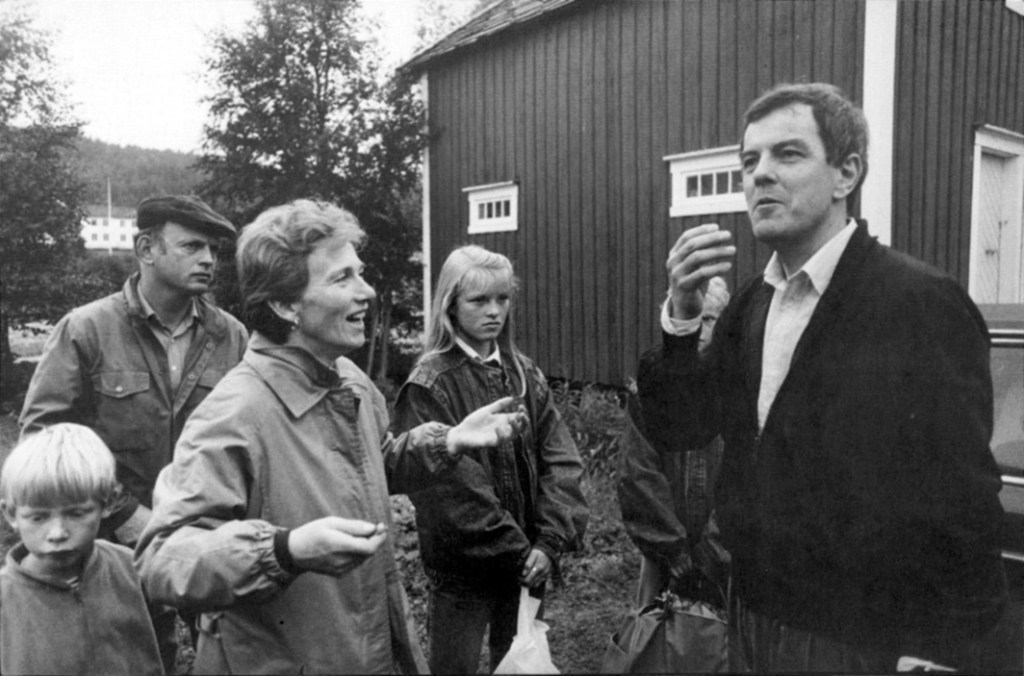
7. The Freethinkers (1994)
Genre: Docudrama, Biographical
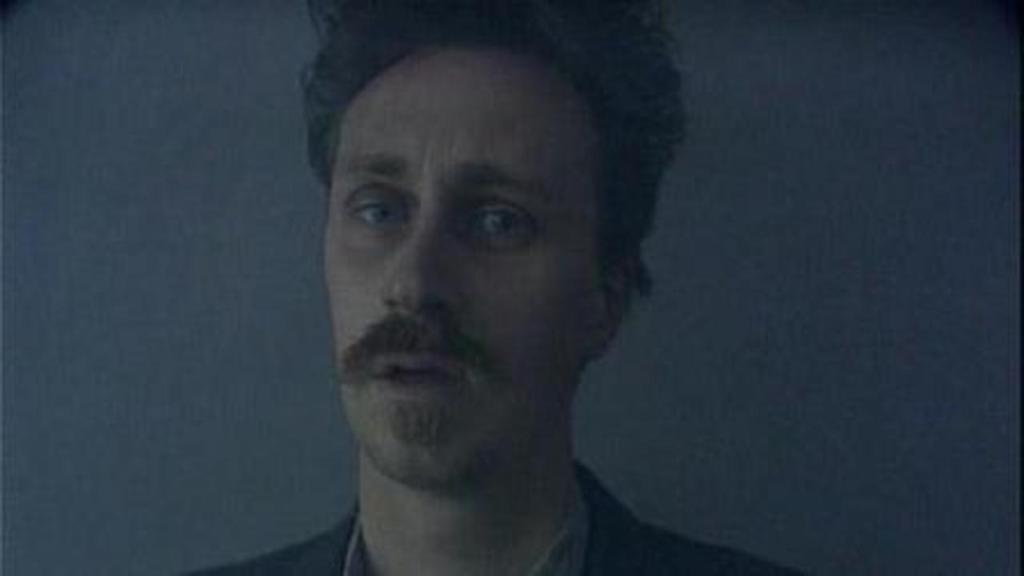
8. Privilege (1967)
Genre: Music, Mockumentary, Satire

9. Evening Land (1977)
Genre: Political Drama
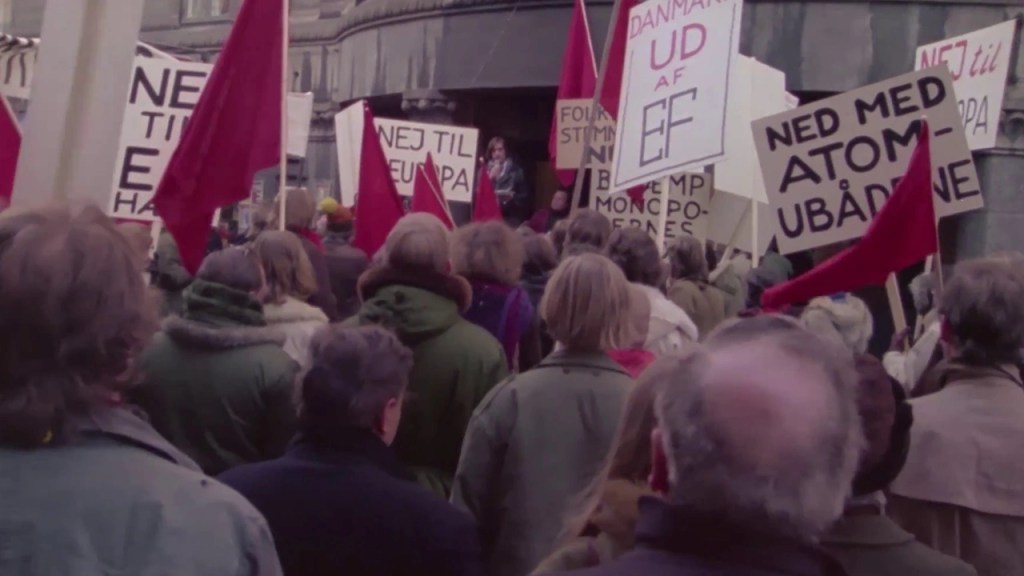
10. The Gladiators (1969)
Genre: War, Satire, Dystopian
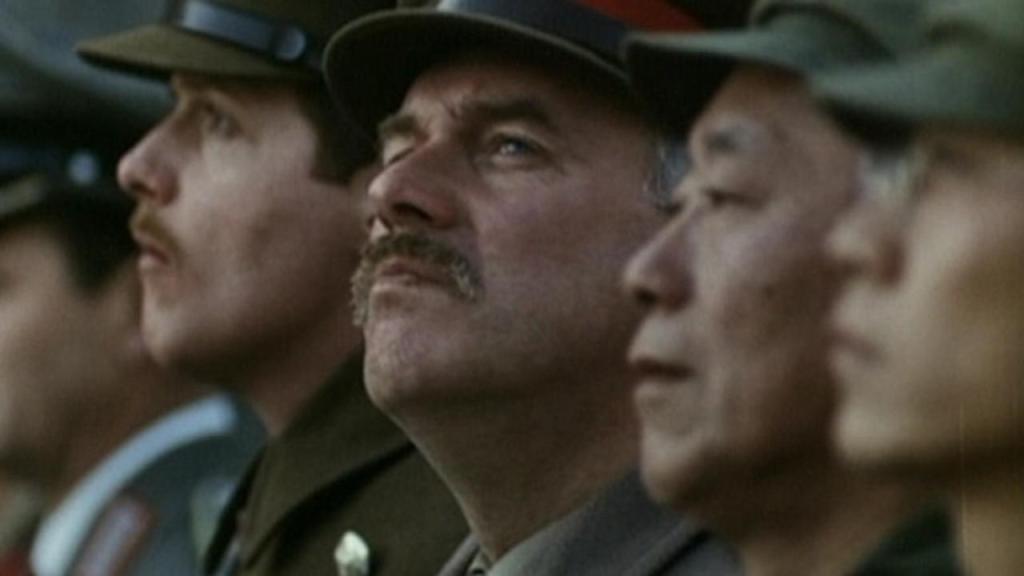
Peter Watkins: Themes and Style
Themes:
- Anti-Establishment & Political Critique: Watkins consistently challenges established norms and power structures. Many of his films critique government policies, media manipulation, and militarisation.
- War & Violence: Reflecting on the human condition, his works often explore war’s impact on individuals and societies, emphasising its tragic and destructive nature.
- Media Influence: He is preoccupied with the media’s role in shaping public opinion, often highlighting how media can distort realities and perpetuate societal conflicts.
- Social Reality: Watkins’s films mirror the social concerns and problems of his time, presenting viewers with a reflection of the real world’s intricacies and challenges.
Styles:
- Documentary Style: His works often mimic documentary aesthetics, using handheld cameras, natural lighting, and on-location shooting to create a sense of realism and immediacy.
- Non-professional Actors: Watkins frequently employs non-actors to enhance the authenticity of his films, blurring the lines between fiction and reality.
- Direct Address: Characters often break the fourth wall, addressing the audience directly. This style engages viewers actively, prompting them to question and reflect on the presented material.
- Narrative Experimentation: Watkins is known for experimenting with film narrative structures, often disrupting linear timelines and conventional storytelling techniques to create unique viewing experiences.
Directorial Signature:
- Docudrama Form: Many of his films adopt a “docudrama” or pseudo-documentary form, presenting fictional events as if they were real, which serves to engage and challenge the audience intellectually and emotionally.
- Social Commentary: Watkins’s directorial vision is firmly rooted in offering commentary on societal issues. Through his films, he provokes audiences to reflect on and critique their socio-political environments.
- Engaging Realism: His commitment to realism goes beyond aesthetics; it extends to engaging with real social and political issues in a manner that resonates with everyday people. This engagement with realism makes his films both accessible and challenging.
- Intellectual Provocation: Watkins’s films are designed to stimulate thought and reflection. He actively avoids providing easy answers, instead pushing viewers to engage with the material critically and come to their own conclusions.
- Audience Participation: He often involves the audience in his work, requiring active participation and reflection from viewers. This participatory approach turns the act of watching a film into an interactive, engaging experience.
Peter Watkins: The 185th Greatest Director



 Bronze Screen Dream