

Peter Hyams is an American filmmaker who has made a name for himself as a versatile director, screenwriter, and cinematographer. He is best known for his science fiction and action films that often blend high-concept ideas with grounded, character-driven narratives. Hyams’ films are characterised by their atmospheric visuals, tense pacing, and thought-provoking themes.
Throughout his career, Hyams has worked on a diverse range of projects. He began as a television news anchor before transitioning into filmmaking with his directorial debut, Busting, in 1974. Hyams gained recognition with his sci-fi thriller Capricorn One, which showcased his ability to create suspense and political intrigue. He continued to explore the sci-fi genre with films like Outland and 2010: The Year We Make Contact, the latter being a sequel to Stanley Kubrick’s 2001: A Space Odyssey. Hyams also ventured into action territory with films such as The Presidio and Timecop, demonstrating his skill in crafting engaging, fast-paced narratives.
One of the recurring themes in Hyams’ work is the exploration of the human condition in the face of extraordinary circumstances. His films often feature characters grappling with moral dilemmas, personal struggles, and the consequences of their actions. In The Relic, Hyams delves into the horror genre, using a mysterious creature as a catalyst to examine the characters’ inner fears and the depths of human nature. Similarly, in End of Days, he combines supernatural elements with a story of redemption and the battle between good and evil.
Hyams is known for his distinctive visual style, often serving as his own cinematographer. He has a keen eye for composition and lighting, using shadows and contrast to create atmosphere and mood. His use of long, uninterrupted takes in films like Running Scared and Narrow Margin showcases his ability to build tension and immerse the audience in the story. Hyams’ approach to filmmaking is characterised by his hands-on involvement in multiple aspects of production, from writing to directing to cinematography.
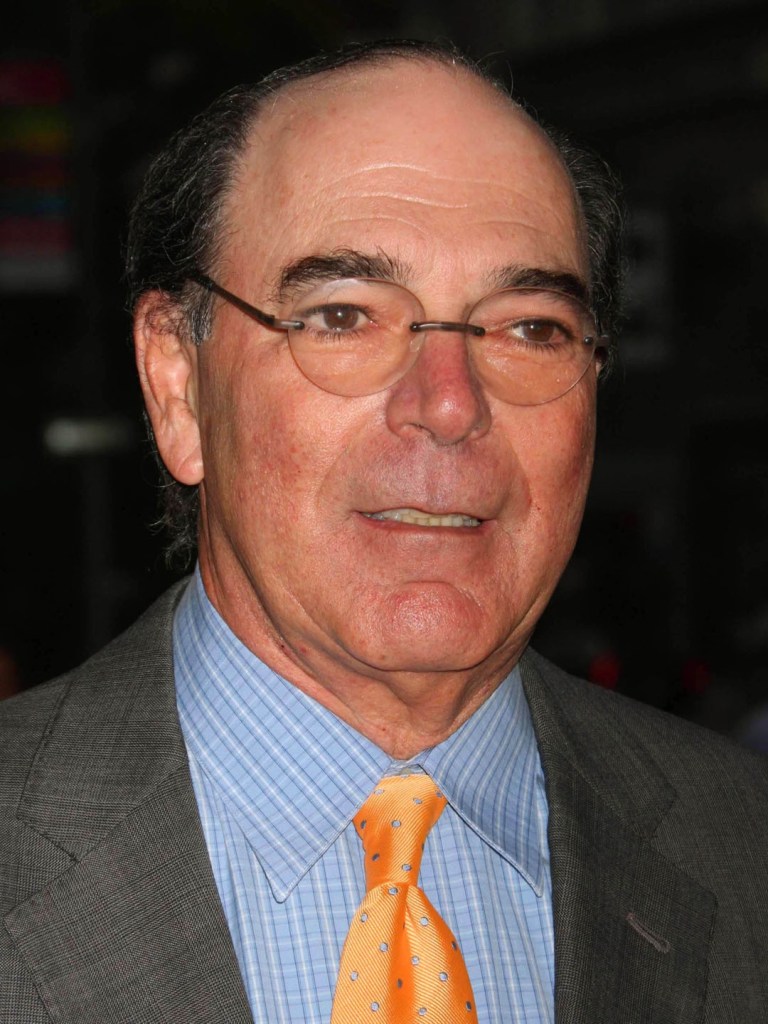
Peter Hyams (1943 –)
Calculated Films:
- NA
Similar Filmmakers
- Adrian Lyne
- Andrew Davis
- Douglas Trumbull
- James Cameron
- Jan de Bont
- John Badham
- John Carpenter
- John McTiernan
- Michael Crichton
- Paul Michael Glaser
- Paul Verhoeven
- Philip Kaufman
- Phillip Noyce
- Renny Harlin
- Richard Donner
- Roland Emmerich
- Tony Scott
- Walter Hill


Peter Hyams’ Top 5 Films Ranked
1. Busting (1974)
Genre: Crime, Drama, Buddy, Buddy Cop

2. Outland (1981)
Genre: Sci-Fi, Crime, Thriller, Neo-Western

3. Capricorn One (1977)
Genre: Thriller

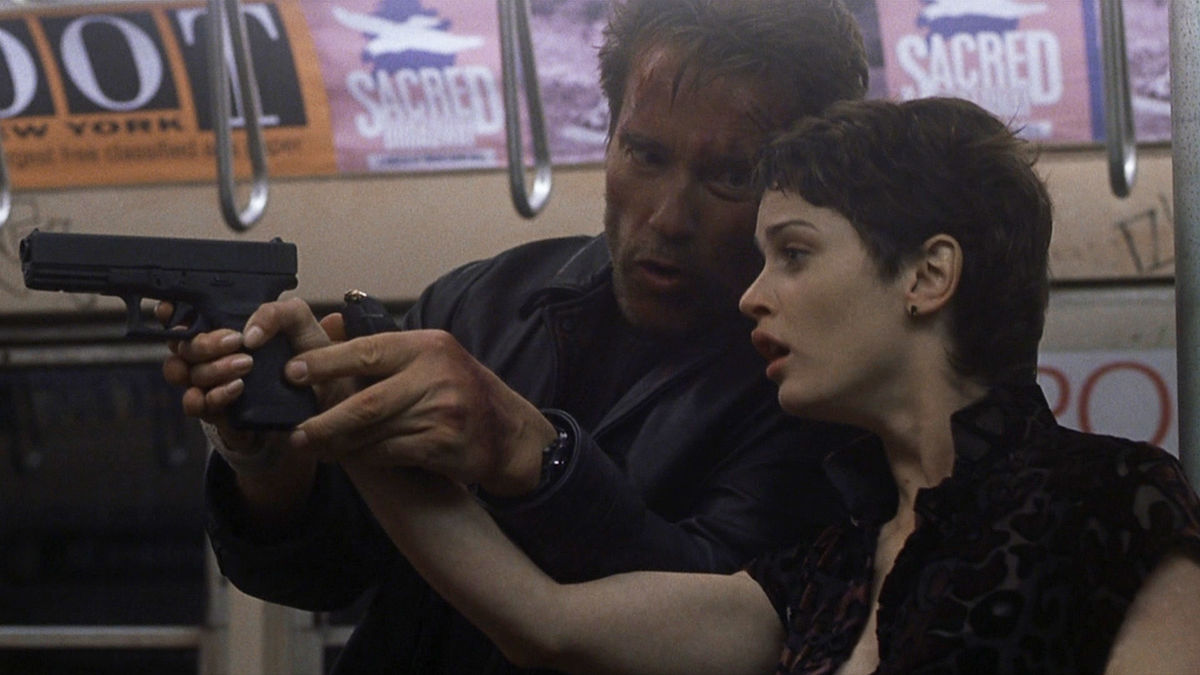
4. Narrow Margin (1990)
Genre: Thriller, Train Movie

5. 2010 (1984)
Genre: Sci-Fi, Space Exploration
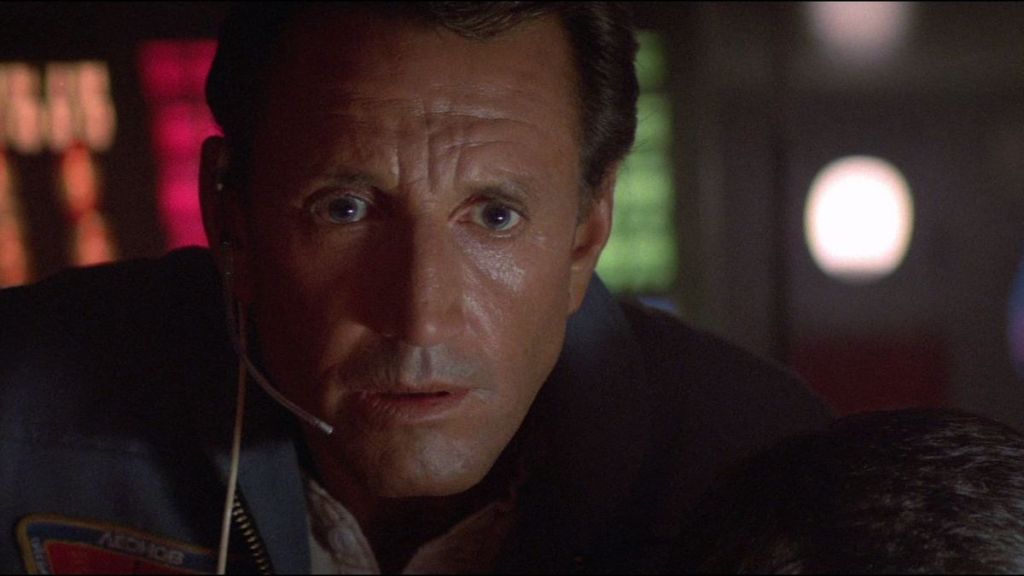
Peter Hyams: Themes and Style
Themes:
- Futurism and Society: Hyams frequently uses futuristic settings, such as Outland and 2010: The Year We Make Contact, to explore societal issues, including corporate greed and ethical dilemmas. His narratives often reflect on humanity’s direction and the potential consequences of technological advancements.
- Isolation and Survival: Many of Hyams’s films, such as Capricorn One and The Relic, feature protagonists facing isolation, whether physically or metaphorically, forcing them to rely on their survival instincts against overwhelming odds, often highlighting human resilience.
- Conspiracy and Paranoia: A recurring theme in Hyams’s work is conspiracy and institutional distrust. Films like Capricorn One tap into the paranoia surrounding government and large institutions, questioning the narratives presented to the public and the integrity of those in power.
- Justice and Morality: Hyams often explores the theme of justice, as in The Star Chamber, where the lines between right and wrong are blurred. His films frequently challenge the morality of his characters’ decisions, pushing them to confront their own ethics in the face of injustice.
Styles:
- Neo-noir Aesthetics: Hyams’s films, such as Outland, often incorporate neo-noir elements, utilising shadowy lighting, morally ambiguous characters, and complex narratives that draw viewers into a world where the line between good and evil is blurred.
- Innovative Cinematography: Known for his hands-on approach to cinematography, Hyams often serves as his own director of photography, employing innovative techniques to enhance the narrative. His use of lighting, camera angles, and movement uniquely contributes to the atmospheric tension and depth of his films.
- Practical Effects and Realism: Hyams prefers the tangibility of practical effects. His work in 2010: The Year We Make Contact showcases his commitment to realism in science fiction, using models and in-camera effects to create believable futuristic settings.
- Tense, Atmospheric Scores: Hyams’s films are often accompanied by scores that build tension and atmosphere. The music complements the narrative pace and enhances the emotional and suspenseful moments, contributing to the overall mood.
Directorial Signature:
- Versatile Genre Blending: Hyams skillfully blends genres, integrating elements of science fiction, thriller, and drama to create unique cinematic experiences. This ability to cross genres allows for diverse storytelling, which is evident in films like Timecop, which combines time travel with action and crime elements.
- Intimate Character Focus: Despite the often grandiose themes and settings, Hyams maintains a focus on character development, ensuring that the human element remains at the forefront of his stories. This approach provides depth to his narratives, making them resonate on a personal level with the audience.
- Tension and Pace: Hyams has a knack for crafting scenes that build tension and maintain a gripping pace, keeping audiences engaged from start to finish. His direction ensures that each scene contributes to the buildup of suspense, leading to climactic resolutions.
- Autonomous Creativity: By frequently taking on multiple roles in the filmmaking process, including director, writer, and cinematographer, Hyams’s films bear his distinct creative signature. This hands-on approach allows for a cohesive vision that is distinctly “Hyams,” from visual style to narrative execution.
Peter Hyams – Great Director


 Bronze Screen Dream