
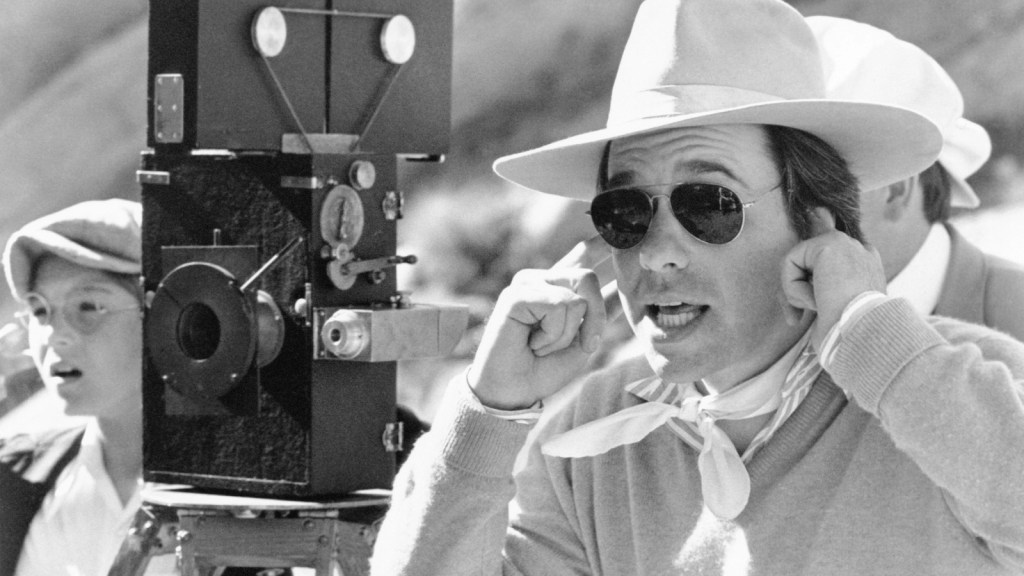
Peter Bogdanovich, an American director, writer, actor, producer, critic, and film historian, is a multifaceted figure in cinema. He became a leading director of the New Hollywood era with signature films like The Last Picture Show, What’s Up, Doc?, and Paper Moon.
Starting as a film critic, Bogdanovich developed a profound understanding of cinema’s language and its history. He began his Hollywood career under the mentorship of Roger Corman, making his directorial debut with Targets. His background as a critic and historian contributed significantly to his approach to filmmaking, often paying homage to classical Hollywood while innovatively playing with genres and narrative structures.
Bogdanovich’s films often tackle the complexities of relationships and the human condition while portraying the passage of time with melancholic nostalgia. For example, The Last Picture Show tells a coming-of-age tale in a declining small town, while Paper Moon delves into the unlikely relationship between a con man and a young girl during the Great Depression.
“I made a lot of mistakes when I was successful in the ’70s.”
Visually, Bogdanovich’s style pays homage to classical cinema with its black-and-white aesthetics, long shots, and careful compositions. His films frequently feature minimalistic editing, allowing scenes to play out in real-time, thus enhancing the emotional resonance and authenticity. His The Last Picture Show, in particular, is a brilliant example of his unique visual style, with its evocative black-and-white imagery and powerful yet subtle storytelling.
Bogdanovich’s influence on cinema extends beyond his films. As a critic and historian, he has significantly contributed to preserving film history and reappraising many underappreciated directors. His distinctive style, themes, and ability to blend homage with innovation have influenced numerous filmmakers, both domestically and internationally. Despite varying critical and commercial success, his films remain influential, with The Last Picture Show often cited as one of the greatest American films. His body of work solidifies his place as one of the key figures in the New Hollywood movement.
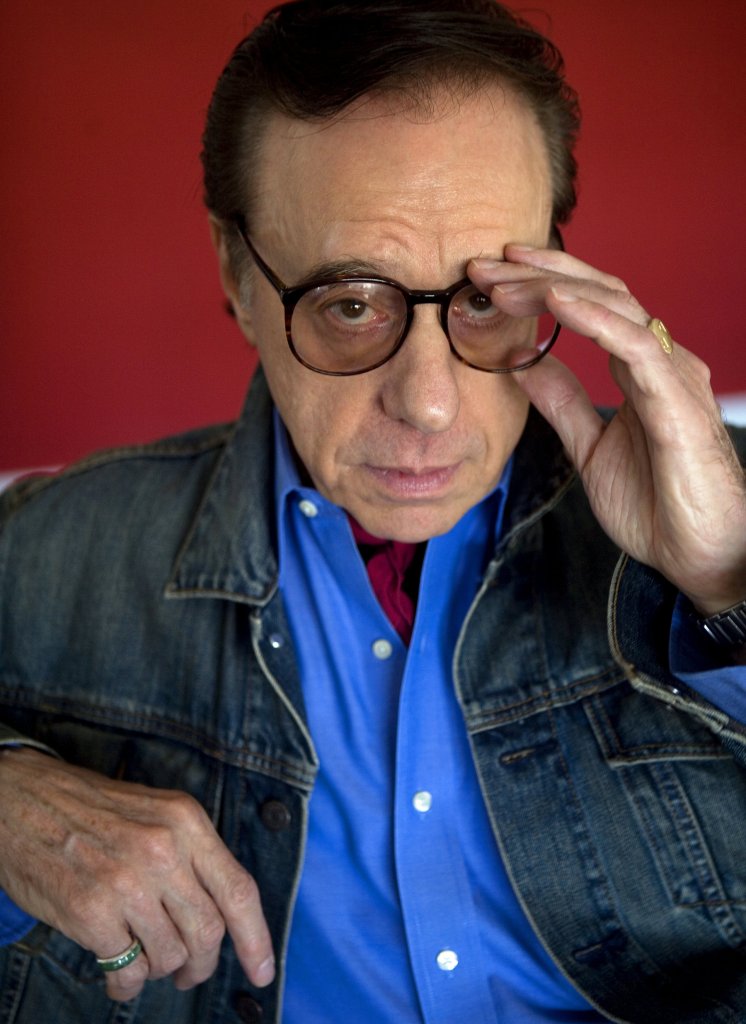
Peter Bogdanovich (1939 – 2022)
Calculated Films:
- Targets (1968)
- The Last Picture Show (1971)
- What’s Up, Doc? (1972)
- Paper Moon (1973)
- Tom Petty and the Heartbreakers: Runnin Down a Dream (2007)
Similar Filmmakers


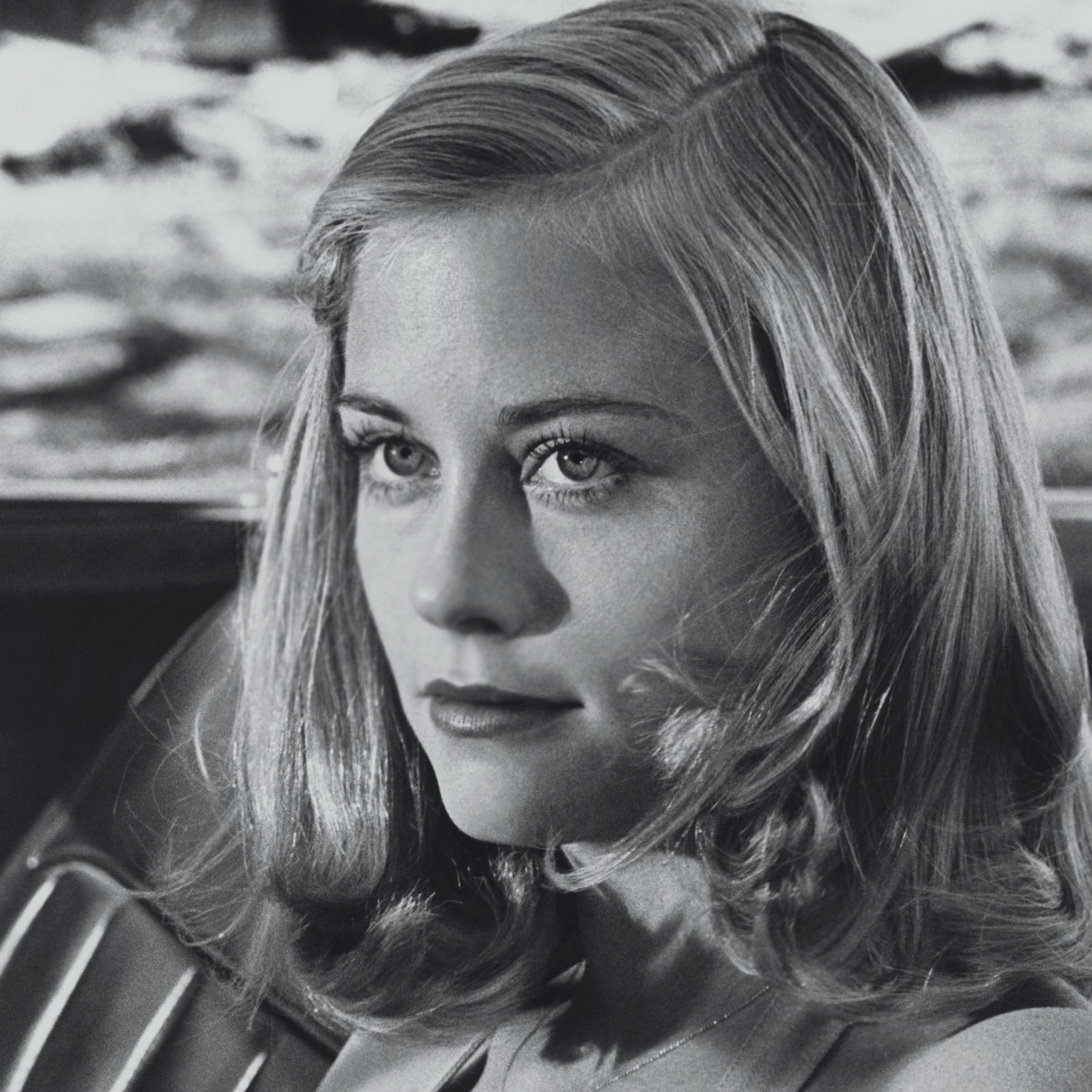
Peter Bogdanovich’s Top 10 Films Ranked
1. The Last Picture Show (1971)
Genre: Coming-of-Age, Drama, Slice of Life, Period Drama

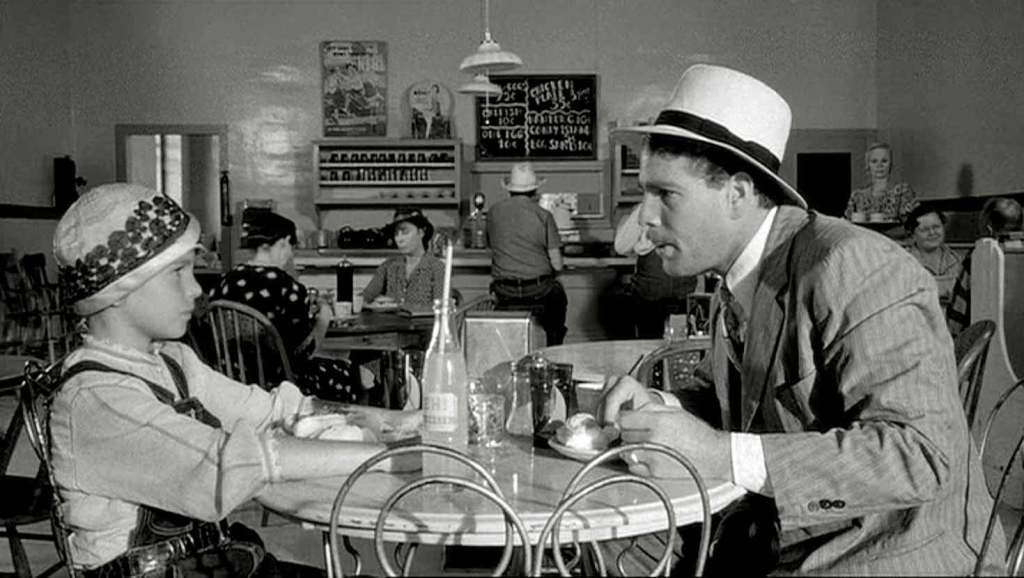
2. Paper Moon (1973)
Genre: Road Movie, Comedy, Drama, Buddy, Period Drama
3. What’s Up Doc (1972)
Genre: Screwball Comedy
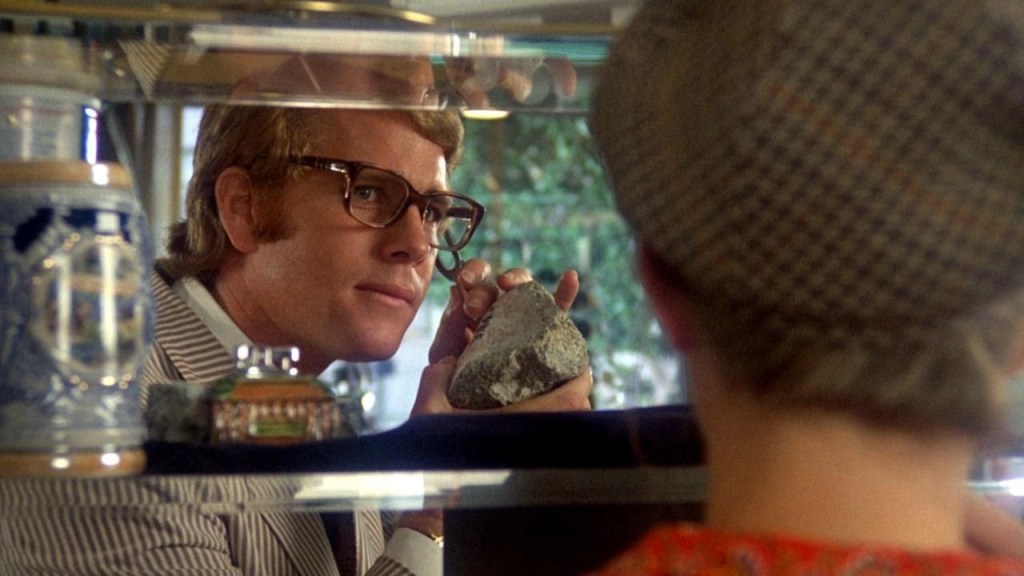
4. Tom Petty and the Heartbreakers – Runnin Down a Dream (2007)
Genre: Rockumentary

5. Targets (1968)
Genre: Thriller, Crime

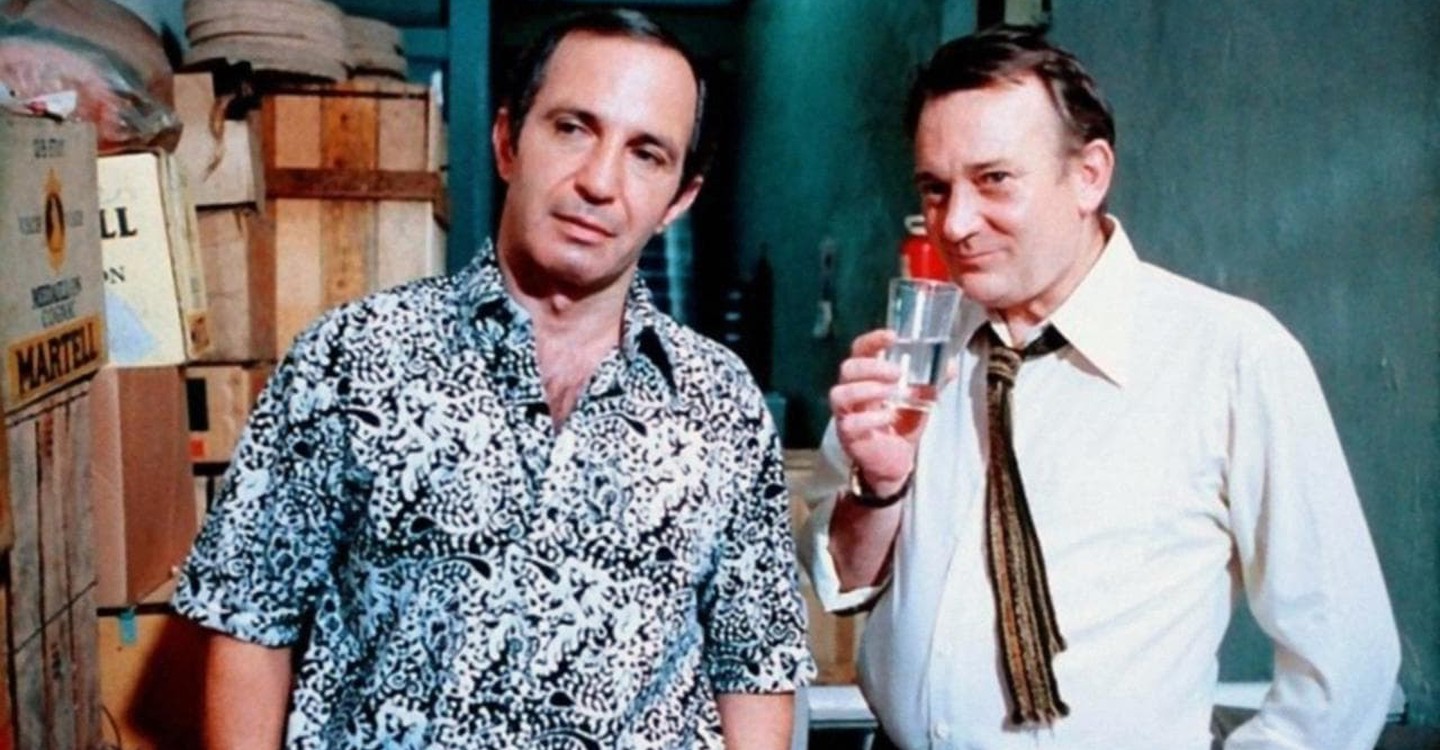
6. Saint Jack (1979)
Genre: Drama

7. Directed by John Ford (1971)
Genre: Movie Documentary, Biography Documentary

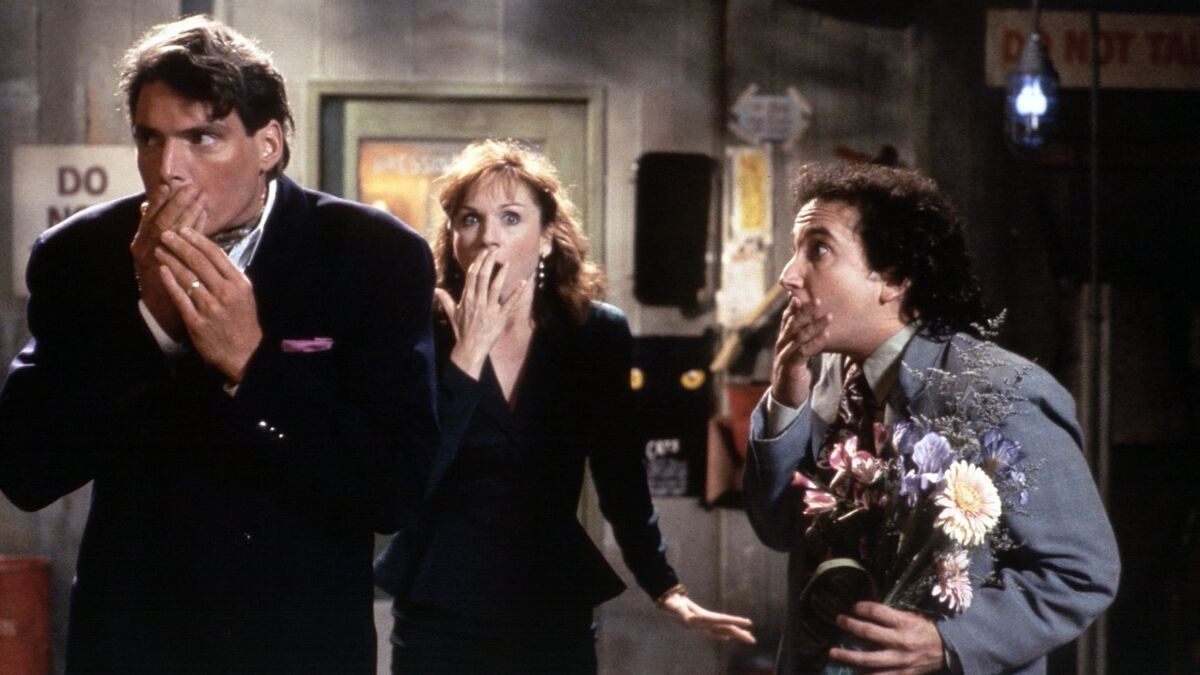
8. Noises Off… (1992)
Genre: Comedy
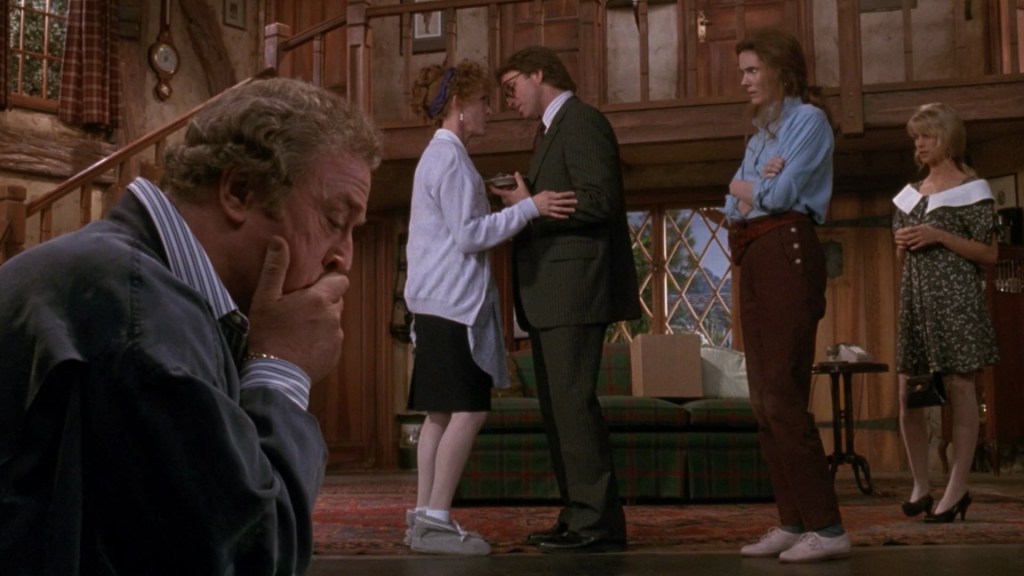
9. They All Laughed (1981)
Genre: Comedy, Romantic Comedy
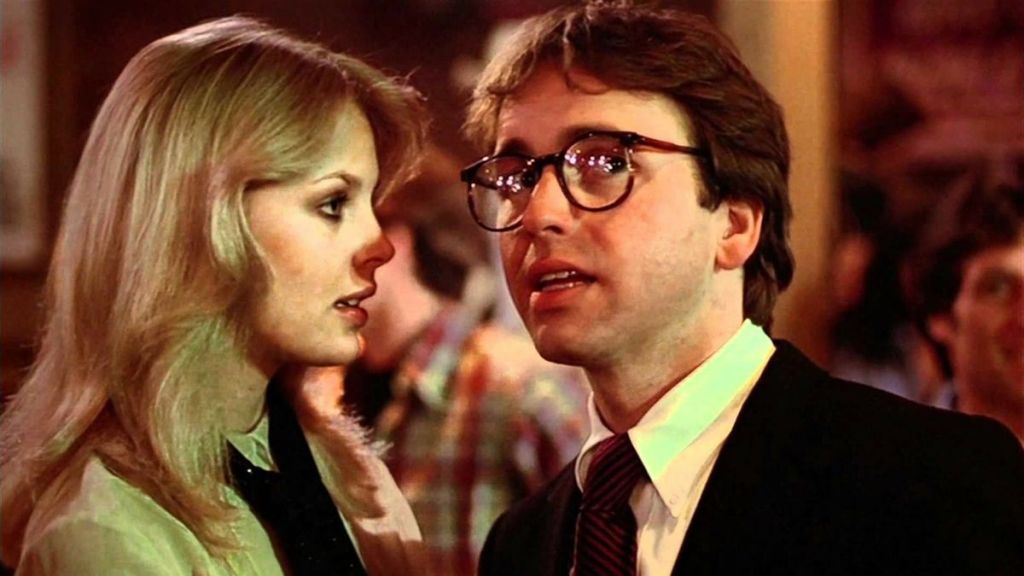
10. The Great Buster (2018)
Genre: Movie Documentary, Biography Documentary
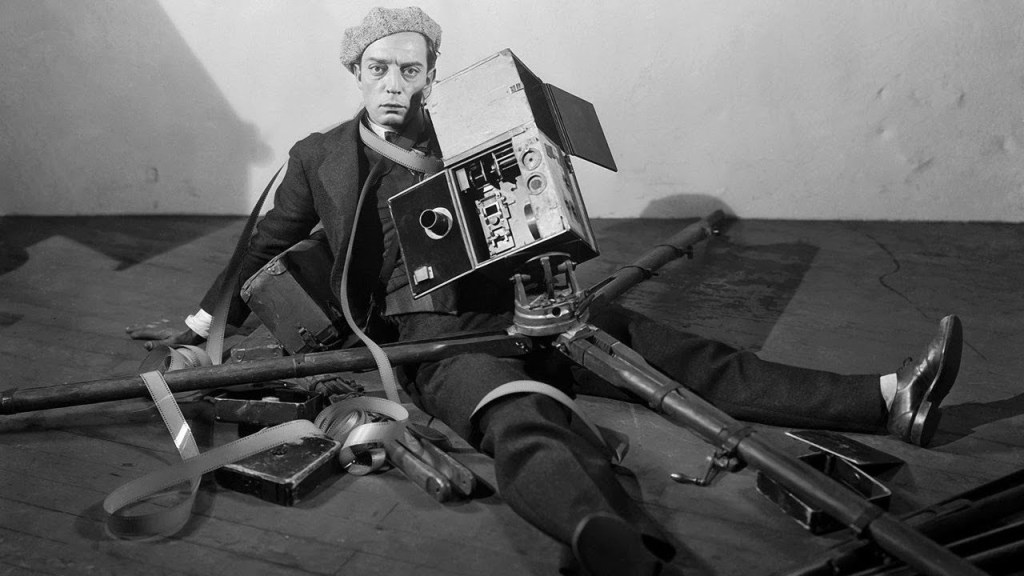
Peter Bogdanovich: Themes and Style
Themes:
- Homage to Classic Hollywood: Bogdanovich had a profound respect for the golden era of Hollywood, often paying tribute to classic films and filmmakers through his works. His movies often encapsulate the aesthetic and narrative style reminiscent of the 1930s and 1940s cinema.
- Complex Relationships: Many of his films delve into the intricate dynamics of human relationships, exploring themes of love, betrayal, and friendship. He had a keen understanding of the human psyche, which was reflected in the nuanced depiction of his characters and their interactions.
- Art and Artistry: His works often explore the lives of artists, their creative processes, struggles, and triumphs. This theme was close to Bogdanovich’s heart as he himself navigated the challenging landscape of the film industry.
- Nostalgia and Memory: The director often employed nostalgia as a narrative device, creating films that reflected a longing for the past or explored the complex interplay between memory and reality.
Styles:
- Visual Style: Bogdanovich’s visual style was deeply influenced by classic Hollywood cinema. He often utilised black and white cinematography, long takes, and deep focus shots to create a timeless aesthetic. His framing and composition were meticulously crafted, providing a visual treat for the audience.
- Narrative Structure: He was known for his linear and straightforward narrative structures, often with a focus on character development and emotional depth. The storytelling in his films is clear and accessible, drawing viewers into the lives of the characters.
- Dialogue: Bogdanovich’s films are characterised by sharp, witty, and often rapid-fire dialogue. He had a gift for writing dialogue that was not only entertaining but also revealing of character and crucial to the progression of the story.
- Performance Direction: He had a knack for eliciting remarkable performances from his actors, guiding them to inhabit their roles fully. The director worked closely with performers to craft memorable and authentic characters.
Directorial Signature:
- Celebration of Cinema: Bogdanovich’s love and knowledge of cinema were evident in all his works. He celebrated the medium itself, creating films that were both a reflection of and contribution to the rich tapestry of film history.
- Intimate Character Studies: Many of his films are intimate portraits of individuals navigating through life, love, and art. His characters are deeply fleshed out, providing audiences with a window into their souls.
- Comedy-Drama: He seamlessly integrated elements of comedy and drama into his films, crafting stories that were simultaneously entertaining and thought-provoking. This balance created a unique tone that is identifiable in many of his works.
Peter Bogdanovich: The 144th Greatest Director


 Bronze Screen Dream