
Pedro Costa, a Portuguese director recognised for his austere aesthetic and attention to marginalised communities, is considered one of the most influential filmmakers of his generation. His best-known works, like Colossal Youth and Horse Money, offer deep, empathetic insights into the lives of Lisbon’s underprivileged residents, distinguishing his approach from more conventional cinematic narratives.
Costa began his filmmaking career as a student of history and philosophy, but his interest in art and literature led him to cinema. This background is evident in his work, which incorporates painting, poetry, and theatrical elements, creating a hybrid of documentary realism and poetic stylisation. Costa’s storytelling leans towards minimalism, focusing on the day-to-day experiences of his characters rather than traditional dramatic arcs. His narrative style is complemented by his use of non-professional actors, who are often residents of the communities he portrays, enhancing the authenticity of his films.
His work, characterised by an austere and minimalist aesthetic, features long takes, sparse dialogue, and limited locations. Much of this aesthetic is enabled by his adoption of digital filmmaking techniques, which allow him to work with small crews and spend extended periods with his subjects. These elements combine to create a distinct cinematic language that powerfully portrays the lives of marginalised communities, particularly in the Fontainhas neighbourhood of Lisbon.
Documenting the Unseen Realities of Lisbon’s Dispossessed
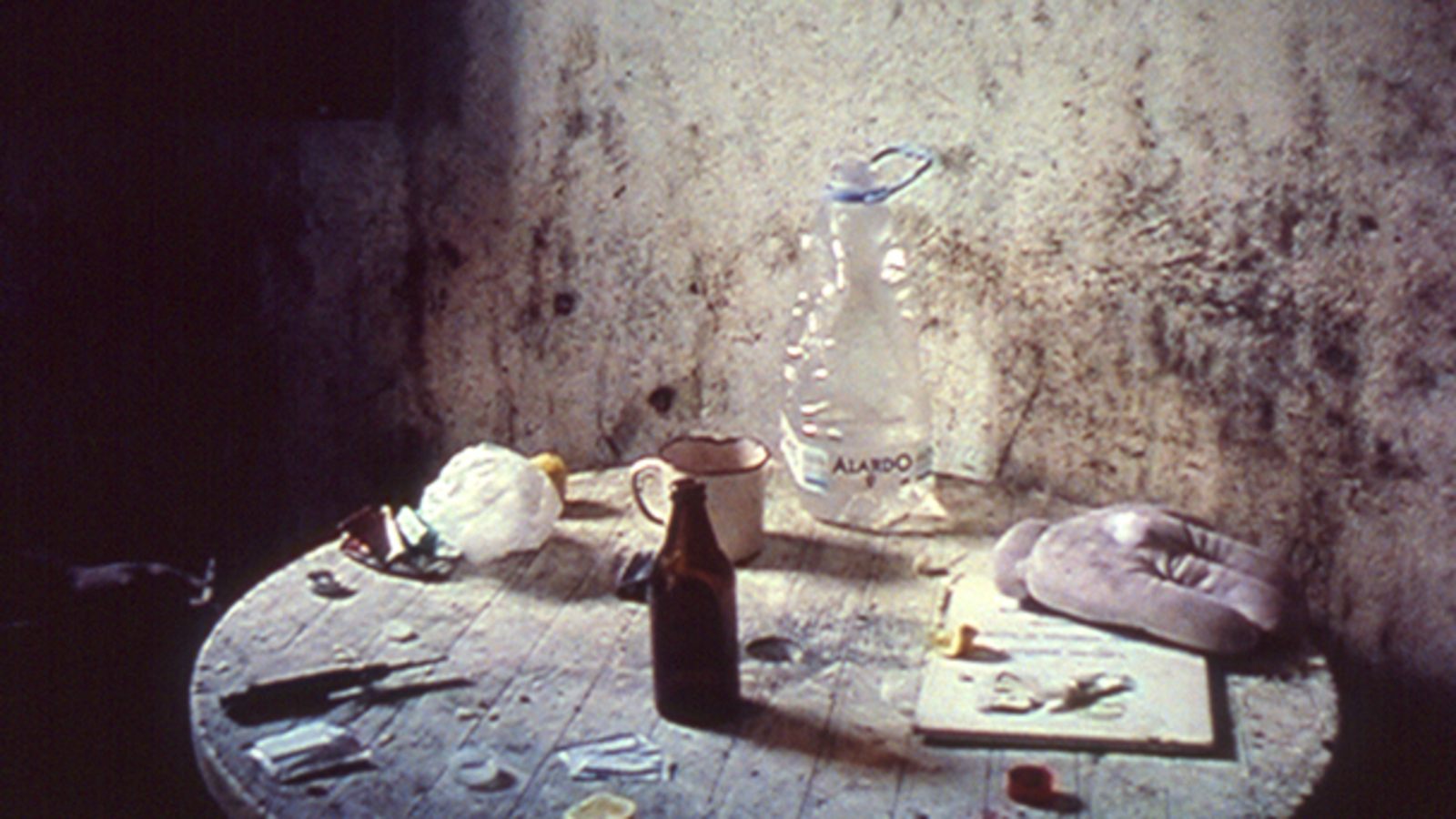
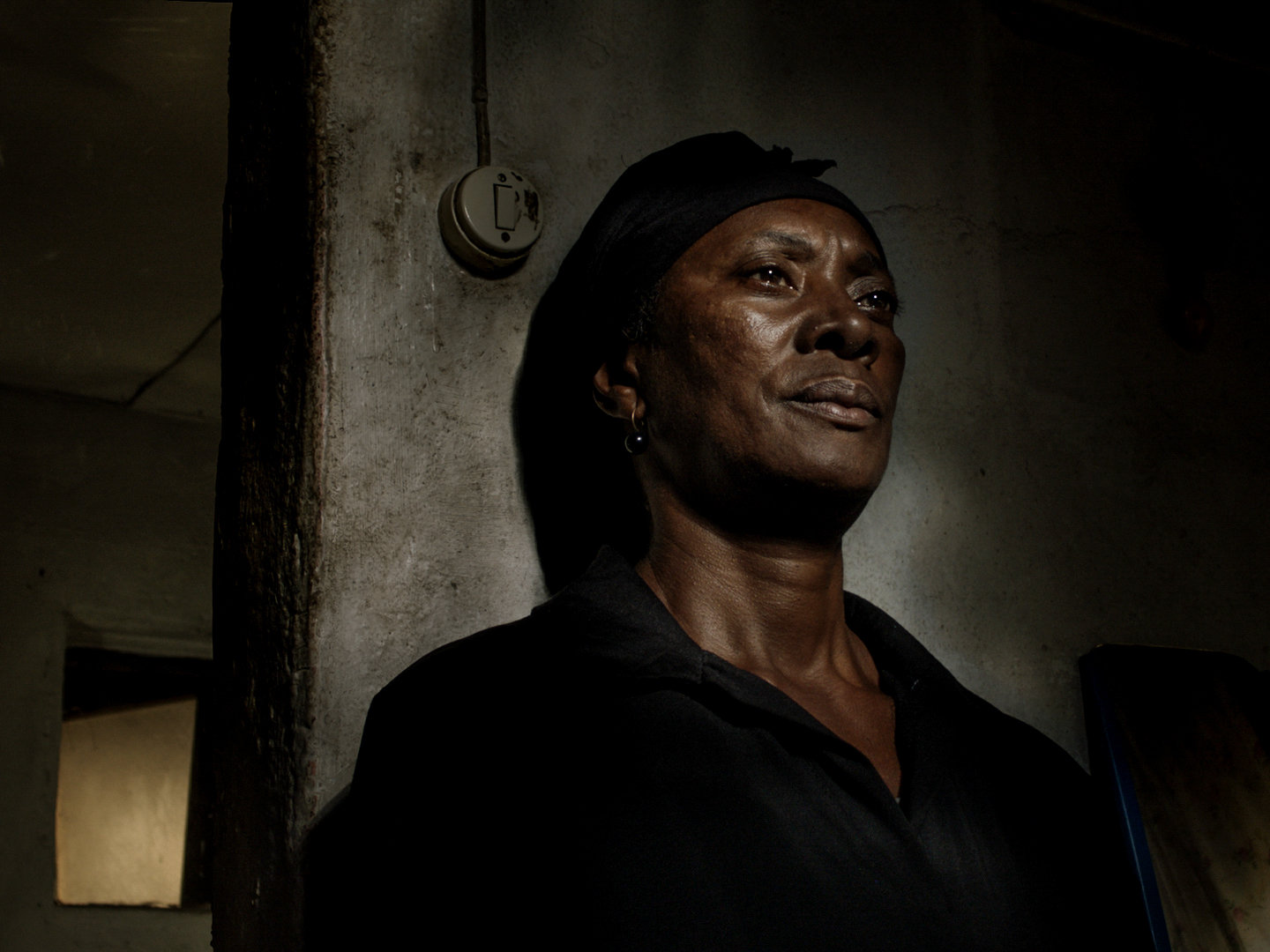
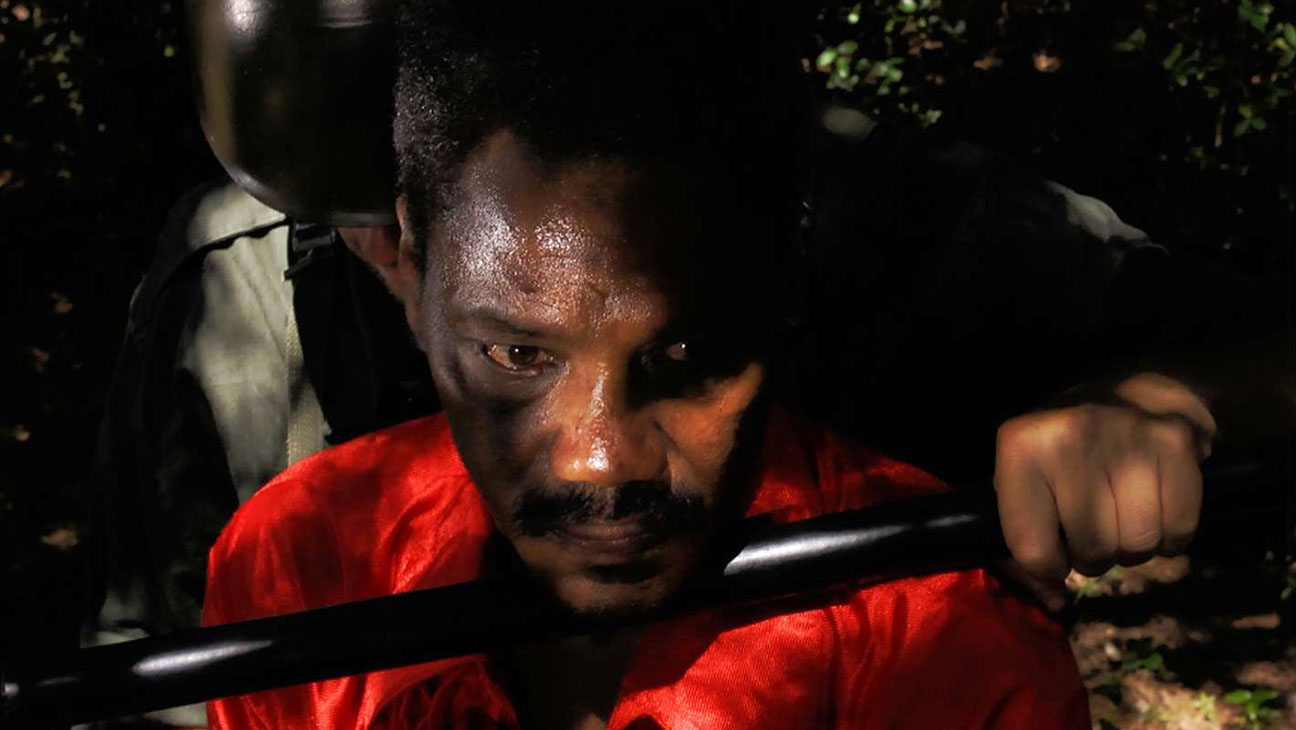
In collaboration with cinematographers like Leonardo Simões, Costa’s films are visually distinct, making powerful use of light and shadow. This, in combination with his austere aesthetic, creates a unique visual style that serves to underline the reality of the communities he depicts while adding a layer of poetic depth.
Despite the challenging nature of his work, Pedro Costa has garnered international acclaim and significantly influenced global cinema. His films frequently feature at major international film festivals, cementing his status as one of the most important directors of his generation. He has inspired filmmakers worldwide who have adopted his empathetic and socially conscious approach to storytelling.

Pedro Costa (1959 –)
Calculated Films:
- Blood (1989)
- Casa de Lava (1994)
- Ossos (1997)
- In Vanda’s Room (2000)
- Colossal Youth (2006)
- Change Nothing (2009)
- Horse Money (2014)
- Vitalina Varela (2019)
Similar Filmmakers
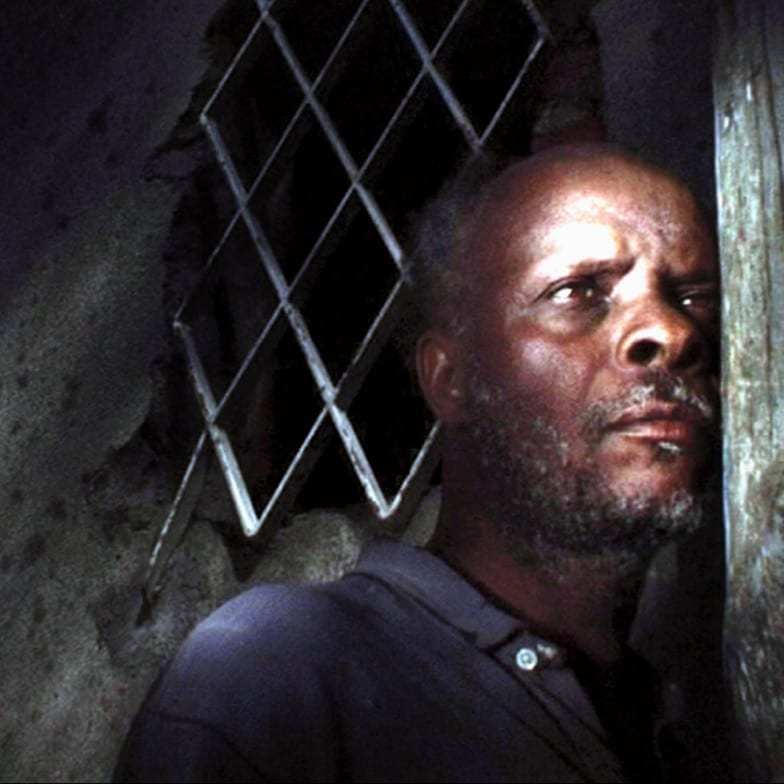
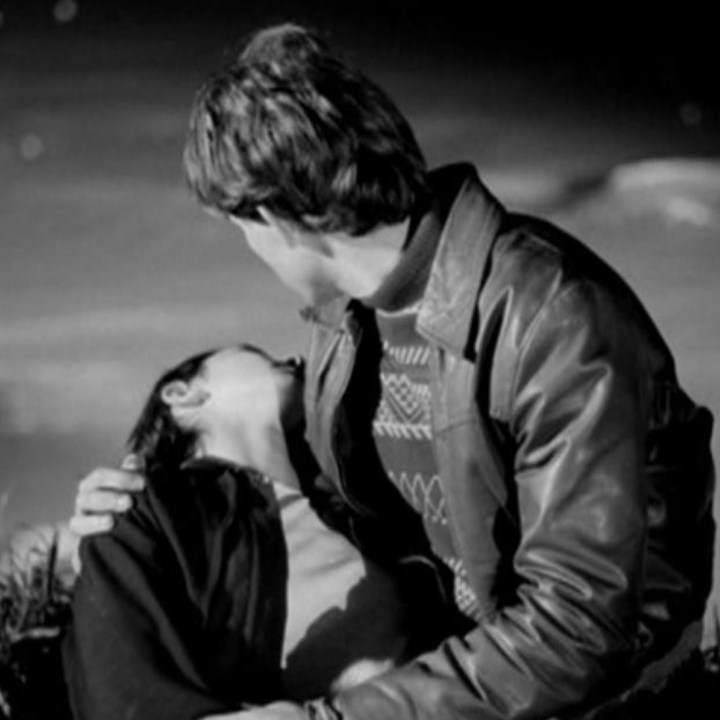
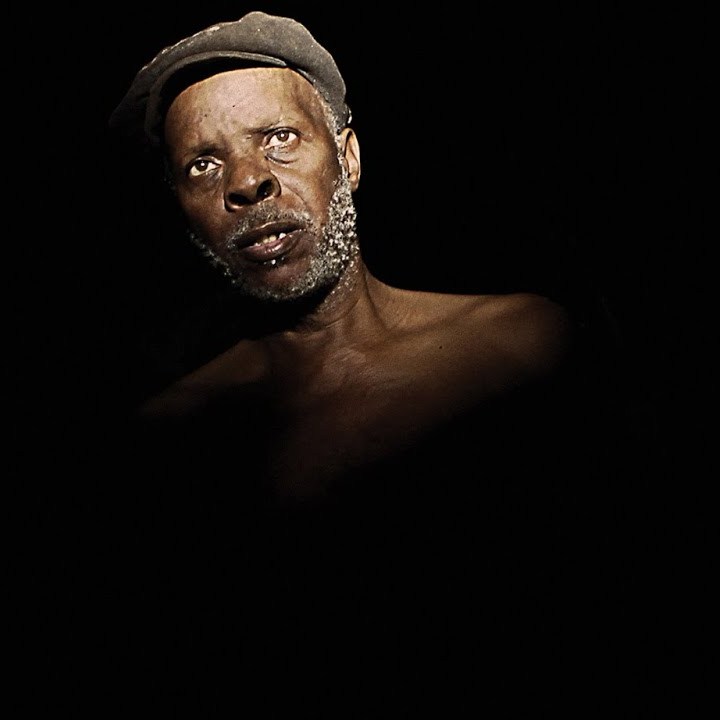
Pedro Costa’s Top 10 Films Ranked
1. In Vanda’s Room (2000)
Genre: Docudrama, Slow Cinema, Ethnofiction
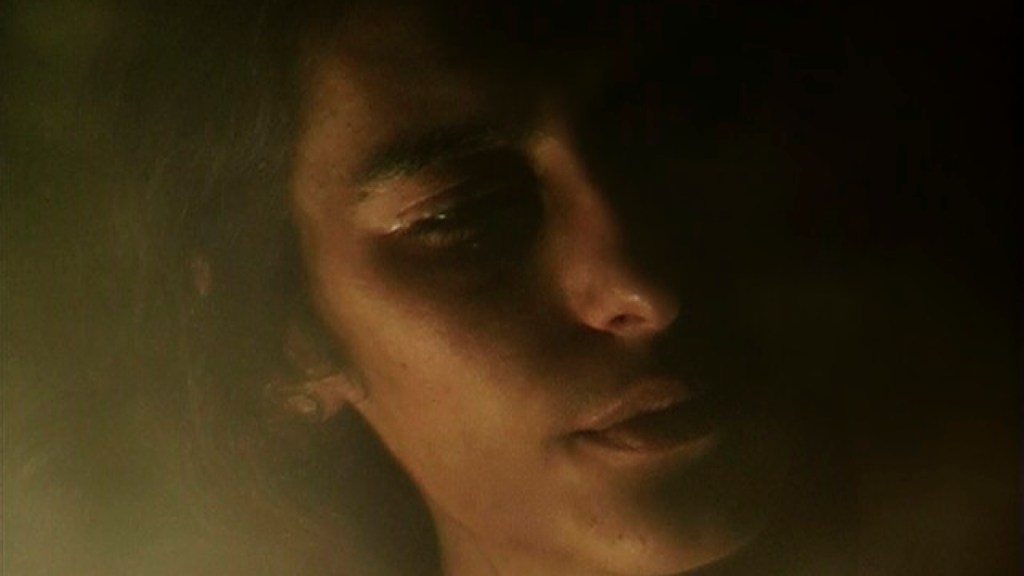
2. Where Does Your Hidden Style Lie? (2001)
Genre: Movie Documentary
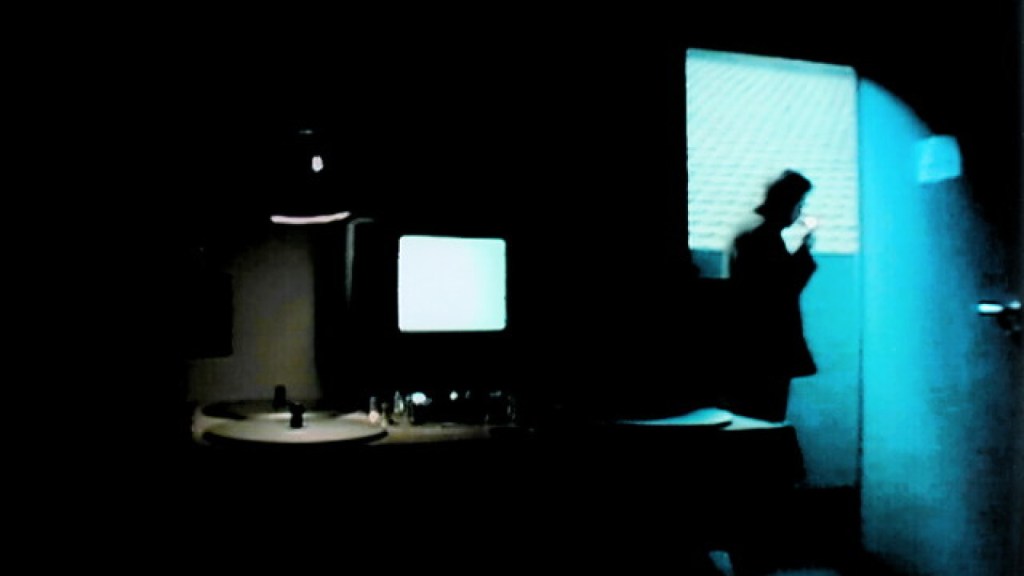
3. Colossal Youth (2006)
Genre: Docudrama, Slow Cinema, Ethnofiction
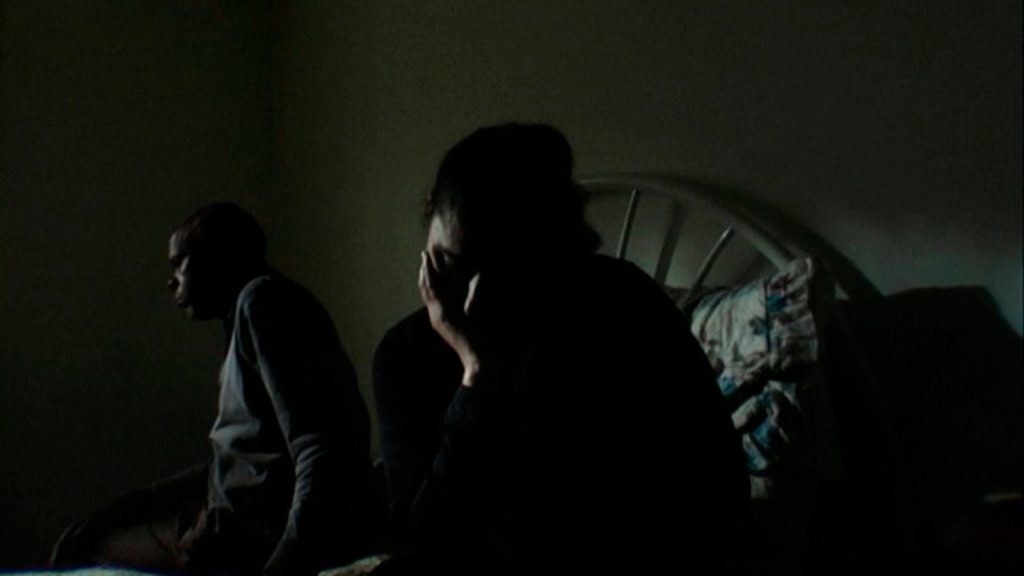
4. Horse Money (2014)
Genre: Drama, Slow Cinema
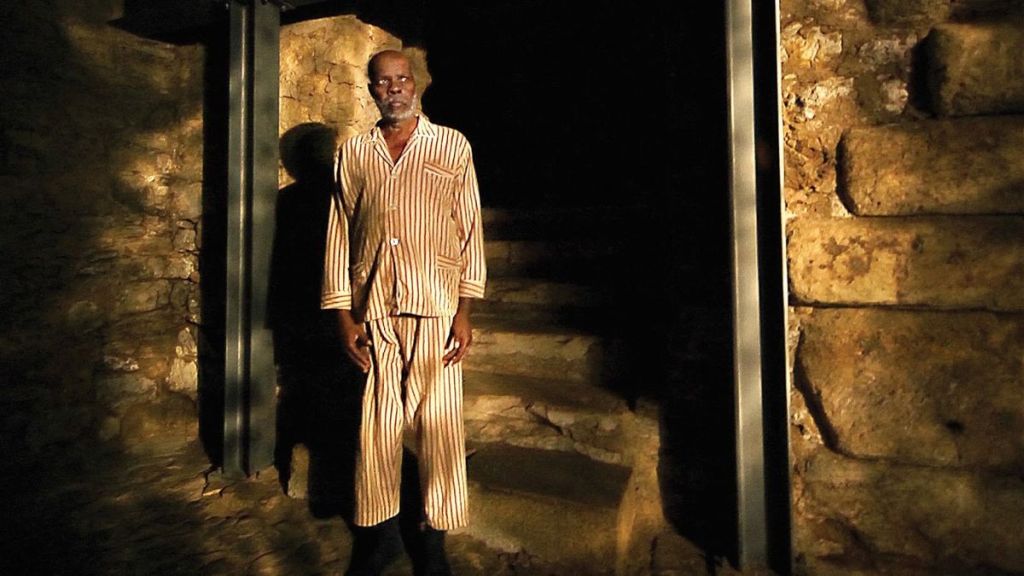
5. Blood (1989)
Genre: Drama

6. Vitalina Varela (2019)
Genre: Drama, Slow Cinema
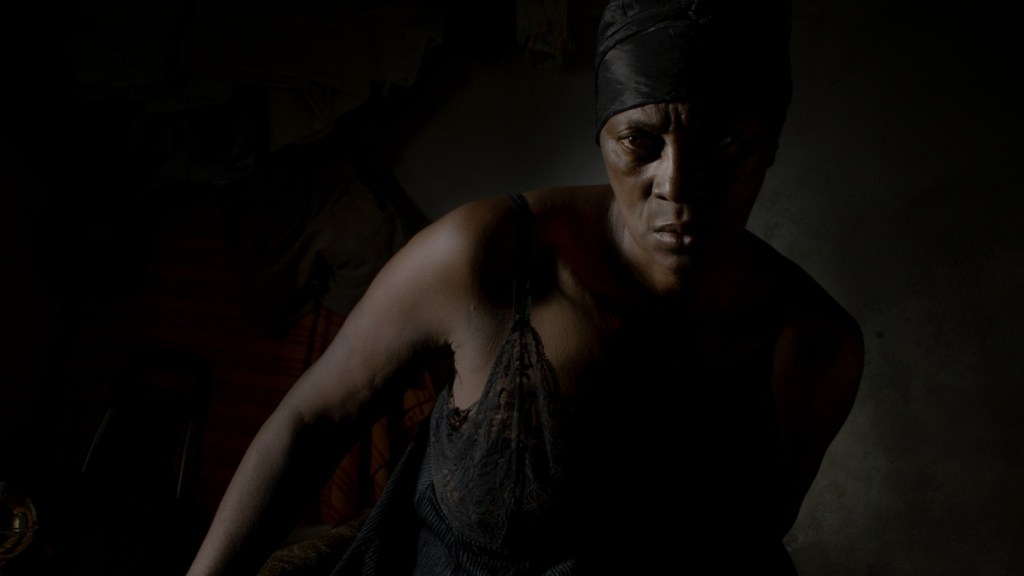
7. Change Nothing (2009)
Genre: Music Documentary
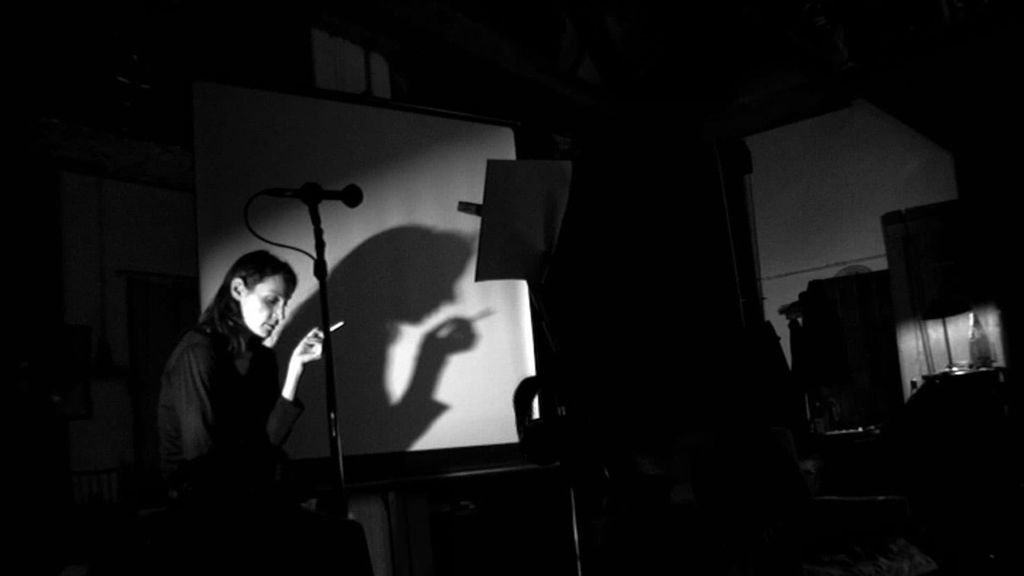
8. Casa de Lava (1994)
Genre: Drama, Ethnofiction
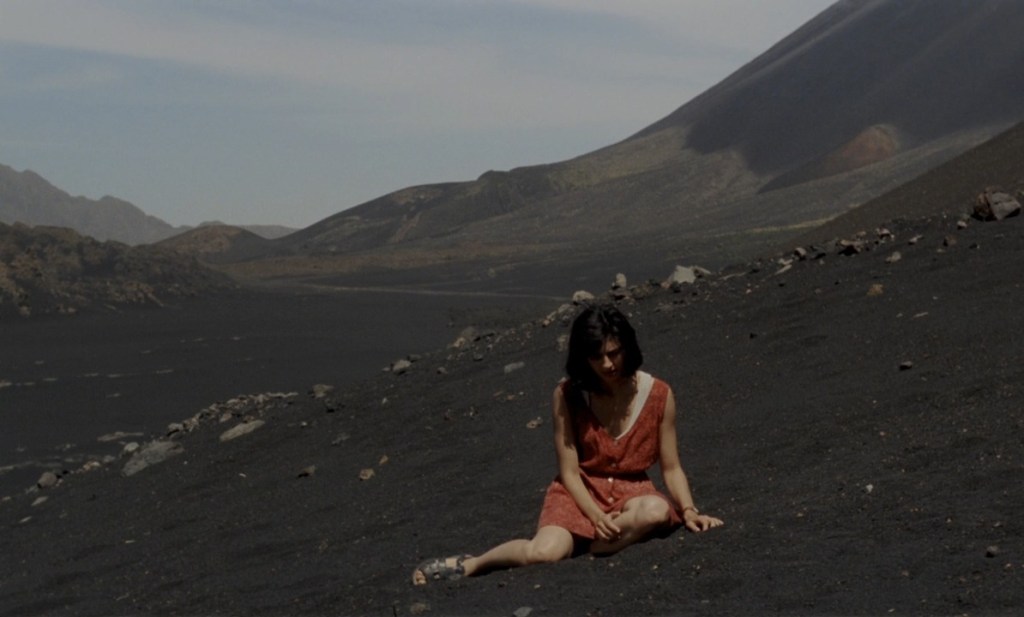
9. Ossos (1997)
Genre: Drama, Slow Cinema
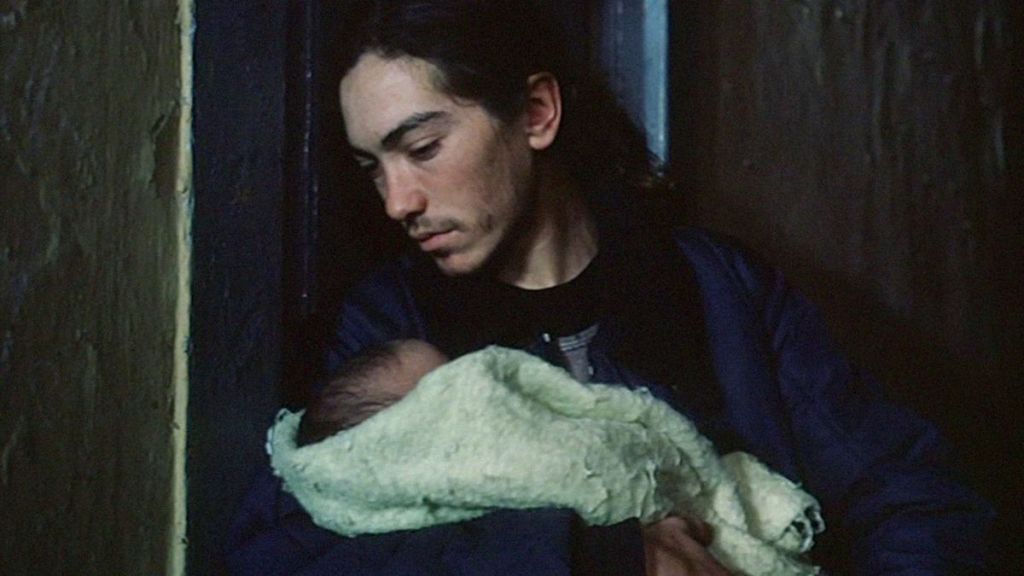
10. The Rabbit Hunters (2007)
Genre: Docudrama, Slow Cinema

Pedro Costa: Themes and Style
Themes:
- Marginalised Communities: Costa often focuses on impoverished, marginalised communities, bringing their stories to the forefront. His films frequently shed light on the lives of immigrants, particularly those from Cape Verde living in Lisbon.
- Isolation and Alienation: Many of his characters are depicted as isolated or alienated, struggling to connect with others and their environment. These themes often underscore the broader societal issues that contribute to their isolation.
- The Human Struggle: Costa’s films explore the everyday battles and existential crises faced by individuals. He keenly observes and presents the internal and external struggles that define the human condition.
- Cultural Identity: With a strong focus on the immigrant experience, Costa’s works explore themes of cultural identity, displacement, and the longing for home. His characters are often caught between two worlds, navigating the complexities of preserving their heritage while adapting to new environments.
Styles:
- Minimalistic Style: Costa is known for his minimalist aesthetic, utilising natural lighting and sparse sets. His style is often described as austere, with a focus on essential, impactful elements within the frame.
- Static Camera Work: He frequently employs long takes with a stationary camera, allowing scenes to unfold gradually. This approach encourages viewers to immerse themselves fully in the environment and the characters’ emotional states.
- Non-Professional Actors: Costa often works with non-actors from the communities he portrays, lending an authentic, documentary-like quality to his films. The performances in his movies are often deeply personal and rooted in the actors’ real-life experiences.
- Visual Composition: Despite his minimalistic approach, Costa’s films are visually striking, with a careful consideration of composition and framing. He crafts each shot with a photographer’s eye, resulting in images that are both stark and profoundly beautiful.
Directorial Signature:
- Narrative Approach: Costa’s narratives are often elliptical and fragmented, requiring viewers to actively engage with the film to piece together the story. He avoids traditional storytelling structures, opting instead for a more contemplative, meditative approach.
- Atmosphere Over Plot: His films prioritise atmosphere and mood over plot, immersing viewers in the emotional landscape of the characters and their environments. Costa’s work is more about creating a sensory experience than following a linear narrative.
- Naturalistic Dialogue: Costa’s dialogue often mimics the rhythms and patterns of everyday speech. The interactions between characters are real and unforced, further blurring the lines between fiction and documentary.
- Engagement with Real Communities: Many of Costa’s films are shot on location in the neighbourhoods he depicts, often over extended periods. He engages deeply with these communities, resulting in movies that are collaborative projects, reflecting the lived experiences of the people portrayed.
Pedro Costa: The 140th Greatest Director

 Bronze Screen Dream