

Paweł Pawlikowski, a Polish film director, has made significant contributions to contemporary cinema. Some of his most acclaimed films include Ida and Cold War, both of which garnered international praise and numerous awards. Ida won the Academy Award for Best Foreign Language Film, while Cold War received multiple nominations at the Oscars, including Best Director and Best Foreign Language Film.
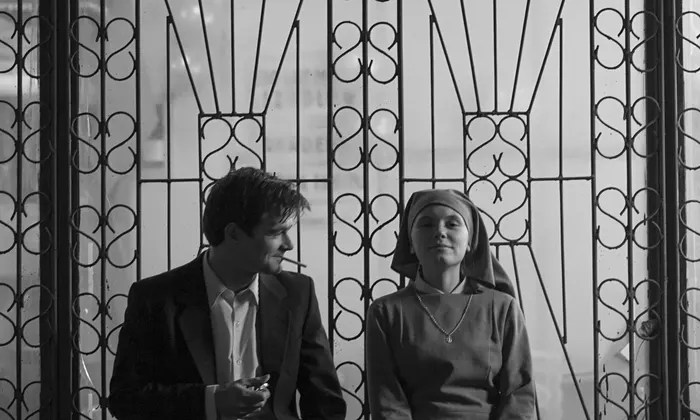
Pawlikowski’s career is marked by a distinct narrative and visual style that often revolves around themes of identity, displacement, and the intricate dynamics of human relationships. His films frequently explore the historical and political landscapes of Eastern Europe, weaving personal stories with larger socio-political contexts. In Ida, he delves into the haunting past of the Holocaust and Stalinism in Poland, presenting a visually stark and emotionally resonant tale of a young nun uncovering family secrets. Similarly, Cold War is a visually arresting love story set against the backdrop of the Cold War, highlighting the constraints of politics on personal lives. Pawlikowski’s use of black-and-white cinematography in these films not only adds aesthetic beauty but also intensifies the emotional depth and historical resonance of the narratives.
Moreover, Pawlikowski’s direction is characterised by its meticulous attention to detail and a strong sense of place. His films often feature tight, composed shots that focus on characters’ expressions and interactions, creating an intimate atmosphere that draws viewers deeply into the story. The director’s ability to convey complex emotions and histories through visual storytelling is a testament to his skill and sensitivity as a filmmaker.

Paweł Pawlikowski (1957 –)
Calculated Films:
- Ida (2013)
- Cold War (2018)
Similar Filmmakers
- Agnieszka Holland
- Alfonso Cuaron
- Andrey Zvyagintsev
- Andrzej Jakimowski
- Ingmar Bergman
- Jan Komasa
- Joanna Kos-Krauze
- Joanne Hogg
- Krzysztof Kieslowski
- Laszlo Nemes
- Malgorzata Szumowska
- Nuri Bilge Ceylan
- Sergei Loznitsa
- Terence Davies
- Terrence Malick
- Tomasz Wasilewski
- Valeska Grisebach
- Wim Wenders


Paweł Pawlikowski’s Top 5 Films Ranked
1. Ida (2013)
Genre: Drama, Period Drama

2. Cold War (2018)
Genre: Romance, Period Drama

3. Last Resort (2000)
Genre: Drama

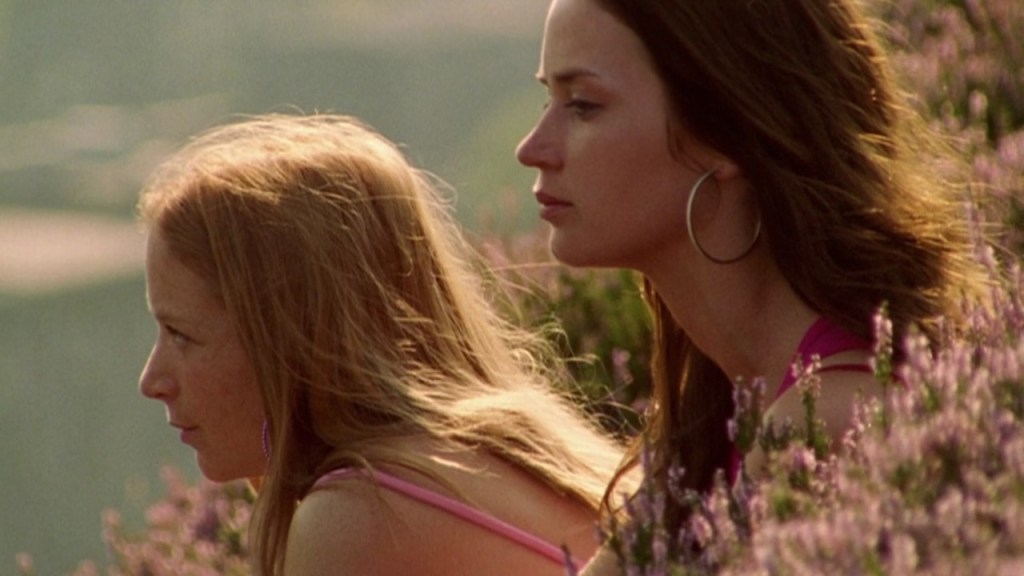
4. My Summer of Love (2004)
Genre: Romance, Drama
5. The Woman in the Fifth (2011)
Genre: Mystery, Psychological Thriller, Thriller

Paweł Pawlikowski: Themes and Style
Themes:
- Existential and Emotional Exploration: Pawlikowski often delves deep into existential themes, exploring complex emotional landscapes. In Ida, he examines identity and faith amidst the backdrop of post-war Poland, creating a poignant narrative about self-discovery and historical reckoning.
- Cultural and Political Contexts: His films are frequently set against significant historical and political backdrops. Cold War masterfully intertwines a passionate love story with the oppressive political climate of the Cold War era, highlighting the impact of societal upheaval on personal lives.
- Isolation and Connection: A recurring theme in Pawlikowski’s work is the tension between isolation and connection. This is evident in My Summer of Love, where he explores the intense relationship between two young women from different worlds, highlighting themes of loneliness and the desire for belonging.
- Moral Complexity and Ambiguity: Pawlikowski doesn’t shy away from moral ambiguity. His characters often face complex ethical dilemmas, as seen in The Woman in the Fifth, where the protagonist’s struggle with his own morality blurs the line between reality and imagination.
- Nostalgia and Memory: Many of Pawlikowski’s films exhibit a deep sense of nostalgia and a focus on the fluidity of memory. In Last Resort, he explores the power of memory and the past in shaping our identities and decisions, often with a melancholic undertone.
Styles:
- Visual Austerity and Composition: Pawlikowski’s style is marked by a stark visual austerity. In Ida, he employs monochromatic imagery and careful composition to create a visually arresting film that complements its sombre themes.
- Subdued Storytelling: His films often feature intimate storytelling with a quiet tone. In Cold War, the narrative unfolds in a manner that is both intimate and epic, focusing on the nuances of the characters’ relationships against a grand historical backdrop.
- Blending Realism with Stylistic Flourishes: Pawlikowski combines realistic narratives with stylistic flourishes. In My Summer of Love, the use of vibrant colours and fluid cinematography contrasts with the film’s realistic portrayal of teenage angst and exploration.
- Use of Music and Soundscapes: He frequently uses music and unique soundscapes to enhance the narrative. The soundtrack of Cold War plays a pivotal role, not only in setting the mood but also in advancing the story and developing characters.
- Nonlinear and Ambiguous Narratives: Pawlikowski often employs nonlinear storytelling and ambiguity. The Woman in the Fifth exemplifies this, using an enigmatic narrative structure that keeps the audience questioning what is real and what is imagined.
Directorial Signature:
- Cross-Cultural and Linguistic Diversity: He frequently explores cross-cultural themes and incorporates multiple languages, reflecting his own multicultural background. In Cold War, the use of different languages and settings across Europe enhances the film’s exploration of identity and belonging.
- Minimalist Approach: Pawlikowski is known for his minimalist approach to filmmaking. He often uses a limited number of characters and settings, focusing on the essentials of the story, as evident in the sparse and focused narrative of Ida.
- Crafting Atmosphere: Pawlikowski excels in crafting a distinctive atmosphere that complements the narrative. Whether it’s the melancholic ambience of Last Resort or the tense mood of The Woman in the Fifth, his ability to create a palpable atmosphere is a hallmark of his directorial style.
Paweł Pawlikowski – Great Director



 Bronze Screen Dream