
Paul Mazursky was an American filmmaker and actor best known for his insightful and often comedic explorations of modern relationships, societal changes, and the human condition. His films, such as Bob & Carol & Ted & Alice and An Unmarried Woman, are celebrated for their blend of humour and drama, capturing the zeitgeist of the times they were made in.
His films often dive into the complexities of human relationships, usually set against the backdrop of societal shifts. For instance, Blume in Love delves into the intricacies of love and infidelity, while Down and Out in Beverly Hills offers a satirical look at the lives of the wealthy in Los Angeles. His films frequently tackle subjects like marital struggles, the search for identity, and the challenges of adapting to changing cultural norms. Another recurring motif in his works is the juxtaposition of different cultures and lifestyles, as seen in Moscow on the Hudson, where a Soviet musician experiences the highs and lows of life in the United States.
Mazursky had a knack for capturing the essence of the era, be it through the fashion, settings, or the very texture of the scenes. His approach to filmmaking was characterised by a blend of realism and wit, often allowing his characters to evolve organically, making them relatable and authentic. This authenticity was further enhanced by his penchant for improvisation, giving actors the freedom to explore their characters deeply.
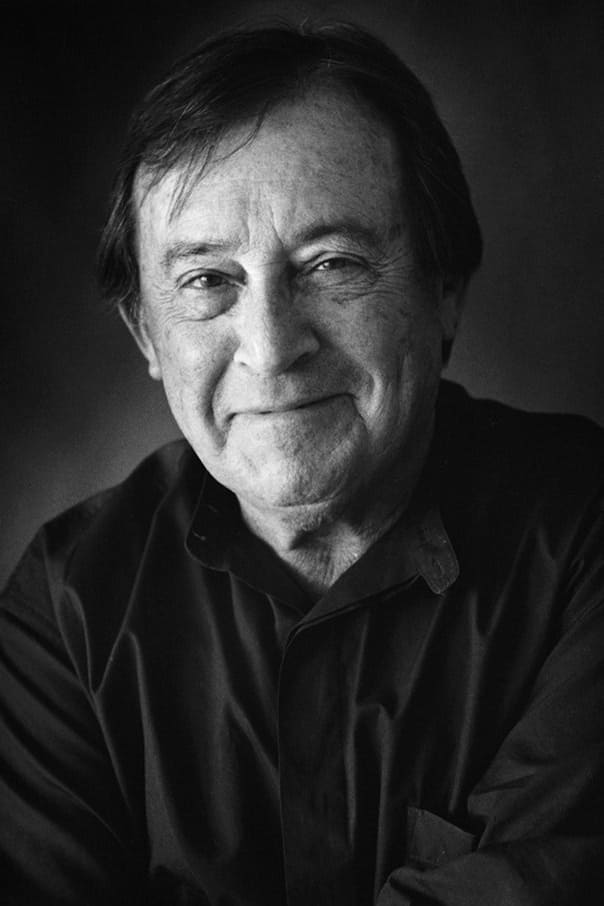
Paul Mazursky (1930 – 2014)
Calculated Films:
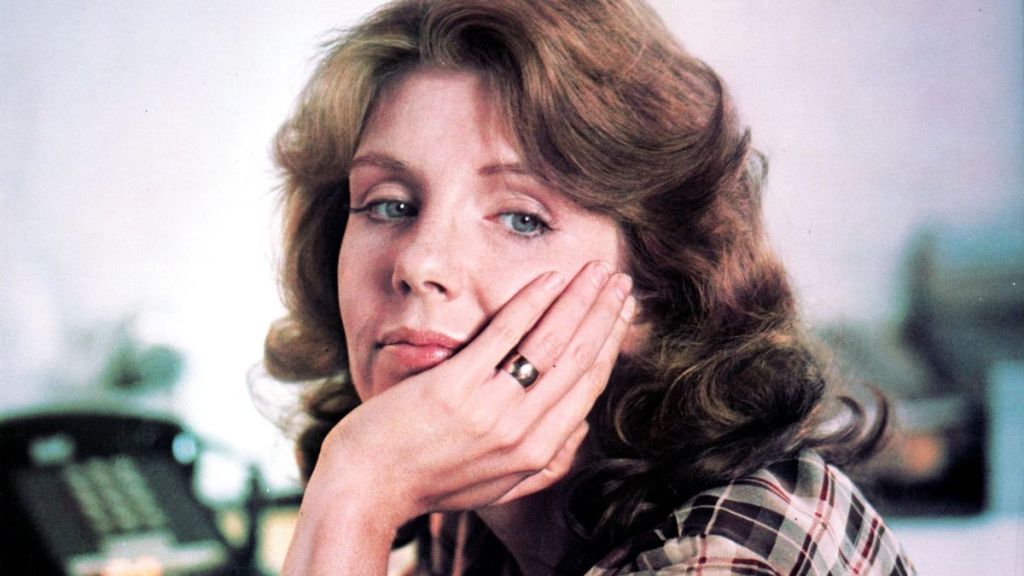
- An Unmarried Woman (1978)
Similar Filmmakers
- Alan Alda
- Albert Brooks
- Arthur Hiller
- Barry Levinson
- Elaine May
- Frank Perry
- Hal Ashby
- Herbert Ross
- James L. Brooks
- Joan Micklin Silver
- Lawrence Kasdan
- Mel Brooks


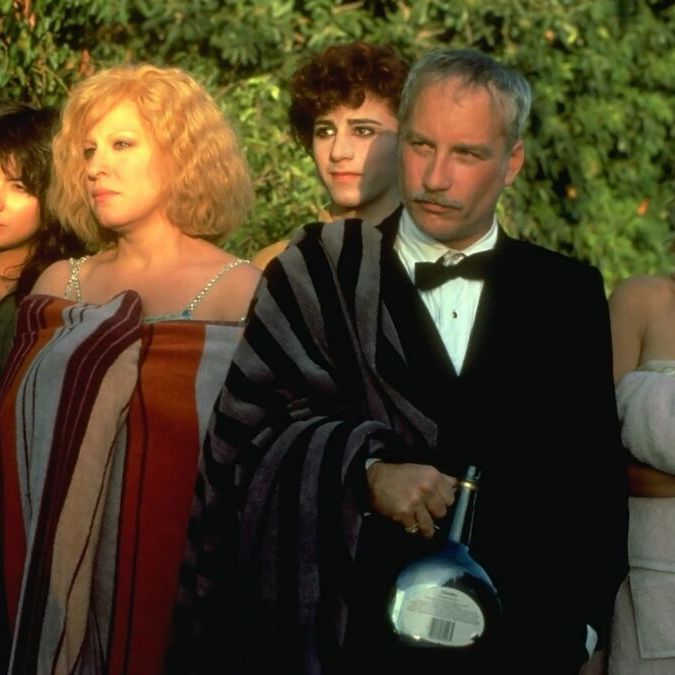
Paul Mazursky’s Top 5 Films Ranked
1. An Unmarried Woman (1978)
Genre: Romance
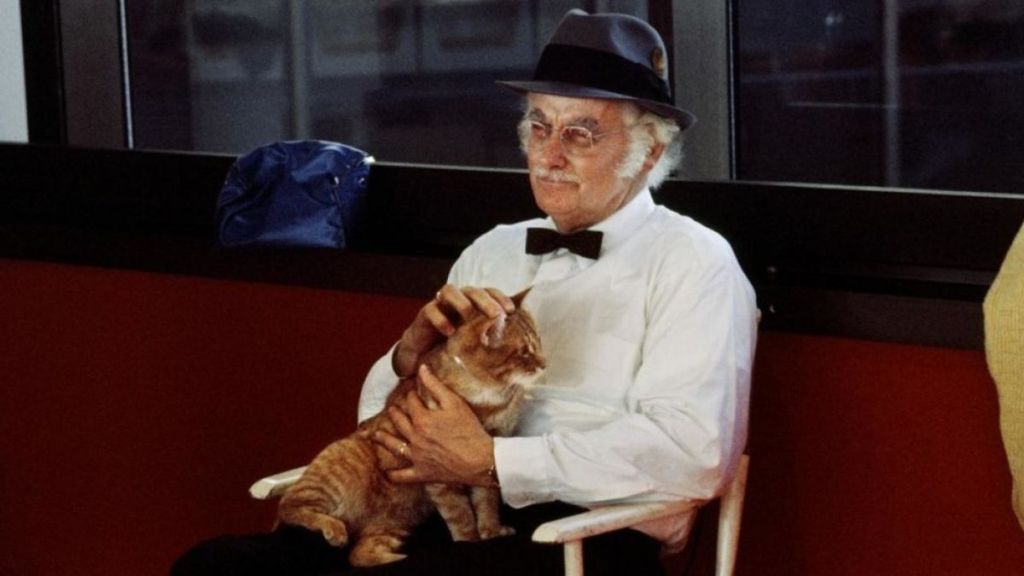
2. Harry and Tonto (1974)
Genre: Road Movie, Comedy, Drama
3. Next Stop, Greenwich Village (1976)
Genre: Comedy

4. Bob & Carol & Ted & Alice (1969)
Genre: Sex Comedy, Satire

5. Enemies: A Love Story (1989)
Genre: Drama, Comedy, Romance

Paul Mazursky: Themes and Style
Themes:
- Modern Relationships and Marriages: Many of Mazursky’s films delve into the complexities of modern relationships, marriages, and the challenges couples face. Films like Bob & Carol & Ted & Alice and Blume in Love are prime examples.
- Cultural Displacement: Mazursky often explored the theme of characters being taken out of their familiar environments and placed into new, often challenging situations. Moscow on the Hudson and Down and Out in Beverly Hills are examples where characters grapple with cultural and socio-economic shifts.
- Personal Transformation: Characters in Mazursky’s films often undergo significant personal growth or transformation, whether it’s due to a midlife crisis, a change in economic status, or a spiritual journey, as seen in Alex in Wonderland and An Unmarried Woman.
- Social Commentary: Mazursky had a keen eye for societal norms and often commented on them, especially the mores of the middle class and the Hollywood community.
Styles:
- Blend of Comedy and Drama: Mazursky had a unique ability to blend humour with drama, ensuring that even in the most serious moments, there was a touch of levity.
- Improvisation: He often allowed his actors to improvise, which brought a natural and spontaneous feel to many of his scenes.
- Character-driven Narratives: Rather than relying heavily on plot, Mazursky’s films were often driven by character development, delving deep into their psyches and relationships.
- Realistic Dialogue: His films are known for their authentic and relatable dialogue, which resonated with audiences and made the characters feel genuine.
Directorial Signature:
- Ensemble Casts: Mazursky frequently worked with ensemble casts, allowing multiple characters to shine and interweave their stories.
- Iconic Opening Scenes: Many of his films have memorable opening scenes that set the tone for the rest of the movie. For instance, the group therapy session in Bob & Carol & Ted & Alice immediately establishes the film’s exploration of modern relationships.
- Collaboration with Actors: Mazursky was known for his close collaboration with actors, often rewriting scenes and dialogue based on their input.
- Cameos: Mazursky often made cameo appearances in his own films, adding a personal touch to his work.
Paul Mazursky – Great Director


 Bronze Screen Dream