
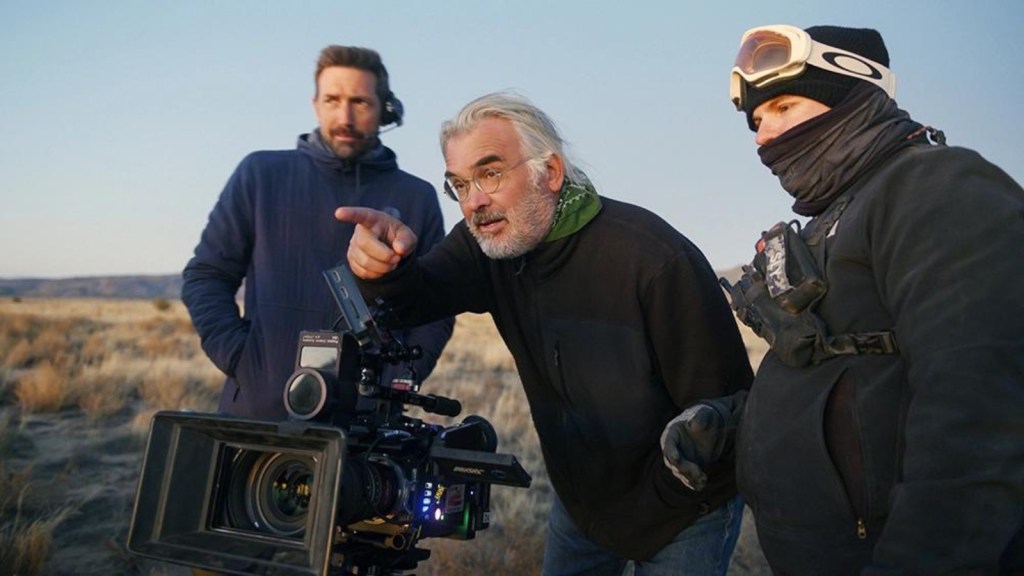
Paul Greengrass, a British director, is celebrated for his intense and realistic style of filmmaking, often using cinema to interrogate contemporary socio-political landscapes. His gripping approach to storytelling has helped him produce several critically acclaimed and commercially successful films, notably The Bourne Supremacy and The Bourne Ultimatum, which revolutionized the spy thriller genre, and United 93, a harrowing real-time account of the doomed Flight 93 on 9/11, for which he received an Academy Award nomination for Best Director.
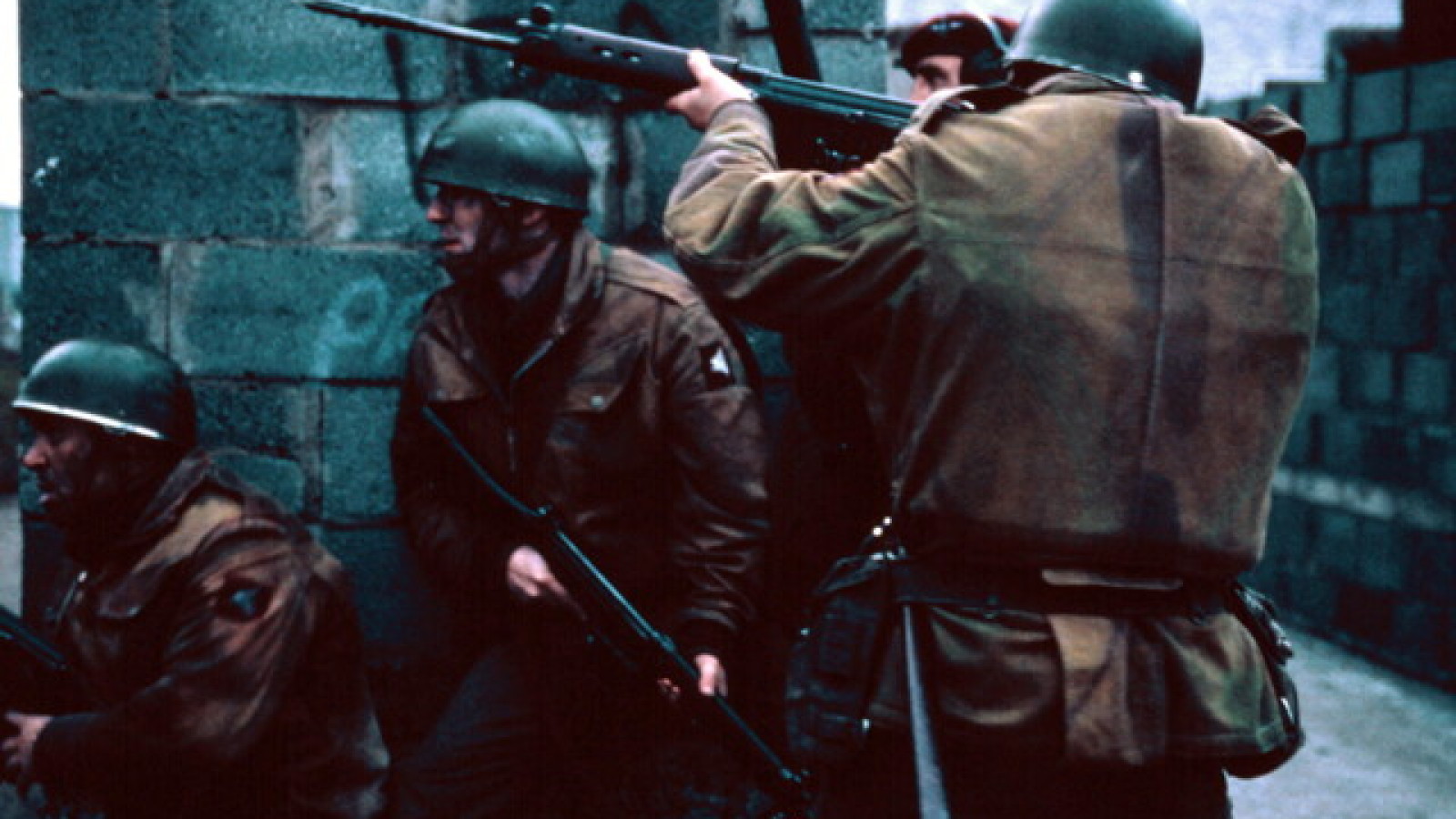
Greengrass’ unique approach to filmmaking is marked by gritty realism and a relentless pace, creating an immersive, visceral experience for the viewer. His signature shaky camera and rapid editing, a technique known as “Greengrass-style,” is more than an aesthetic choice. It is an instrument he uses to place viewers in the thick of the action, amplifying the tension and creating a sense of immediacy. His films often deal with weighty subjects, exploring the complexities and the human impact of political conflict and terror. The intense realism and human focus in Bloody Sunday, which recounts the 1972 massacre in Northern Ireland, exemplifies this approach, offering a stark, unvarnished view of historical events.
Over the years, Greengrass has developed a strong thematic focus on ordinary people placed in extraordinary circumstances, such as the eponymous captain in Captain Phillips, further distinguishing his work. Despite the high-octane situations, his films exhibit an emotional depth and empathy towards their characters without glorifying or trivializing their predicaments. His influence on contemporary cinema is evident in how filmmakers have adopted his dynamic filming techniques to create gripping, reality-based narratives.

Paul Greengrass (1955 – -)
Calculated Films:
- Bloody Sunday (2002)
- The Bourne Supremacy (2004)
- The Bourne Ultimatum (2007)
- Captain Phillips (2013)
Similar Filmmakers
- Alan Clarke
- Alfonso Cuaron
- Antoine Fuqua
- Ben Affleck
- Christopher Nolan
- David Mackenzie
- Doug Liman
- Gavin Hood
- J.C. Chandor
- Kathryn Bigelow
- Michael Mann
- Oliver Stone
- Peter Berg
- Ridley Scott
- Sam Mendes
- Steven Spielberg
- Taylor Sheridan
- Tony Scott
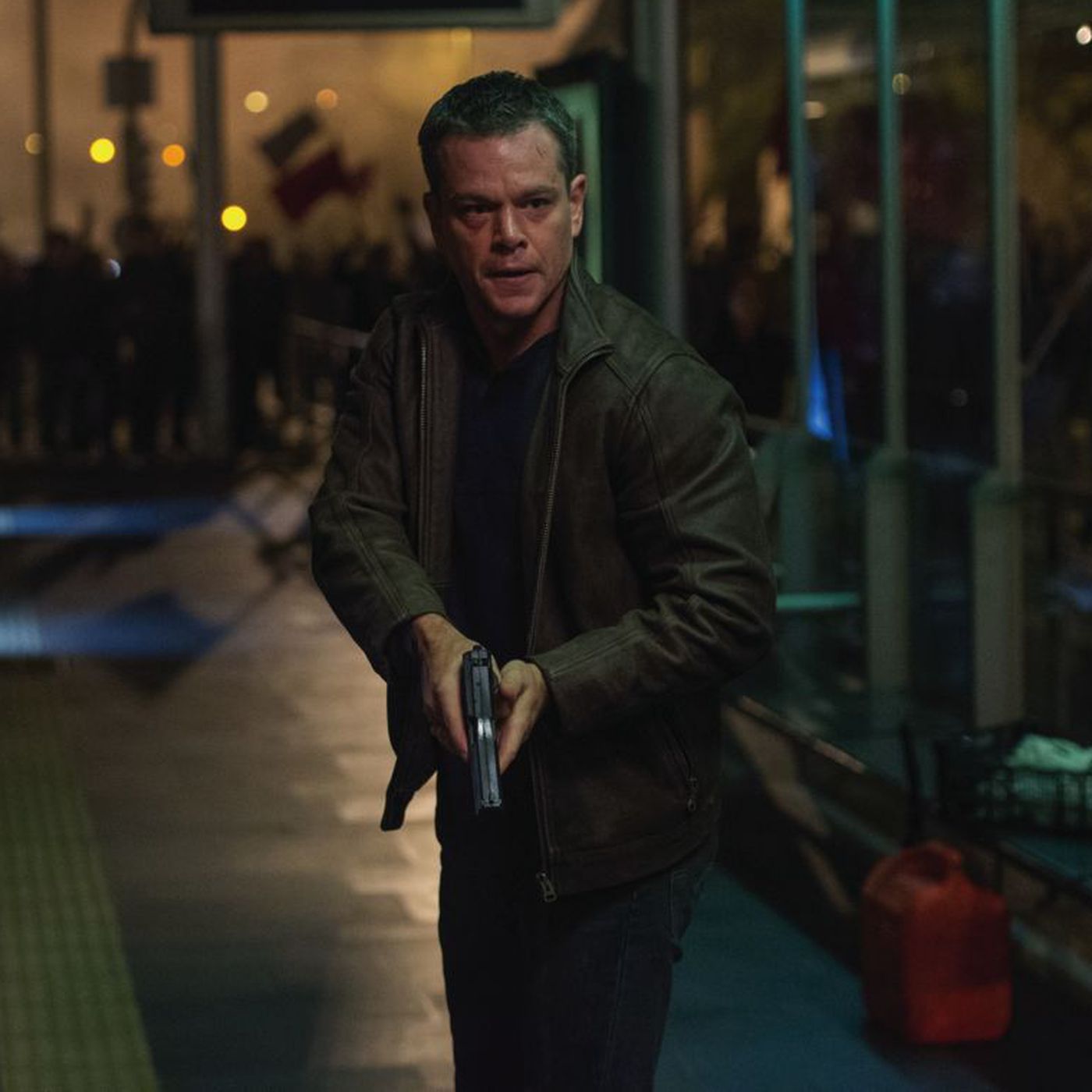


Paul Greengrass’ Top 5 Films Ranked
1. Bloody Sunday (2002)
Genre: Period Drama, Political Drama

2. The Bourne Ultimatum (2007)
Genre: Thriller, Spy, Action

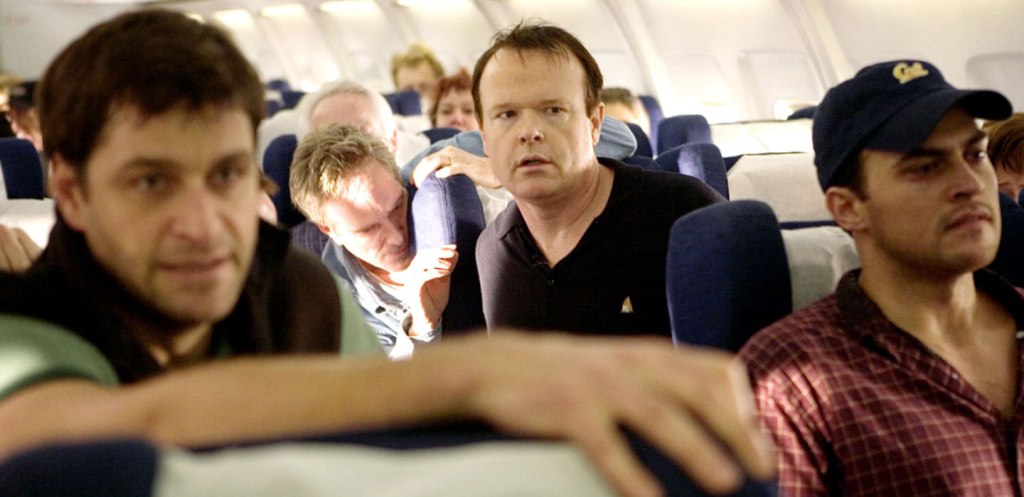
3. United 93 (2006)
Genre: Disaster, Thriller, Period Drama, Docudrama
4. Captain Phillips (2013)
Genre: Thriller

5. The Bourne Supremacy (2004)
Genre: Thriller, Spy, Action

Paul Greengrass: Themes and Style
Themes:
- Political and Social Commentary: Greengrass often tackles pressing political and social issues, providing a lens through which audiences can explore and understand the contemporary world. His films frequently engage with themes of power, justice, and individual and collective agency.
- Terrorism and Conflict: Many of his works, like United 93 and Bloody Sunday, delve into the intricacies of terrorism and conflict, offering nuanced perspectives on these globally significant issues.
- Individual Heroism: Greengrass’s films often spotlight ordinary individuals who display extraordinary courage and resilience in the face of danger and adversity.
Styles:
- Handheld Camera Technique: One of the filmmaker’s signature styles is the use of handheld cameras, providing a gritty, immediate feel to the viewing experience. This technique immerses audiences in the action, creating a sense of realism and urgency.
- Docudrama Aesthetic: Greengrass often employs a docudrama aesthetic, blending fictional and non-fictional elements to craft compelling narratives rooted in real events and issues.
- Rapid Editing: His films are known for their quick, often abrupt editing style, creating a tense, dynamic visual rhythm that mirrors the high-stakes scenarios depicted on screen.
- Naturalistic Performances: Greengrass directs actors to deliver performances that are understated and naturalistic, contributing to the overall sense of realism and authenticity in his films.
Directorial Signature:
- Intimate Human Stories Amidst Large-scale Events: Greengrass excels at telling intimate, human stories set against the backdrop of larger historical or political events. He zooms in on the experiences of individuals, providing a human face to abstract, often overwhelming issues and events.
- Journalistic Approach: Drawing from his background in journalism, Greengrass approaches filmmaking with a reporter’s eye for detail and context, always aiming to present a balanced, informed perspective.
- Realism: Realism is a crucial aspect of Greengrass’s directorial signature. He often works with non-professional actors and uses actual locations rather than sets to enhance the believability and immediacy of his narratives.
- Focus on Procedure and Process: His films often explore procedures and processes in detail, whether it’s the enactment of a military operation, the unfolding of a terrorist attack, or the progression of a political protest.
Paul Greengrass – Great Director


 Bronze Screen Dream