
Patricio Guzmán is a Chilean documentary filmmaker who has dedicated his career to exploring the history and memory of his country, particularly the legacy of the military dictatorship that ruled Chile from 1973 to 1990. His films are celebrated for their poetic, meditative style and their ability to find beauty and meaning in even the most painful and traumatic aspects of Chile’s past.
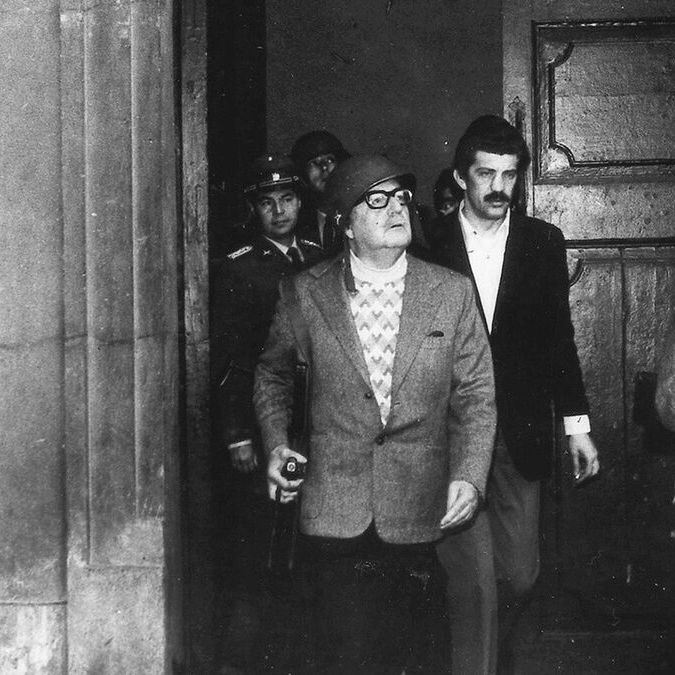
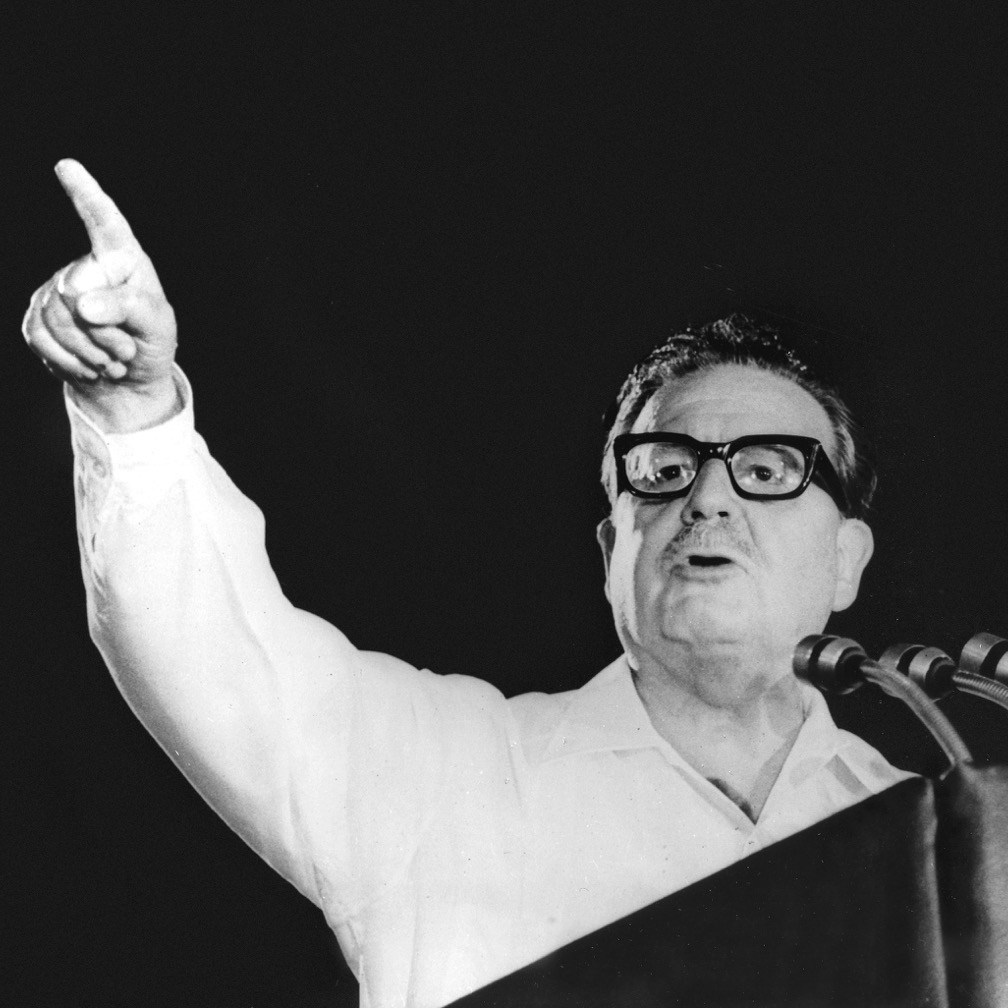
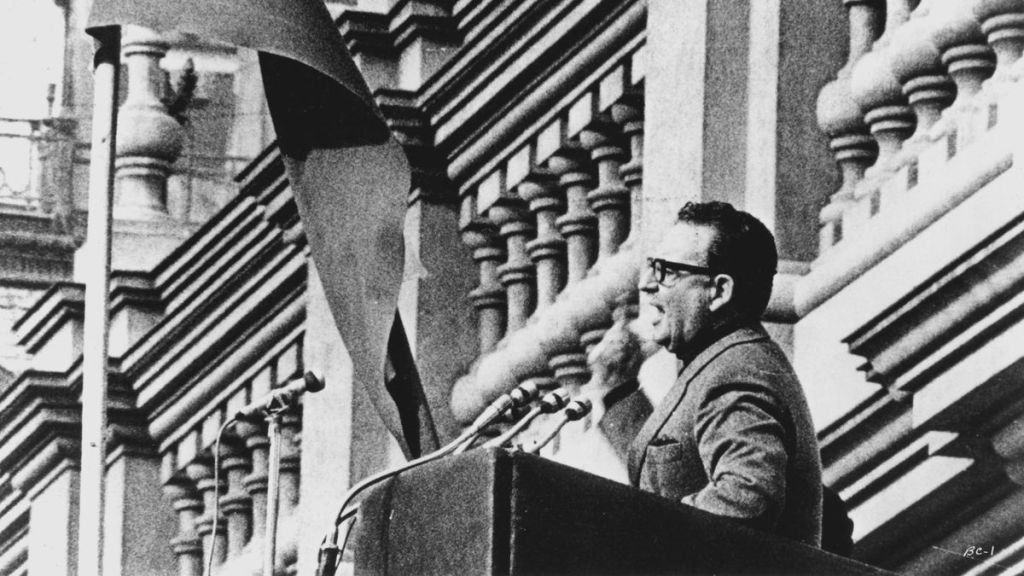
Guzmán first gained international recognition with his trilogy, The Battle of Chile, which documented the political upheaval and violence that led to the overthrow of Salvador Allende’s socialist government in 1973. The films, which were shot clandestinely and smuggled out of the country, provide a powerful and harrowing record of a pivotal moment in Chilean history and have become essential documents of the struggle for democracy and human rights in Latin America.
In his subsequent work, Guzmán has continued to explore the themes of memory, history, and the search for truth and justice in the wake of political violence and repression. Films such as Chile, Obstinate Memory and The Pinochet Case have used a variety of techniques, including interviews, archival footage, and poetic imagery, to create a rich and multilayered portrait of Chile’s past and present.
Guzmán’s most recent films, such as Nostalgia for the Light and The Pearl Button, have taken a more expansive and philosophical approach to the question of memory and identity, using the natural world as a metaphor for the search for meaning and connection in a fragmented and uncertain world. These films are notable for their stunning visual beauty and their ability to find moments of transcendence and hope in the midst of loss and despair.
Throughout his career, Guzmán has remained committed to the idea of cinema as a means of bearing witness to the past and imagining a better future. His films are not only a record of Chile’s history but also a call to action, a reminder of the importance of remembering and honouring those who have struggled and suffered in the name of justice and freedom. His films have helped to shape the collective memory of Chile and have inspired a new generation of filmmakers to use their art as a means of social and political engagement.

Patricio Guzmán (1941 –)
Calculated Films
- The Battle of Chile: Part 1 (1975)
- The Battle of Chile: Part 3 (1979)
- Chile, Obstinate Memory (1997)
- Nostalgia for the Light (2010)
- The Pearl Button (2015)
Similar Filmmakers
- Alain Resnais
- Andrei Ujica
- Chris Marker
- Claude Lanzmann
- Errol Morris
- Fernando Solanas
- Frederick Wiseman
- Gillo Pontecorvo
- Hubert Sauper
- Ignacio Aguero
- Joris Ivens
- Joshua Oppenheimer
- Miguel Littin
- Pablo Larrain
- Patricio Henriquez
- Rithy Panh
- Santiago Álvarez
- Werner Herzog

Patricio Guzmán’s Top 5 Films Ranked
1. The Battle of Chile (1975 – 1979)
Genre: Political Documentary
2. Nostalgia for the Light (2010)
Genre: Astronomy Documentary, Political Documentary

3. Chile, Obstinate Memory (1997)
Genre: Political Documentary

4. The Pearl Button (2015)
Genre: Nature Documentary, Ethnographic Documentary, Essay Film

5. The Cordillera of Dreams (2019)
Genre: Political Documentary

Patricio Guzmán: Themes and Style
Themes:
- Chile’s Political and Social History: Guzmán’s work consistently delves into Chile’s tumultuous past, particularly focusing on the Pinochet dictatorship and the human rights abuses of that period.
- Memory and Trauma: His films often explore the impact of collective and individual memories on the present, focusing on the need to remember and confront trauma to move forward.
- Nature and Landscape: The Chilean landscape, especially in works like Nostalgia for the Light and The Pearl Button, is a powerful metaphor for memory, loss, and time themes.
- The Intersection of the Personal and Political: Guzmán integrates personal narratives with broader political contexts, emphasising how macro-level events impact individual lives.
Styles:
- Documentary Realism: Guzmán often uses a direct cinema approach, capturing events as they unfold and eschewing overt editorialisation. This was particularly evident in The Battle of Chile.
- Interwoven Narratives: He has a unique talent for weaving multiple narratives, connecting seemingly disparate subjects, like astronomy and human rights, in Nostalgia for the Light.
- Eloquent Visual Metaphors: Guzmán employs powerful visual motifs (like water in The Pearl Button) to deepen his exploration of themes.
Directorial Signature:
- Voice-over Narration: Guzmán often provides his own voice-over narration, adding a personal touch and guiding viewers through complex narratives.
- Intimate Interviews: He has a gift for drawing out personal and powerful testimonies from his subjects, allowing them to share their stories in their own words.
- Poetic Cinematography: While dealing with often harrowing subjects, Guzmán’s films are visually poetic, capturing the beauty of the Chilean landscape and contrasting it with the darker themes explored.
- Historical Commitment: Guzmán’s unwavering commitment to truth and justice is palpable in all his works. He approaches Chile’s history with a sense of duty, ensuring that silenced voices are heard.
Patricio Guzmán – Great Director



 Bronze Screen Dream