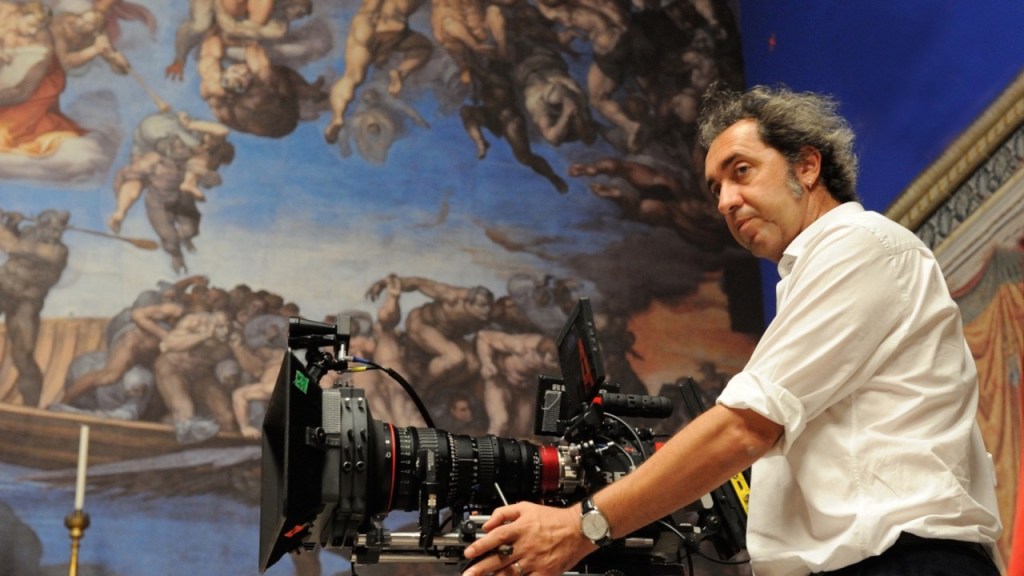
Paolo Sorrentino is an acclaimed Italian filmmaker renowned for his visually striking and thematically rich films. He has garnered international acclaim for his distinctive storytelling style, which often blends surreal imagery with profound narratives. Sorrentino is best known for his ability to craft films that are both deeply personal and universally resonant, continually exploring the complexities of human nature, power, and the passage of time.
Sorrentino’s career is marked by a consistent exploration of themes such as the seduction of power, the intricacies of human relationships, and the existential struggles of his characters. His 2013 film The Great Beauty, a poignant examination of life and art in contemporary Rome, is a testament to this thematic focus. Here, Sorrentino delves into the life of an ageing socialite, offering a meditation on beauty, ageing, and the transience of life. This film, along with others like Il Divo and Loro, showcases his fascination with the interplay between power, politics, and personal identity. His approach to filmmaking often involves meticulous attention to visual detail and composition, creating a distinctive aesthetic that is both opulent and reflective.
Sorrentino uses a unique visual style characterised by elaborate cinematography and bold use of colour. His films are known for their striking compositions and fluid camera movements, creating an almost dream-like quality that blurs the line between reality and fantasy. This is evident in Youth, where the serene setting of a Swiss spa contrasts with the internal turmoil of its characters, and in The Young Pope, a television series that combines the sacred with the profane in its portrayal of the Vatican. Sorrentino’s ability to weave complex narratives with visually arresting imagery not only defines his body of work but also positions him as a significant voice in contemporary cinema.
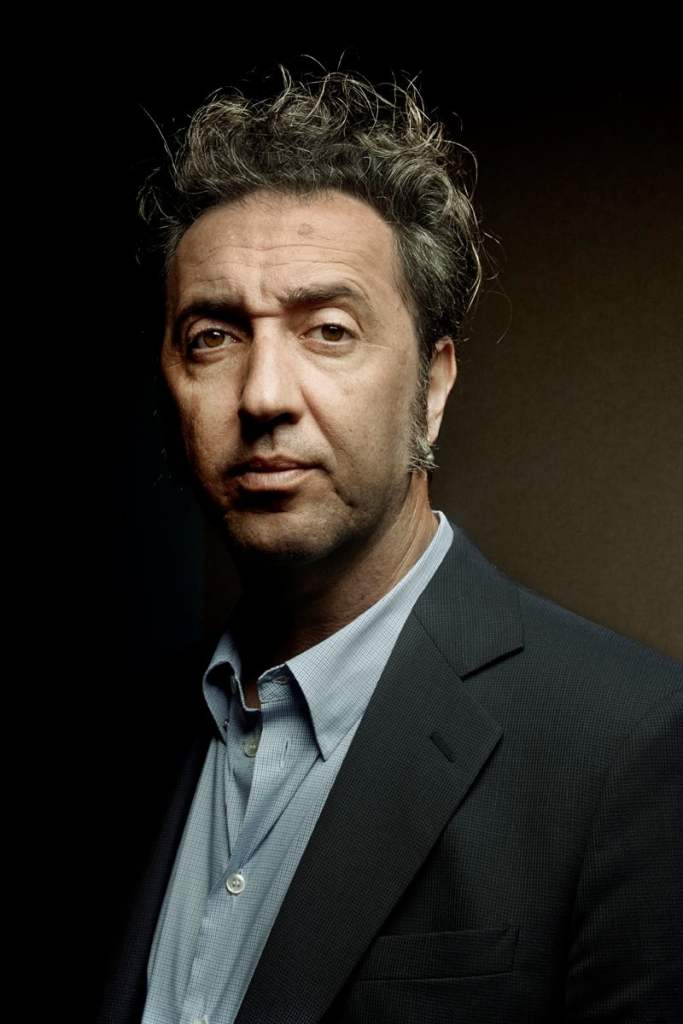
Paolo Sorrentino (1970 –)
Calculated Films:
- The Consequences of Love (2004)
- The Great Beauty (2013)
Similar Filmmakers
- Alejandro G. Inarritu
- Alice Rohrwacher
- Bernardo Bertolucci
- Daniele Luchetti
- Federico Fellini
- Giuseppe Tornatore
- Paolo Virzi
- Pedro Almodovar
- Roberto Rossellini
- Saverio Costanzo
- Silvio Soldini
- Thomas Vinterberg
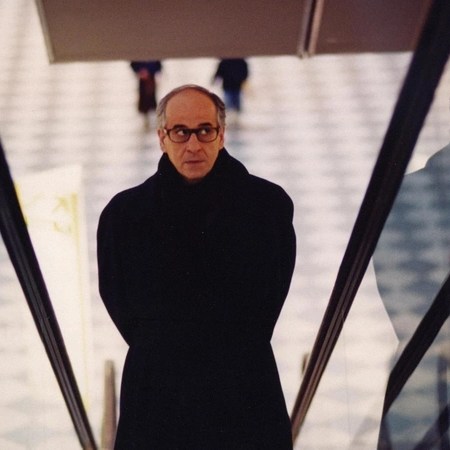
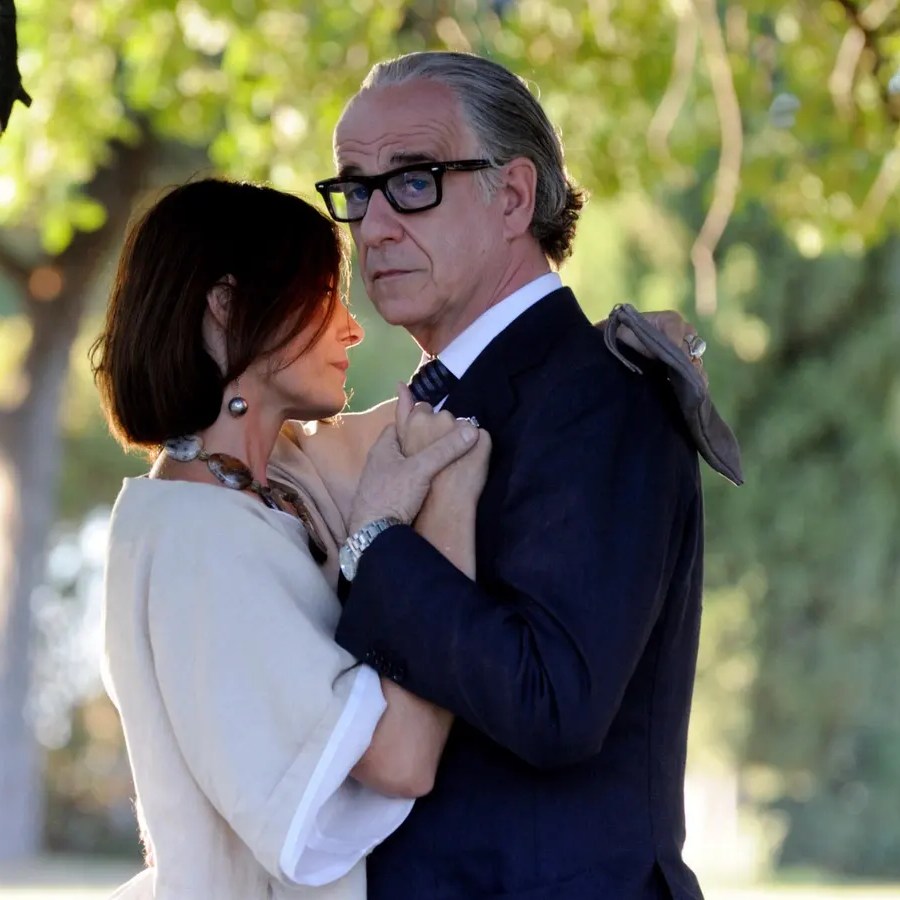

Paolo Sorrentino’s Top 5 Films Ranked
1. The Great Beauty (2013)
Genre: Drama, Satire

2. Il Divo (2008)
Genre: Biographical, Political Drama

3. The Hand of God (2021)
Genre: Coming-of-Age, Drama

4. The Consequences of Love (2004)
Genre: Drama, Crime
5. Youth (2015)
Genre: Drama

Paolo Sorrentino: Themes and Style
Themes:
- The Lure and Corruption of Power: Sorrentino frequently explores the intoxicating effects of power and its moral compromises, vividly depicted in Il Divo and The Great Beauty.
- Nostalgia and Melancholy: His films often delve into the themes of nostalgia and melancholy, portraying characters who reflect on their pasts with both fondness and regret, as seen in The Hand of God and Youth.
- Existential Quests: Sorrentino’s characters are typically on existential journeys, seeking meaning in a seemingly indifferent world. This is exemplified in The Great Beauty, where the protagonist searches for beauty and purpose in the decadence of Rome.
- Complex Family Dynamics: The intricacies of family relationships and the impact of family history on individual lives are central themes in his works, including The Hand of God.
- The Absurdity of Life: There is often an underlying sense of the absurdity of life and human endeavours in his films, with a focus on the unpredictable and often ironic turns of fate.
Styles:
- Visual Opulence: Sorrentino is known for his visually stunning and opulent cinematography, with lavish settings and meticulous composition, as showcased in The Great Beauty and The Young Pope.
- Baroque Storytelling: His style is characterised by a baroque approach to storytelling, combining drama, humour, and surreal elements, creating a unique, almost dreamlike quality.
- Complex Narratives: He often employs complex narrative structures, weaving together multiple storylines and timelines, as seen in The Young Pope and The New Pope.
- Symbolic Imagery: Sorrentino uses symbolic and often enigmatic imagery to convey deeper themes, requiring audiences to engage actively with the film to unravel its meanings.
- Eccentric Characters: His films are populated with strange, larger-than-life characters who add depth and colour to his narratives, such as the flamboyant writer in The Great Beauty.
Directorial Signature:
- Use of Music: Sorrentino’s films often feature a striking use of music, which plays a key role in setting the tone and enhancing the emotional resonance of scenes.
- Focus on Italian Identity: Many of his films reflect on Italian culture, politics, and history, offering a critique or celebration of his homeland’s complexities.
- Juxtaposition of Beauty and Decay: Sorrentino often juxtaposes images of beauty and decay, reflecting the dualities of life and the coexistence of grandeur and decline, especially evident in The Great Beauty.
- Personal and Autobiographical Elements: His works often contain personal and autobiographical elements, which add depth and authenticity to his storytelling, as seen in The Hand of God.
Paolo Sorrentino – Great Director



 Bronze Screen Dream