

Otto Preminger, an Austrian-American director, rose to prominence for his exceptional film noir features and for challenging the boundaries of cinematic convention. His best-known works include Laura, a quintessential noir, and Anatomy of a Murder, notable for its frank discussion of sex and rape.
Initially working as a theatre director in Vienna and later in the United States, Preminger transitioned to film directing in the 1940s. His theatrical background played a substantial role in forming his approach to cinema, particularly visible in his dramatic storytelling and skilled handling of actors. Preminger’s career was often marked by a willingness to confront taboo subjects, evident in films like The Man with the Golden Arm, which tackled drug addiction at a time when such topics were avoided in Hollywood.
Preminger’s films are characterised by their nuanced portrayals of moral ambiguity and human frailty. Often, his characters are complex and flawed individuals caught in situations beyond their control. For instance, the eponymous protagonist in Laura is neither purely a victim nor a femme fatale but a nuanced character that defies typical categorisation. Similarly, Anatomy of a Murder refuses to simplify the morality of its characters, creating a courtroom drama that questions the nature of truth and justice.
The Director Who Ended The Blacklist
Visually, Preminger is known for his innovative use of long, unbroken takes and deep-focus cinematography. These techniques, showcased in films like Carmen Jones and Exodus, give his scenes a sense of continuity and realism while allowing the actors’ performances to take centre stage. Additionally, his bold use of colour, such as in Bonjour Tristesse, sets him apart from many of his contemporaries in the noir genre.
Preminger’s contributions to cinema have left a lasting influence, particularly on directors who seek to push the boundaries of cinematic convention. His challenge to the Production Code, especially with The Moon is Blue and The Man with the Golden Arm, ultimately contributed to its downfall and the creation of the modern film rating system. Contemporary filmmakers like Paul Thomas Anderson and David Fincher have cited Preminger’s complex characterisations and narrative ambiguity as significant influences. Even decades after his death, Preminger’s legacy as a maverick filmmaker who dared to challenge the status quo continues to resonate within the film industry.

Otto Preminger (1905 – 1986)
Calculated Films:
- Laura (1944)
- Fallen Angel (1945)
- Daisy Kenyon (1947)
- Where The Sidewalk Ends (1950)
- Angel Face (1953)
- Anatomy of a Murder (1959)
- Advise and Consent (1962)
Similar Filmmakers


Otto Preminger’s Top 10 Films Ranked
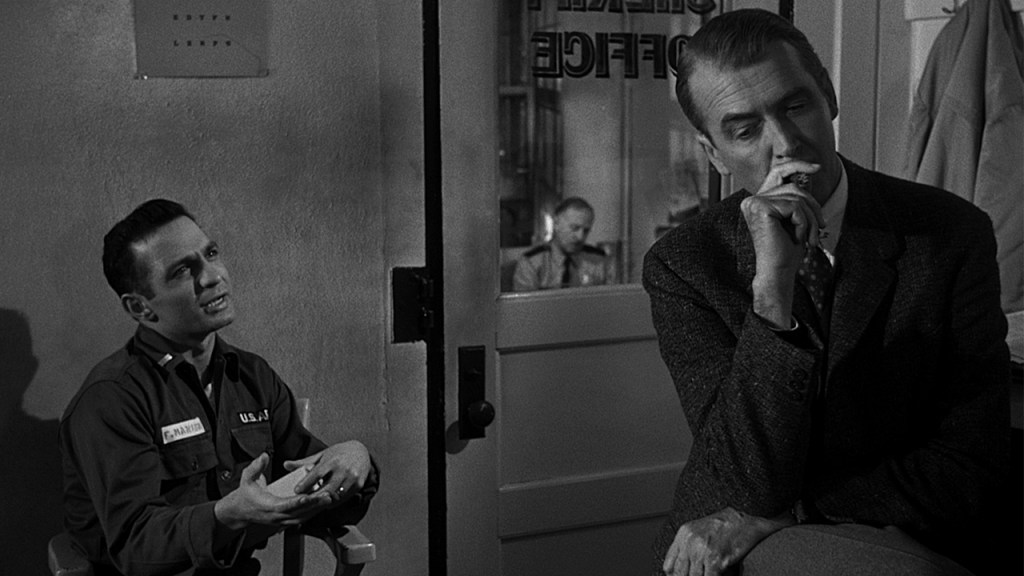
1. Anatomy of a Murder (1959)
Genre: Legal Drama, Crime
2. Laura (1944)
Genre: Film Noir, Romance, Mystery

3. Advise & Consent (1962)
Genre: Political Drama

4. Daisy Kenyon (1947)
Genre: Melodrama, Romance
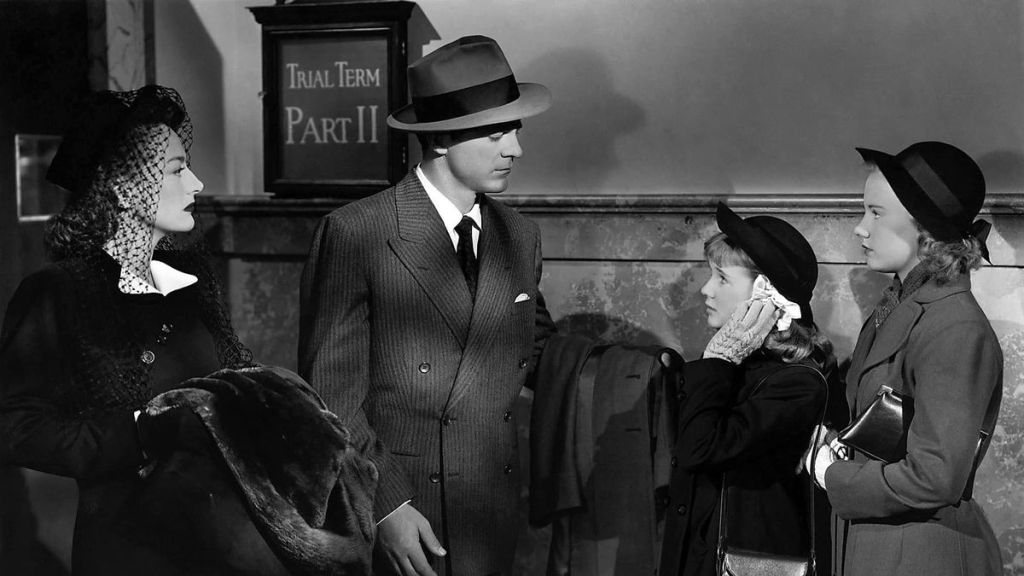
5. Bunny Lake Is Missing (1965)
Genre: Mystery, Psychological Thriller

6. Where The Sidewalk Ends (1950)
Genre: Film Noir, Crime, Drama, Thriller
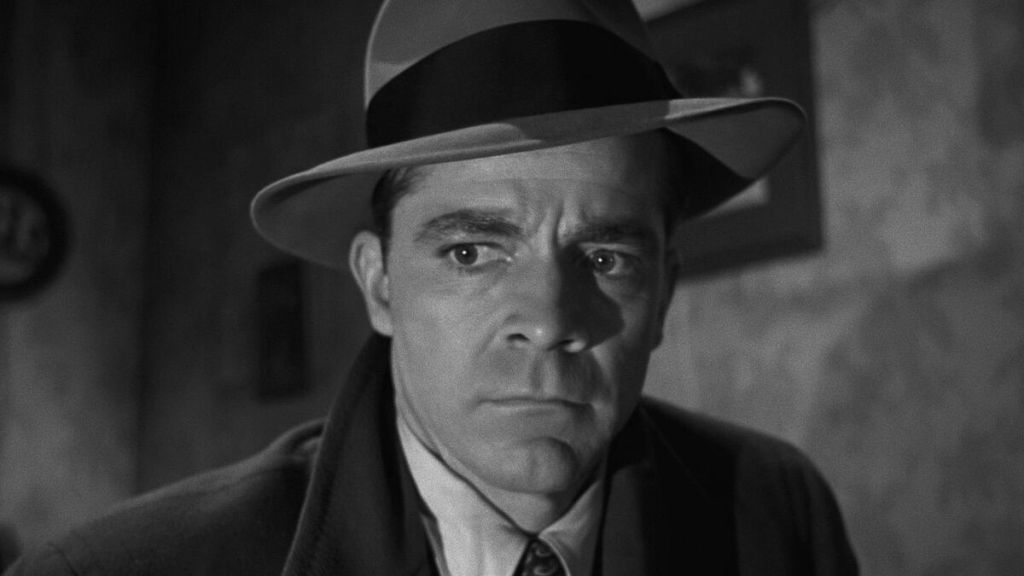
7. Angel Face (1953)
Genre: Film Noir, Drama, Crime

8. Bonjour Tristesse (1958)
Genre: Drama
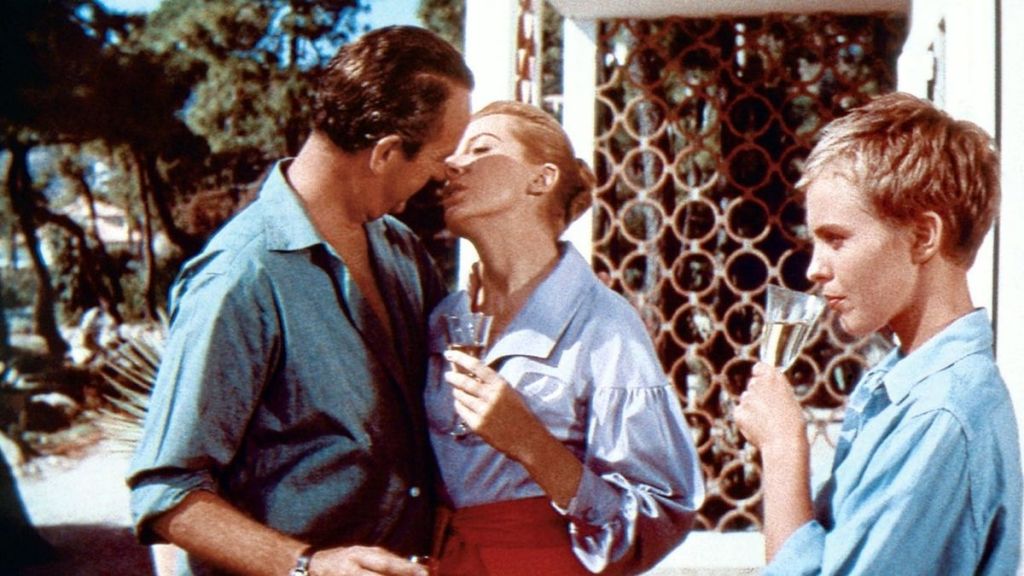
9. The Man With The Golden Arm (1955)
Genre: Melodrama, Drama
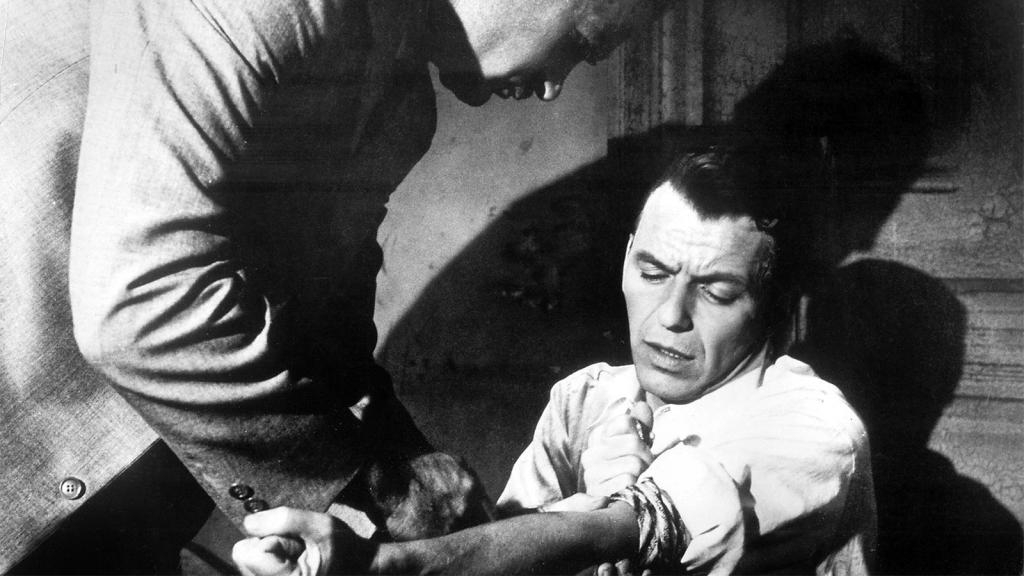
10. Fallen Angel (1945)
Genre: Film Noir, Mystery, Crime

Otto Preminger: Themes and Style
Themes:
- Moral Ambiguity: One of Preminger’s most defining themes was the grey area between good and evil. His characters were often multi-dimensional, with both virtues and vices, making them more realistic and harder to pigeonhole.
- Social Issues: Preminger was known to tackle contemporary and often controversial subjects like drug addiction (The Man with the Golden Arm), rape (Anatomy of a Murder), and homosexuality (Advise & Consent).
- Obsession and Manipulation: Characters in his films often displayed obsessive traits, leading them into morally compromised situations, such as in Laura and Where the Sidewalk Ends.
- Legal and Institutional Systems: He was also keen on exploring the inner workings of institutions, particularly the legal system, as seen in Anatomy of a Murder and Advise & Consent.
Styles:
- Visual Mastery: Preminger had an eye for striking compositions, often using wide shots and long takes to allow scenes to play out naturally. His use of camera movement was fluid and often intricately choreographed.
- Colour: Especially in his later films, Preminger employed colour with a deliberate sensibility, utilising it not just as a visual tool but also as a narrative device. His films from the 1950s onwards often showcase a vivid and sometimes symbolic colour palette.
- Cast Direction: He was known for extracting strong performances from his actors, often casting against type or giving actors roles that challenged their established screen personas.
- Narrative Structure: Preminger frequently used flashbacks and non-linear storytelling to add layers to his narratives, seen notably in films like Laura.
Directorial Signature:
- Challenge to Censorship: Preminger was unafraid to challenge the status quo. He frequently butted heads with the Production Code Administration, pushing the boundaries of what was considered acceptable on screen.
- Complex Characters: Rather than relying on clear-cut heroes and villains, Preminger’s films showcased characters with a blend of strengths, weaknesses, motivations, and flaws.
- Innovative Promotion: Beyond just his directorial skills, Preminger was also known for his innovative promotional tactics, turning film premieres into significant events and often sparking controversies to draw attention to his projects.
- In-depth Exploration: Whether it was a character’s psyche, a social issue, or a particular institution, Preminger was not content with a surface-level portrayal. He delved deep, offering viewers a comprehensive exploration of the subject at hand.
Otto Preminger: The 133rd Greatest Director

 Bronze Screen Dream