

Otar Iosseliani was a prominent Georgian filmmaker celebrated for his distinctive approach to cinema, which often blends elements of surrealism and realism. His films are best known for their satirical and whimsical portrayal of everyday life, often focusing on the absurdities and contradictions within society. Iosseliani’s work is characterised by a unique narrative style that frequently eschews conventional storytelling in favour of a more poetic and episodic structure, creating a cinematic experience that is both engaging and thought-provoking.
Iosseliani’s career began in the 1950s in the Soviet Union, where his early works, such as April, reflected the constraints and challenges of creating under a repressive regime. Despite these challenges, his films from this period are marked by a subtle critique of the status quo, using humour and irony as tools of resistance. As his career progressed, Iosseliani’s style evolved, becoming more complex and layered. His move to France in the 1980s marked a significant shift in his filmmaking. Films like Farewell, Home Sweet Home and Chasing Butterflies exemplify his international phase, showcasing a more cosmopolitan and diverse range of themes while still maintaining his unique stylistic approach.
These works are often noted for their minimal dialogue, reliance on visual storytelling, and an ensemble cast of characters whose lives intersect in unexpected ways.The recurring themes in Iosseliani’s films include the exploration of human nature, the absurdity of social conventions, and the juxtaposition of chaos and order. His visual style is characterised by long takes and a fluid camera, which contribute to a sense of naturalism and spontaneity in his films. Iosseliani also frequently employs non-professional actors, which adds a layer of authenticity to his portrayal of everyday life. This, combined with his penchant for whimsy and a subtle, often dark humour, makes his body of work not only a reflection of the societies he depicts but also a broader commentary on the human condition. His films, such as Brigands-Chapter VII, are notable for their ability to transcend cultural and linguistic barriers, appealing to a wide range of audiences and making Otar Iosseliani a unique and important voice in world cinema.
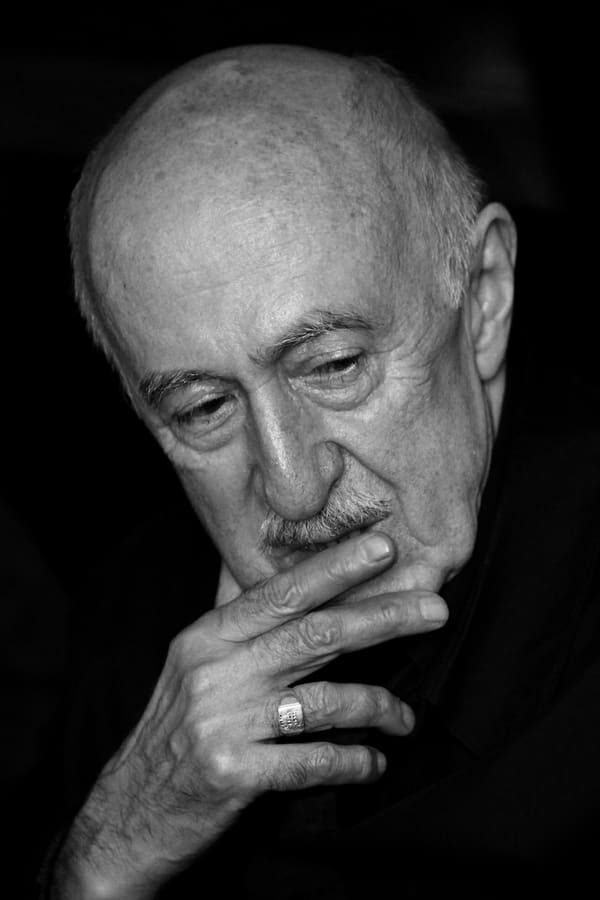
Otar Iosseliani (1934 – 2023)
Calculated Films:
- Once Upon A Time There Was A Singing Blackbird (1970)
Similar Filmmakers
- Abbas Kiarostami
- Aki Kaurismaki
- Aleksandr Sokurov
- Eldar Shengelaia
- Emir Kusturica
- Gyorgy Palfi
- Jacques Tati
- Jafar Panahi
- Jim Jarmusch
- Karpo Godina
- Lana Gogoberidze
- Nana Jorjadze
- Reha Erdem
- Roy Andersson
- Sergei Parajanov
- Sharunas Bartas
- Tsai Ming-liang
- Ulrich Seidl
Otar Iosseliani’s Top 5 Films Ranked
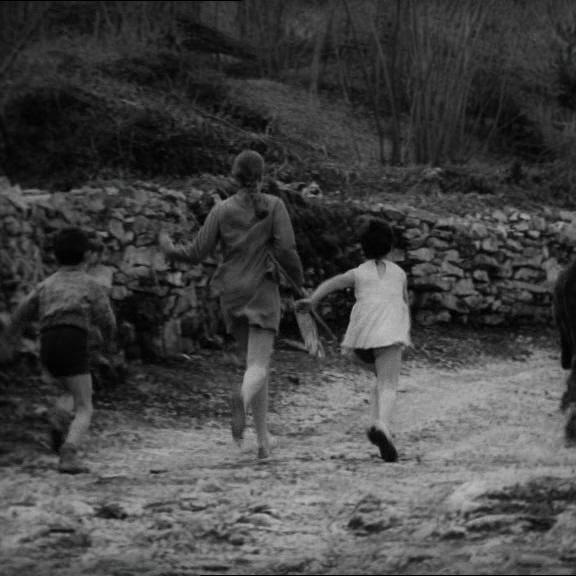
1. Once Upon A Time There Was A Singing Blackbird (1970)
Genre: Drama, Slice of Life

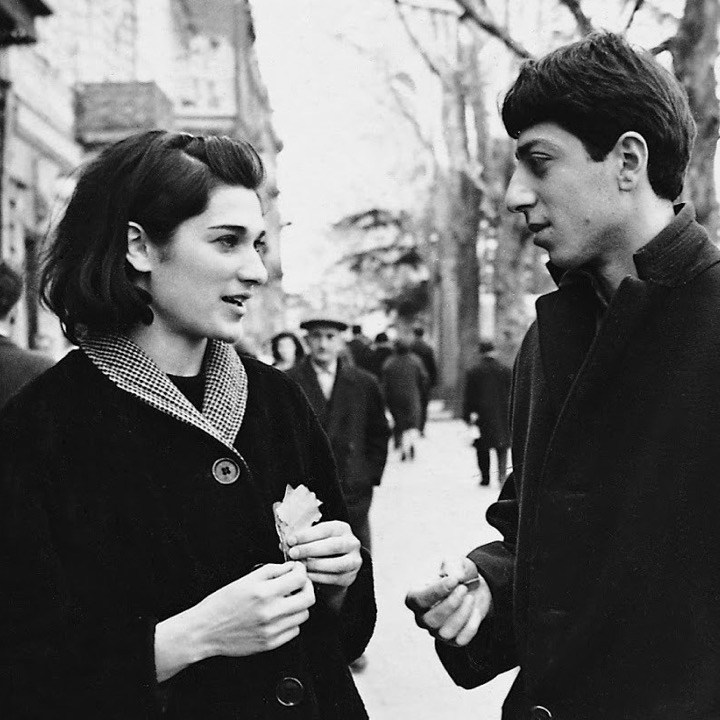
2. Falling Leaves (1966)
Genre: Drama

3. Favourites of the Moon (1984)
Genre: Comedy, Hyperlink Cinema, Surrealism
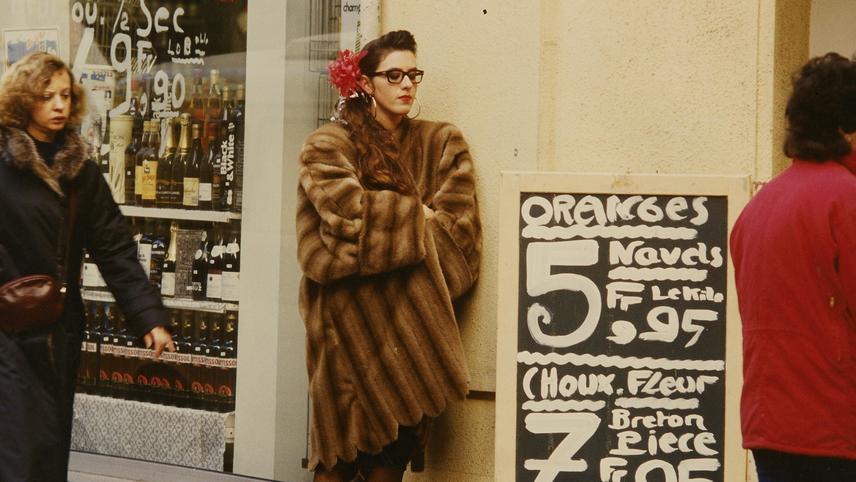
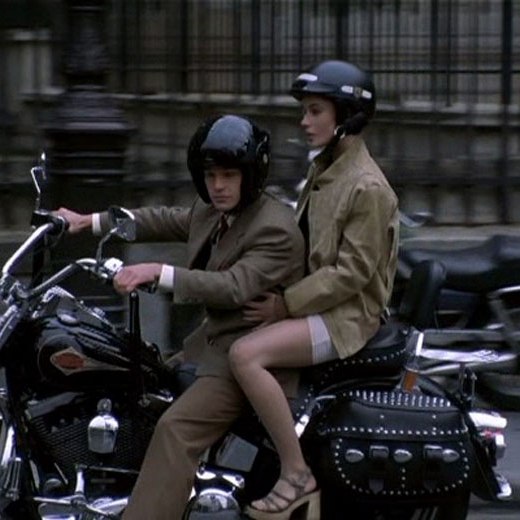
4. Farewell, Home Sweet Home (1999)
Genre: Comedy, Satire
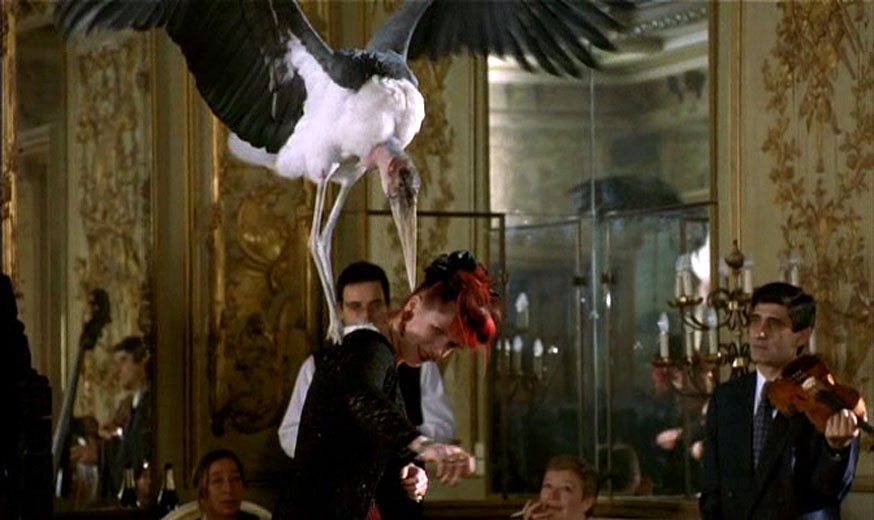
5. Pastorale (1975)
Genre: Drama

Otar Iosseliani: Themes and Style
Themes:
- Everyday Life and Absurdity: Iosseliani frequently portrays the absurdity and irony in everyday life. In films like Farewell, Home Sweet Home, he highlights the mundane and routine, imbuing them with a sense of the surreal and comical.
- Power Dynamics and Authority: His works often critique power structures and authority, subtly mocking bureaucratic and political systems. This is evident in Pastorale, where village life is juxtaposed with the absurdities of authority figures.
- Transition and Change: Iosseliani explores themes of change and transition, particularly in the context of post-Soviet society. In Brigands-Chapter VII, he delves into the disorientation and chaos that accompany societal upheaval.
- Human Nature and Simplicity: There’s a recurring focus on human nature and the beauty of simple, everyday interactions. Monday Morning showcases the simplicity and complexity of human relationships in a small-town setting.
- Escape and Freedom: Many of his films deal with the theme of escape from the constraints of society and the search for personal freedom, as seen in Chasing Butterflies, where characters seek liberation from their mundane realities.
Styles:
- Minimalist Narrative: Iosseliani’s style is characterised by minimalist narratives that focus more on the mood and characters than on complex plots. This is evident in Favorites of the Moon, which prioritises atmosphere over a traditional storyline.
- Long Takes and Static Shots: He often employs long takes and static shots, allowing scenes to unfold in real time. This technique creates a sense of authenticity and immersion in films like And Then There Was Light.
- Subtle Satire: His films are infused with subtle, often dry comedy and satirical elements, which he uses to critique social norms and human behaviour, as in Once Upon a Time There Was a Singing Blackbird.
- Non-Professional Actors: Similar to Wenders, Iosseliani frequently uses non-professional actors to bring a naturalistic and authentic quality to his films. This is a key feature in Falling Leaves.
- Lyrical Visuals: His cinematography is often lyrical and poetic, using visuals to convey emotions and themes. In The Sun of the Sleepless, the imagery is as important as the narrative in telling the story.
Directorial Signature:
- Blending Fiction and Reality: Iosseliani blurs the lines between fiction and reality, creating a unique cinematic world that reflects real life but is also distinctly separate from it, as demonstrated in Hunting Flies.
- Absence of Conventional Structure: He often eschews conventional narrative structures, opting instead for a more fluid and episodic approach, as seen in Winter Song, which allows for a more organic and explorative storytelling style.
- Focus on Ordinary People: His films are known for their focus on ordinary people and their lives. He portrays everyday characters with depth and empathy, as in Gardens in Autumn.
- Cross-Cultural Perspectives: Having worked in both the Soviet Union and France, Iosseliani brings a cross-cultural perspective to his films, often exploring themes of identity and cultural differences.
- Understated Political Commentary: While not overtly political, his films often contain understated yet sharp commentary on political and social issues, reflecting his own experiences and observations from his time in the Soviet Union and in Europe.
Otar Iosseliani – Great Director
 Bronze Screen Dream