

Orson Welles, an American filmmaker, actor, and theatre director, remains one of cinema’s most innovative and enigmatic figures. Known for his groundbreaking work in film and radio, Welles forever changed the face of cinema with his debut feature, Citizen Kane. Renowned for his pioneering narrative and formal techniques, striking visual style, and multilayered sound design, Welles’s work has exerted a profound influence on the medium. His themes frequently centred around power and ambition, often through larger-than-life characters, a reflection of his theatrical sensibility.
Born in Wisconsin, Welles began his career in theatre and radio, most notably shocking America with his radio adaptation of H.G. Wells’s The War of the Worlds. Transitioning to film, Welles stunned Hollywood and the world with Citizen Kane, often considered one of the greatest films ever made. Despite ongoing conflicts with studios, which affected several of his films, including The Magnificent Ambersons and Touch of Evil, Welles continued to create films that challenged the norms of traditional storytelling.
Welles’s innovative narrative and formal techniques are hallmarks of his work. Films like Citizen Kane and F for Fake showcase complex narrative structures, temporal shifts, and unconventional framing, consistently pushing the boundaries of cinematic storytelling. His use of deep focus in Citizen Kane, in collaboration with cinematographer Gregg Toland, was groundbreaking, keeping both the foreground and background in sharp focus and setting the stage for many future innovations in visual storytelling.
“You know, I always loved Hollywood. It was just never reciprocated.”
Welles’s background in radio deeply influenced his approach to sound design in film. He harnessed sound not only to complement visual imagery but also as a narrative tool, enhancing mood, character, and story development. His films also feature strong performances and bold characterisations, with Welles often playing larger-than-life figures. Themes of power, ambition, and their consequences frequently underpin his narratives, with characters like Charles Foster Kane and Hank Quinlan embodying tragic figures undone by their ambitions.
Many of Welles’s films also contain autobiographical elements or self-reference. For example, F for Fake blurs the lines between truth and illusion, reflecting Welles’s complex relationship with Hollywood and his public persona. This tension with Hollywood, particularly over control and the final cut of his films, significantly impacted his career, often causing protracted struggles over completing and releasing his projects.
Despite these challenges, Welles’s influence on cinema is immeasurable. His inventive approach to film form, narrative, and sound design has inspired countless filmmakers worldwide, including Martin Scorsese, Stanley Kubrick, and Jean-Luc Godard. His films continue to be studied and celebrated for their innovation, mastery, and daring spirit, securing Orson Welles’s enduring legacy as a cinematic visionary.
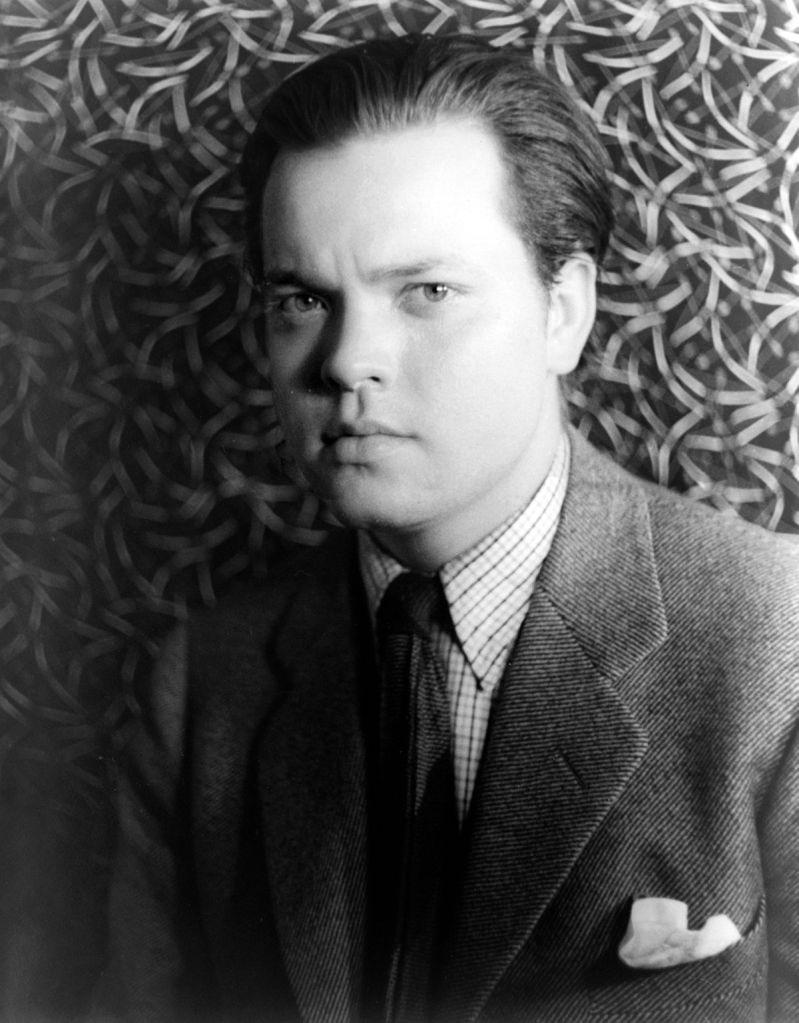
Orson Welles (1915 – 1985)
Calculated Films:
- Citizen Kane (1941)
- The Magnificent Ambersons (1942)
- The Stranger (1946)
- The Lady from Shanghai (1947)
- Macbeth (1948)
- Othello (1951)
- Touch of Evil (1958)
- The Trial (1962)
- Chimes at Midnight (1965)
- F For Fake (1973)
Similar Filmmakers
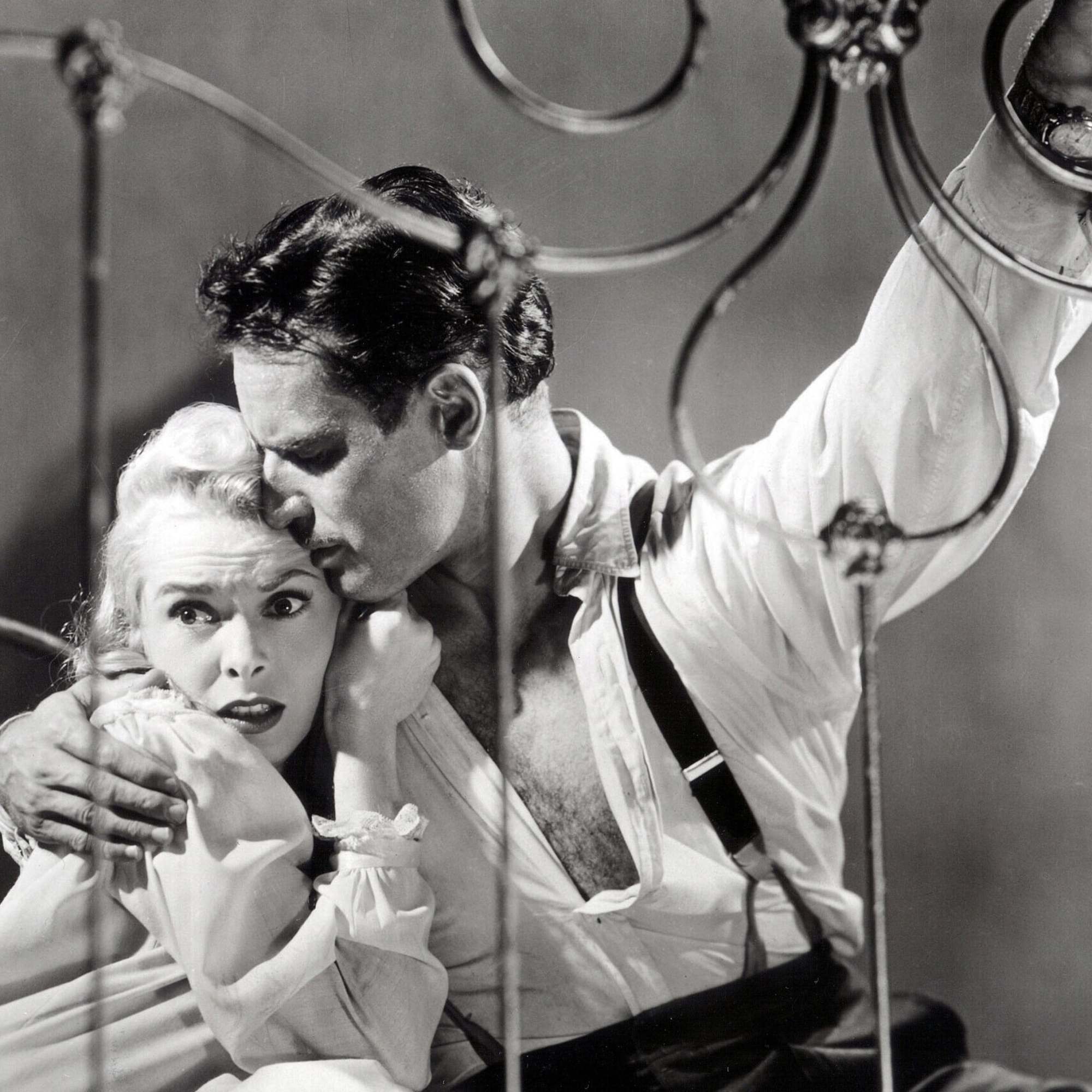

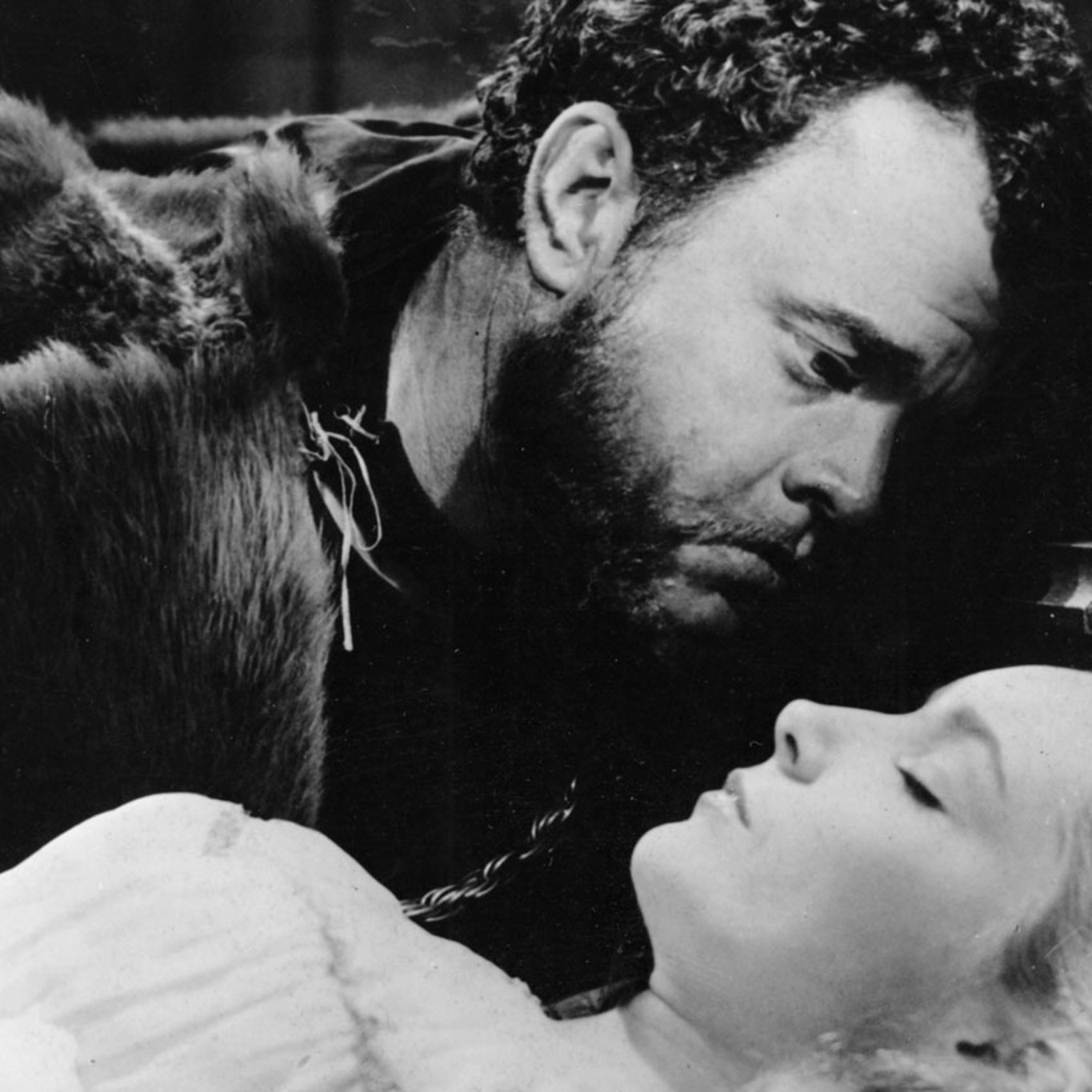
Orson Welles’ Top 10 Films Ranked
1. Touch of Evil (1958)
Genre: Film Noir, Crime, Thriller
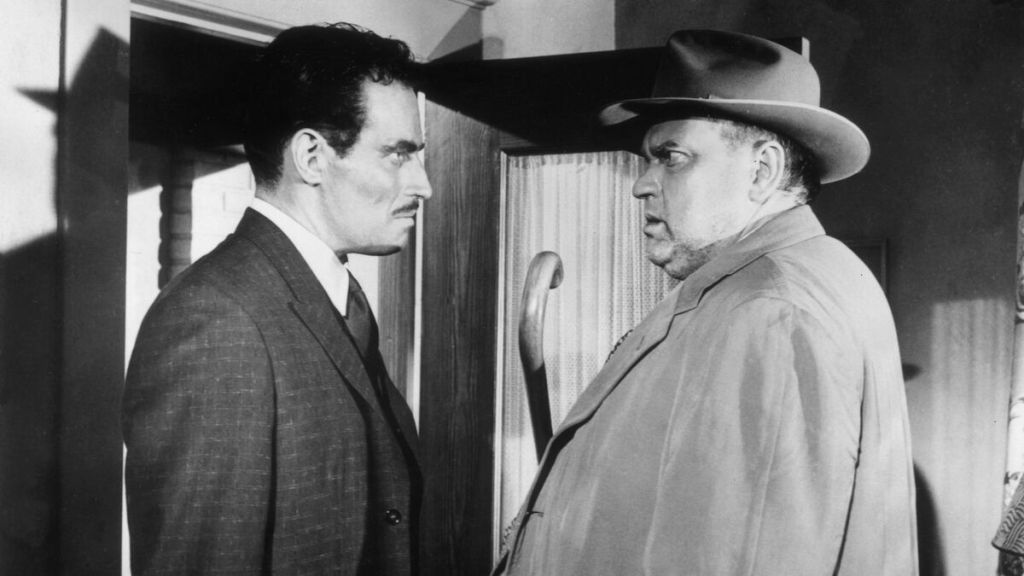
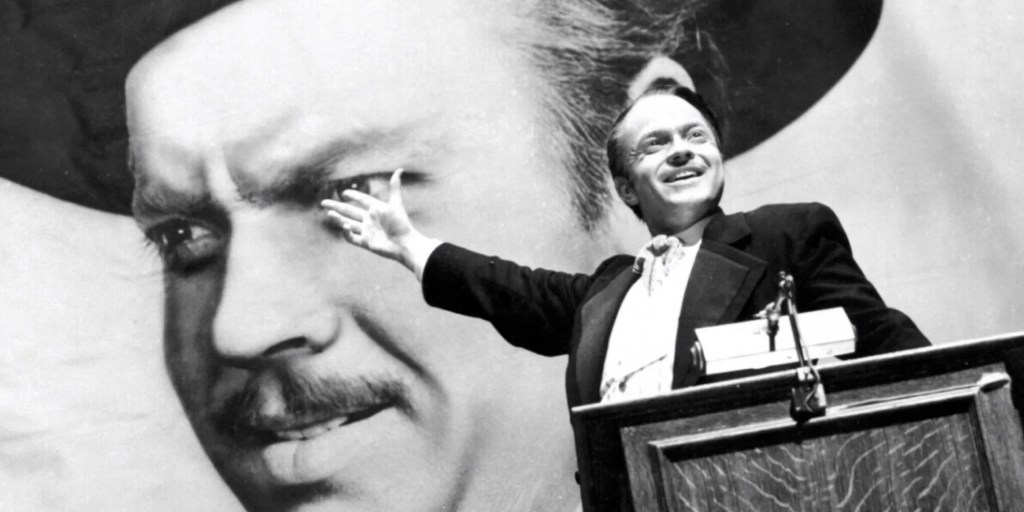
2. Citizen Kane (1941)
Genre: Drama
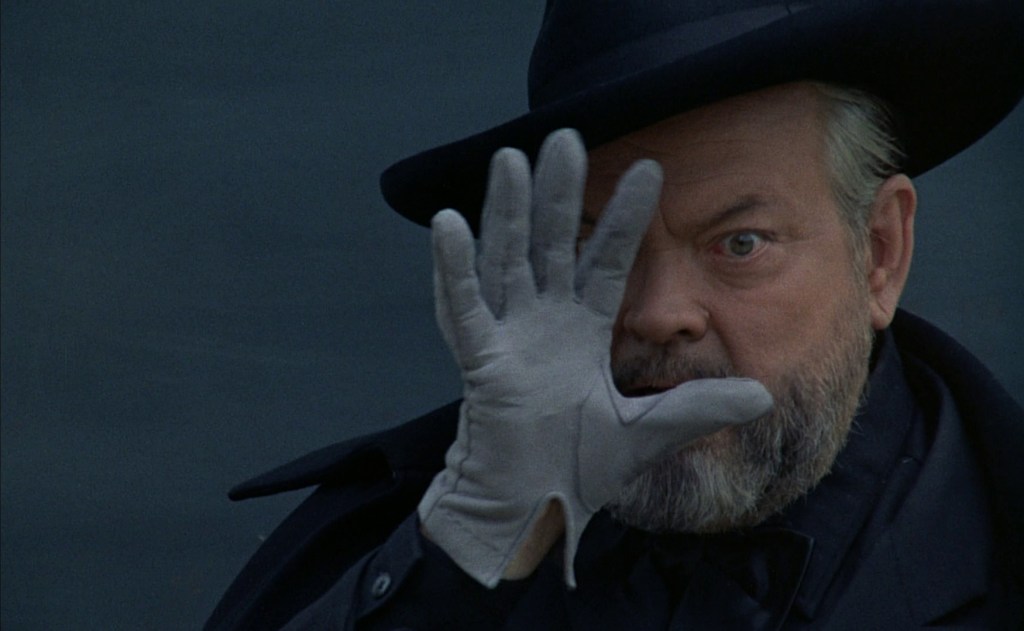
3. F For Fake (1973)
Genre: Art Documentary, Essay Film
4. The Trial (1962)
Genre: Psychological Drama, Mystery, Surrealism, Dystopian

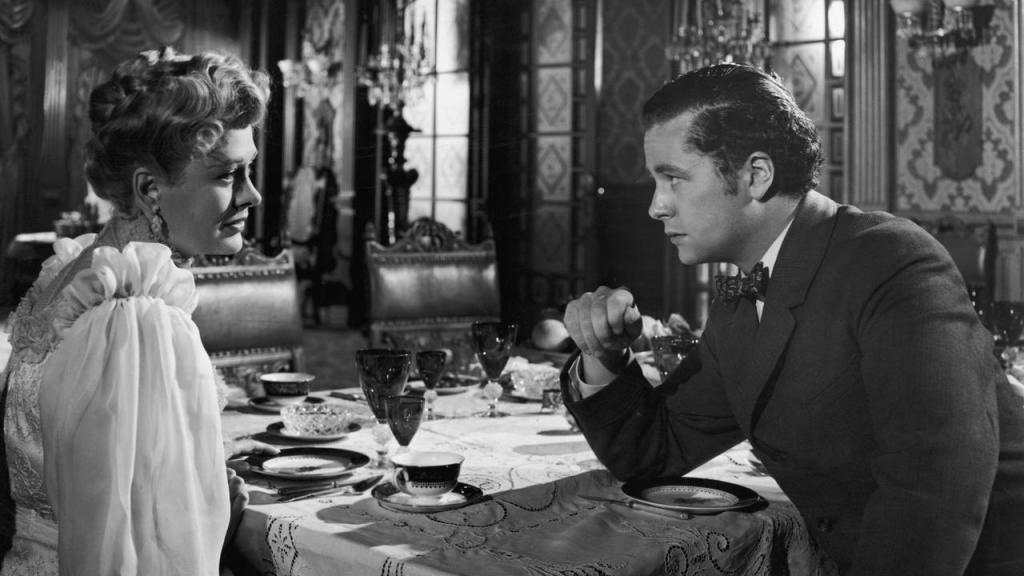
5. The Magnificent Ambersons (1942)
Genre: Family Drama, Drama
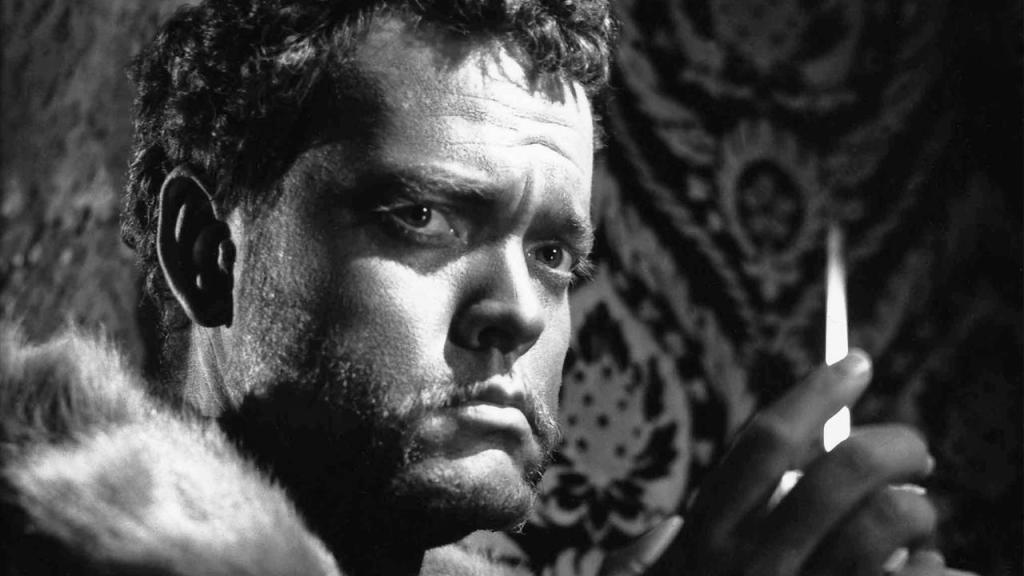
6. Othello (1951)
Genre: Tragedy, Period Drama
7. Chimes at Midnight (1965)
Genre: Comedy, Period Drama, Tragedy, Medieval

8. The Lady From Shanghai (1947)
Genre: Film Noir, Mystery, Crime, Drama

9. Macbeth (1948)
Genre: Tragedy, Medieval
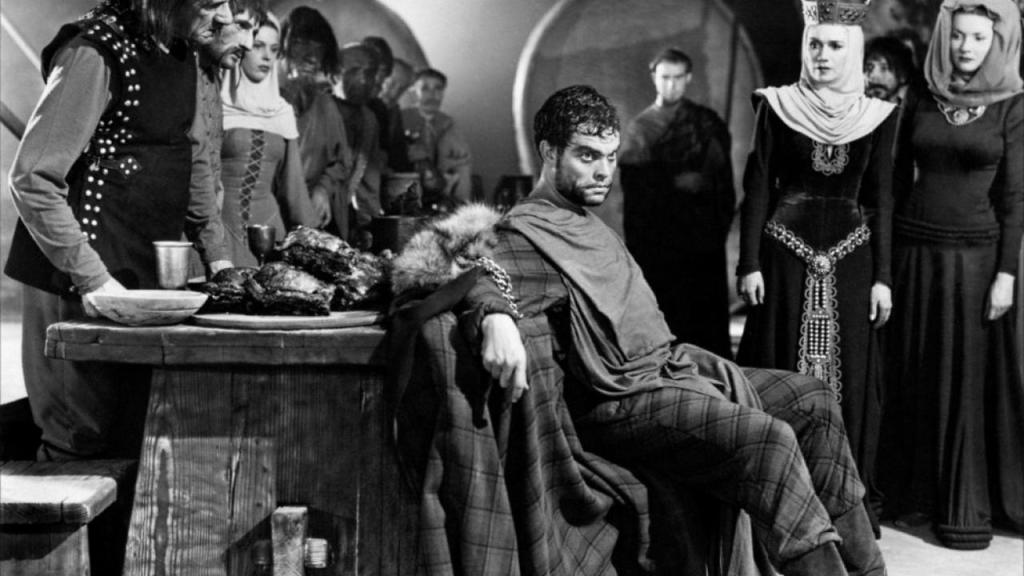
10. Filming Othello (1978)
Genre: Movie Documentary
Orson Welles: Themes and Style
Themes:
- Manipulation of Power and Corruption: Orson Welles often explored how power corrupts, particularly in Citizen Kane, where the protagonist’s accumulation of wealth and power ultimately leads to his downfall.
- Loss of Innocence: Films like The Magnificent Ambersons depict the transition from the innocence of youth to the disillusionment of adulthood, showcasing the loss of past values and the intrusion of modernity.
- Fate and Individualism: Welles’s characters frequently grapple with fate. In Touch of Evil, the characters confront their moral compasses, often finding themselves in a labyrinth of circumstances that test their individualism.
- Fragility of the Human Psyche: Welles delves into the complexities of the human mind, particularly in The Lady from Shanghai, where the convoluted plot reflects the tangled and unstable nature of the characters’ psyches.
- The Illusory Nature of Truth: Welles consistently questioned what is real or truthful. F for Fake is a direct interrogation of authenticity and the concept of authorship, blurring the lines between fact and fiction.
Styles:
- Non-Linear Storytelling: Welles often employed flashbacks and fragmented narratives to construct his stories, as seen in Citizen Kane, where the narrative is pieced together through various perspectives.
- Innovative Use of Sound: His use of layered soundtracks and varying audio perspectives was groundbreaking, creating an auditory depth in films like Citizen Kane that was novel for his time.
- Deep Focus and Long Takes: Welles’s use of deep focus allowed multiple planes in the shot to be in focus simultaneously, as evident in Citizen Kane. In contrast, his affinity for long takes showcased his theatrical background.
- Low-Angle Shots and Chiaroscuro Lighting: He frequently used low-angle shots to depict the dominance of characters, coupled with chiaroscuro lighting to enhance drama and create a sense of foreboding, a technique used effectively in The Trial.
- Baroque Visuals: Welles’s films often featured opulent set designs and dramatic shadow play, contributing to a visual richness and complexity, as in the elaborate sets of The Magnificent Ambersons.
Directorial Signature:
- Auteurship: Welles was a true auteur, leaving a distinct mark on his films through his control over scripting, directing, and often acting, resulting in a cohesive vision that was unmistakably his.
- Theatricality: His background in theatre informed his directorial style, evident in the larger-than-life performances and dramatic staging within his films.
- Innovation and Experimentation: Welles was not afraid to experiment with new techniques in cinematography and storytelling, often pushing the boundaries of what was technically and narratively possible at the time.
- Enigmatic Characters: He had a penchant for creating complex, multifaceted characters who were often enigmatic and whose true natures were revealed slowly over time.
- Personal Touch: Despite the varied genres and stories, Welles’s films often contained a personal element, whether through autobiographical parallels or through themes that he revisited throughout his career.
Orson Welles: The 21st Greatest Director

 Bronze Screen Dream