

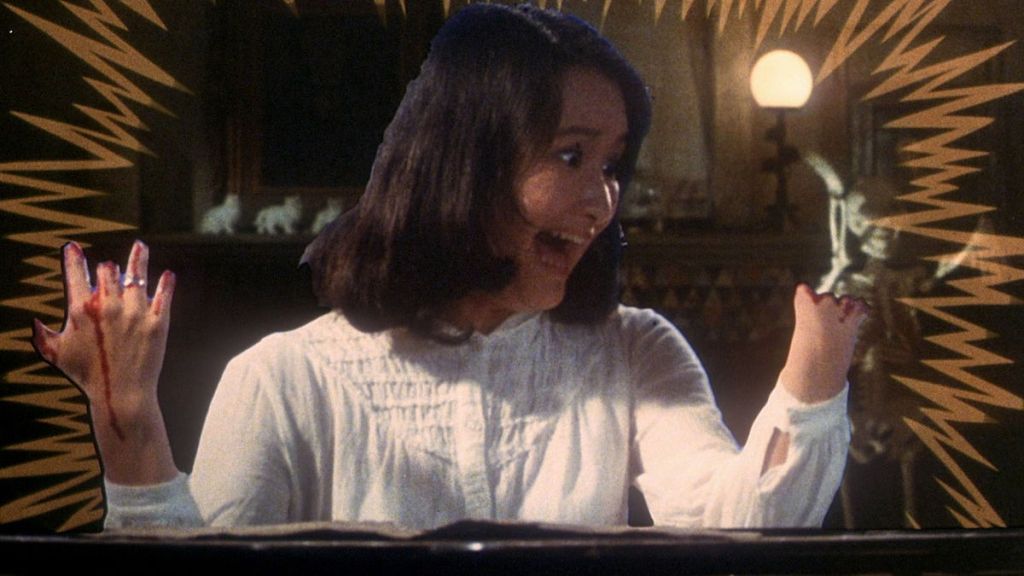
Nobuhiko Obayashi was a Japanese film director and editor renowned for his unconventional and experimental filmmaking style. He is best known for the cult horror film Hausu (House), which displays his surreal and distinctive visual style. This 1977 film gained acclaim for its imaginative special effects, eccentric narrative, and blend of horror and comedy, making it a unique piece in the horror genre landscape.
Obayashi’s filmography is characterised by a whimsical and dreamlike atmosphere, heavily incorporating fantastical and surreal elements. He often utilised hand-drawn animation, collage, and stylised colourisation techniques to craft visually mesmerising sequences, blending reality with fantastical imagery seamlessly. This innovative approach can be observed in Hausu, where the narrative’s haunted house setting allows him to explore bizarre and humorous visual effects to engross and disorient the viewer, reflecting his background in commercials and experimental films.
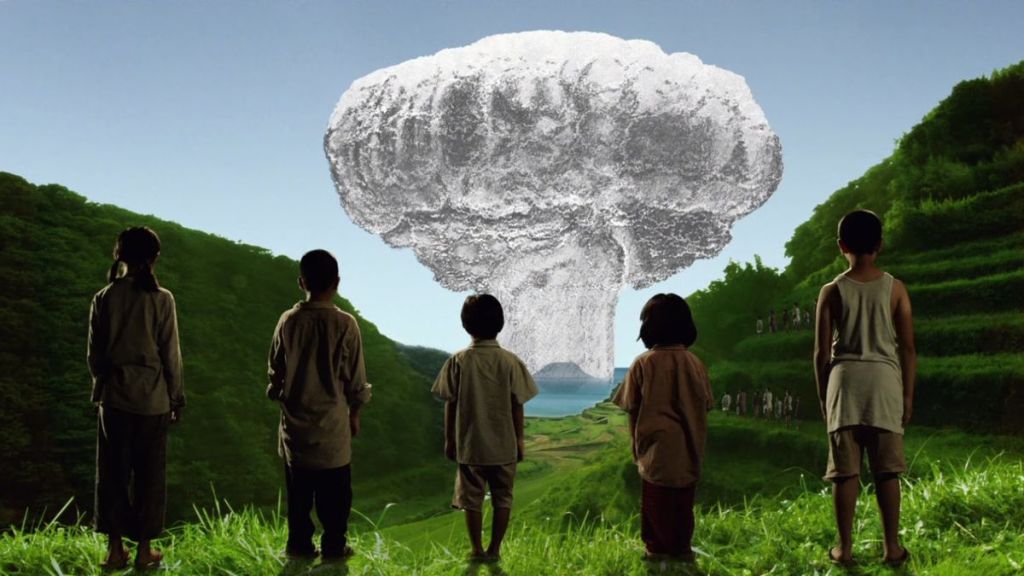
Another prominent feature of Obayashi’s works is his focus on themes like the impact of war, the passage of time, and the innocence of youth. He often approached these heavy subjects with a whimsical lens, offering a distinct perspective that is both introspective and engaging. For instance, in Hanagatami, Obayashi examines the lives of youths living in the shadow of World War II, capturing their struggles, romances, and existential questions with his trademark style, underscoring the film with a sense of nostalgia and melancholy.
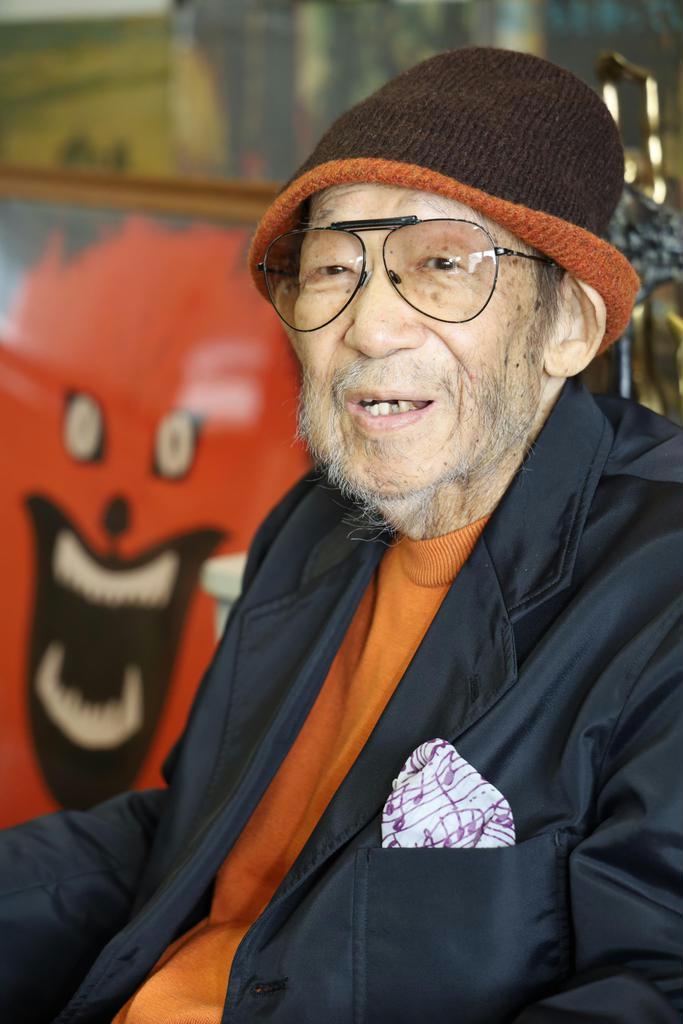
Nobuhiko Obayashi (1938 – 2020)
Calculated Films:
- House (1977)
- His Motorbike, Her Island (1986)
- Bound for the Fields, the Mountains, and the Seacoast (1986)
- The Rocking Horsemen (1992)
- Casting Blossoms to the Sky (2012)
- Hanagatami (2017)
Similar Filmmakers
- Akio Jissoji
- Alejandro Jodorowsky
- Hiroshi Teshigahara
- Kichitaro Negishi
- Kihachi Okamoto
- Koji Wakamatsu
- Kon Ichikawa
- Nagisa Oshima
- Seijun Suzuki
- Shin’ya Tsukamoto
- Shinji Aoyama
- Shuji Terayama
- Sion Sono
- Takashi Ishii
- Takashi Miike
- Toshiharu Ikeda
- Toshio Matsumoto
- Yasuzo Masumura
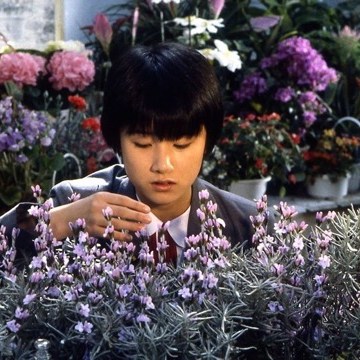
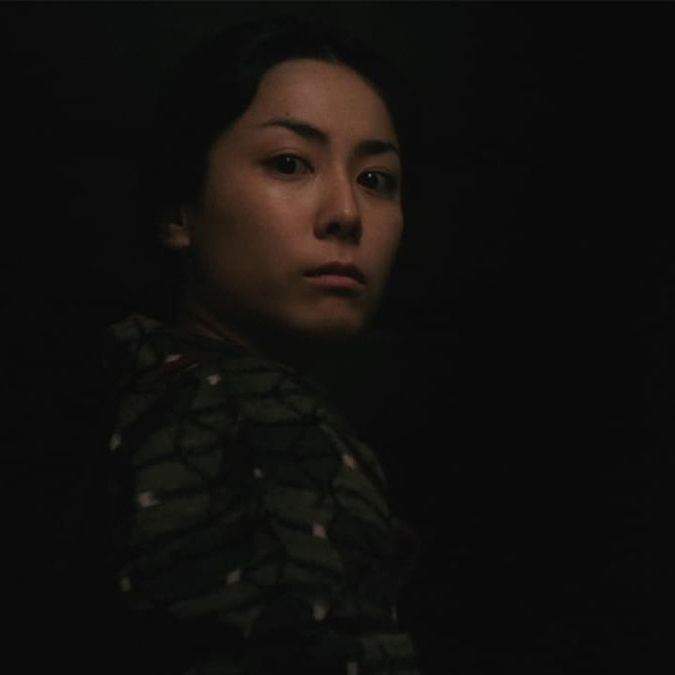
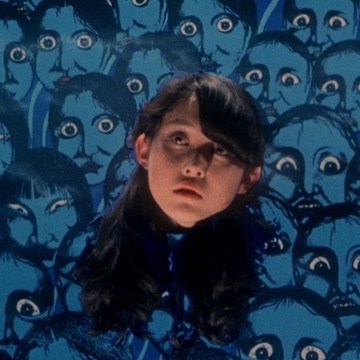
Nobuhiko Obayashi’s Top 5 Films Ranked
1. House (1977)
Genre: Haunted House, Absurdist Comedy, Surrealism, Horror Comedy
2. Hanagatami (2017)
Genre: Coming-of-Age, Period Drama
3. His Motorbike, Her Island (1986)
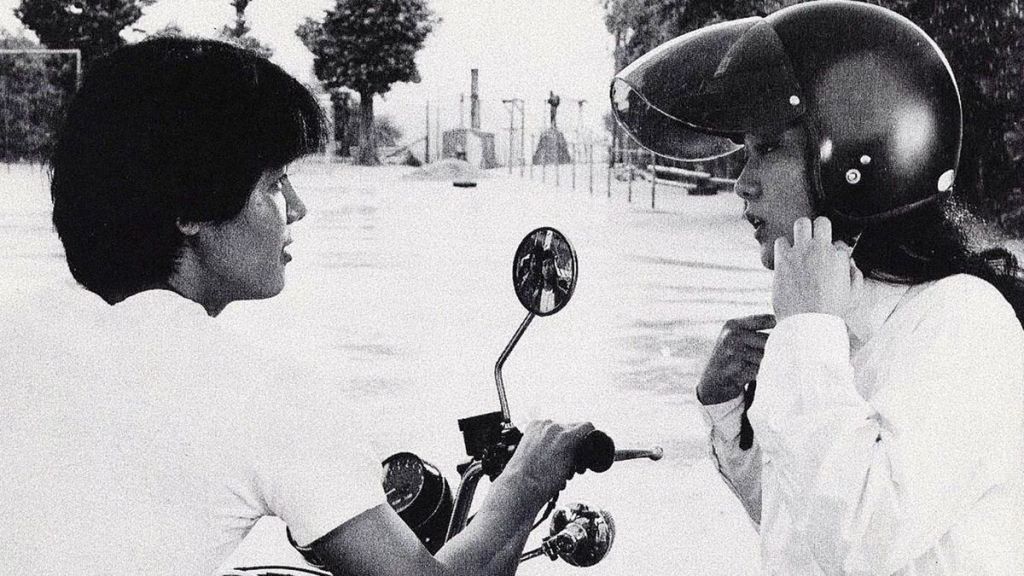
Genre: Drama, Romance
4. Bound for the Fields, the Mountains, and the Seacoast (1986)
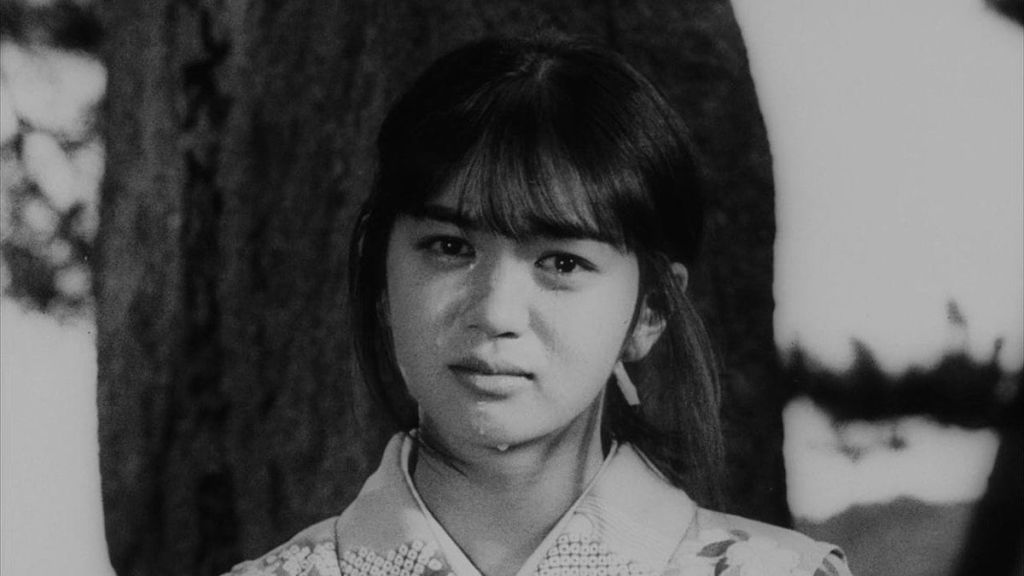
Genre: Coming-of-Age, Comedy, Period Drama
5. Miss Lonely (1985)
Genre: Comedy, Low Fantasy, Coming-of-Age
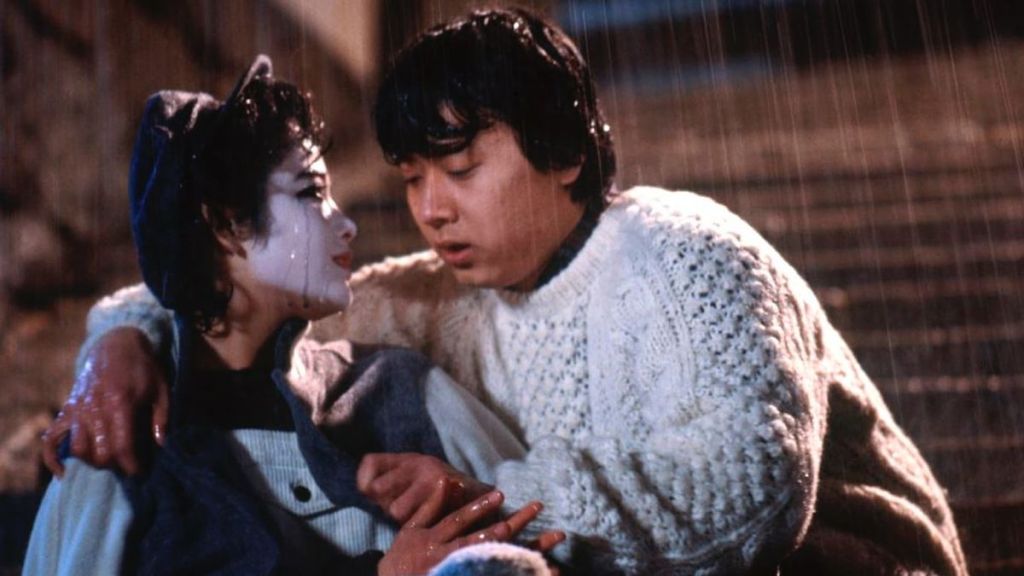
Nobuhiko Obayashi: Themes and Style
Themes:
- War and Peace: Obayashi frequently addressed the implications of war, often reflecting on World War II’s impact on Japan. His works convey a plea for peace and a contemplation on the atrocities of war, offering reflections on loss, suffering, and the resilience of the human spirit.
- Youth and Nostalgia: The director showcased a profound understanding and representation of youth, portraying their dreams, challenges, and innocence. Obayashi often combined nostalgic elements with fantasy, creating whimsical yet emotional narratives.
- Supernatural and Fantasy: Many of his films blend reality with elements of fantasy and the paranormal, crafting dream-like sequences that serve as metaphors for deeper themes.
- Memory and Time: Obayashi’s narratives are deeply intertwined with concepts of memory and time, exploring how the past shapes the present and individuals’ lives.
Styles:
- Visual Experimentation: Known for visually striking films, Obayashi employed experimental techniques, including rapid editing, vibrant colours, and optical illusions, to create a distinctive aesthetic.
- Surreal Storytelling: Surrealism is a cornerstone of his film style. His stories unfold in non-linear, often unpredictable ways, mirroring the illogical progression of dreams.
- Juxtaposition and Montage: He frequently utilised juxtaposition and montage to craft compelling visual and narrative contrasts, heightening the emotional impact of his films.
- Sound and Music: Soundtracks and sound design in his works are carefully curated to enhance the storytelling, often blending classical and contemporary tunes to underscore the film’s mood and atmosphere.
Directorial Signature:
- Innovative Editing: Obayashi’s editing style is unconventional and playful, using swift cuts, superimpositions, and other in-camera effects to craft his singular visual language.
- Visual Poetry: His films present a form of visual poetry, with each frame meticulously composed to convey a spectrum of emotions and meanings.
- Genre-Blending: Obayashi often blurred the lines between genres, combining horror, comedy, drama, and fantasy, creating films that are challenging to categorise but rich in content and style.
- Emotional Depth: Despite their often whimsical and surreal surface, his films delve deep into human emotions, providing audiences with thought-provoking and often heart-wrenching experiences.
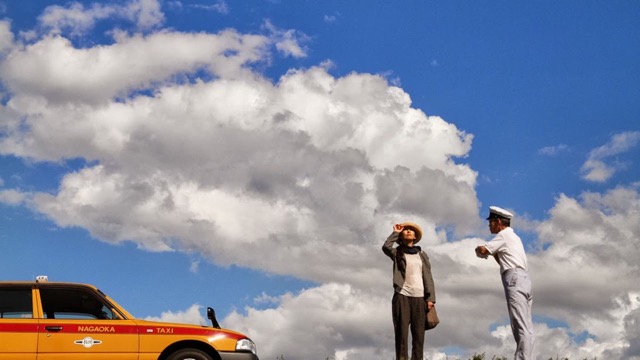
Nobuhiko Obayashi – The 276th Greatest Director
 Bronze Screen Dream