
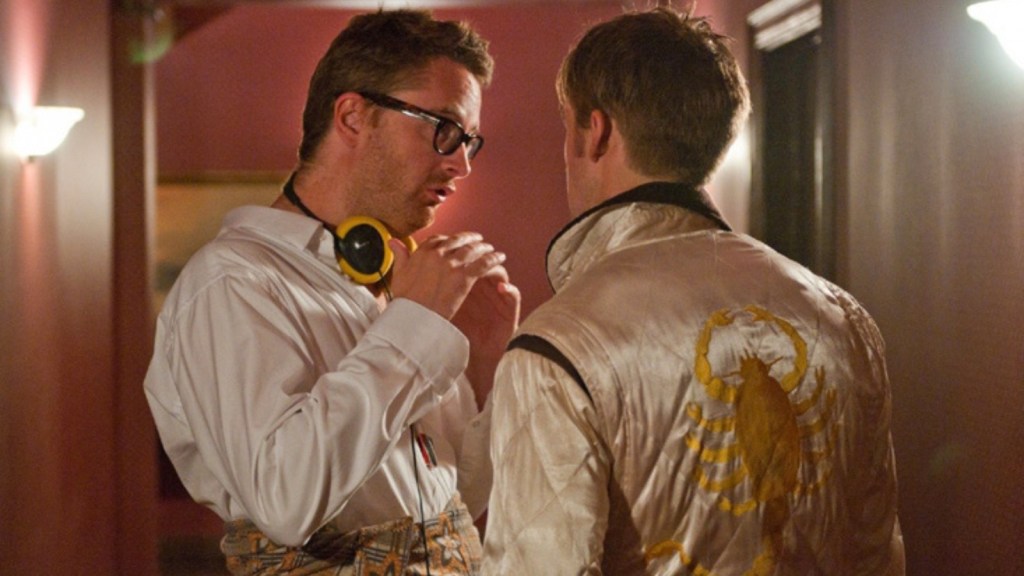
Nicolas Winding Refn is a Danish film director lauded for his distinctive and often polarising filmography. His stylised aesthetics and narrative explorations have brought him international acclaim. While he is best known for the brutal, hypnotic Drive, starring Ryan Gosling, other critically acclaimed works include Bronson, a biographical crime film, and the ultra-stylish horror-thriller The Neon Demon. His films are characterised by their stylistic bravado, violent themes, and complex characters living on the fringes of society.
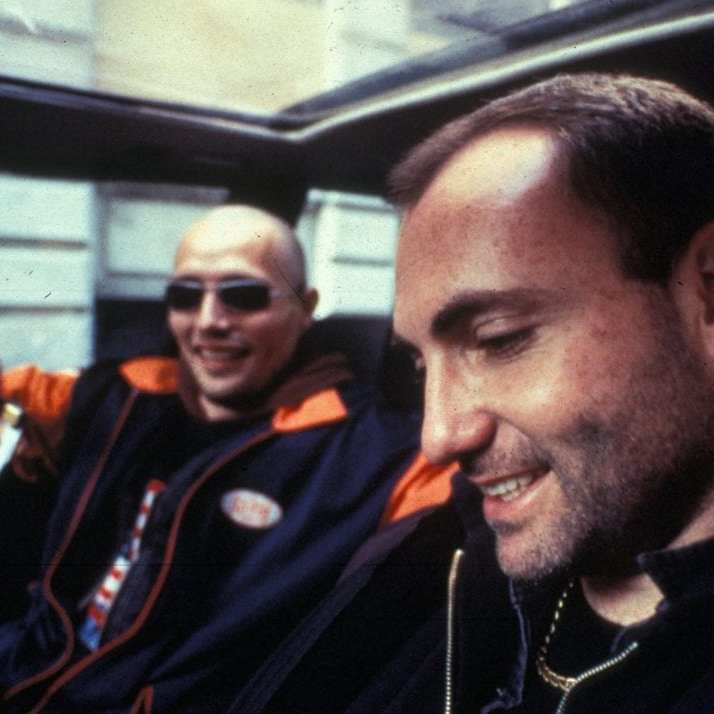
Refn’s filmography is defined by an approach to filmmaking that merges visual dynamism with challenging narratives. His movies often showcase minimalistic dialogue, atmospheric synths, and highly saturated colour palettes, creating a stylised, dreamlike intensity. This is evident in Only God Forgives, which pushes his aesthetic to an almost operatic height. Refn’s characters, often anti-heroes or social outcasts, find themselves embroiled in brutal, primal worlds—these worlds, filled with violence and crime, bring out the characters’ darkest aspects. His Pusher trilogy exemplifies this, showing Copenhagen’s grim, unforgiving underworld while also proving his skill in exploring the depths of human depravity.
The recurring theme of human darkness, entwined with a stylishly exaggerated visual approach, distinguishes Refn’s films from mainstream cinema. His unconventional, sometimes divisive narrative decisions have influenced a generation of filmmakers to push the boundaries of conventional storytelling. His cinema is an exploration of the extreme, both in style and substance, regularly pushing the boundaries of what audiences may find comfortable. Yet, this bold approach has garnered him a dedicated fan base, drawn to his audacious blending of the beautiful and the grotesque. Nicolas Winding Refn’s filmography is an ongoing testament to the power of cinema to both disturb and mesmerise, a legacy built on audacity, aesthetic prowess, and an uncompromising vision of human nature’s darkest corners.

Nicolas Winding Refn (1970 – -)
Calculated Films:
- Pusher III: I’m the Angel of Death (2005)
- Bronson (2008)
- Drive (2011)
Similar Filmmakers
- Gaspar Noe
- Julia Ducournau
- Lars von Trier
- Michael Mann
- Panos Cosmatos
- Park Chan-wook
- Peter Strickland
- Quentin Tarantino
- Stanley Kubrick
- Takashi Miike
- Takeshi Kitano
- William Friedkin

Nicolas Winding Refn’s Top 5 Films Ranked
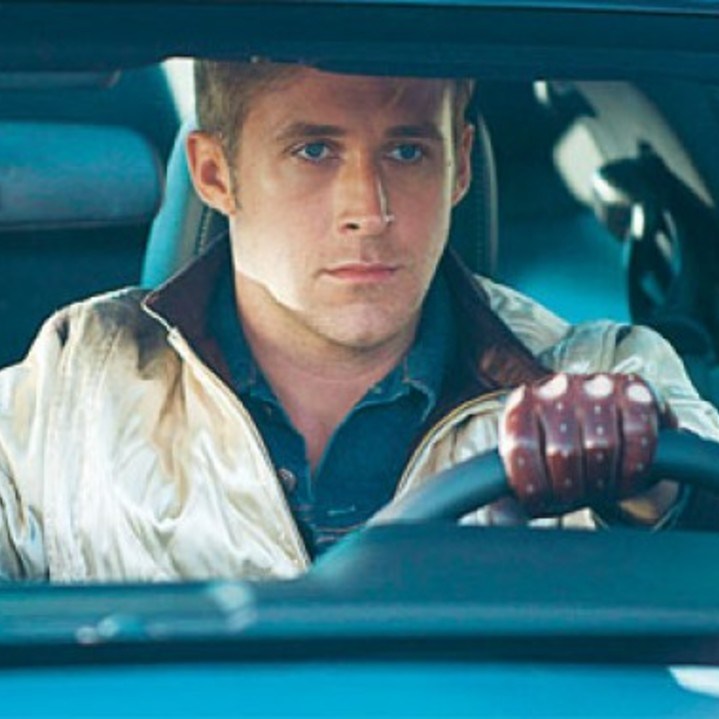
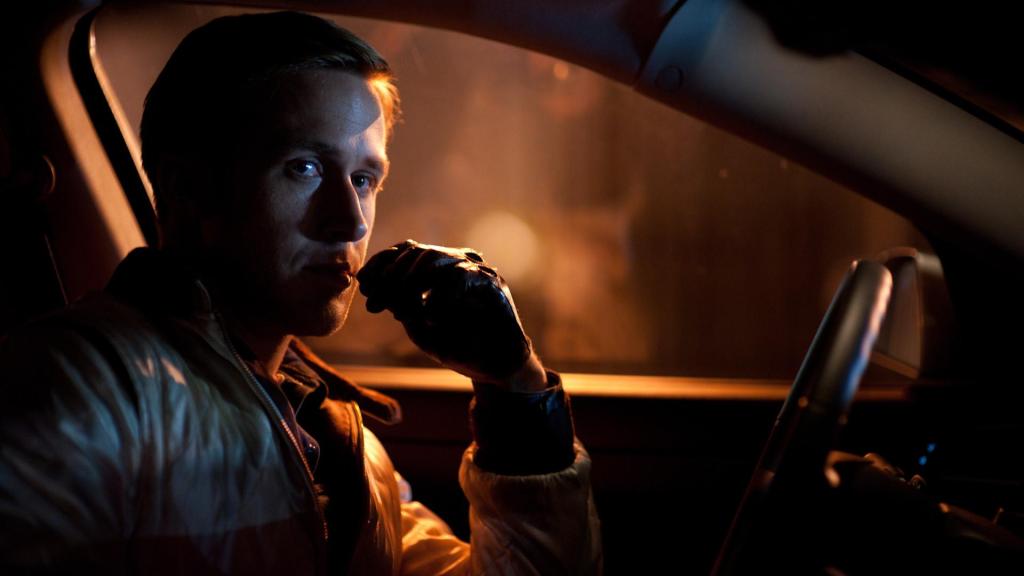
1. Drive (2011)
Genre: Crime, Thriller, Neo-Noir
2. Pusher III: I’m the Angel of Death (2005)
Genre: Crime, Drama, Gangster Film
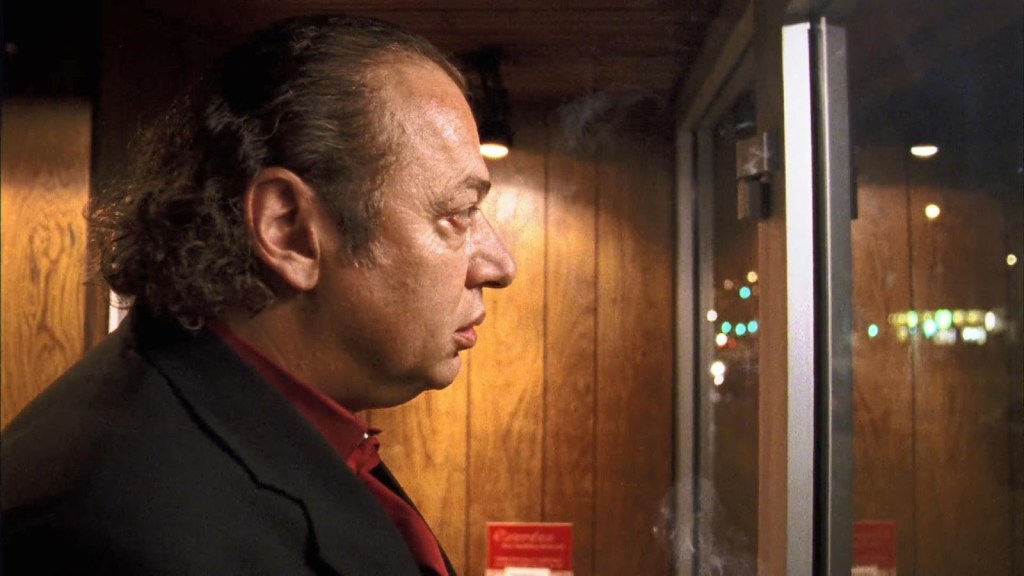
3. Pusher II: With Blood on My Hands (2004)
Genre: Drama, Crime
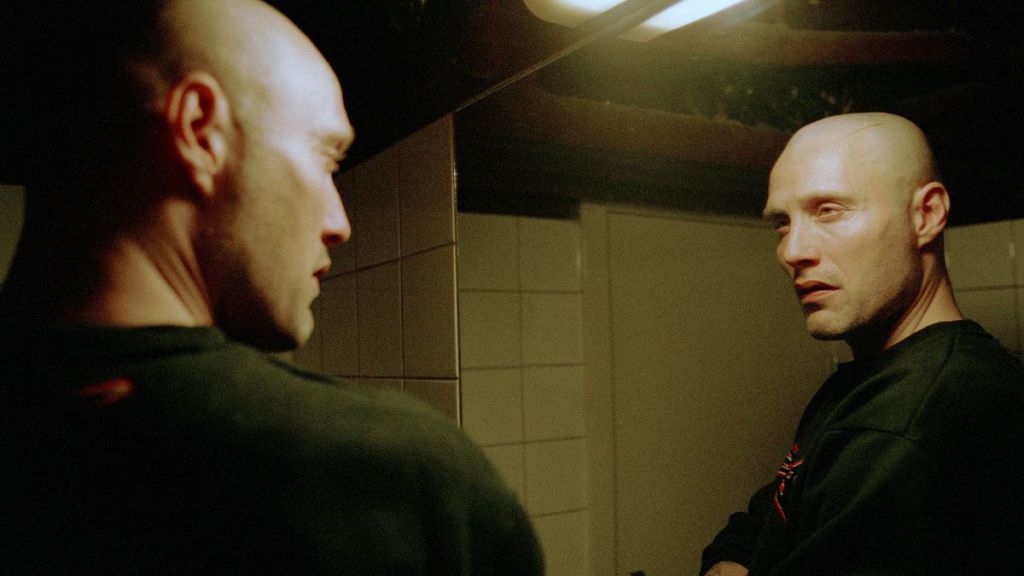
4. Pusher (1996)
Genre: Crime, Thriller, Drama

5. Bronson (2008)
Genre: Prison Film, Biographical, Black Comedy, Drama

Nicolas Winding Refn: Themes and Style
Themes:
- Violence & Brutality: Refn’s films frequently depict explicit violence and brutality, used not merely for shock value but as a tool for character development and thematic depth. Violence in his works is often sudden, graphic, and impactful, reflecting the chaotic nature of the characters and the world they inhabit.
- Masculinity: The director explores themes of masculinity, often deconstructing traditional notions of manhood. His male characters are typically flawed, conflicted, and complex, struggling with their identity, emotions, and societal expectations.
- Redemption & Damnation: Characters in Refn’s films are often caught in a cycle of redemption and damnation. These individuals are typically antiheroes or morally ambiguous figures attempting to navigate a world filled with corruption and decadence.
- Isolation & Alienation: A pervasive sense of isolation and alienation marks Refn’s work. Characters frequently grapple with loneliness and the struggle to connect with others in a meaningful way, reinforcing themes of existential despair and emptiness.
Styles:
- Visual Aesthetic: Refn is known for his striking visual style, utilising vibrant, often neon, colours to create a surreal, dreamlike atmosphere. His use of colour not only enhances the mood but also serves as a visual metaphor for the film’s themes and characters’ emotional states.
- Atmospheric Storytelling: His films are deeply atmospheric, relying on visual and auditory elements to convey the story as much as the script. Refn often employs long takes, minimal dialogue, and evocative music to create a hypnotic, immersive experience for the audience.
- Symbolism & Metaphor: Symbolism and metaphor are integral to Refn’s storytelling approach. He incorporates visual symbols, allegorical elements, and metaphorical situations to communicate deeper meanings and insights, allowing for multiple interpretations of his films.
Directorial Signature:
- Minimalist Dialogue: Refn’s characters often communicate more through expressions, actions, and body language than words. The dialogue in his films is typically sparse and loaded with significance, contributing to the films’ enigmatic, contemplative atmosphere.
- Synth Soundtracks: Refn often collaborates with composers like Cliff Martinez to create synth-heavy soundtracks that contribute significantly to the films’ mood and tension. These soundtracks are usually atmospheric, melodic, and subtly disconcerting, mirroring the narratives’ often-troubled characters and events.
- Stylish & Stylized Violence: The director’s depiction of violence is both stylish and stylised, turning scenes of brutality into almost choreographed, visually arresting sequences. This approach doesn’t glorify violence but rather uses it as a means to explore character psychology and the film’s broader themes.
- Character Complexity: Refn’s films usually feature morally grey protagonists, often making them difficult to categorise as traditional heroes or villains. These characters typically undergo significant transformations, embodying the tensions and contradictions inherent in human nature.
Nicolas Winding Refn – Great Director


 Bronze Screen Dream