Below are some of the best American directors ever. Click on their pictures to discover more about them. This grouping covers the directors who made experimental films from the 1940s up to the 1960s. These directors worked outside the Hollywood system. Many worked in New York around Jonas Mekas‘ The Film-Makers’ Cooperative.




A Brief History of New American Cinema
The New American Cinema was a period characterised by a wave of independent filmmaking that emerged in the United States in the late 1950s and 1960s. This movement was a radical departure from the traditional Hollywood studio system, emphasising personal expression, experimental techniques, and often a more avant-garde approach to filmmaking. It was driven by a desire to create films that were more reflective of the contemporary social and political climate, with a focus on realism and authenticity.
One of the pivotal forces behind this movement was Jonas Mekas, a Lithuanian-American filmmaker and critic. Mekas was a major proponent of the avant-garde in American cinema and founded the influential Film Culture magazine in 1954. He also played a crucial role in the establishment of the Anthology Film Archives in New York, a centre dedicated to the preservation and screening of independent films. His own work, often categorized as diary films, was deeply personal and reflective, characterized by a free-form, improvisational style.
Another significant figure in this movement was Shirley Clarke, a filmmaker who used her background in dance and choreography to inform her cinematic style. Clarke’s work often dealt with social issues and was known for its innovative use of editing and narrative structure. Her film “The Connection”, which explored the lives of jazz musicians and drug addiction, was groundbreaking in its candid portrayal of controversial subjects.
Stan Brakhage, another key director of the era, pushed the boundaries of visual storytelling with his abstract and often non-narrative films. His work, characterised by a focus on the visual rhythm and the materiality of the film medium itself, influenced subsequent generations of experimental filmmakers. Brakhage’s films like “Dog Star Man” and “Mothlight” showcased his innovative techniques, such as painting directly onto film and rapid editing.
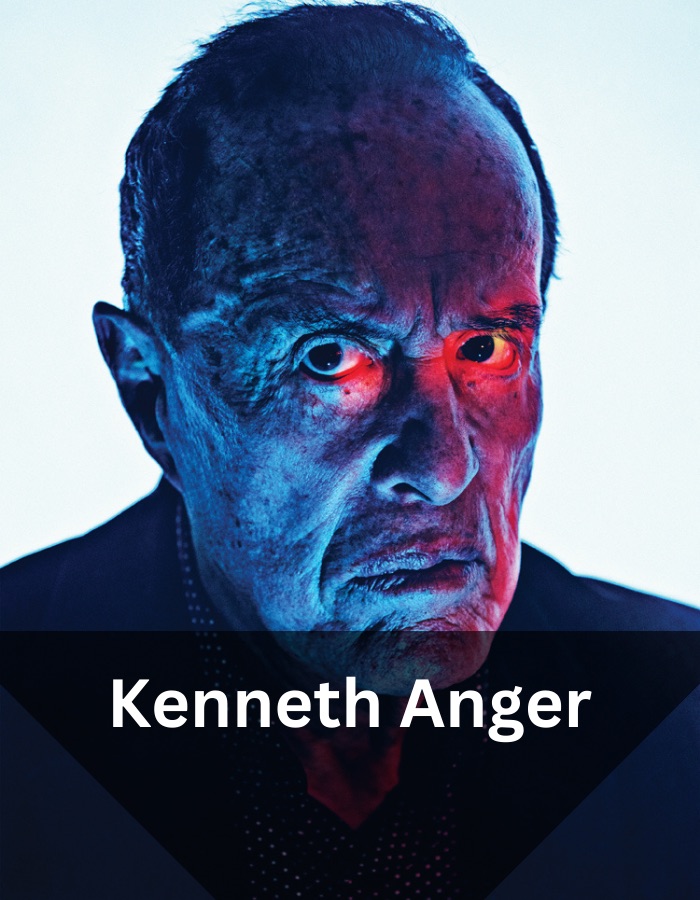
The New American Cinema was also notable for its embrace of underground cinema, with filmmakers like Kenneth Anger gaining recognition. Anger’s works, often delving into themes of the occult and homosexuality, were both controversial and influential. His 1963 film “Scorpio Rising” is considered a landmark in avant-garde cinema.
 Bronze Screen Dream