

Neil Jordan is an Irish filmmaker and writer, predominantly known for his distinct cinematic storytelling and contributions to the drama and fantasy genres. His best-known works reflect an infusion of myth, fairy tale, and reality, like in The Company of Wolves, a visually compelling, dream-like adaptation of the Little Red Riding Hood fable, showcasing his ability to craft narratives that intertwine the fantastical with the plausible. He has also made significant contributions to the thriller genre, with films such as The Crying Game renowned for their unexpected narrative twists and exploration of identity and sexuality.
Jordan’s career began in the late 1970s with his involvement in the Irish film industry, initially as a script consultant and then as a director. His directorial debut, Angel, set the tone for his interest in exploring challenging and often controversial subjects. The international success of The Crying Game in the early 1990s established Jordan as a significant talent on the global stage, earning him an Academy Award for Best Original Screenplay. This period marked the height of his career, with Jordan navigating both mainstream Hollywood productions and more personal, Irish-themed projects with equal adeptness.
Following the success of The Crying Game, Jordan continued to explore complex narratives, as seen in Interview with the Vampire, which combined lush historical settings with profound existential questions. However, not all of Jordan’s films met with critical or commercial success, leading to a career with its share of ups and downs. Films like The Brave One and Byzantium received mixed reviews, demonstrating the challenges Jordan faced in consistently matching the high expectations set by his earlier successes.
Jordan’s filmography is characterised by a rich visual style and thematic depth, as well as an exploration of identity, transformation, and the uncanny. These motifs allow his films to reside in a space between reality and fantasy, frequently engaging audiences in narratives that are simultaneously familiar and alienating. Interview with the Vampire, for instance, is not just a Gothic horror tale but also a profound exploration of existential angst and the human condition, set against a backdrop of sumptuous, haunting imagery. He often employs nonlinear storytelling and blurred genre lines to engage with these themes, creating films that are both entertaining and thought-provoking.
Furthermore, Jordan’s works often embody a uniquely Irish sensibility, subtly grappling with the nation’s history, politics, and folklore while maintaining a universal appeal. Michael Collins serves as a prime example of this aspect of his work, delving into the complexities and ambiguities of the Irish political landscape through the lens of one of its most controversial figures. This film, like many of his others, avoids straightforward hero-villain dichotomies, instead presenting characters that are deeply human and morally complex.

Neil Jordan (1950 – -)
Calculated Films:
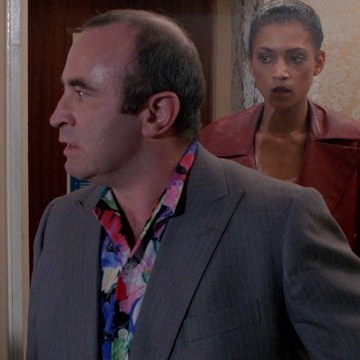
- Mona Lisa (1986)
- Interview With The Vampire: The Vampire Chronicles (1994)
Similar Filmmakers
- Aisling Walsh
- Anthony Minghella
- Antonia Bird
- Danny Boyle
- Gillian Armstrong
- Gillies MacKinnon
- Jane Campion
- Jim Sheridan
- John Boorman
- John Crowley
- John Mackenzie
- Kenneth Branagh
- Lasse Halstrom
- Lenny Abrahamson
- Mike Newell
- Pat O’Connor
- Sam Mendes
- Stephen Frears


Neil Jordan’s Top 5 Films Ranked
1. The Crying Game (1992)
Genre: Political Thriller, Romance, Psychological Drama

2. Mona Lisa (1986)
Genre: Drama, Crime, Neo-Noir, Romance

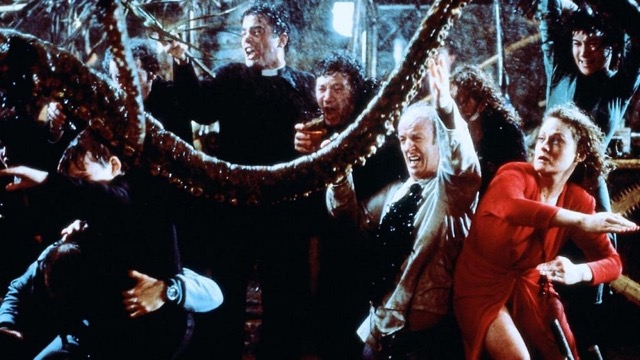
3. The Company Of Wolves (1984)
Genre: Werewolf, Fairy Tale, Gothic Horror

4. Interview With The Vampire: The Vampire Chronicles (1994)
Genre: Vampire, Drama, Meldorama, Southern Gothic

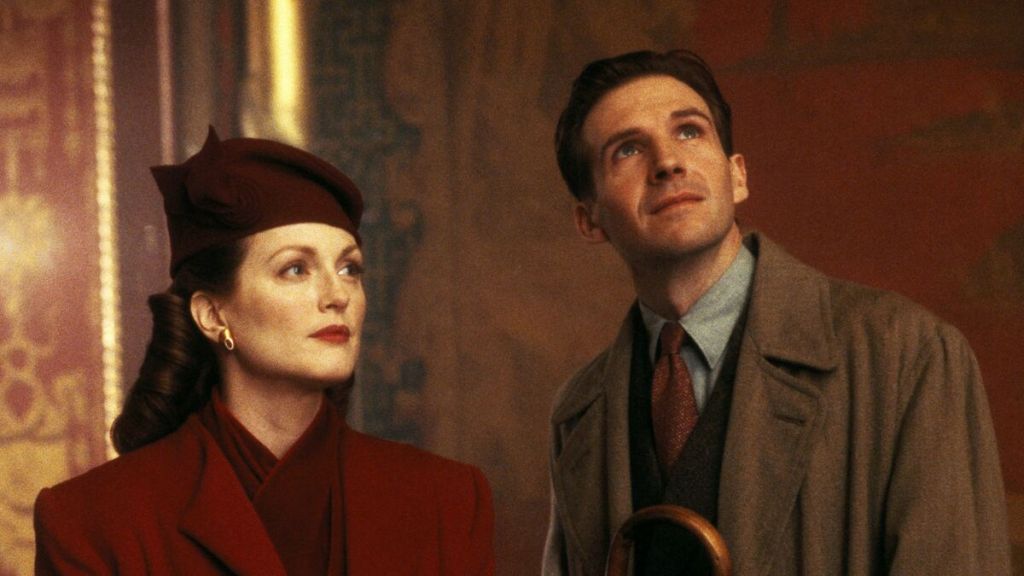
5. The End Of The Affair (1999)
Genre: Romance, Melodrama, Drama
Neil Jordan: Themes and Style
Themes:
- Transformation and Identity: Jordan’s films frequently explore characters undergoing profound changes, both physically and psychologically. Movies like The Crying Game and Breakfast on Pluto delve into issues of gender identity and sexuality, navigating through the characters’ internal struggles and societal expectations.
- Supernatural and Fantasy: Incorporating elements of the paranormal and fantasy is a trademark of his works. The Company of Wolves and Interview with the Vampire exemplify this theme, using fantastical elements to comment on human nature and societal norms.
- Irish Socio-Political Landscape: Many of his films are deeply embedded in the socio-political context of Ireland, reflecting on the nation’s tumultuous history and cultural identity. Michael Collins and The Crying Game are representative works that explore Irish nationalism and the conflict in Northern Ireland, respectively.
Styles:
- Gothic Aesthetics: Jordan employs Gothic aesthetics and dark, atmospheric visuals to craft mood and tension in his films. The use of shadows, rich colour palettes, and historical settings contribute to creating a sense of timelessness and otherworldliness in his works.
- Stylised Realism: While his films often delve into fantastical realms, Jordan maintains a degree of realism in the characters and narratives, providing audiences with a grounded emotional experience amidst the stylised visuals.
- Non-Linear Storytelling: Many of Jordan’s films utilise non-linear storytelling techniques, incorporating flashbacks, dream sequences, and unreliable narrators to construct complex narrative tapestries. This approach allows him to explore the characters’ psyches and motivations deeply, revealing the multifaceted nature of human identity and experience.
- Literary Influence: Given his background as a novelist, Jordan’s films often bear a literary quality, with careful attention to language, narrative structure, and thematic depth. His storytelling approach is usually reflective, contemplative, and imbued with a sense of poetic tragedy and irony.
Directorial Signature:
- Visual and Narrative Blending: He seamlessly blends visuals and narrative to create films that are both visually stunning and thematically rich, making his works accessible yet intellectually engaging.
- Character Focus: Regardless of the grand themes and visual spectacle, Jordan’s films always maintain a strong focus on character development and emotional arcs, providing audiences with relatable and compelling protagonists and antagonists.
Neil Jordan – Great Director


 Bronze Screen Dream