
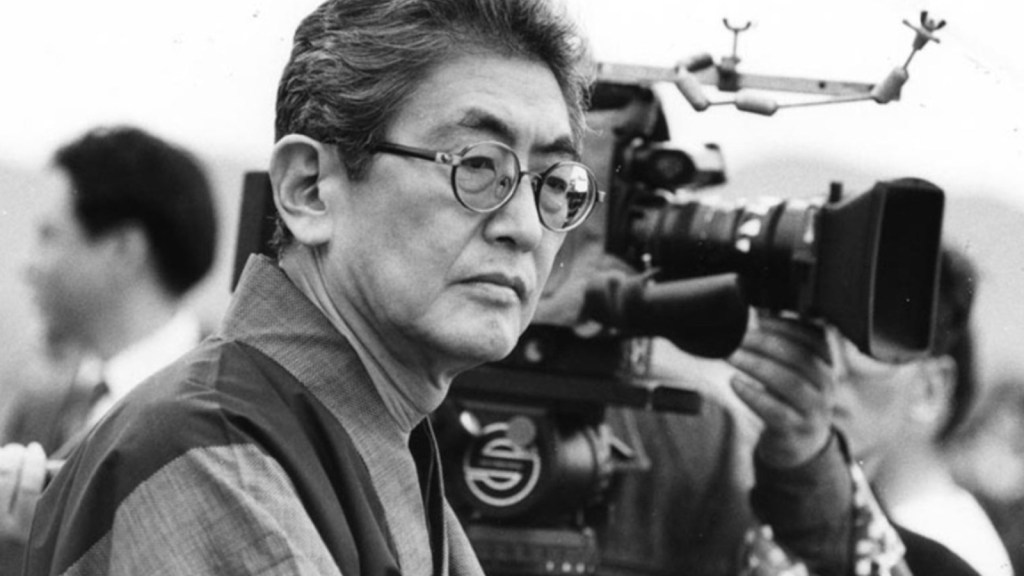
Nagisa Oshima was a Japanese film director highly regarded for his rebellious and provocative approach to cinema. Often considered a leading figure of the Japanese New Wave movement, his work challenged societal norms and censorship rules, providing a sharp critique of his time’s political and social issues. His most internationally recognised film, In the Realm of the Senses, is known for its explicit erotic content and powerful commentary on sexual obsession.
Oshima’s films frequently confronted taboos and societal norms, addressing sexual and political rebellion, death, and the clash between traditional and modern values. Films like Death by Hanging and Boy embody his commitment to social critique and his willingness to explore uncomfortable truths. Oshima’s approach to filmmaking was often provocative and confrontational, using cinema to challenge and provoke rather than to comfort or entertain.
Oshima’s work is characterised by its stark, often shocking imagery and innovative narrative structures. His films often subvert traditional cinematic conventions, as seen in Death by Hanging, which blends documentary and narrative styles. His use of colour, composition, and camera movement is bold and expressive, contributing to his films’ unsettling and thought-provoking nature. Oshima’s approach to cinema was highly intellectual and experimental, pushing the boundaries of what was considered acceptable or possible in film.
Oshima’s fearless commitment to challenging societal norms and his willingness to confront uncomfortable truths distinguished him as a director. His work stands out in the landscape of Japanese cinema for its boldness and refusal to conform to conventional expectations.
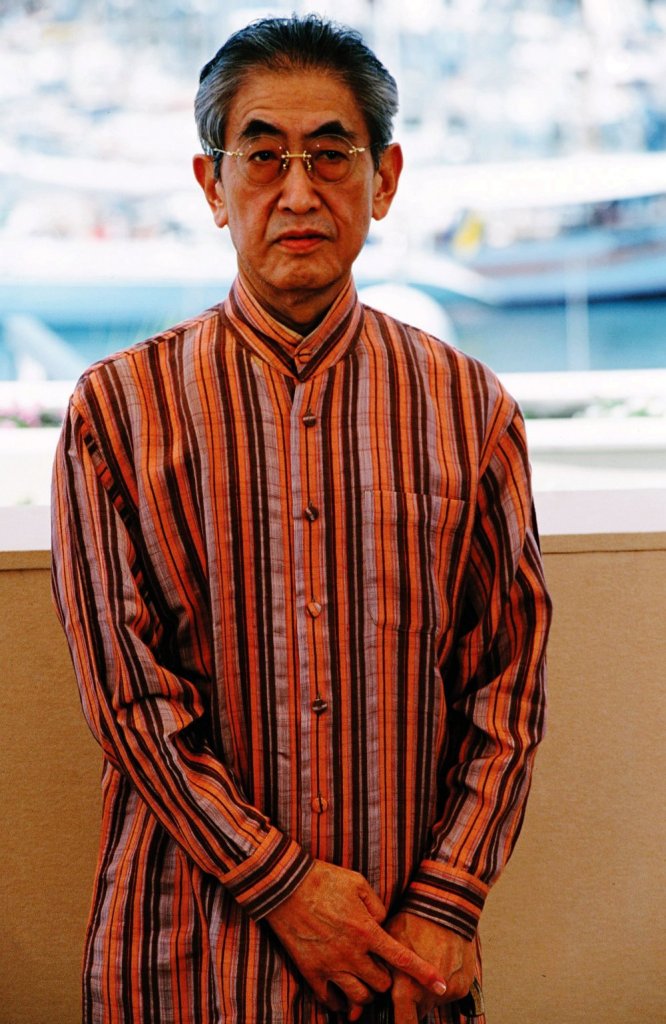
Nagisa Oshima (1932 – 2013)
Calculated Films:
- Death by Hanging (1968)
- Boy (1969)
- In The Realm of Senses(1976)
- Merry Christmas, Mr Lawrence (1983)
Similar Filmmakers

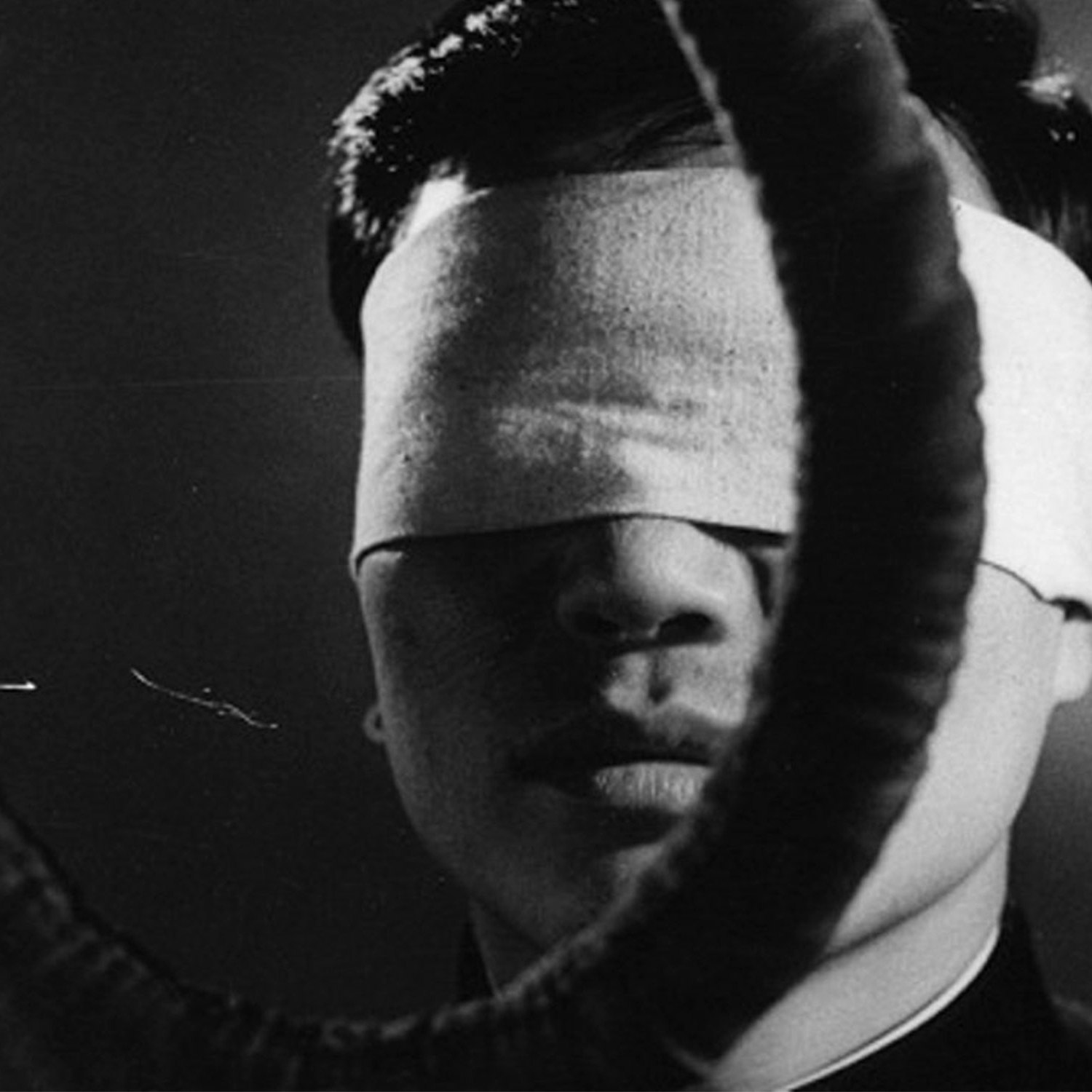

Nagisa Oshima’s Top 5 Films Ranked
1. Death by Hanging (1968)
Genre: Black Comedy, Satire, Absurdist Comedy

2. Boy (1969)
Genre: Drama, Coming-of-Age, Family Drama

3. The Ceremony (1971)
Genre: Drama, Satire, Psychological Drama

4. Merry Christmas, Mr Lawrence (1983)
Genre: War, Drama, Prison Film

5. The Man Who Left His Will on Film (1970)
Genre: Mystery
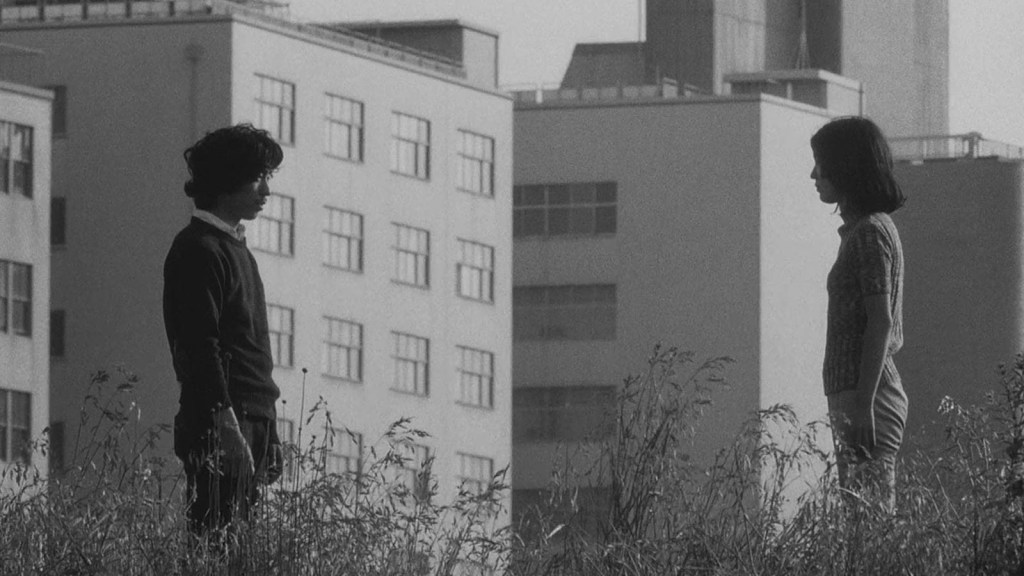
Nagisa Oshima: Themes and Style
Themes:
- Sociopolitical Critique: Oshima frequently critiqued post-war Japanese society, especially its repressed sexual norms and the lingering shadows of wartime nationalism.
- Sexuality and Eroticism: A number of his films, most notably In the Realm of the Senses, delved deeply into human sexuality, often linking it to broader sociopolitical issues.
- Youth and Rebellion: Many of Oshima’s works, like Cruel Story of Youth, centre around young protagonists who rebel against the establishment, reflecting the director’s anti-authoritarian streak.
- Identity and Alienation: Oshima explored the challenges of individual identity in a conformist society, as seen in films such as The Man Who Left His Will on Film.
- Death and Violence: Recurring themes in his filmography, Oshima often presented these in jarring, confrontational manners, prompting viewers to question societal values.
Styles:
- Documentary Style: Oshima frequently employed a pseudo-documentary style, blending fiction and reality to provide a heightened sense of realism.
- Visual Provocation: Bold, graphic imagery, especially in his erotic films, made Oshima’s work controversial but also visually captivating.
- Narrative Experimentation: He frequently played with non-linear storytelling, flashbacks, and dream sequences, making his films often feel surreal and avant-garde.
- Emotional Intensity: Oshima’s characters are often depicted in extreme emotional states, which are intensified through close-ups, dramatic music, and intense dialogue.
Directorial Signature:
- Confrontational Storytelling: Oshima never shied away from provocative subjects, often directly challenging viewer sensibilities and societal norms.
- Collaboration with Actors: Oshima had a particular talent for drawing deeply immersive performances from his actors, often blurring the line between actor and character.
- Minimalistic Aesthetic: Despite the intense subject matter, Oshima frequently employed a restrained, minimalistic aesthetic, using long takes, static shots, and naturalistic settings.
- Contrast in Imagery: Oshima frequently juxtaposed starkly contrasting images, such as moments of beauty with brutal violence or innocence with depravity, to create a visual and thematic tension.
- Political Undertones: Almost all of Oshima’s films contain political subtexts, reflecting his view that personal narratives are inextricably linked with broader societal forces.
Nagisa Oshima – The 230th Greatest Director



 Bronze Screen Dream