

Monte Hellman was an American film director, producer, writer, and editor renowned for his work in the independent film sector. He rose to prominence in the 1960s and 1970s with a distinctive style that emphasised minimalism and existential undercurrents. Hellman is best known for his cult classics Two-Lane Blacktop and The Shooting, which epitomise his approach to filmmaking and have earned him a place in the annals of cinema history. His films are often celebrated for their introspective characters and the philosophical depth they navigate, offering more than what meets the eye.
Hellman’s career was marked by a penchant for exploring the human condition through a lens of stark realism and a flair for unconventional narrative structures. His films frequently revolve around themes of alienation, the search for meaning, and the existential journey, all set within the American landscape. This thematic focus was complemented by his visual style, which favoured long takes, naturalistic performances, and economical use of dialogue, which often left his characters’ inner turmoil unspoken, allowing the audience to infer depth from their actions and interactions. In Cockfighter, Hellman explores the world of illegal cockfighting, using it as a backdrop to examine themes of obsession and redemption, a testament to his ability to find profound narratives in the margins of American life.
Hellman’s approach was characterised by a do-it-yourself ethos, often working with limited budgets and tight schedules, which fostered a sense of creative freedom and innovation. This independence from mainstream Hollywood allowed him to craft films that were unique in their storytelling and ambience. Although this sometimes resulted in films that flew under the radar of mainstream audiences, it also garnered him a dedicated following and critical acclaim in cinephile circles. His influence on independent cinema is notable, with filmmakers citing his ability to convey complex emotions with simplicity and subtlety as particularly inspiring. Despite not achieving blockbuster status, Hellman’s work has been celebrated for its artistic integrity and his steadfast dedication to a personal vision. These qualities have cemented his reputation as a filmmaker’s filmmaker.

Monte Hellman (1929 – 2021)
Calculated Films:
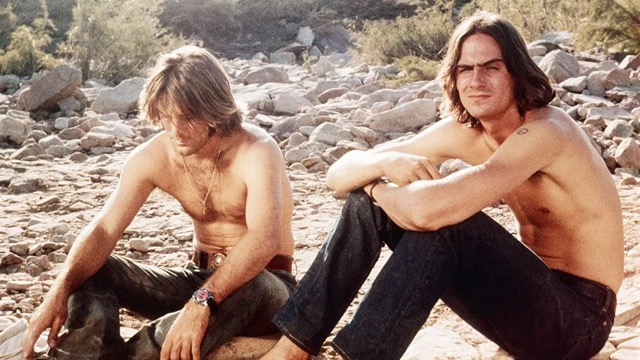
- Two-Lane Blacktop (1971)
- Cockfighter (1974)
Similar Filmmakers
- Alex Cox
- Barbara Loden
- Bob Rafelson
- Budd Boetticher
- Dennis Hopper
- Gus Van Sant
- Jack Starrett
- Jim Jarmusch
- John Sayles
- Jon Jost
- Kelly Reichardt
- Nicholas Ray
- Richard Rush
- Robert Altman
- Sam Peckinpah
- Terrence Malick
- Tom Laughlin
- Wim Wenders


Monte Hellman’s Top 5 Films Ranked
1. Cockfighter (1974)
Genre: Drama, Hixploitation

2. Two-Lane Blacktop (1971)
Genre: Road Movie, Drama

3. Ride in the Whirlwind (1966)
Genre: Revisionist Western, Thriller

4. Iguana (1988)
Genre: Drama, Period Drama
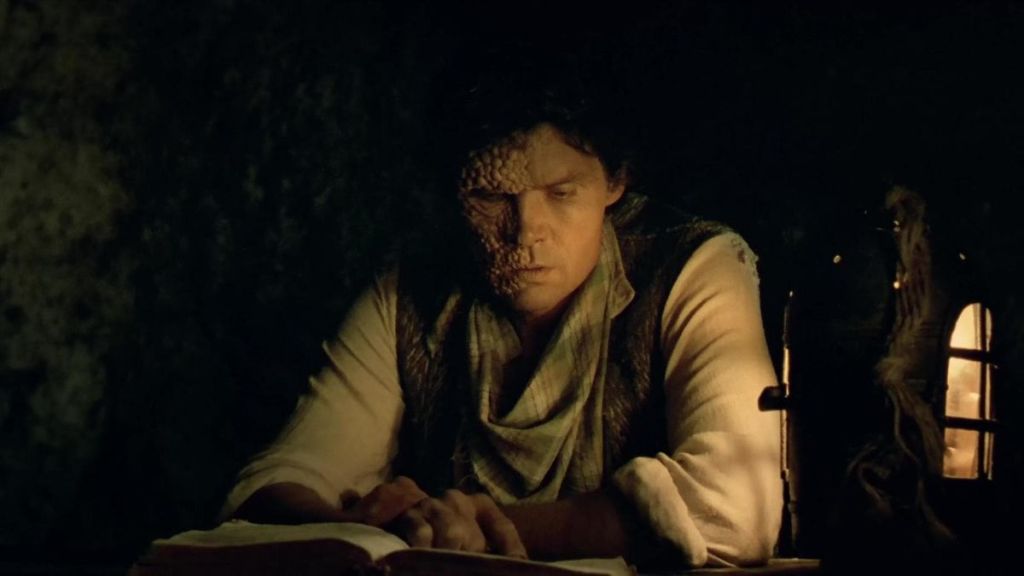
5. The Shooting (1966)
Genre: Acid Western

Monte Hellman: Themes and Style
Themes:
- Existentialism: Hellman’s films often explore existential themes, delving deep into the human psyche, grappling with identity, alienation, and the search for meaning.
- Loneliness and Alienation: His characters are often depicted as solitary figures navigating through a hostile or indifferent environment, mirroring the human condition’s alienation and isolation aspects.
- Moral Ambiguity: Hellman’s works are characterised by moral ambiguity, with characters often caught in ethical dilemmas, reflecting the complexity and unpredictability of human nature.
- Journey and Discovery: Many of his films incorporate journey motifs, where the characters undertake physical or psychological journeys that lead to self-discovery or revelation.
Styles:
- Visual Aesthetic: Hellman had a keen eye for visual composition, utilising the camera to create atmospheric, evocative, and sometimes unsettling images that complement the narrative’s tone.
- Minimalist Approach: His films often employ a minimalist aesthetic, with sparse dialogue, subtle performances, and a focus on visual storytelling.
- Ambiguous Narrative Structure: He embraced non-linear and vague narrative structures, often leaving the audience with unanswered questions and open-ended conclusions.
- Use of Silence: Silence plays a crucial role in Hellman’s work, often used to build tension, reflect characters’ internal turmoil, or emphasise the environment’s vastness and emptiness.
Directorial Signature:
- Collaborative Efforts: Hellman was known for his close collaboration with actors and crew members, fostering an environment of creative exchange and shared vision.
- Independent Spirit: As a director, he was committed to independent filmmaking, often working outside the major studio system to retain creative control over his projects.
Monte Hellman – Great Director


 Bronze Screen Dream