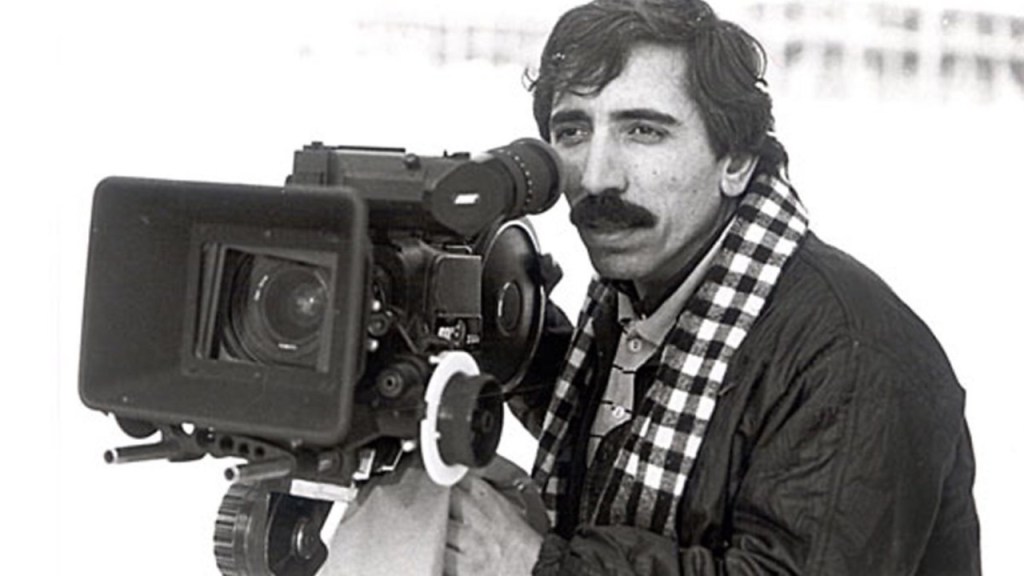
Mohsen Makhmalbaf is an Iranian filmmaker celebrated for his works that offer deep insight into the socio-political climate of Iran. His filmography is broad and varied, comprising films that are globally recognised for their narrative structure, thematic depth, and aesthetic innovation. His films, such as Gabbeh, Kandahar, and A Moment of Innocence, are celebrated for their unique exploration of complex subjects like the individual’s relationship with society, the implications of political unrest, and the nuances of human experience.
Makhmalbaf began his career as a political activist in the 1970s, and his early films reflect his commitment to social justice and his opposition to the Shah’s regime. His debut feature, Nasuh’s Repentance, was banned by the Iranian government, but his subsequent films, including Boycott and The Peddler, established him as a major voice in Iranian cinema.
Makhmalbaf’s films often blend fiction and documentary techniques, creating a sense of realism and authenticity that is both powerful and poetic. His 1990 film Close-Up, which tells the true story of a man who impersonates a famous Iranian filmmaker, is a masterful example of this approach, blurring the lines between reality and fiction in a way that is both intellectually stimulating and emotionally resonant. His later films, including Gabbeh and Kandahar, continue to explore the lives of ordinary Iranians, often focusing on the experiences of women and children. These films are characterised by their stunning visual beauty, their attention to detail, and their ability to find moments of grace and humanity in even the most difficult circumstances.
Makhmalbaf’s use of non-professional actors and real-life settings lend a documentary-like authenticity and immediacy to his narratives. For example, in A Moment of Innocence, he blurs the lines between reality and fiction by casting non-actors who play versions of themselves, thereby exploring themes of memory, identity, and the intricate relationship between life and cinema. His works frequently incorporate poetic and symbolic imagery that accentuates the emotional depth and philosophical significance of the narrative, such as in Gabbeh, where a magical, anthropomorphised rug serves as a metaphor for the enigmatic and multilayered nature of life and art.
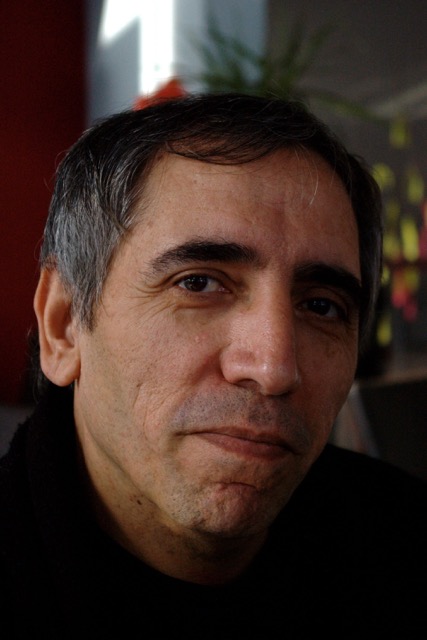
Mohsen Makhmalbaf (1957 – -)
Calculated Films:
- A Moment of Innocence (1996)
Similar Filmmakers
- Abbas Kiarostami
- Bahman Ghobadi
- Dariush Mehjrui
- Jafar Panahi
- Samira Makhmalbaf
Similar Filmmakers
- Abbas Kiarostami
- Asghar Farhadi
- Bahman Ghobadi
- Bahram Beizai
- Dariush Mehjrui
- Ebrahim Golestan
- Ebrahim Hatamikia
- Jafar Panahi
- Majid Majidi
- Marziyeh Meshkini
- Masoud Kimiai
- Nasser Taghvai
- Nuri Bilge Ceylan
- Rakhshan Bani-Etemad
- Samira Makhmalbaf
- Satyajit Ray
- Sohrab Shahid-Saless
- Zhang Yimou

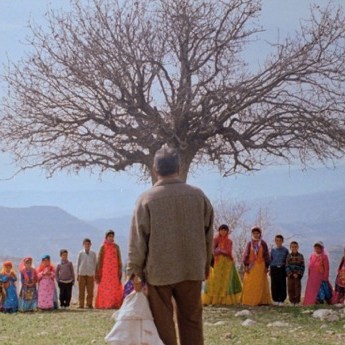
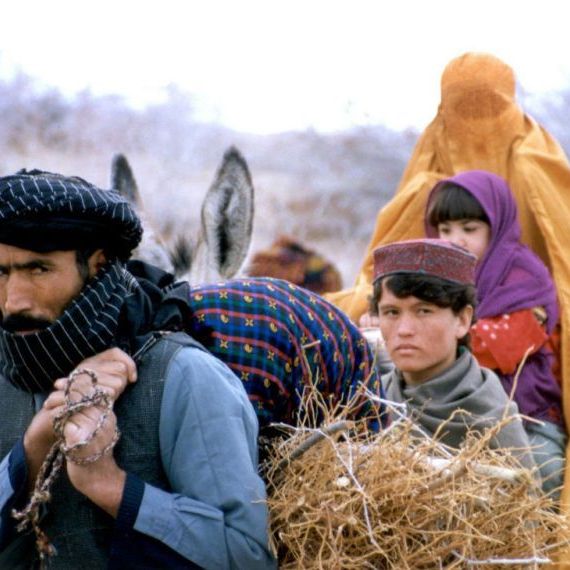
Mohsen Makhmalbaf’s Top 5 Films Ranked
1. A Moment of Innocence (1996)
Genre: Docudrama
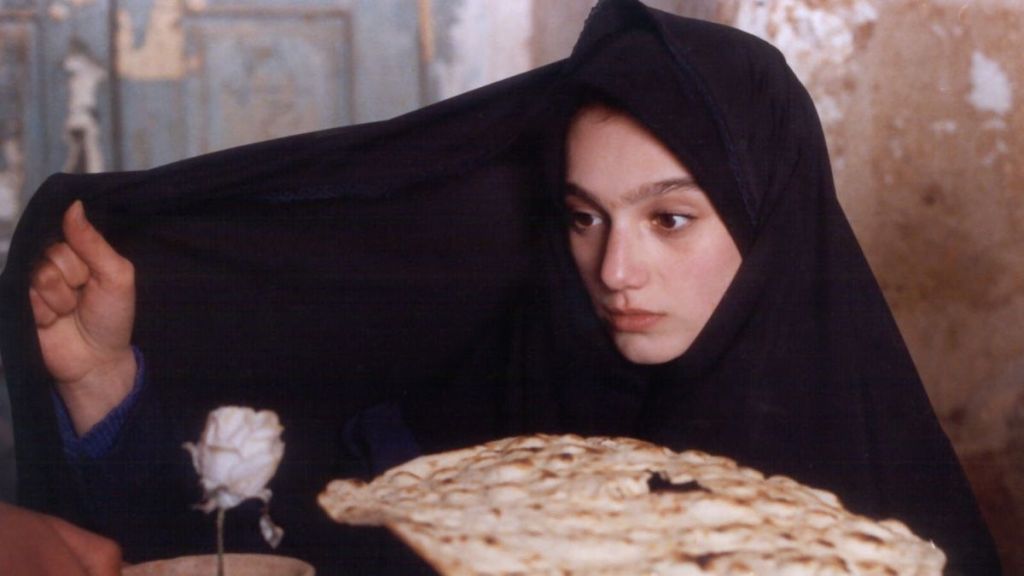
2. Salaam Cinema (1995)
Genre: Cinema Verite
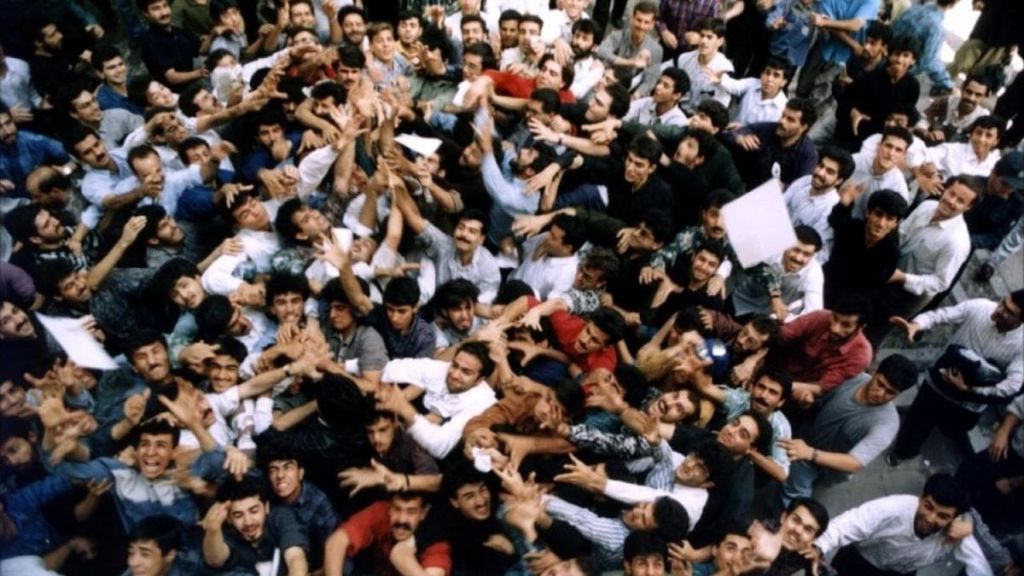
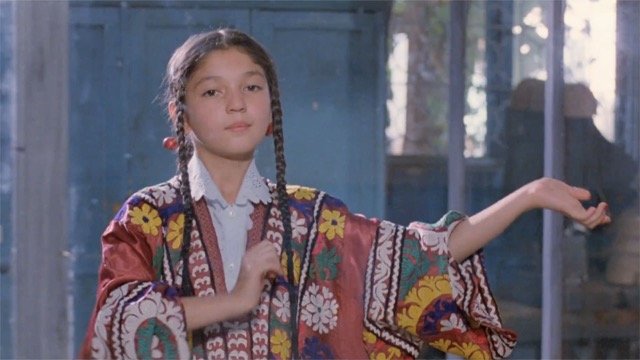
3. Gabbeh (1996)
Genre: Drama, Fairy Tale

4. The Cyclist (1987)
Genre: Drama
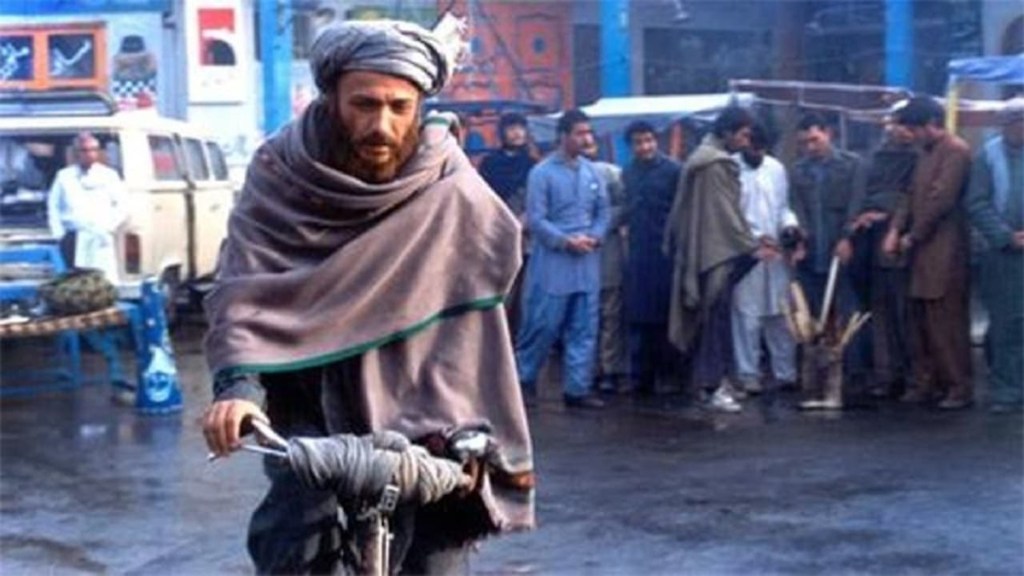
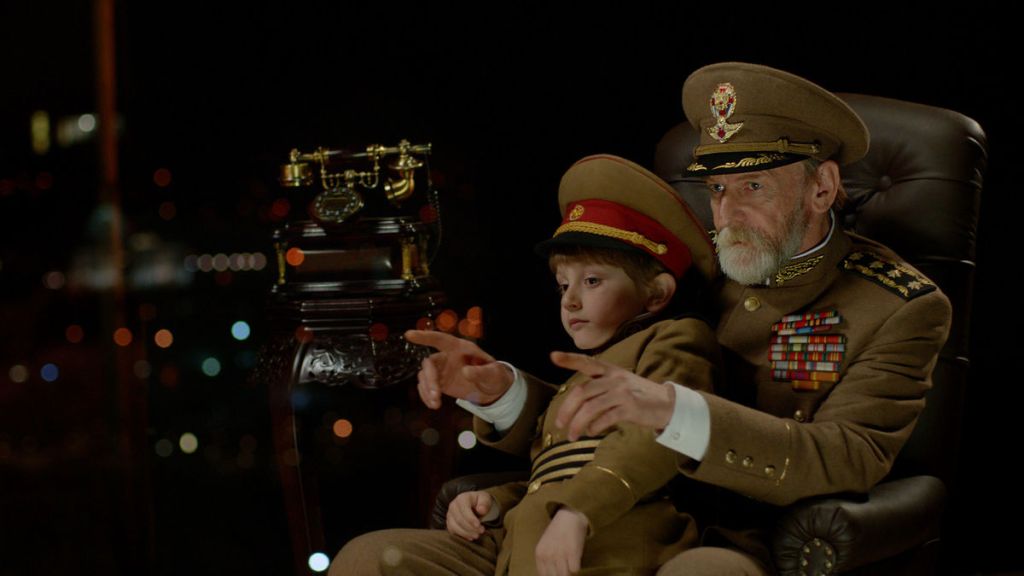
5. The President (2014)
Genre: Political Drama
Mohsen Makhmalbaf: Themes and Style
Themes:
- Social Commentary: Makhmalbaf frequently addresses pressing social issues in Iran, such as poverty, homelessness, and the oppression of women. His films often serve as critiques of the socio-political conditions in his homeland, providing a cinematic voice for marginalised communities.
- Political Activism: A former anti-Shah activist, Makhmalbaf infuses his political views and experiences into his films. Themes of dissent, resistance, and the pursuit of freedom permeate his work, offering audiences a window into the complexities of life under authoritarian rule.
- Cultural Identity: His films often explore the tension between tradition and modernity in Iranian society. Makhmalbaf navigates through the cultural, religious, and social facets of Iranian identity, elucidating the struggles and triumphs of individuals grappling with their sense of self in a rapidly changing environment.
- Spiritual Exploration: Makhmalbaf’s films delve into the spiritual and philosophical dimensions of human existence. Through character-driven narratives, he explores themes of redemption, enlightenment, and the search for meaning, often set against the backdrop of the rich spiritual heritage of Iran.
Styles:
- Visual Poetry: Known for crafting visually captivating scenes, Makhmalbaf employs a lyrical aesthetic that complements the poetic nature of Persian literature and art. His films are marked by striking imagery, meticulous framing, and sensitive use of colour and light, creating a visual tapestry that engages and moves audiences.
- Meta-Cinema: Makhmalbaf often blurs the line between fiction and reality, incorporating elements of documentary filmmaking into his narrative features. This blend of styles results in films that are reflexive, challenging audiences to question the nature of cinema and reality itself.
- Allegorical Storytelling: His narratives often function on multiple levels, serving as allegories for broader socio-political and existential themes. Makhmalbaf uses the personal stories of his characters as vehicles for exploring deeper philosophical and moral questions, inviting viewers to reflect on their own lives and societies.
Directorial Signature:
- Non-Professional Actors: Makhmalbaf often works with non-professional actors, eliciting natural and authentic performances that contribute to the realism and emotional depth of his films.
- Multi-layered Narratives: He is known for weaving complex, multi-faceted narratives that demand attentive viewing. His stories often unfold in a non-linear fashion, with multiple plotlines and perspectives intertwining to form a cohesive, thought-provoking whole.
- Humanistic Approach: At the heart of Makhmalbaf’s cinema is a profound empathy for his characters and a deep understanding of the human condition. His films are marked by a humanistic sensibility, celebrating the resilience, dignity, and diversity of the human spirit amidst adversity and oppression.
- Engaged Filmmaking: Makhmalbaf views cinema as a tool for social change and dialogue. His films are often provocative, designed to engage audiences in critical reflection and discussion on the pressing issues facing Iranian society and humanity at large.
Mohsen Makhmalbaf – Great Director


 Bronze Screen Dream