
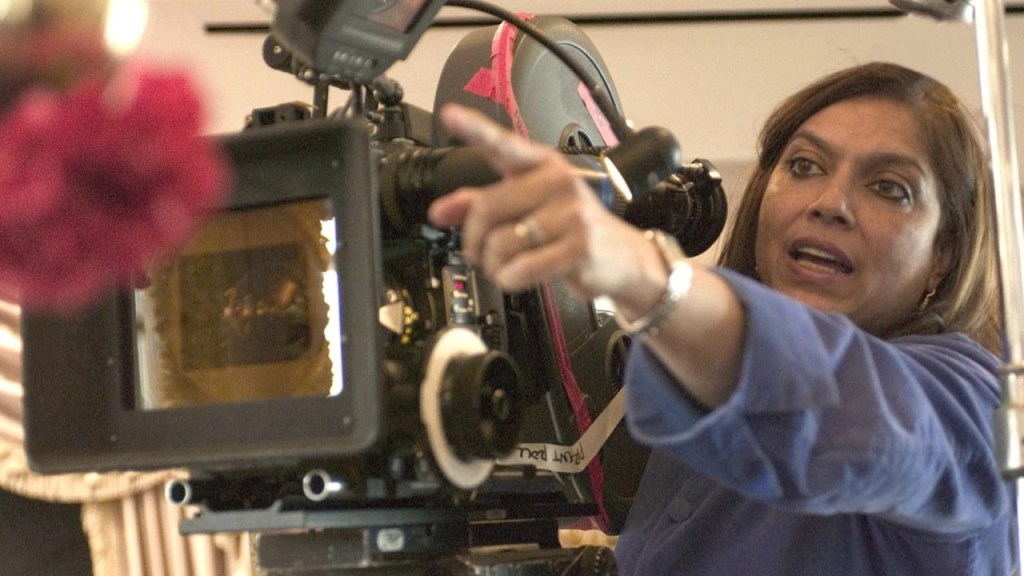
Mira Nair is an Indian film director and producer celebrated for her ability to bridge the gap between Hollywood and Indian cinema. She is best known for her vibrant storytelling, often focusing on Indian society across various strata and complexities. Nair has received international acclaim for her distinctive narrative style, which often explores issues of culture, society, and identity.
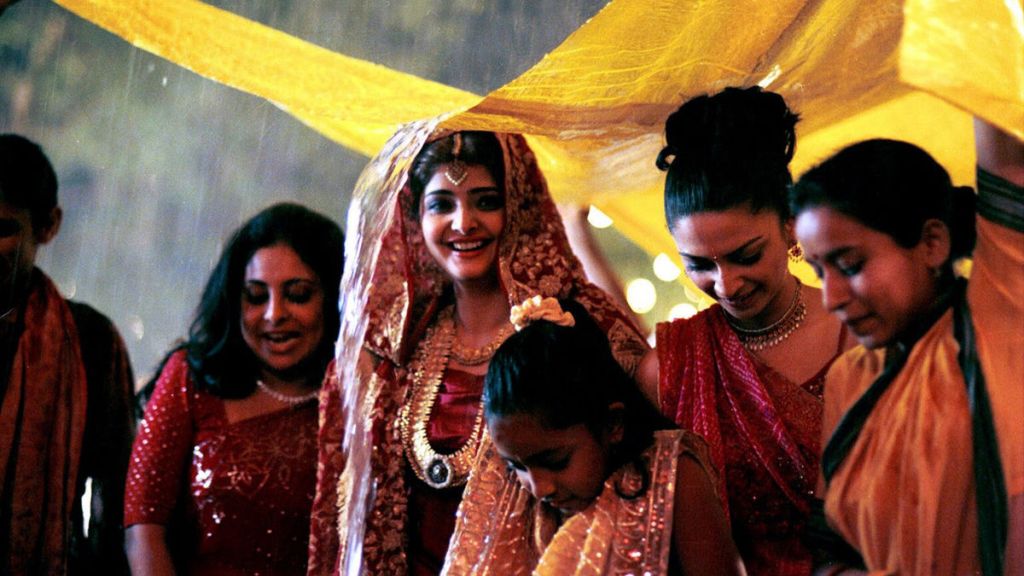
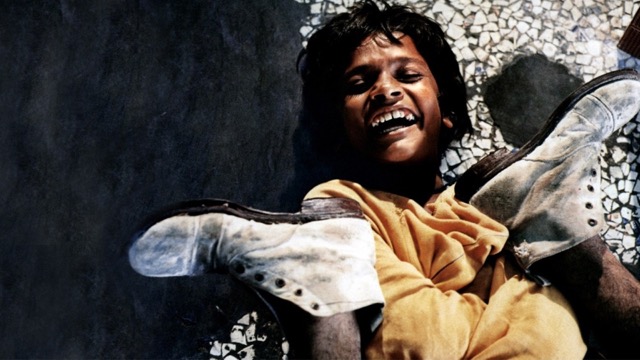
Nair’s career began with her debut feature film, Salaam Bombay!, in 1988, which garnered critical acclaim for its raw portrayal of the lives of children living on the streets of Mumbai. This film set the tone for many of her subsequent works, which often delve into the intricacies of human relationships and cultural conflicts. Her storytelling is marked by a deep empathy for her characters, often bringing to life the stories of those on the margins of society. In Monsoon Wedding, she combines a rich visual style with a dynamic narrative to explore themes of love, family dynamics, and social norms within the context of a traditional Punjabi wedding in New Delhi. The film’s critical and commercial success exemplified her ability to create universally relatable stories rooted in specific cultural experiences.
Nair’s unique approach to filmmaking includes a keen eye for detail and a vivid portrayal of her characters’ environments, which adds depth and authenticity to her films. In The Namesake, she beautifully captures the struggles of identity and cultural displacement experienced by a Bengali family in the United States. This film, like many of her others, illustrates her skill in traversing multiple cultures and narratives, creating a rich tapestry of human experience that resonates with a diverse audience. Nair’s work is also notable for its strong female characters and social commentary, as seen in Queen of Katwe, a film about a Ugandan girl’s journey to becoming a chess champion. Through her films, Nair continues to be a vital voice in contemporary cinema, blending the personal with the universal and the local with the global.

Mira Nair (1957 –)
Calculated Films:
- Salaam Bombay! (1988)
Similar Filmmakers
- Ang Lee
- Aparna Sen
- Ashutosh Gowariker
- Deepa Mehta
- Gurinder Chadha
- Haifaa al-Mansour
- Jim Sheridan
- Majid Majidi
- Nadine Labaki
- Nagesh Kukunoor
- Nandita Das
- Ritesh Batra
- Sai Paranjpye
- Satyajit Ray
- Shekhar Kapur
- Shyam Benegal
- Wanuri Kahiu
- Zoya Akhtar


Mira Nair’s Top 5 Films Ranked
1. Salaam Bombay! (1988)
Genre: Drama, Crime

2. Mississippi Masala (1991)
Genre: Drama, Romance

3. Monsoon Wedding (2001)
Genre: Drama, Romance, Comedy, Romantic Comedy
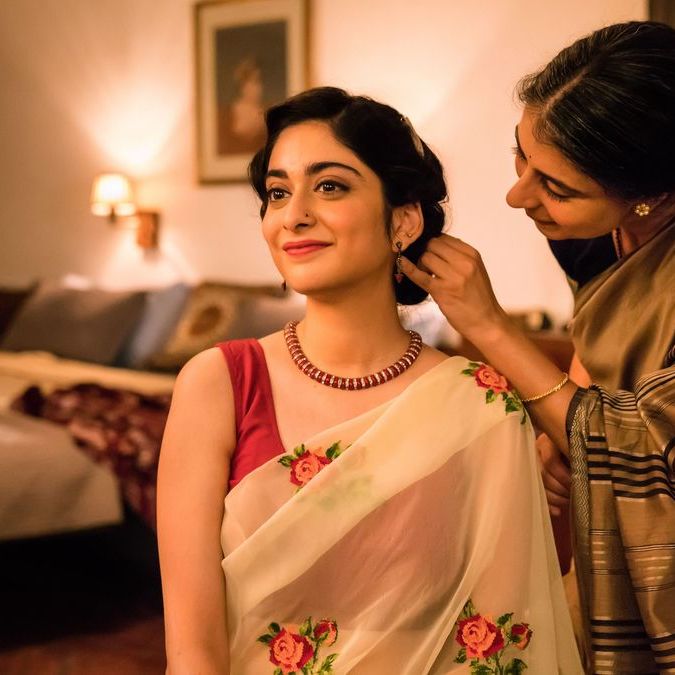
4. The Namesake (2006)
Genre: Coming-of-Age, Family Drama, Drama

5. Queen of Katwe (2016)
Genre: Biographical, Sports

Mira Nair: Themes and Style
Themes:
- Cultural and Social Intersection: Mira Nair often explores the intersection of different cultures and social classes. Films like Monsoon Wedding and The Namesake focus on the complexity of identity and belonging, particularly for characters straddling diverse cultural worlds.
- Diaspora and Identity: Her work frequently delves into the experiences of the Indian diaspora, exploring themes of home, identity, and the tension between traditional and modern values, as seen in Mississippi Masala and The Namesake.
- Gender and Sexuality: Nair addresses issues related to gender and sexuality, often challenging societal norms. In Fire, she explores the theme of female sexuality and liberation within the conservative framework of Indian society.
- Social Issues and Activism: Her films often have a strong social message, addressing issues such as poverty, child labour, and HIV/AIDS. Salaam Bombay! is a poignant example, showcasing the lives of street children in Mumbai.
- Family Dynamics: The dynamics of family life, often within a cross-cultural context, are a recurring theme. Monsoon Wedding vividly portrays the complexities and conflicts within an extended family.
Styles:
- Vibrant Storytelling: Nair’s films are known for their dynamic, energetic storytelling style, with a rich palette of colours and lively music. This is especially evident in Monsoon Wedding, which is visually and emotionally vibrant.
- Realism and Detail: She has a keen eye for detail and realism, often capturing the minutiae of everyday life to create a rich, textured world, as seen in Salaam Bombay!
- Cross-Genre Filmmaking: Nair doesn’t confine herself to a single genre, effortlessly blending elements of drama, comedy, and romance. The Namesake combines aspects of a family drama with a coming-of-age story.
- Rich Characterisation: Her films are characterised by deep, nuanced character development, allowing viewers to form strong connections with the characters and their journeys.
- Documentary Influence: Having started her career in documentaries, Nair often incorporates documentary-style realism into her narrative films, lending an authentic feel to her storytelling.
Directorial Signature:
- Multicultural Perspective: Nair brings a unique multicultural perspective to her films, often bridging the gap between Eastern and Western storytelling styles, as seen in her approach to The Namesake.
- Focus on Women’s Stories: Many of her films center around strong, complex female characters, showcasing women’s struggles and triumphs, as in Monsoon Wedding and Queen of Katwe.
- Use of Music: Music plays a crucial role in her films, often used to enhance the cultural setting and emotional depth, like the use of traditional Indian music in Monsoon Wedding.
- Visual Storytelling: Her directorial style is marked by a strong visual narrative, using the camera to tell a story as much as the script, which is evident in the rich visual texture of films like Monsoon Wedding.
Mira Nair – Great Director



 Bronze Screen Dream