
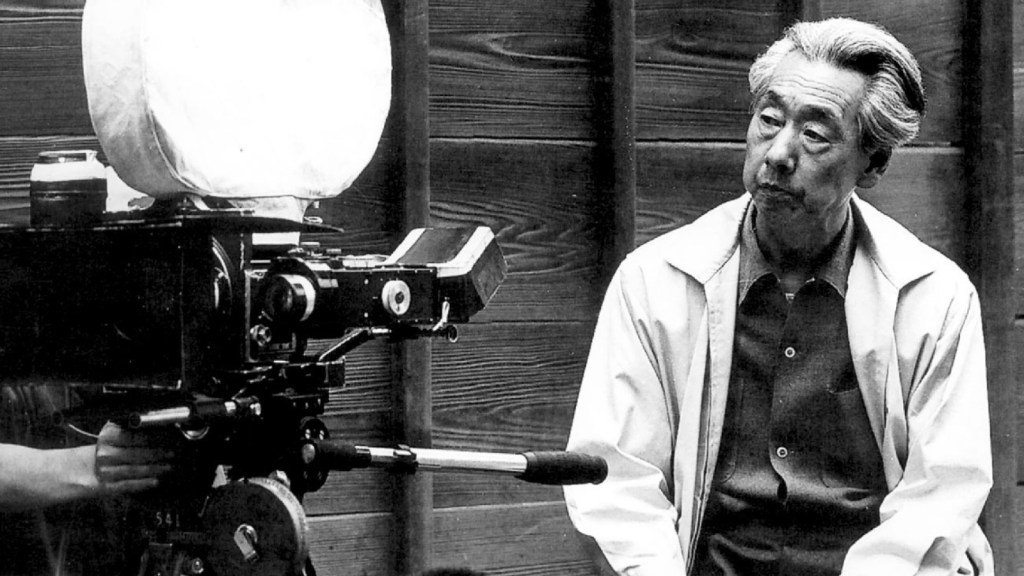
Mikio Naruse, a Japanese director, was renowned for his delicate and empathetic portrayal of everyday women, particularly those from lower-middle-class backgrounds. His films frequently focus on the struggles and perseverance of these women, offering insightful narratives set against the backdrop of post-war Japanese society. Often associated with the Shomin-geki genre, which emphasises ordinary life, Naruse’s work stands out for its quiet style, understated emotional depth, and restraint in dramatic scenes.
Naruse began his career in the silent era, initially working as a prop assistant before ascending to the director’s role. His directorial prowess was evident from his early work, and he successfully transitioned to sound films, with his career spanning over three decades. He frequently collaborated with actress Hideko Takamine, producing some of his most acclaimed films, such as Floating Clouds and When a Woman Ascends the Stairs.
Naruse’s films are marked by themes of suffering, disappointment, and endurance. His characters, especially the women, often face hardships and disappointments but show a stoic endurance that resists easy sentimentality or melodrama. This exploration of resilience against the odds is a hallmark of Naruse’s work, manifesting most prominently in his women-centred narratives.
Lyrical Japanese Realism
Regarding visual style, Naruse is recognised for his meticulous composition and effective utilisation of space within the frame. His films often convey as much through their visual motifs and physical environments as through dialogue or action. This aesthetic is complemented by a narrative style often described as ‘lyrical realism’—a delicate blend of realism and evocative, poetic moments that underscore the emotional realities of his characters.
Naruse often employs a cyclical narrative structure, where characters seem destined to return to their initial state despite their struggles to alter their circumstances. This narrative choice highlights life’s bitter realities, wherein effort does not always lead to change or improvement. Yet, in Naruse’s hands, these stories become profound meditations on life and human resilience.
Although less internationally recognised than contemporaries like Akira Kurosawa or Yasujirō Ozu, Mikio Naruse has significantly influenced Japanese cinema and beyond. Directors such as Hirokazu Kore-eda have cited Naruse as an inspiration, demonstrating his impact on contemporary filmmakers. His nuanced portrayal of ordinary women and his lyrical realism continue to be celebrated, marking him as a master of cinema.

Mikio Naruse (1905 – 1969)
Calculated Films:
- Apart From You (1933)
- Every Night Dreams (1933)
- Wife! Be Like A Rose! (1935)
- Repast (1951)
- Mother (1952)
- Lighting (1952)
- Sound of the Mountain (1954)
- Late Chrysanthemums (1954)
- Floating Clouds (1955)
- Flowing (1956)
- When A Woman Ascends The Stairs (1960)
- Yearning (1964)
- Two in the Shadow (1967)
Similar Filmmakers
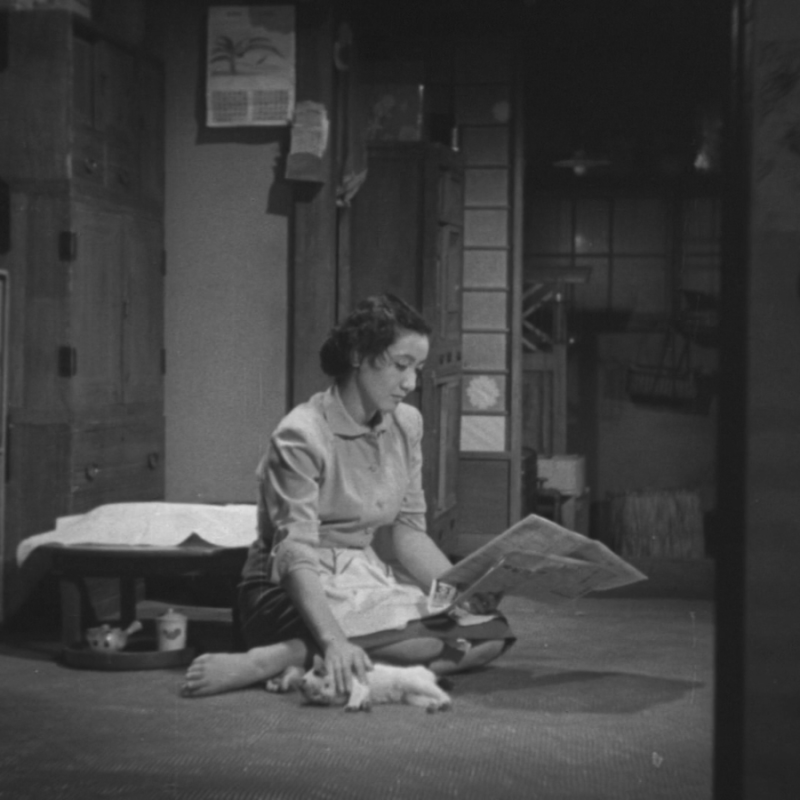


Mikio Naruse’s Top 10 Films Ranked
1. When A Woman Ascends The Stairs (1960)
Genre: Drama
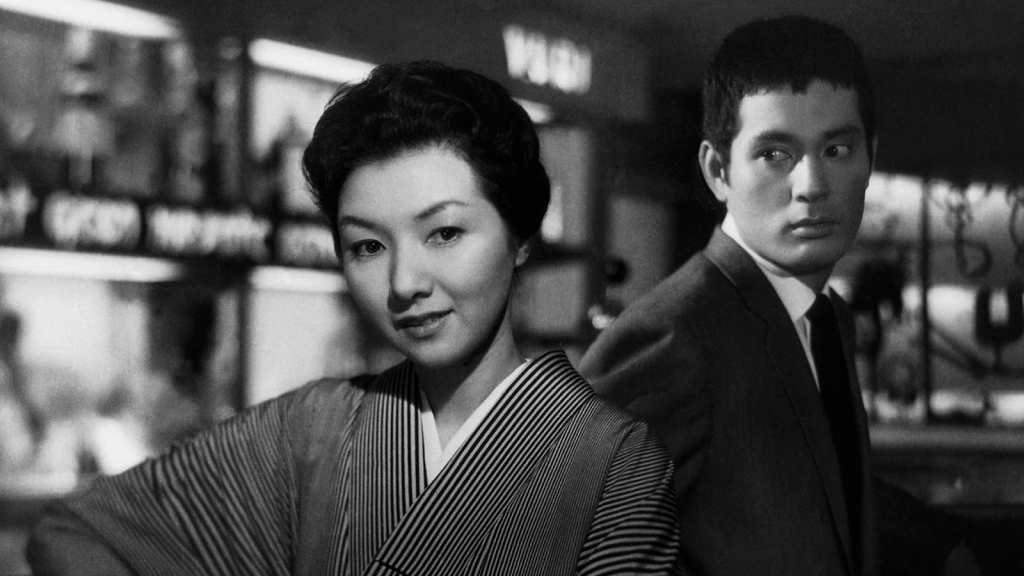
2. Yearning (1964)
Genre: Melodrama, Romance
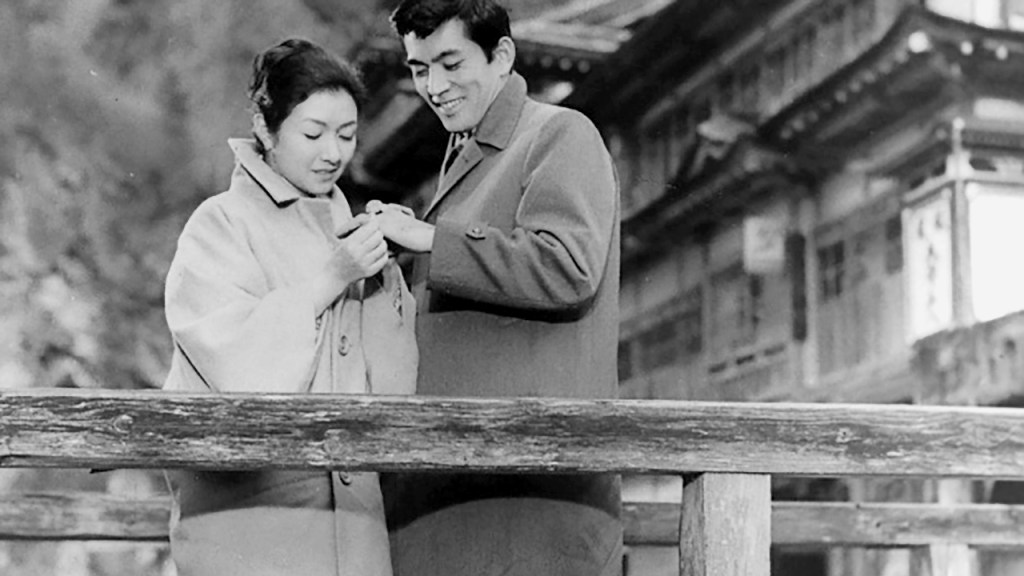
3. Two in the Shadows (1967)
Genre: Drama, Romance

4. Sound of the Mountain (1954)
Genre: Family Drama, Drama

5. Mother (1952)
Genre: Drama, Family Drama

6. Repast (1951)
Genre: Drama

7. Floating Clouds (1955)
Genre: Melodrama

8. Flowing (1956)
Genre: Drama
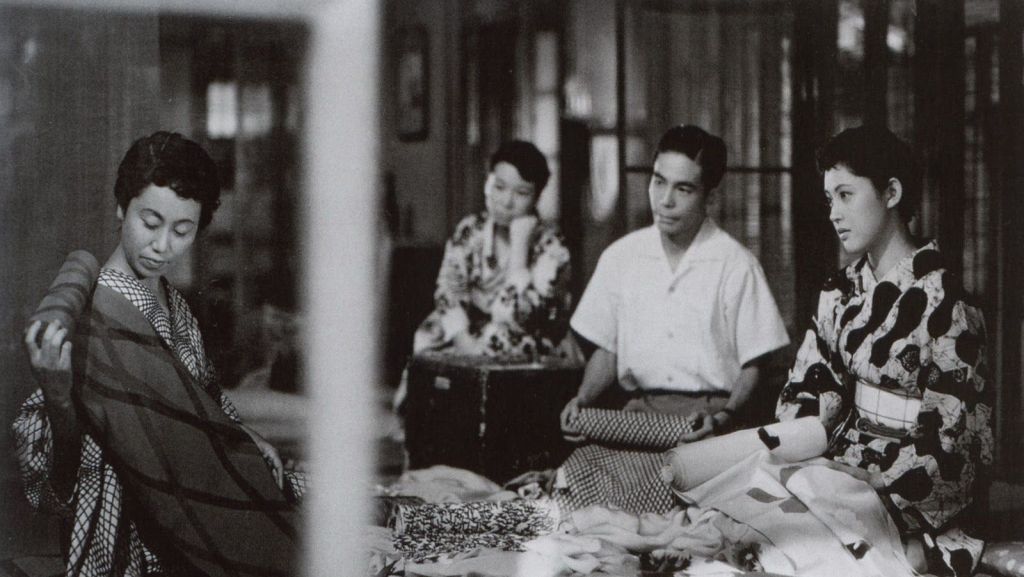
9. Lightning (1952)
Genre: Drama

10. Late Chrysanthemums (1954)
Genre: Drama

Mikio Naruse: Themes and Style
Themes:
- Melancholic Realism: Naruse’s films often depict the struggles of everyday life, particularly those of women. In Mother, the portrayal of a widow’s sacrifices and resilience highlights the quiet desperation found in post-war Japan.
- Fatalism and Resignation: A recurring element in Naruse’s storytelling is the sense of inescapability from one’s social and economic circumstances, as shown in Floating Clouds, where the protagonists are unable to escape their fates.
- The Post-War Female Experience: Naruse frequently focused on the post-war experience of women, illustrating their roles and challenges in a changing society. Late Chrysanthemums follows ageing geisha dealing with the evolving world around them, emphasising their inner lives and social dynamics.
- Impermanence and Change: His works often explore the theme of transient happiness and the inevitable change that time brings, captured in films like Yearning, where the fleeting nature of love and happiness is a central focus.
Styles:
- Subtle Storytelling: Naruse’s style is marked by a quiet, understated approach to narrative. He prefers to suggest rather than show dramatic moments, as seen in Sound of the Mountain, where much is conveyed through silence and nuance.
- Minimalist Aesthetics: His visual style tends to be minimalist, with an emphasis on composition and the careful use of space within the frame to reflect the characters’ emotional states, like the restrained visual language in Repast.
- Character-Driven Narratives: Character development is at the forefront of Naruse’s films, with plots often taking a backseat to deep psychological portraits of the protagonists, as in When a Woman Ascends the Stairs.
- Economic Editing: Naruse favoured a style of economic editing, avoiding unnecessary cuts to maintain a naturalistic flow of scenes and performances, which can be seen in the way The Sound of the Mountain unfolds almost effortlessly.
Directorial Signature:
- Emphasis on Female Protagonists: Naruse is renowned for his strong, complex female characters, who are often portrayed in a sympathetic and nuanced manner, such as the resilient mother in Mother.
- Pensive Pacing: His films are known for their slow, meditative pacing, allowing audiences to fully engage with the emotional and psychological landscapes of the characters.
- Collaboration with Takamine Hideko: Naruse’s collaboration with actress Takamine Hideko became a hallmark of his later work, with her performances in Floating Clouds and Yearning epitomising the director’s focus on the intricacies of women’s lives.
- Naturalistic Performance: He encouraged realistic performances from his actors, often capturing them in unguarded moments or using long takes, as seen in Late Chrysanthemums.
Mikio Naruse: The 100th Greatest Director


 Bronze Screen Dream