
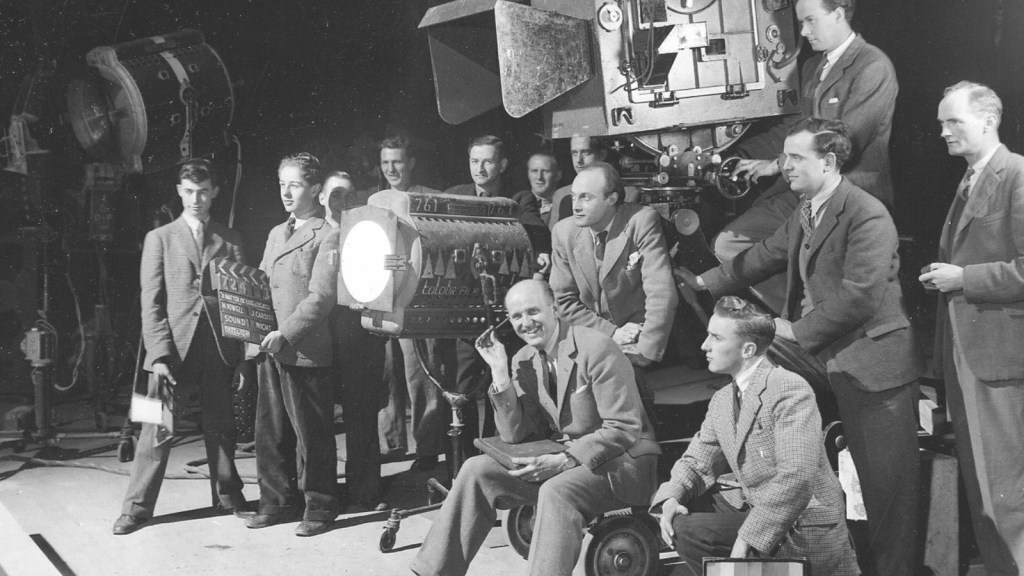
Michael Powell was an iconic British filmmaker celebrated for his unique storytelling approach and innovative visual style. Best known for his collaborations with writer and producer Emeric Pressburger, their partnership, popularly known as “The Archers”, resulted in classics such as The Red Shoes and Black Narcissus. Their richly imaginative and technicolour masterpieces are emblematic of Powell’s contributions to the film industry, demonstrating a profound exploration of character psychology and pioneering use of colour cinematography.
Powell’s career began in the silent film era, where he worked on numerous Rex Ingram movies as a stills photographer. The start of his career as a director was marked by a series of quota quickies, low-budget films made to satisfy British legislation before he found acclaim with his collaborations with Pressburger during and after the Second World War. Their joint creative vision resulted in a series of highly successful and artistically influential films that pushed the boundaries of what was considered achievable in British cinema.
Recurring themes and motifs in Powell’s films reflect a deep fascination with art, the psyche, and the natural world. Films like The Red Shoes and A Matter of Life and Death delve into psychological territories, exploring characters’ internal struggles with ambition, love, and morality.
Vibrant Melodramatic Style
Powell’s visual style set him apart from his contemporaries. His films are known for their stunning technicolour cinematography, which he used not just for spectacle but also as a narrative tool. In Black Narcissus, for example, the vibrant colours enhance the melodramatic tension, highlighting the characters’ isolation and emotional turmoil. Powell’s innovative use of visual effects, such as the painted backdrops and the ‘stairway to heaven’ in A Matter of Life and Death, further underlines his pioneering visual aesthetic.
Powell’s innovative narrative approach often merged reality and fantasy, creating dreamlike worlds rooted in human experience. His film Peeping Tom, though initially controversial, is now lauded as a seminal work of psychological horror. The movie presents an innovative perspective on voyeurism and its ties to the cinematic experience, suggesting a meta-commentary on the act of filmmaking and viewing itself.
Powell’s influence on cinema is broad and lasting, with renowned directors such as Martin Scorsese, Francis Ford Coppola, and Peter Jackson citing him as a major inspiration. Scorsese, in particular, has often spoken of Powell’s influence on his own work, and he even restored and re-released some of Powell’s films to ensure their preservation. Powell’s narrative boldness, visual flair, and thematic depth have left a significant mark on global cinema.
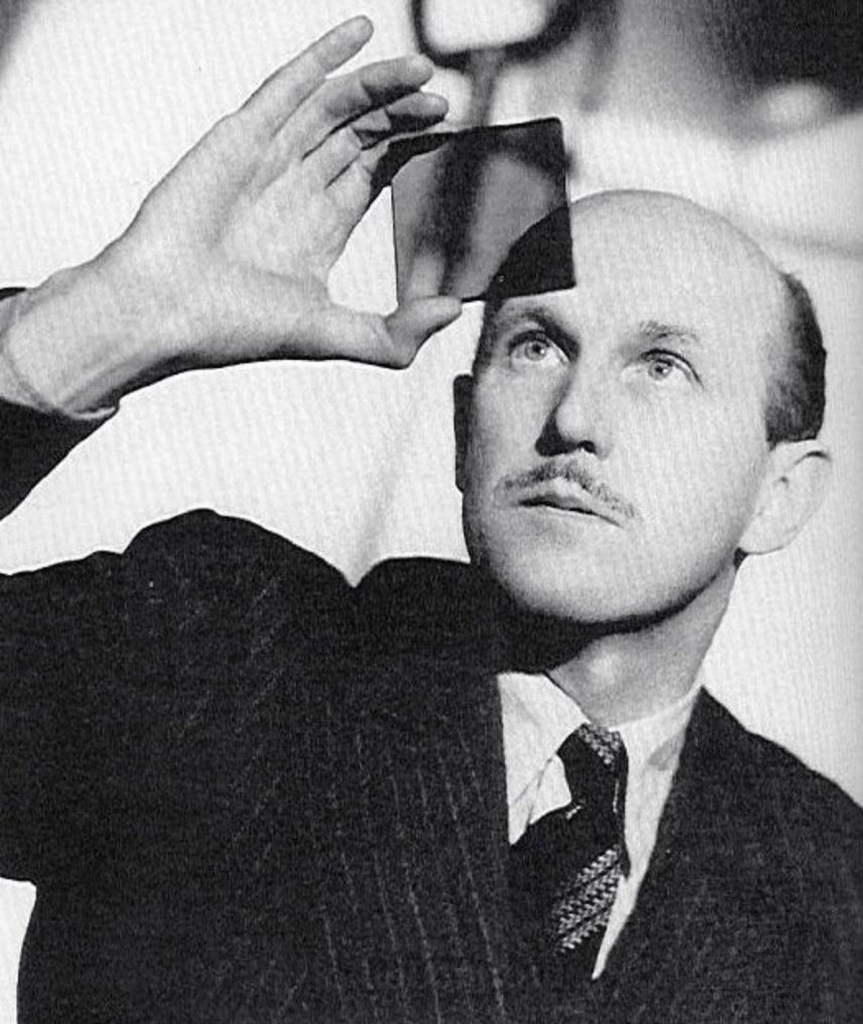
Michael Powell (1905 – 1990)
Calculated Films:
- The Edge of the World (1937)
- The Thief of Bagdad (1940)
- 49th Parallel (1941)
- One of Our Aircrafts Is Missing (1942)
- The Life and Death of Colonel Blimp (1943)
- A Canterbury Tale (1944)
- I Know Where I’m Going (1945)
- A Matter Of Life And Death (1946)
- Black Narcissus (1947)
- The Red Shoes (1948)
- Gone To Earth (1950)
- The Tales of Hoffmann (1951)
- Peeping Tom (1960)
Similar Filmmakers


Michael Powell’s Top 10 Films Ranked
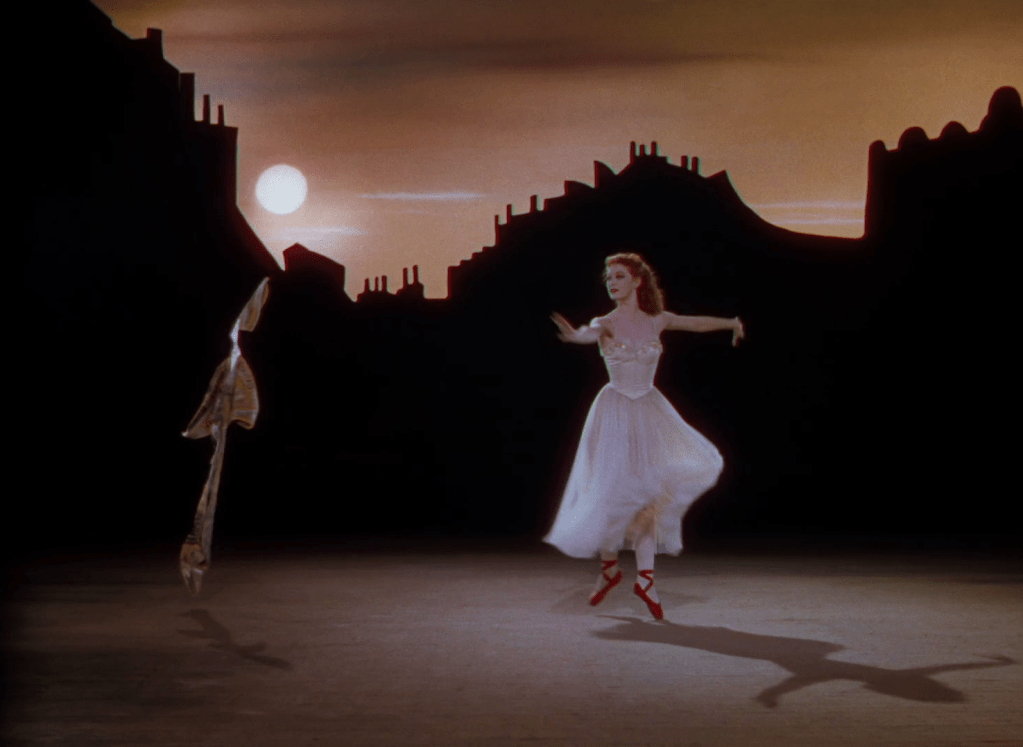
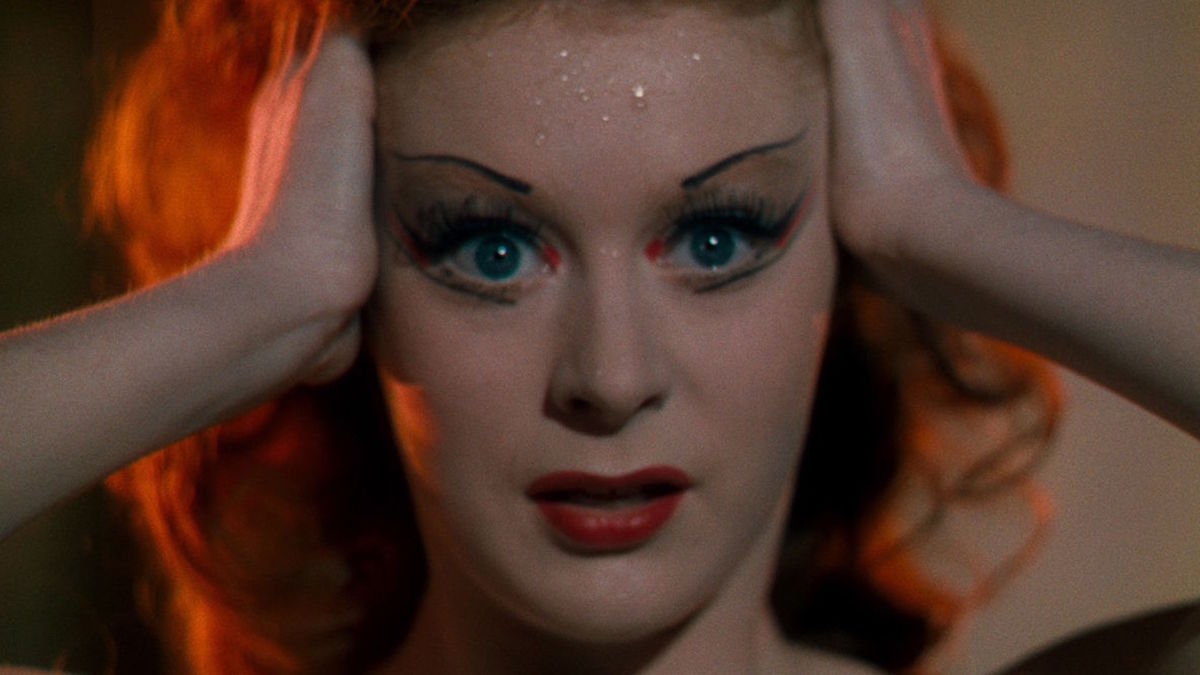
1. The Red Shoes (1948)
Genre: Melodrama, Dance Film
2. The Life and Death of Colonel Blimp (1943)
Genre: Drama, War, Romance

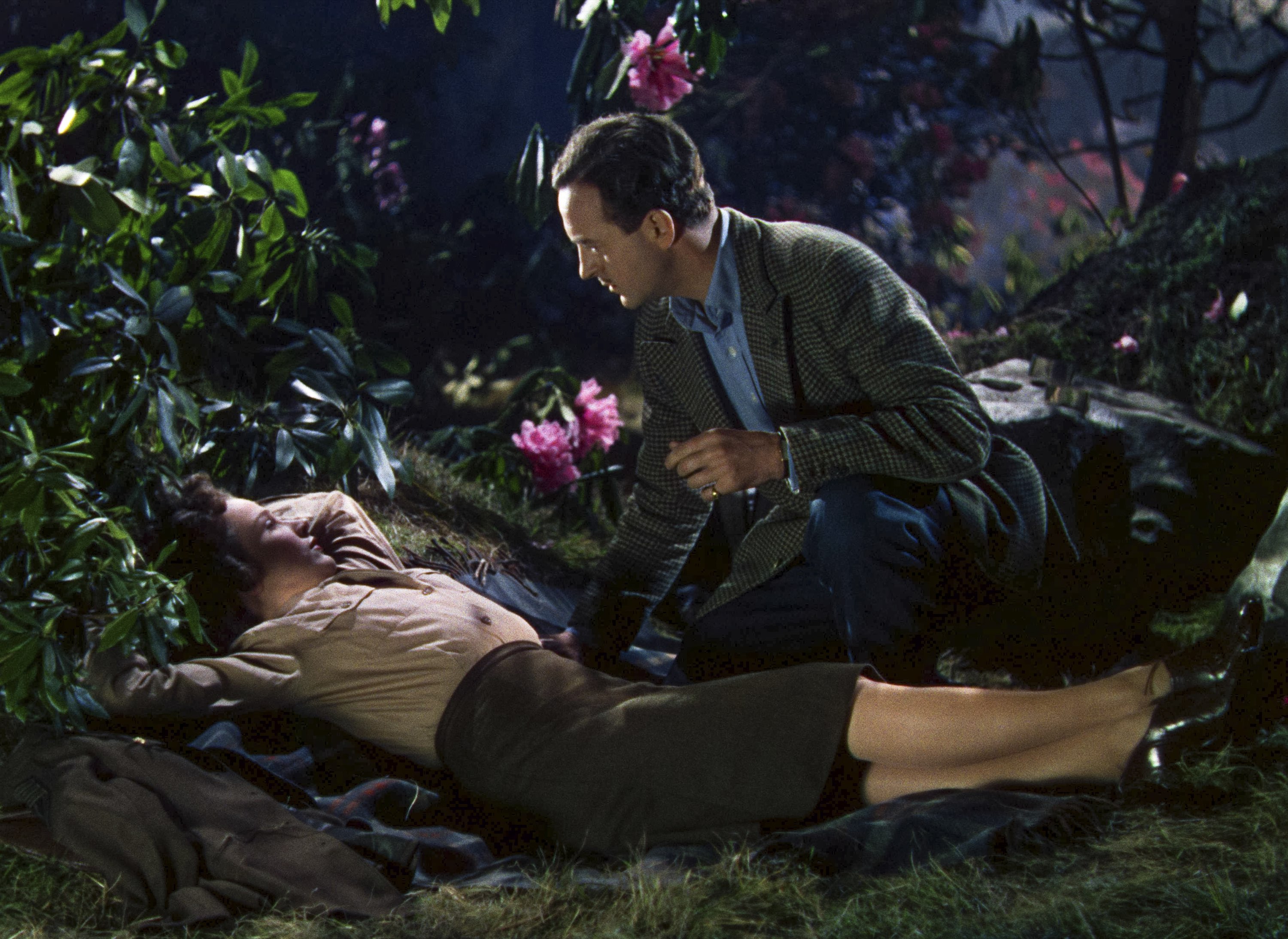
3. A Matter of Life and Death (1946)
Genre: Romance, Low Fantasy, Magical Realism

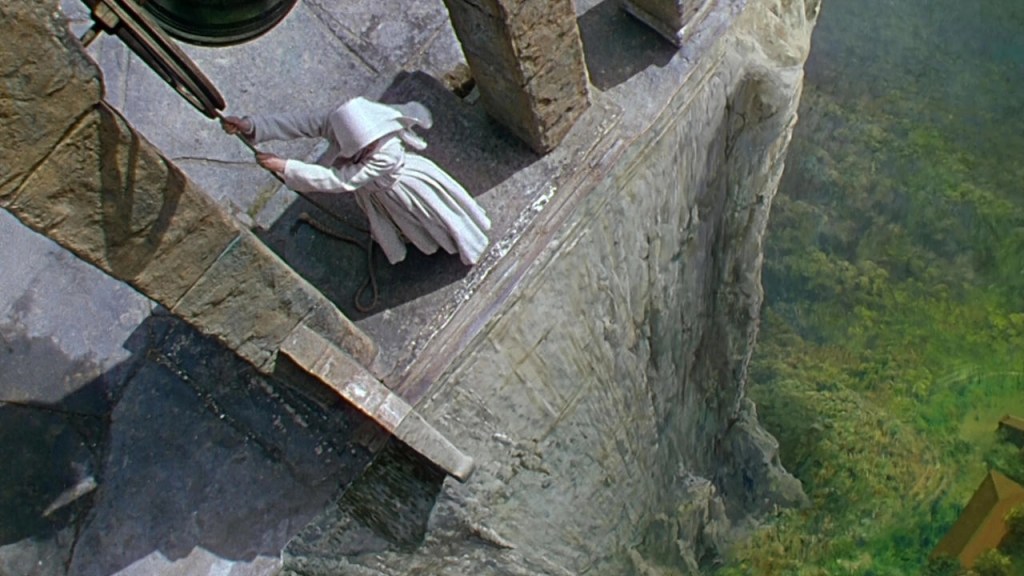
4. Black Narcissus (1947)
Genre: Psychological Drama
5. Peeping Tom (1960)
Genre: Psychological Thriller

6. A Canterbury Tale (1944)
Genre: Drama, Mystery, War, Slice of Life

7. I Know Where I’m Going (1945)
Genre: Romance

8. The Thief of Bagdad (1940)
Genre: Adventure, Fantasy, Fairy Tale

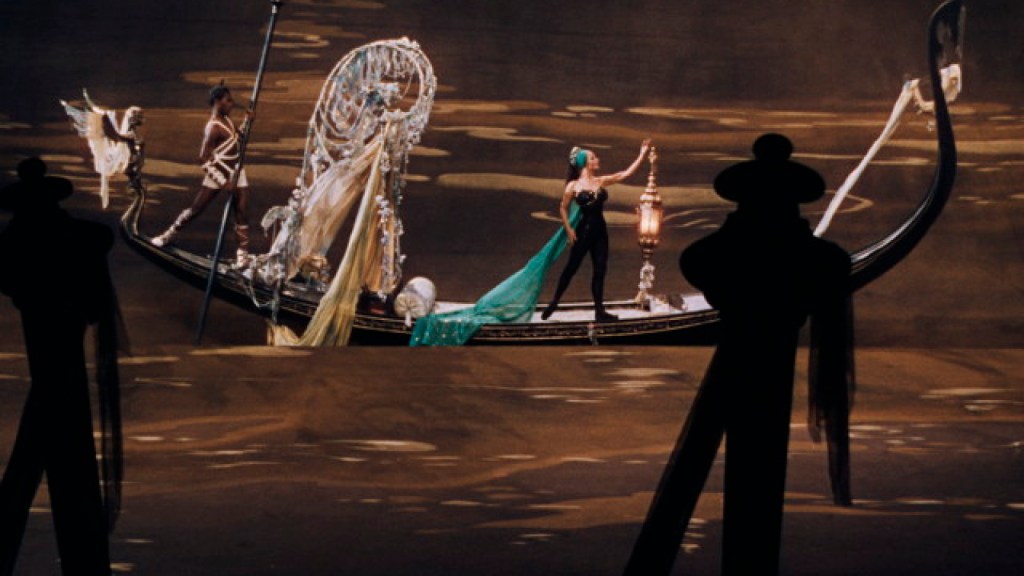
9. The Tales of Hoffmann (1951)
Genre: Opera, Fantasy
10. The Edge of the World (1937)
Genre: Drama

Michael Powell: Themes and Style
Themes:
- Fantasy vs. Reality: Powell frequently blurred the lines between fantasy and reality, using innovative storytelling techniques. Films like A Matter of Life and Death juxtapose a celestial courtroom with earthly romance to explore deeper truths about the human condition.
- Obsession and Desire: Many of Powell’s films, such as Peeping Tom, delve into the human psyche, examining the darker sides of obsession and the lengths to which people will go to satisfy their desires.
- War and Its Aftermath: Powell’s wartime collaborations with Emeric Pressburger, notably in The Life and Death of Colonel Blimp, address the impacts of war on individuals, challenging the traditional British stiff-upper-lip attitude.
- British Identity: Powell often explored what it means to be British through both a critical and a celebratory lens, examining the national character and the social fabric, as seen in I Know Where I’m Going!
Styles:
- Technicolor Brilliance: Powell embraced the use of Technicolor in films like The Red Shoes, creating lush, vibrant visuals that became a hallmark of his mid-career work.
- Innovative Editing and Cinematography: He often pushed the boundaries of film technology with creative editing and camera work, using techniques such as time-lapse and first-person perspective for dramatic effect, notably in Black Narcissus.
- Theatricality: There’s a strong sense of the theatrical in Powell’s direction, where he stages scenes with an awareness of the dramatic and visual potency, often blending elements of dance, music, and painting, which is evident in The Tales of Hoffmann.
- Narrative Structure: Powell was known for non-linear storytelling and complex narrative structures that challenged audiences, such as the flashback sequences in A Canterbury Tale.
Directorial Signature:
- Collaboration with Emeric Pressburger: Powell’s most distinctive work came from his partnership with Pressburger, together known as The Archers. Their joint signature is a blend of strong narratives with innovative visual and thematic elements.
- Use of Ballet and Music: Powell’s incorporation of ballet and classical music into the narrative structure is a signature element, reaching its apex in The Red Shoes, where dance sequences advance the plot and develop characters.
- Symbolic Use of Color: He used colour not just for aesthetic appeal but as a narrative device, with different hues symbolising various themes and emotions, such as the red shoes representing passion and obsession.
- Iconoclastic Characters: Powell often featured maverick protagonists who defy societal norms. This is central to films like Peeping Tom, where the lead character’s actions serve as a commentary on voyeurism and cinema itself.
Michael Powell: The 18th Greatest Director


 Bronze Screen Dream