
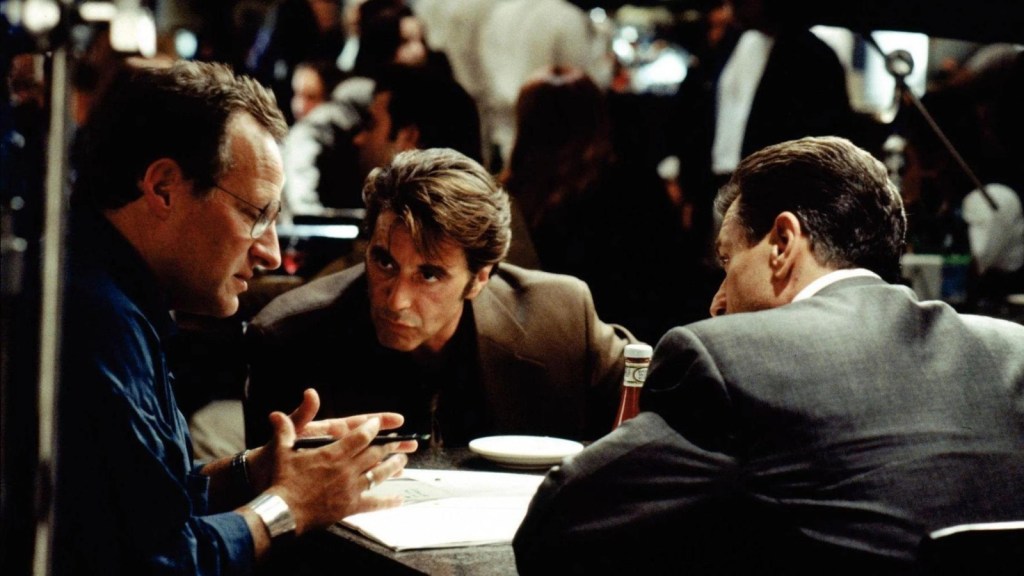
Michael Mann, an American director, has become synonymous with the stylish and deeply atmospheric crime dramas that fill his filmography. He is best known for his intricately plotted and visually striking works like Heat, Collateral, and The Insider, in which character-driven narratives are set against the backdrop of seedy underworlds and complex societal institutions.
Before cinema, Mann pursued a degree in English at the University of Wisconsin–Madison and later graduated from the London International Film School. His beginnings in narrative literature and journalism and his exposure to European cinema have shaped his approach to storytelling, where he meticulously weaves intricate plots while foregrounding character psychology. His films often delve into his characters’ professional and personal lives, exploring themes of obsession, professionalism, and the blurred lines between good and evil, as seen in Heat.
A recurring motif in Mann’s films is the urban landscape, particularly at night. He often paints these environments as characters in their own right, using them to mirror the psychological states of his protagonists. His cities are usually depicted as sprawling, labyrinthine spaces steeped in danger and mystery, as witnessed in Collateral, where nocturnal Los Angeles becomes a central character in the narrative.
Urban Canvas and Digital Atmospheres
Mann’s visual style is renowned for its distinct aesthetic, with meticulous attention to detail. He uses hand-held camera work for immediacy, saturated colours and high-contrast lighting to create atmospheric, almost dream-like scenes. His pioneering use of digital cinematography in Collateral and Miami Vice marked a significant shift in mainstream filmmaking, establishing new paradigms in visual storytelling.
The influence of Mann’s work is undeniable and has inspired both national and international directors. His immersive cityscapes and exploration of character psychology can be seen in the works of directors like Christopher Nolan, Jonathan Glazer and Johnnie To. His innovative use of digital cinematography has also inspired a generation of filmmakers, signifying his lasting impact on the art of cinema. Although his films have sometimes polarised critics, they have been reappraised over time and are now recognised as some of the most innovative and influential works in the crime genre.

Michael Mann (1943 –)
Calculated Films:
- Thief (1981)
- Manhunter (1986)
- The Last of the Mohicans (1992)
- Heat (1995)
- The Insider (1999)
- Collateral (2004)
Similar Filmmakers


Michael Mann’s Top 10 Films Ranked
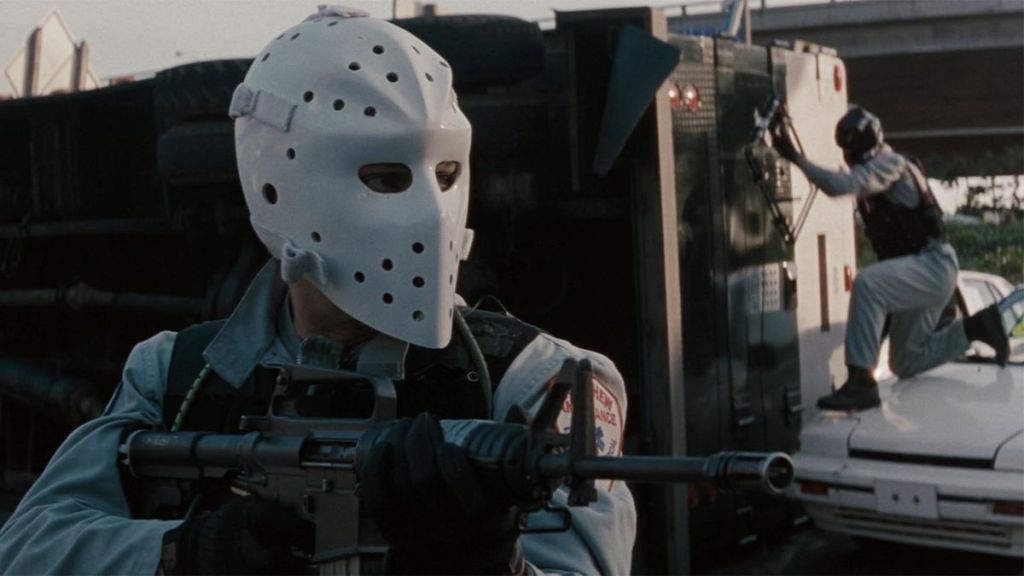
1. Heat (1995)
Genre: Thriller, Heist Film, Drama, Crime
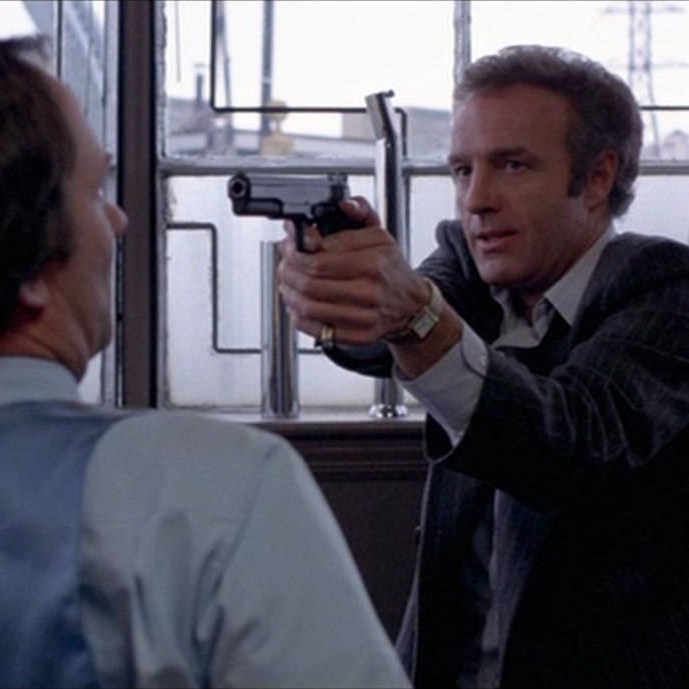
2. Thief (1981)
Genre: Heist Film, Neo-Noir, Drama, Thriller

3. Collateral (2004)
Genre: Thriller, Crime

4. The Last of the Mohicans (1992)
Genre: Period Drama, War, Adventure, Romance, Epic

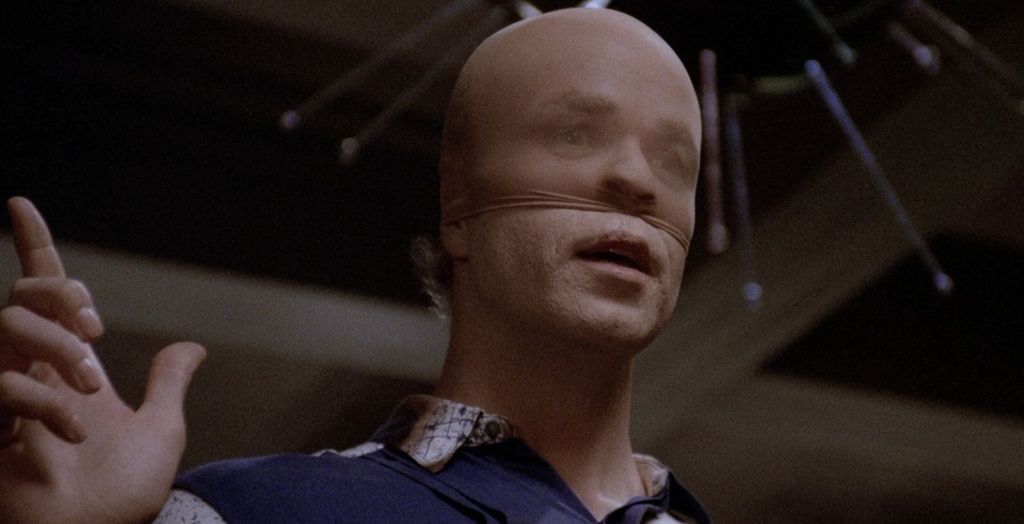
5. Manhunter (1986)
Genre: Psychological Thriller, Police Procedural, Crime, Neo-Noir
6. The Insider (1999)
Genre: Thriller, Legal Drama, Drama

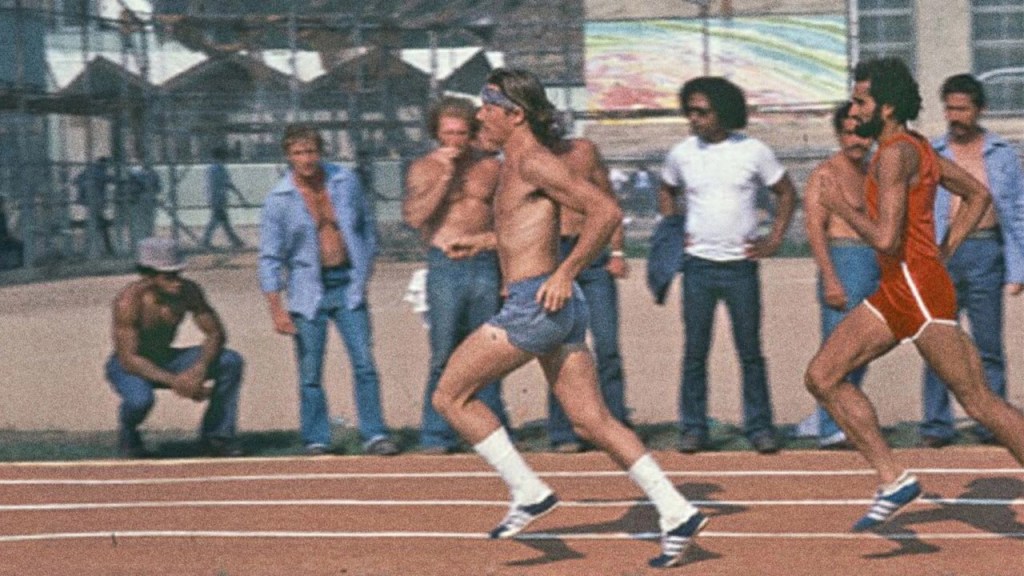
7. The Jericho Mile (1979)
Genre: Prison Film, Drama, Sports
8. Ali (2001)
Genre: Biographical, Sports, Drama

9. Miami Vice (2006)
Genre: Crime, Thriller, Police Procedural

10. Public Enemies (2009)
Genre: Gangster Film, Biographical, Period Drama, Crime

Michael Mann: Themes and Style
Themes:
- Professionalism and Obsession: Mann frequently explores the lives of consummate professionals, often on opposite sides of the law, who are deeply obsessed with their work. Films like Heat and Collateral showcase characters whose personal lives are sacrificed for their careers.
- Isolation and Disconnection: His narratives often involve individuals struggling with isolation and a sense of disconnection from society. In The Insider, the protagonist faces profound isolation from blowing the whistle, reflecting Mann’s fascination with lone figures against larger entities.
- Crime and Morality: Mann often delves into the crime genre, presenting a complex moral landscape where the lines between right and wrong are blurred. Thief and Public Enemies show criminals as multidimensional characters, challenging audiences to consider the moral ambiguities within illegal activities.
- Technological Modernity: He regularly incorporates themes of technological advancement and its impact on society, as seen in Blackhat, which revolves around cyber-terrorism and the global interconnectedness of the modern world.
Styles:
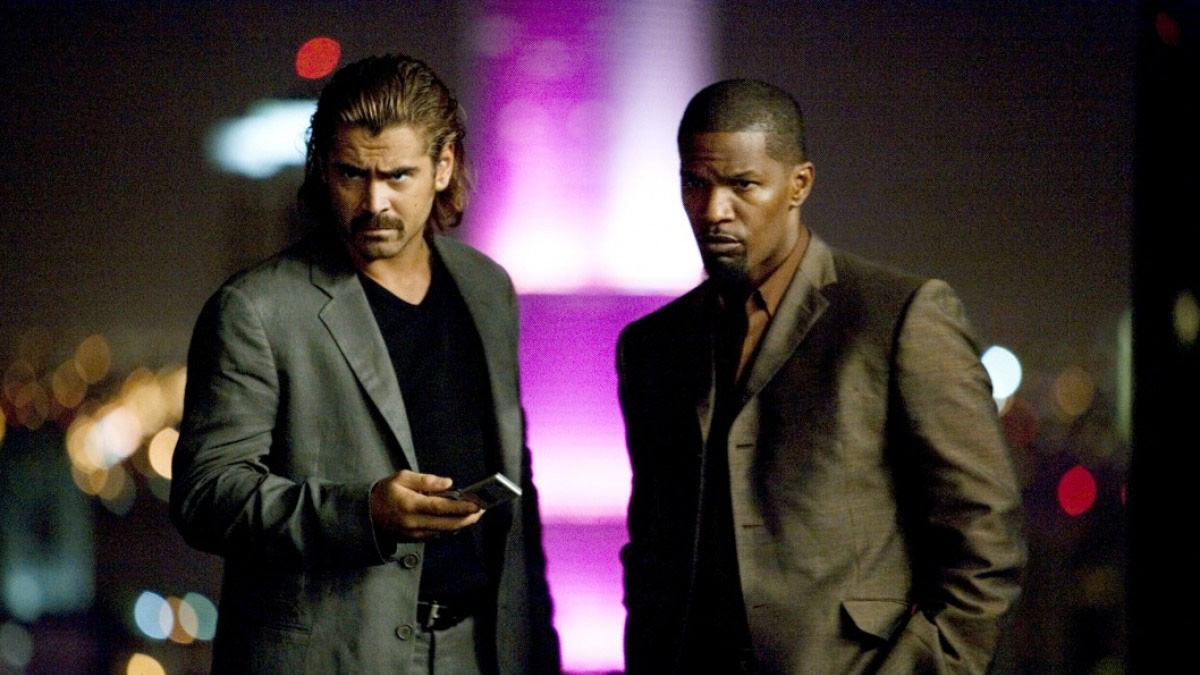
- Stylish Visuals: Mann is known for his sleek and stylish visuals, often utilising high-contrast lighting and a strong colour palette. Miami Vice is emblematic of this, with its neon-lit nocturnal cityscapes and stylised sun-drenched skylines.
- Digital Cinematography: One of the early adopters of digital filmmaking, Mann often uses digital cameras to enhance the realism and immediacy of his stories, as seen in Collateral, where the digital format captures the gritty reality of Los Angeles at night.
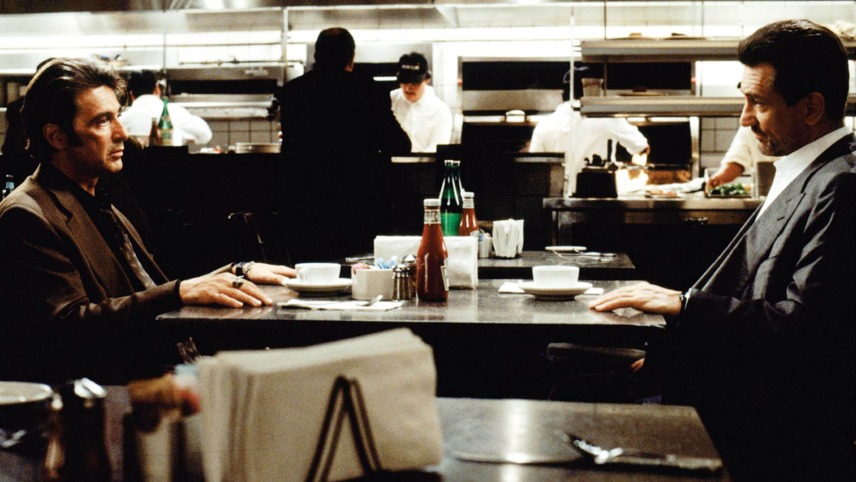
- Intimate Character Moments: Even in his most expansive stories, Mann dedicates time to quiet, intimate moments that develop character depth, such as the famous diner scene in Heat, where the cop and criminal share their personal philosophies.
- Use of Diegetic Sound: Mann frequently uses diegetic sound to enhance the realism of his scenes. The use of gunshots in Heat is a prime example, where the sound design contributes to one of the most realistic shootout sequences in film.
Directorial Signature:
- Precision in Detail: Mann’s meticulous attention to detail is evident in every aspect of his filmmaking, from the authentic depiction of professional procedures to the careful selection of locations that add to the narrative’s texture.
- Dynamic Action Sequences: He is renowned for crafting some of the most memorable action sequences in cinema, characterised by their strategic choreography and intense realism, often heightening the emotional stakes of the narrative.
- Integration of Music and Image: His films often feature a strong integration of music and image, with soundtracks that are carefully chosen to enhance the emotional and thematic resonance of the visuals, such as the use of Moby’s “God Moving Over the Face of the Waters” in the closing scene of Heat.
Michael Mann: The 145th Greatest Director


 Bronze Screen Dream