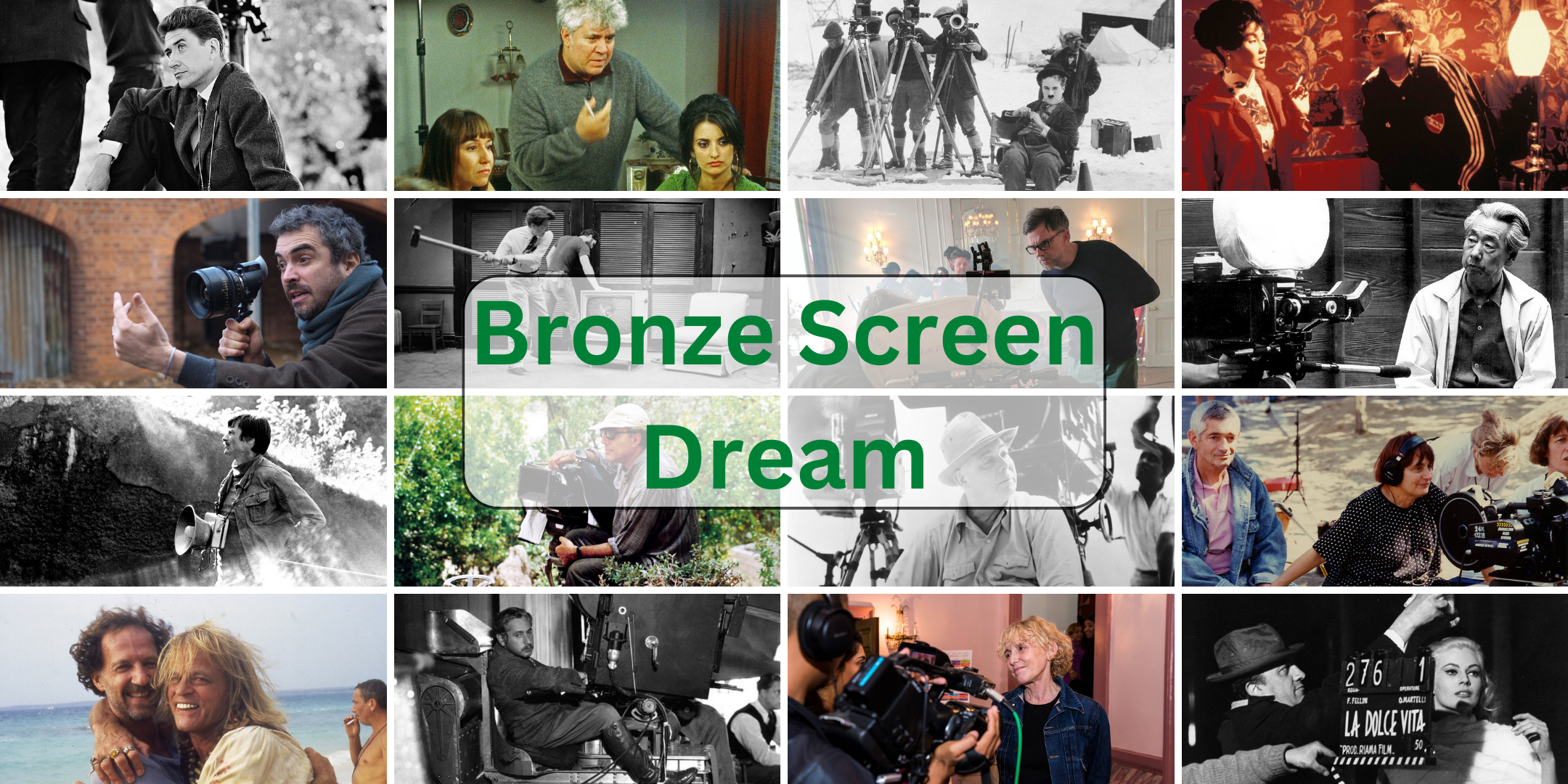

Michael Haneke is an Austrian filmmaker known for his distinctive, austere style and provocative explorations of socially relevant themes. With a repertoire that delves into the psyche of contemporary society, focusing on violence, alienation, and the effects of media, Haneke’s films are crafted to incite introspection rather than to provide comfortable entertainment. His meticulous approach to filmmaking and his tendency to manipulate and challenge viewer expectations have made him one of the most significant voices in contemporary cinema.
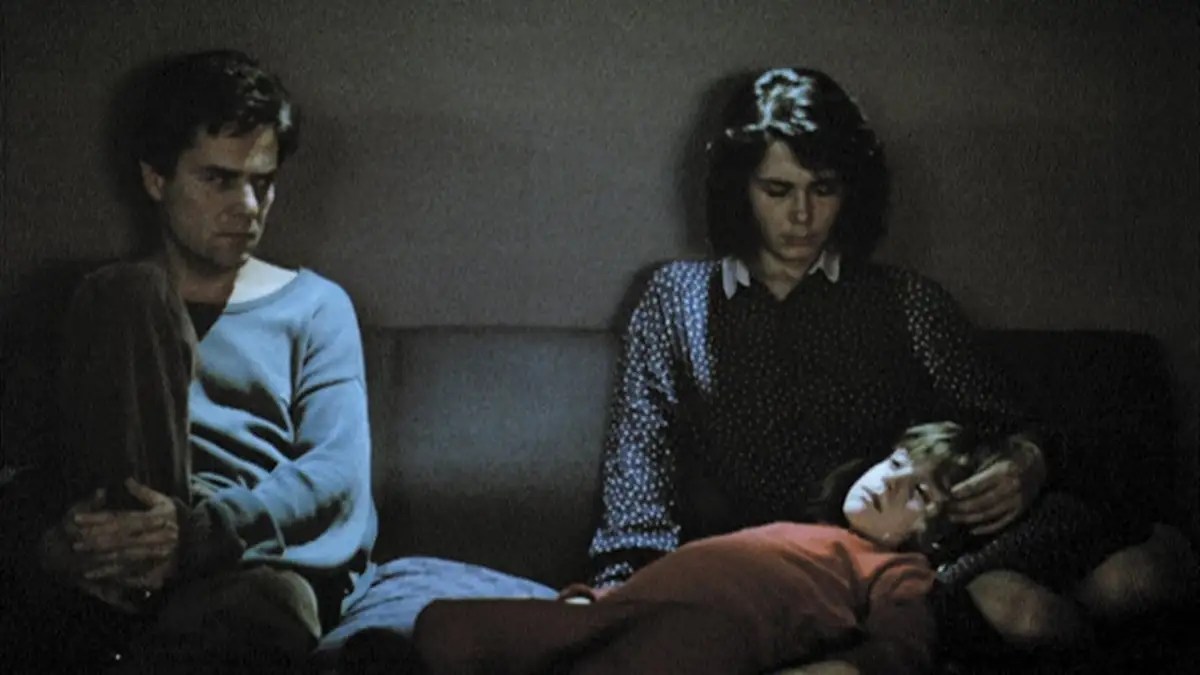
Beginning his career in television before transitioning to feature films in the late 1980s, Haneke established himself as a powerful filmmaker with a unique voice and vision. His background in philosophy and psychology is evident in his complex, thought-provoking films. Haneke’s exacting control over his compositions, timing, and camera movements underpins his clinical visual style, frequently creating a disquieting atmosphere that subverts conventional narrative expectations.
Haneke’s films are renowned for their formalism and aesthetic control. A typical Haneke film is characterised by its precision and the deliberate pacing of its narrative. Although central to many of his films, his use of violence is often suggested rather than explicitly shown, leaving much to the viewer’s imagination and adding to the overall sense of unease. This approach, combined with minimal non-diegetic soundtracks, maintains the film’s sense of realism, exemplifying Haneke’s unique cinematic language.
“A feature film is twenty-four lies per second.”
Haneke’s skill as a screenwriter is seen in his finely crafted dialogues, which, though often sparse, convey significant meaning. He is meticulous with his scripts, ensuring every word contributes to the narrative and character development. This attention to detail also extends to his cast, as Haneke frequently collaborates with actors such as Isabelle Huppert and Juliette Binoche, who understand and can execute his distinctive style.
Haneke’s films consistently offer biting social and political commentary. His unflinching critiques of bourgeois society, the influence of media, and the voyeuristic nature of modern life resonate with audiences worldwide, earning him international recognition. Haneke has received numerous awards, including two Palme d’Or awards at Cannes for his films The White Ribbon and Amour, a testament to his profound influence and mastery of the medium.
Haneke’s legacy extends beyond his filmography, as his distinctive and challenging style has significantly influenced contemporary cinema. Filmmakers like Ruben Östlund and Yorgos Lanthimos have cited Haneke’s influence on their work, demonstrating his far-reaching impact. Michael Haneke has cemented his place in the annals of film history by consistently pushing the boundaries of conventional narrative cinema and stimulating introspection among audiences.

Michael Haneke (1942 – -)
Calculated Films:
- The Seventh Continent (1989)
- Funny Games (1997)
- Code Unknown (2000)
- The Piano Teacher (2001)
- Cache (2005)
- The White Ribbon (2009)
- Amour (2012)
Similar Filmmakers



Michael Haneke’s Top 10 Films Ranked
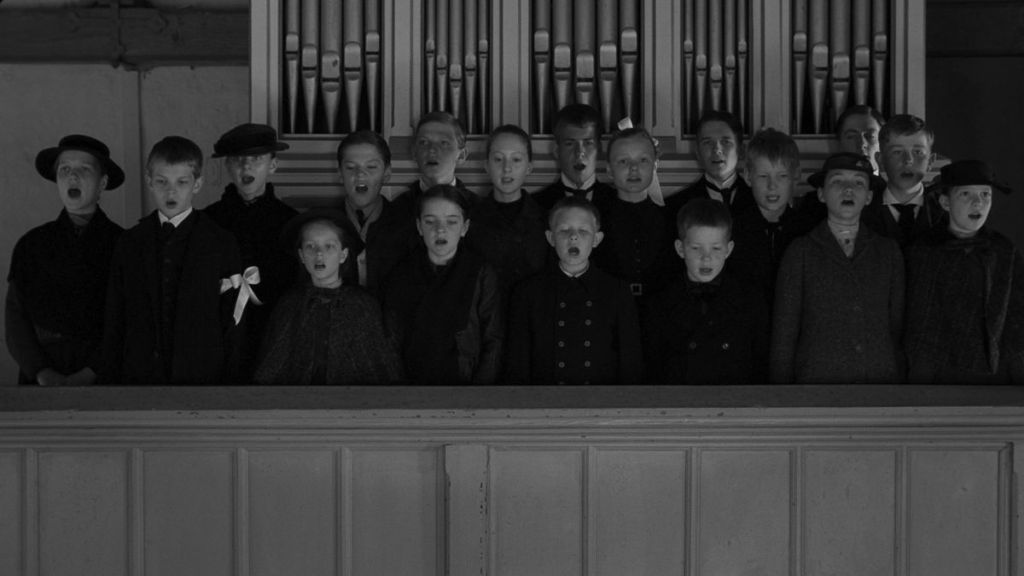
1. The White Ribbon (2009)
Genre: Mystery, Drama, Period Drama
2. Amour (2012)
Genre: Drama, Family Drama

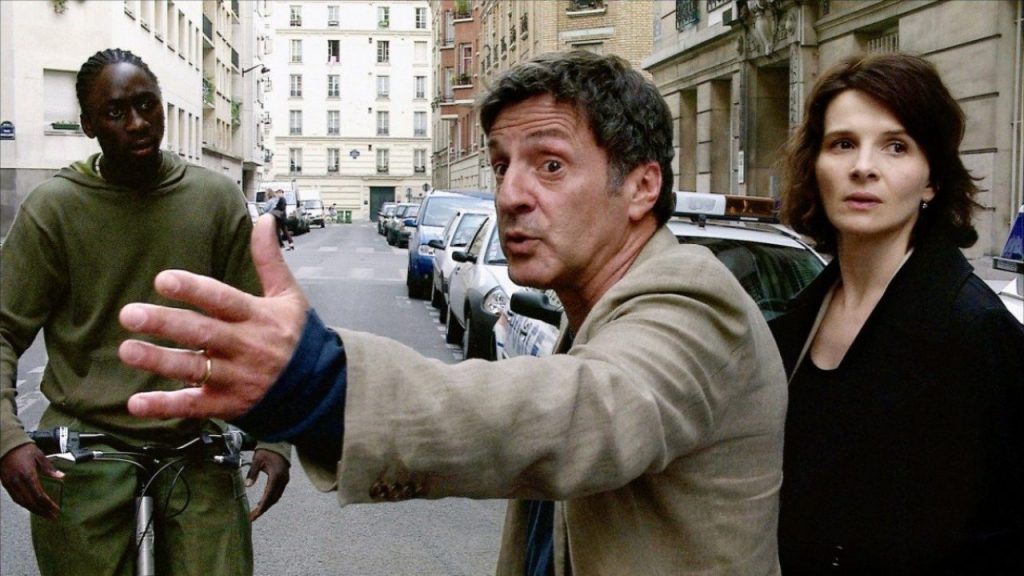
3. Cache (2005)
Genre: Mystery, Psychological Thriller, Psychological Drama
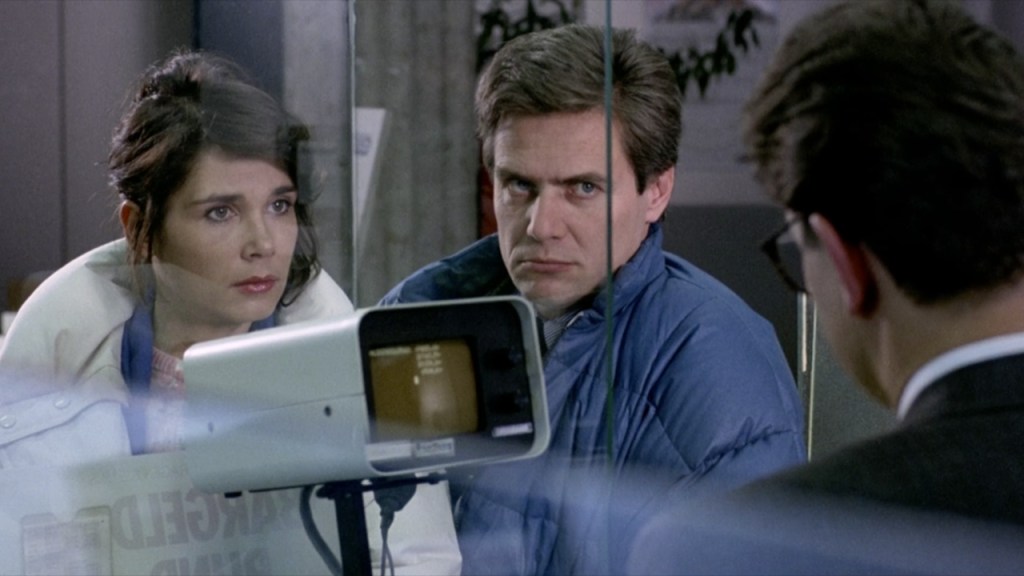
4. The Seventh Continent (1989)
Genre: Psychological Drama, Drama
5. The Piano Teacher (2001)
Genre: Psychological Drama

6. Funny Games (1997)
Genre: Psychological Thriller, Satire, Home Invasion
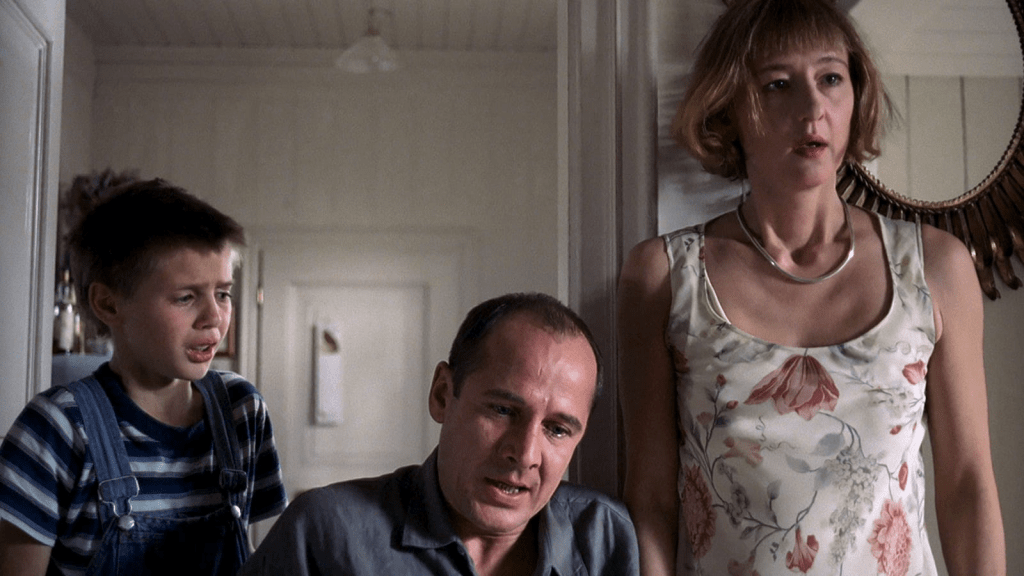
7. Code Unknown (2000)
Genre: Drama
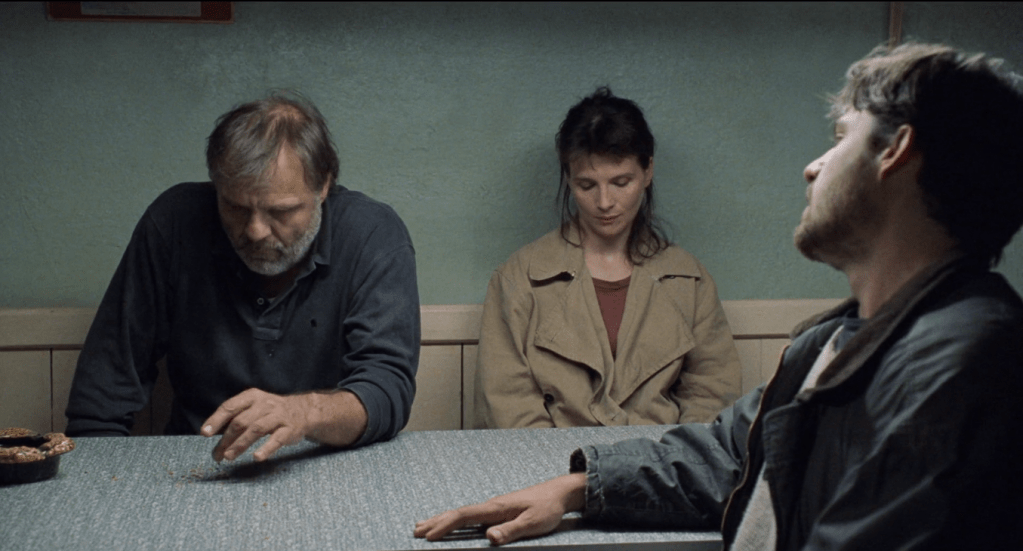
8. 71 Fragments of a Chronology of Chance (1994)
Genre: Drama

9. Benny’s Video (1992)
Genre: Psychological Drama
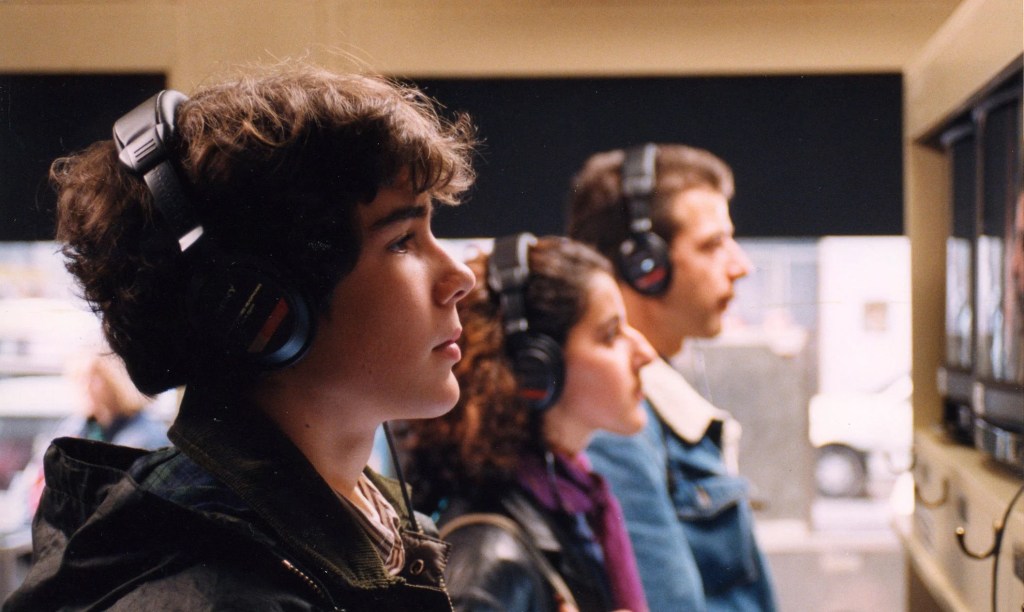
10. Funny Games (2007)
Genre: Psychological Thriller, Satire, Home Invasion
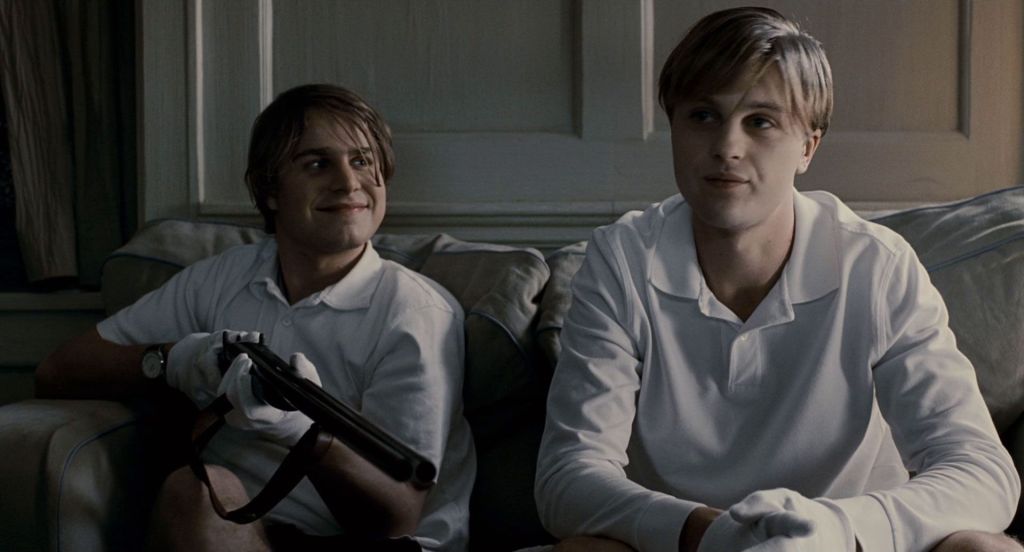
Michael Haneke: Themes and Style
Themes:
- Societal Critique: Haneke often explores the dark side of society, with films like Funny Games serving as a commentary on violence in media and its impact on audiences, challenging viewers to reflect on their own voyeurism and desensitisation.
- Psychological Complexity: His work delves into the psychological makeup of characters, as seen in The Piano Teacher, where he unpacks the intricate layers of desire, repression, and the human psyche.
- Communication Breakdown: Haneke frequently depicts the failure of communication in modern relationships, evident in Code Unknown, showcasing how miscommunication can lead to fragmentation and isolation.
- Observation of Violence: He often examines the nature of violence in society, not by showing it gratuitously, but by forcing the audience to contemplate its consequences, as in Caché, where violence is more about the threat and the aftermath than the act itself.
- Existential Queries: Films like The Seventh Continent probe into the banality and emptiness of middle-class existence, prompting audiences to question the meaning of their own lives and the structures they live within.
Styles:
- Minimalist Aesthetic: Haneke’s style is marked by a stark, minimalist approach, using long takes and a static camera to create a sense of realism and unfiltered observation, as seen in 71 Fragments of a Chronology of Chance.
- Absence of Non-Diagetic Music: He often eschews non-diegetic music, letting the scenes play out with only the sounds of the environment, which creates an unsettling realism and forces viewers to focus on the narrative and characters, like in Amour.
- Provocative Realism: Haneke’s realism is often provocative, using narrative twists and disturbing content to provoke a reaction from the audience, as illustrated in Benny’s Video, which confronts viewers with the impact of media violence on youth.
- Metafictional Elements: He occasionally employs metafictional techniques, making audiences aware they are watching a film, thereby questioning the nature of cinema itself, as in Funny Games, where characters break the fourth wall.
- Ambiguity: Many of his films, like Caché, embrace ambiguity, refusing to provide clear answers or resolutions, which encourages viewers to engage in active interpretation and discussion.
Directorial Signature:
- Precise Framing and Composition: Haneke’s directorial signature includes meticulously composed shots that often frame characters within their environments in a way that reflects their emotional or psychological state.
- Dispassionate Point of View: He typically adopts a detached perspective, presenting events in a neutral, observational manner, which can make even the most shocking scenes feel disturbingly mundane.
- Controlled Pacing: Haneke is known for his deliberate pacing, often using slow, prolonged scenes that build tension and immerse the audience in the film’s atmosphere, as exemplified in The White Ribbon.
- Intellectual Challenge: His films are intellectually challenging, designed to provoke thought and discussion, often leaving audiences with more questions than answers, compelling them to ponder the themes long after the film has ended.
- Confrontation with the Audience: Haneke is not afraid to confront his audience, often creating discomfort to make them an active participant in the film’s moral and philosophical inquiries, a technique used effectively in Funny Games.
Michael Haneke: The 54th Greatest Director



 Bronze Screen Dream