

Michael Cimino, an American filmmaker, is most renowned for his Academy Award-winning epic The Deer Hunter. Yet, he is equally infamous for his ambitious project Heaven’s Gate, which ended up as one of the most notorious box office flops in history. His body of work, albeit relatively small, made significant waves in Hollywood for both its highs and lows.
Beginning his career in advertising, Cimino transitioned into film, initially as a screenwriter. His directorial debut, Thunderbolt and Lightfoot, already hinted at his grand cinematic vision, setting the stage for the greater successes and challenges to follow. This early work exemplifies Cimino’s ability to merge elements of traditional genre films with his unique thematic concerns and directorial flair.
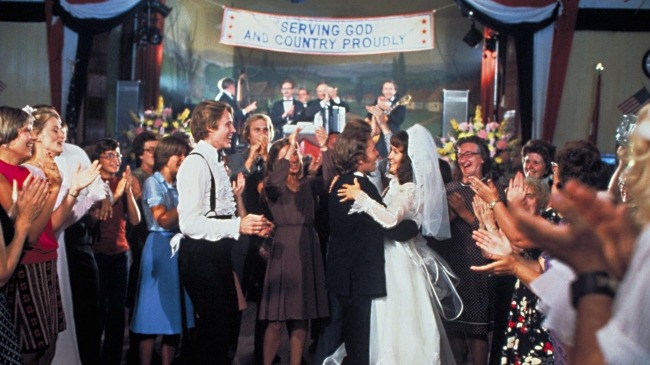
Cimino’s films frequently grapple with themes of masculinity, personal and national identity, and the psychological impacts of war and violence. The Deer Hunter, for instance, is a deeply affecting exploration of the Vietnam War’s toll on a group of close-knit friends from a small industrial town. Cimino often utilised grand, sweeping narratives to delve into these profound themes, examining the intersections of personal experiences with larger historical and societal events.
The Catalyst of New Hollywood’s Reckoning
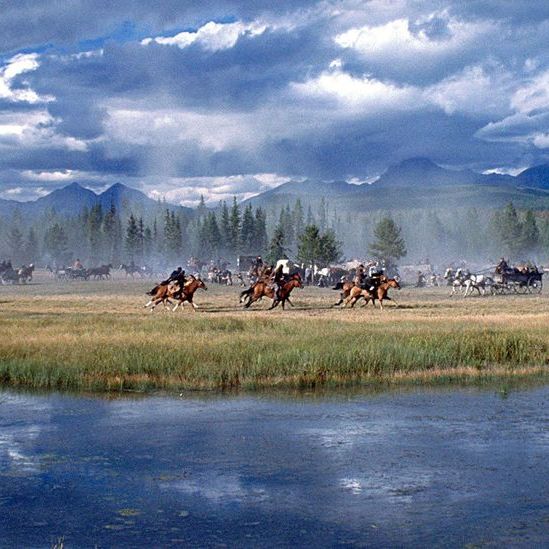
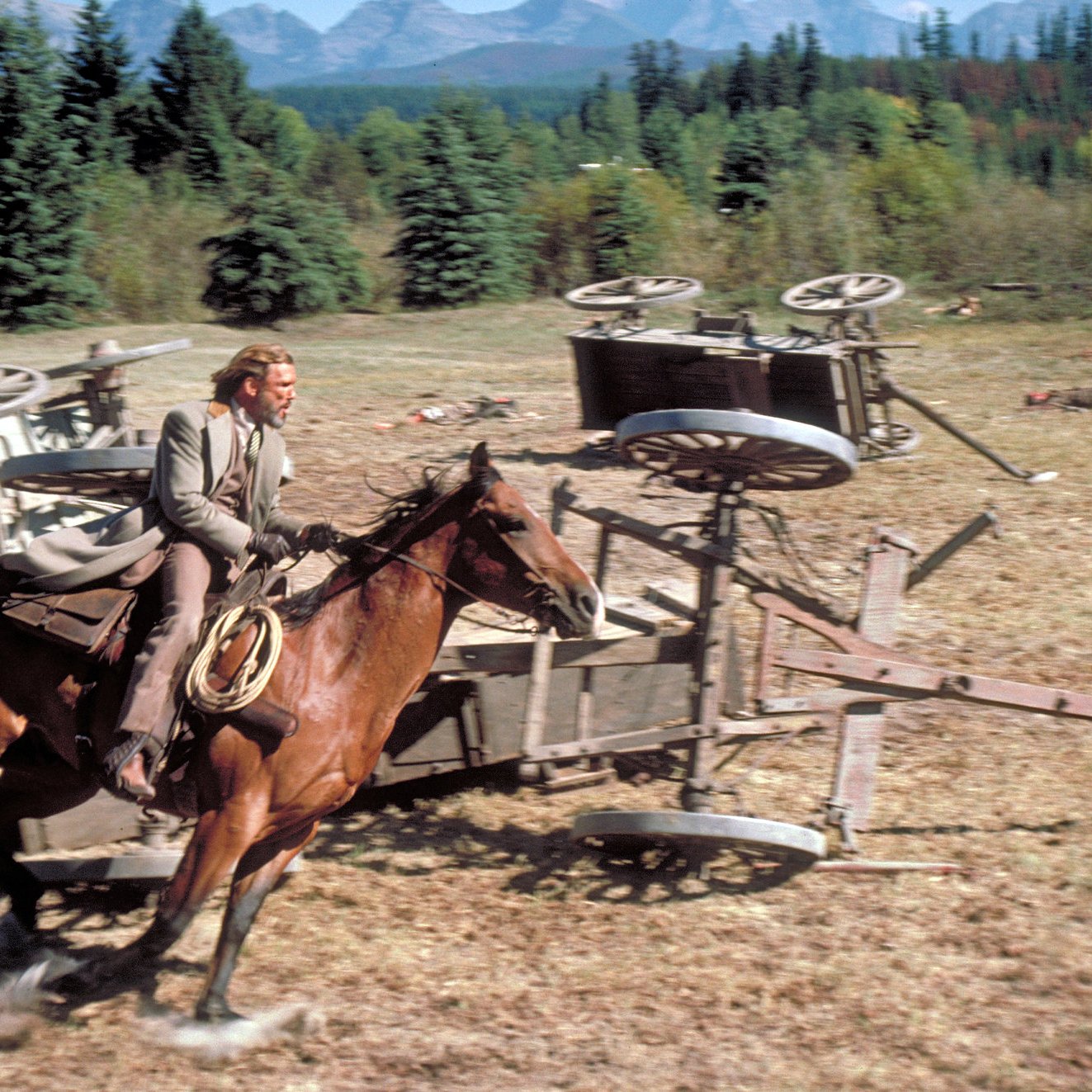
Stylistically, Cimino is noted for his meticulous attention to detail and his preference for lush, expansive cinematography. His insistence on authenticity and his willingness to depict graphic and emotional violence add brutal realism to his films. His visual style and storytelling approach created highly immersive experiences, from the richly evocative rural landscapes in The Deer Hunter to the detailed re-creation of 1890s Johnson County in Heaven’s Gate.
Cimino’s influence on cinema is a complex one. On the one hand, The Deer Hunter is considered a classic and has inspired many filmmakers with its raw emotional power and intricate thematic explorations. Directors like Quentin Tarantino and the Coen Brothers have acknowledged Cimino’s impact on their work. Conversely, the financial disaster of Heaven’s Gate significantly affected the Hollywood studio system, contributing to the end of the New Hollywood era. Nevertheless, some critics and filmmakers have since reappraised Heaven’s Gate, appreciating its visual and narrative ambitions despite its initial failure. Thus, Cimino’s legacy remains controversial yet increasingly praised.

Michael Cimino (1939 – 2016)
Calculated Films:
- The Deer Hunter (1978)
- Heaven’s Gate (1980)
Similar Filmmakers

Michael Cimino’s Films Ranked
1. The Deer Hunter (1978)
Genre: War, Drama

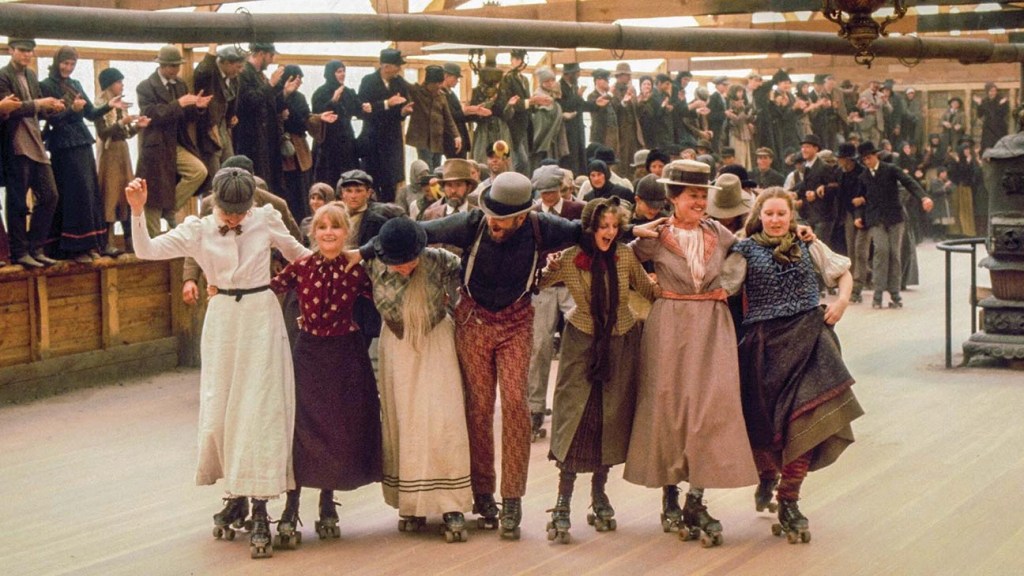
2. Heaven’s Gate (1980)
Genre: Revisionist Western, Period Drama, Epic
3. Thunderbolt and Lightfoot (1974)
Genre: Buddy, Heist Film, Road Movie, Comedy

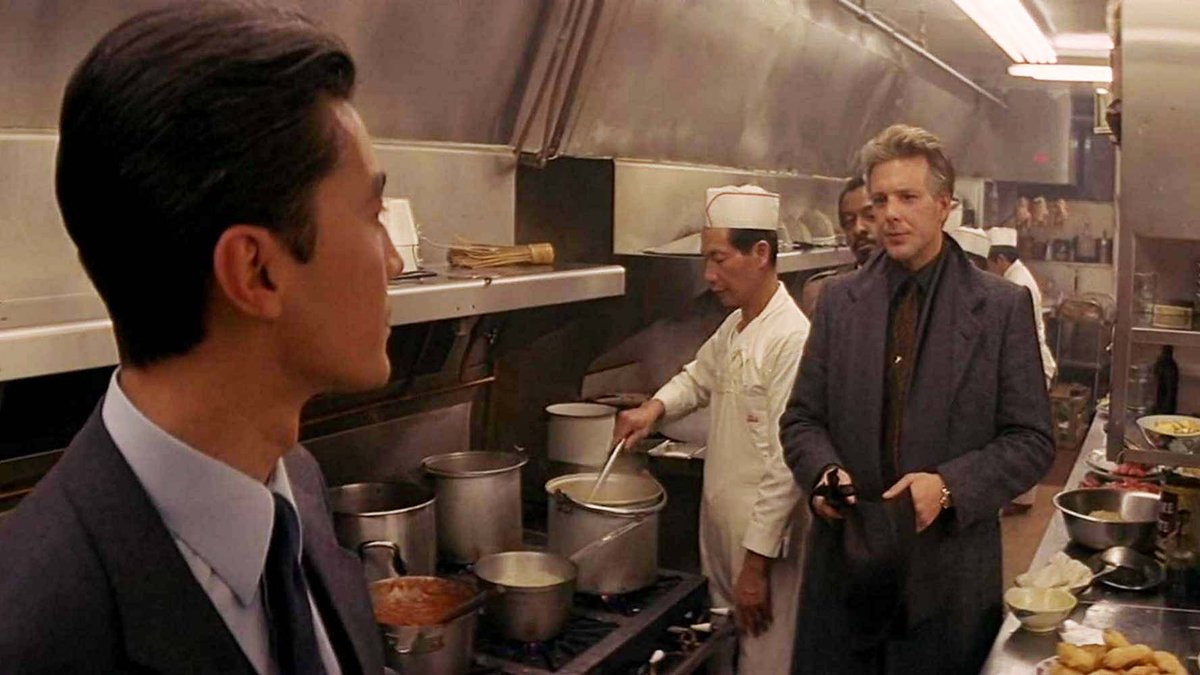
4. Year of the Dragon (1985)
Genre: Thriller, Gangster Film, Neo-Noir, Triad Film

5. The Sunchaser (1996)
Genre: Drama, Road Movie, Buddy

6. Desperate Hours (1990)
Genre: Home Invasion, Thriller, Crime

7. The Sicilian (1987)
Genre: Crime, Biographical, Period Drmaa

Michael Cimino: Themes and Style
Themes:
- American Dream and Disillusionment: Many of Cimino’s films explore the allure of the American Dream and its subsequent unravelling. His characters often start with hopes of a better future, only to face stark realities.
- War and its Aftermath: The Deer Hunter is a prime example of how Cimino delved into the psyche of soldiers before, during, and after the Vietnam War, emphasising the profound impact of warfare on the individual and the community.
- Masculinity: His films frequently spotlight masculinity, testing its traditional boundaries through trials, conflicts, and societal changes.
- Society and Isolation: Cimino’s protagonists often find themselves estranged or isolated from society, wrestling with their identities and trying to find a place where they belong.
Styles:
- Epic Storytelling: Cimino was known for his grand narratives that spanned vast landscapes and extended timeframes, often exploring the depths of human emotions and interactions.
- Meticulous Detail: He was known to be obsessive about details, striving for historical and aesthetic accuracy in his films.
- Long Takes: Cimino frequently utilised long, unbroken shots, allowing scenes to play out naturally and giving audiences time to immerse themselves in the environment and emotions.
- Vivid Landscapes: From the steel towns in The Deer Hunter to the vast vistas in Heaven’s Gate, Cimino’s films often feature grand, sweeping shots of the landscape, making the environment a character in itself.
- Ensemble Casts: Cimino often worked with ensemble casts, showcasing various characters’ perspectives and weaving intricate relationships.
Directorial Signature:
- Authenticity: Cimino went to great lengths to achieve a high level of realism, be it in the settings, costumes, or the representation of events. This sometimes led to prolonged shooting schedules and budget overruns, as seen with Heaven’s Gate.
- Emotional Depth: His characters are multi-dimensional, with deep emotional arcs. They experience a range of emotions from joy, love, and hope to despair, grief, and disillusionment, often within a single film.
- Stark Contrasts: Whether contrasting the peaceful Pennsylvania valleys with the traumatic jungles of Vietnam or the settlers with industrial barons, Cimino’s films are known for their stark dichotomies, both in narrative and visuals.
- Ambitious Vision: Cimino’s films often showcase his ambition to tell grand stories. However, this occasionally led to conflicts with producers and studios, especially when his vision meant exceeding budgets and schedules.
Michael Cimino: The 153rd Greatest Director


 Bronze Screen Dream