
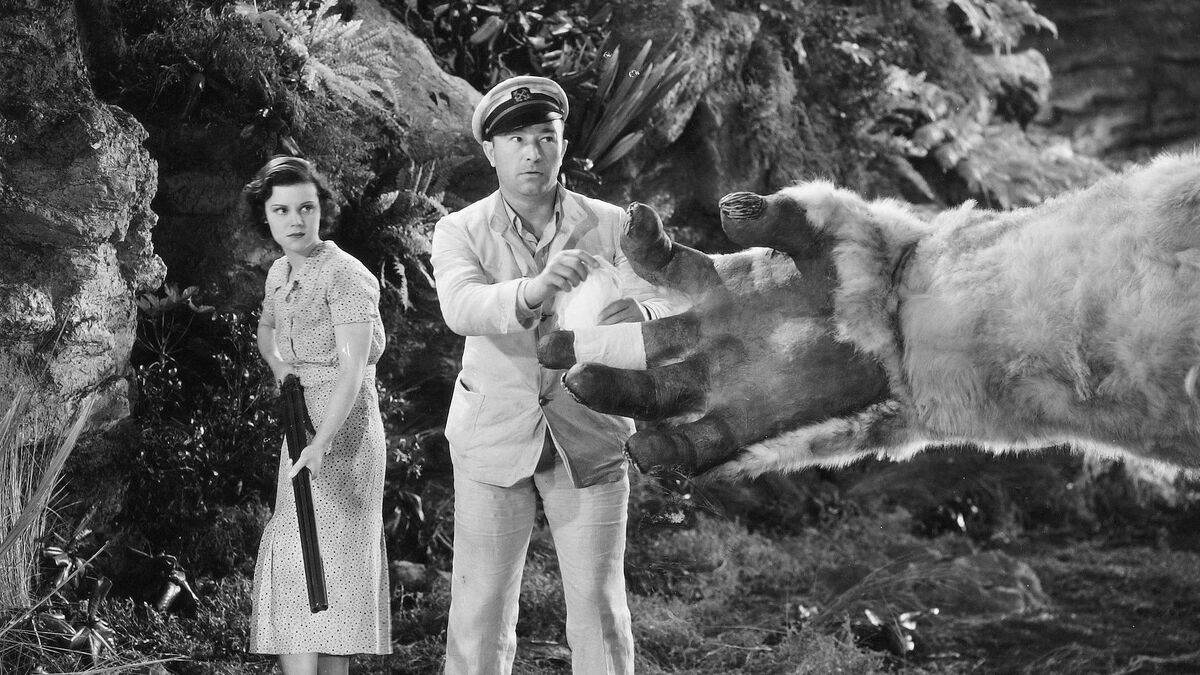
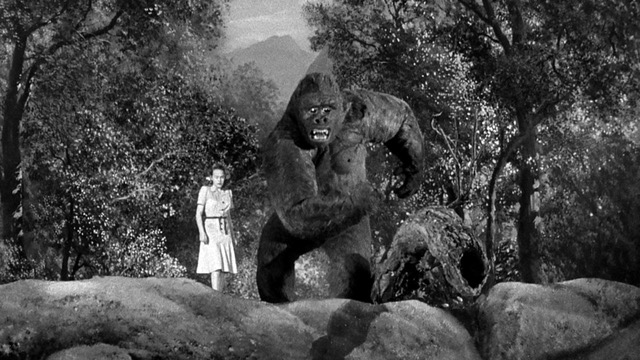
Merian C. Cooper & Ernest B. Schoedsack were American filmmakers best known for their pioneering adventure films, with their most iconic contribution being King Kong. The giant ape’s tragic tale of love and destruction has since become a landmark in the history of cinema, securing its place as one of the most influential films of all time.
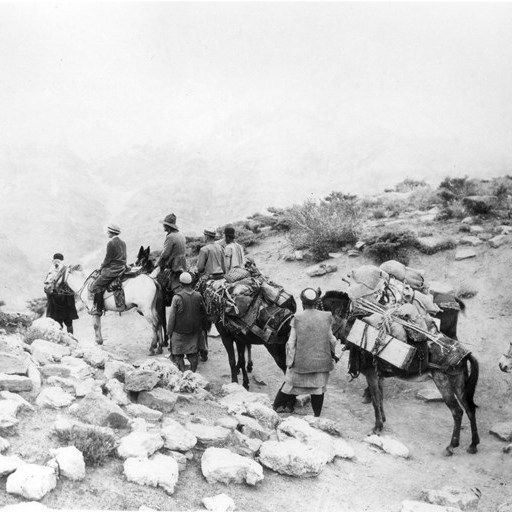
Their films regularly explored the dynamic between man and nature, often emphasising the insignificance of man when juxtaposed against the vastness and power of the natural world. For instance, in The Most Dangerous Game, humans become the hunted in a twisted game of survival, revealing the fragility of civilisation when confronted with primal instincts. Their visual style was equally arresting, with a penchant for capturing grand, sweeping landscapes and towering creatures, enhancing the sense of scale and spectacle. This was evident in Grass: A Nation’s Battle for Life, where they followed a nomadic tribe’s epic journey across Persia, showcasing both the resilience of humanity and the majesty of the environment.
Beyond the larger-than-life stories, Cooper and Schoedsack’s approach to filmmaking was characterised by a distinct blend of documentary realism and Hollywood spectacle. Their early experiences as adventurers and documentarians informed this style, with films like Chang: A Drama of the Wilderness blending real-life footage with staged scenes.

Merian C. Cooper (1893 – 1973) & Ernest B. Schoedsack (1893 – 1979)
Calculated Films:
- Grass: A Nation’s Battle for Life (1925)
- King Kong (1933)
Similar Filmmakers
- Byron Haskin
- Cecil B. DeMille
- Don Chaffey
- Fred M. Wilcox
- George Pal
- Gordon Douglas
- Ishiro Honda
- Jack Arnold
- James Whale
- John Guillermin
- Jun Fukuda
- Nathan Juran


Merian C. Cooper & Ernest B. Schoedsack‘s Top Films Ranked
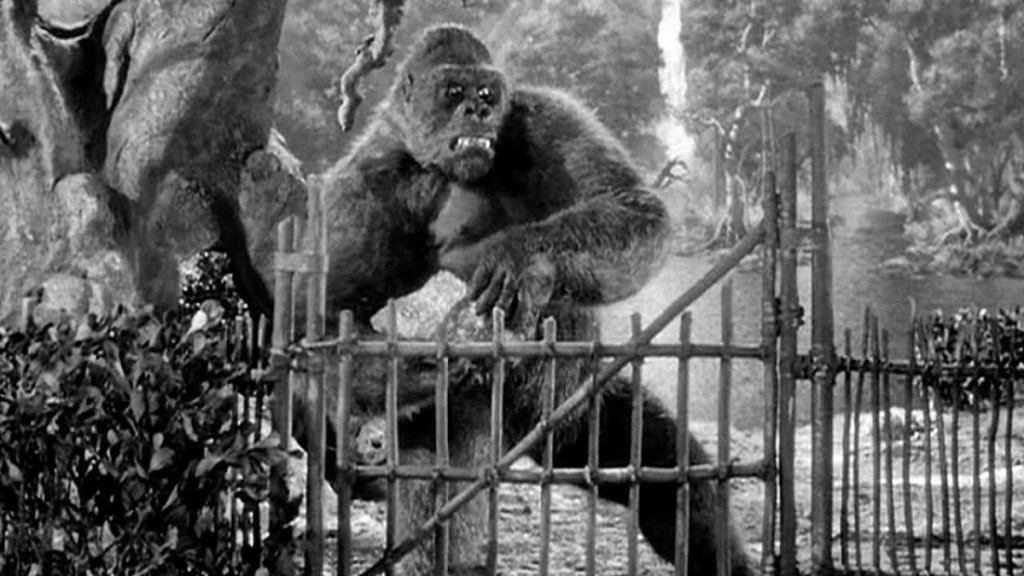
1. King Kong (1933)
Genre: Giant Monster, Adventure, Natural Horror

2. Grass: A Nation’s Battle for Life (1925)
Genre: Ethnographic Film, Travel Documentary

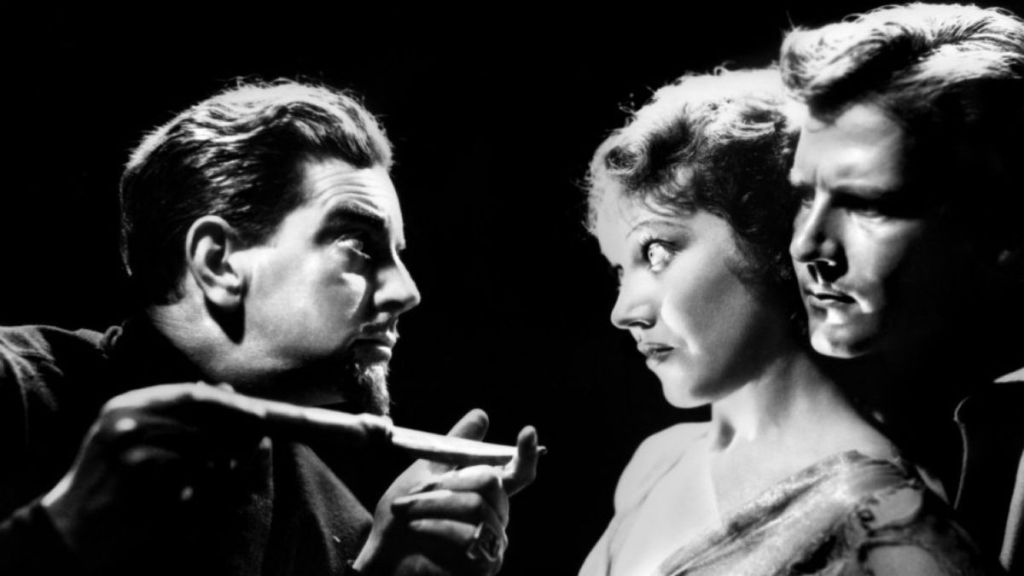
3. The Most Dangerous Game (1932)
Genre: Thriller, Adventure, Survival, Death Game
4. Chang: A Drama of the Wilderness (1927)
Genre: Docudrama, Adventure, Survival

5. Mighty Joe Young (1949)
Genre: Adventure, Giant Monster
Merian C. Cooper & Ernest B. Schoedsack: Themes and Style
Themes:
- Adventure and Exploration: One of the most consistent themes in Cooper and Schoedsack’s films is the spirit of adventure. They often chronicled uncharted territories, whether it be the migratory paths of tribes or unknown islands.
- Man vs. Nature: Many of their films, especially King Kong, revolve around humanity’s confrontation with nature and its consequences.
- Cultural Encounters: Films like Grass and Chang show interactions between different cultures or between man and nature, often highlighting the struggles and beauties of such encounters.
- The Spectacle of the Unknown: Their films frequently emphasised the grandeur and mystery of undiscovered or little-known phenomena, be it giant apes or distant tribes.
Styles:
- Documentary-style Realism: Both filmmakers had a penchant for realism. Even in fictional tales like King Kong, the desire for authenticity was evident. This was particularly noticeable in their early works like Grass, which had a strong documentary feel.
- Innovative Techniques: They were not afraid to push boundaries. In King Kong, they used advanced techniques of their time, such as stop-motion animation, miniatures, and rear projection.
- Majestic Cinematography: Schoedsack’s eye for composition led to some breathtaking visuals, capturing vast landscapes and the intricacies of close-up shots with equal finesse.
- Interplay of Drama and Realism: While they incorporated real-life footage, they didn’t shy away from dramatising events to heighten the narrative, as seen in Chang.
Directorial Signature:
- Juxtaposition of the Mundane and the Extraordinary: In their films, the ordinary often meets the extraordinary. Ordinary people encounter fantastic creatures or embark on incredible journeys.
- Emphasis on Visual Storytelling: Their films are visually driven. Whether it’s the vast expanses of migratory paths or the towering figure of Kong against New York’s skyline, the visuals often tell as much of the story as the narrative itself.
- Human Empathy: Despite the grandeur and scale of their stories, there’s always a human element. The audience is made to feel for the characters, be it the tribes in their perilous migration or Kong in his tragic end.
- Grand Set Pieces: They were masters of the spectacle. Whether it was the massive gates of Skull Island or the bustling streets of New York with Kong rampaging through, their ability to create grand cinematic moments was unparalleled in their time.
Merian C. Cooper & Ernest B. Schoedsack – The 271st Greatest Directors


 Bronze Screen Dream