
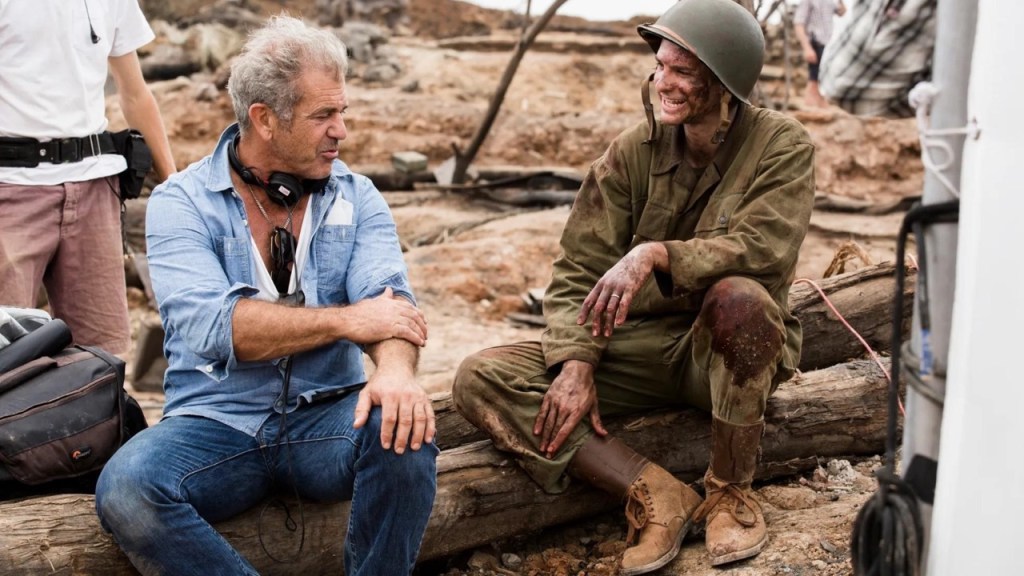
Mel Gibson is an American actor, director, producer, and screenwriter primarily known for his dynamic acting roles and directorial ventures in the film industry. As an actor, he first garnered acclaim for his performance in the Mad Max franchise, projecting a gritty, post-apocalyptic world. He further captivated audiences with his portrayal of William Wallace in the Academy Award-winning epic Braveheart, a film he also directed and produced, which brought the struggles and fervour of Scottish independence to the big screen with dramatic intensity and emotional depth.
Gibson’s career trajectory has been marked by both remarkable highs and notable lows. He burst onto the Hollywood scene in the late 1970s and early 1980s, with the Mad Max series propelling him to international stardom. Transitioning into directing, Gibson achieved significant acclaim with Braveheart in 1995, which won five Academy Awards, including Best Picture and Best Director. However, his career also faced challenges, particularly following the release of The Passion of the Christ in 2004, which was both a box-office success and a source of controversy due to its graphic depiction of Jesus Christ’s crucifixion and allegations of anti-Semitism. Despite these controversies, Gibson managed a comeback with Hacksaw Ridge in 2016, which received numerous accolades and reaffirmed his talents as a director.
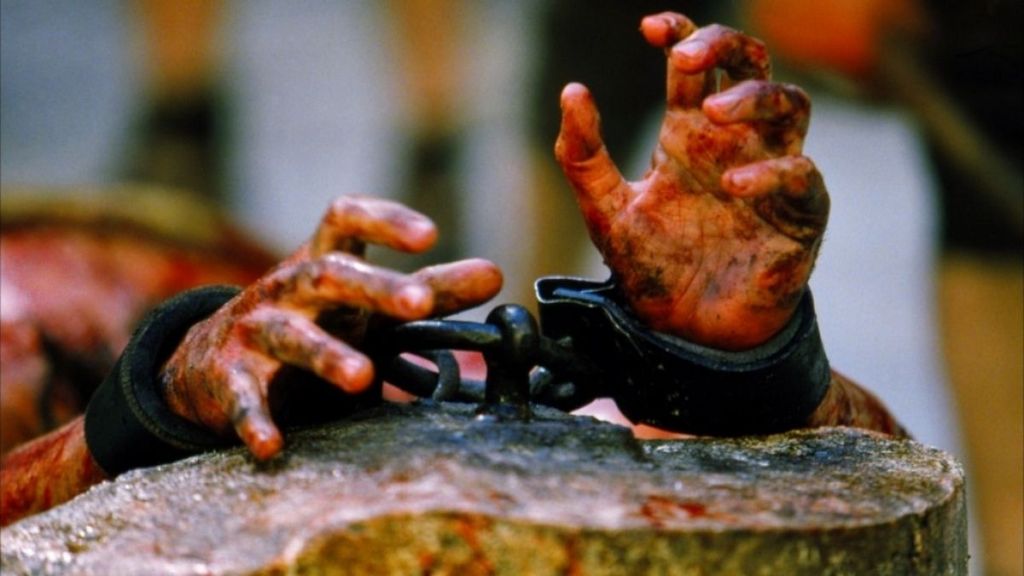
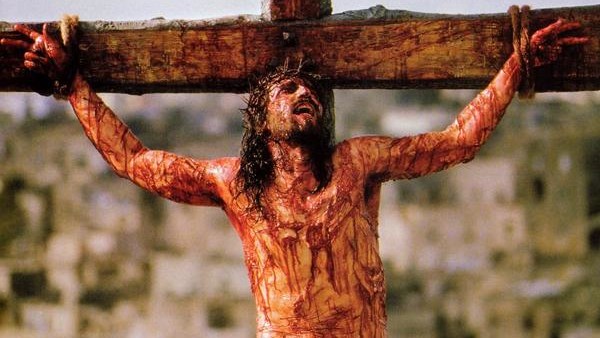
His films often grapple with themes of freedom, sacrifice, and redemption, seamlessly woven into the narrative fabric of each story. For instance, The Passion of the Christ intricately explores spirituality and sacrifice through the lens of Jesus Christ’s crucifixion, employing a realistic and graphic visual style to accentuate the pain and suffering endured. Moreover, Gibson’s films are recognised for their ability to convey intense emotions, with characters often navigating through situations that test their moral compass and determination.
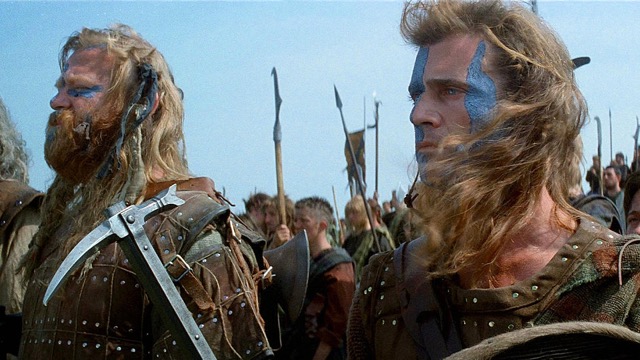
He also has a predilection for themes of heroism, sacrifice, and the human spirit’s resilience. This is embodied in Braveheart, where he not only starred but also directed, offering a stirring tale of a man who, against all odds, rallies others to fight for freedom. The film’s sweeping, epic style, accompanied by meticulous attention to historical detail and a powerful musical score, reflects Gibson’s dedication to crafting immersive, emotionally charged cinematic experiences. The struggles and triumphs of the individual against oppressive forces are central to many of his works, serving as a mirror to the human condition and its inherent desire for liberty and dignity.
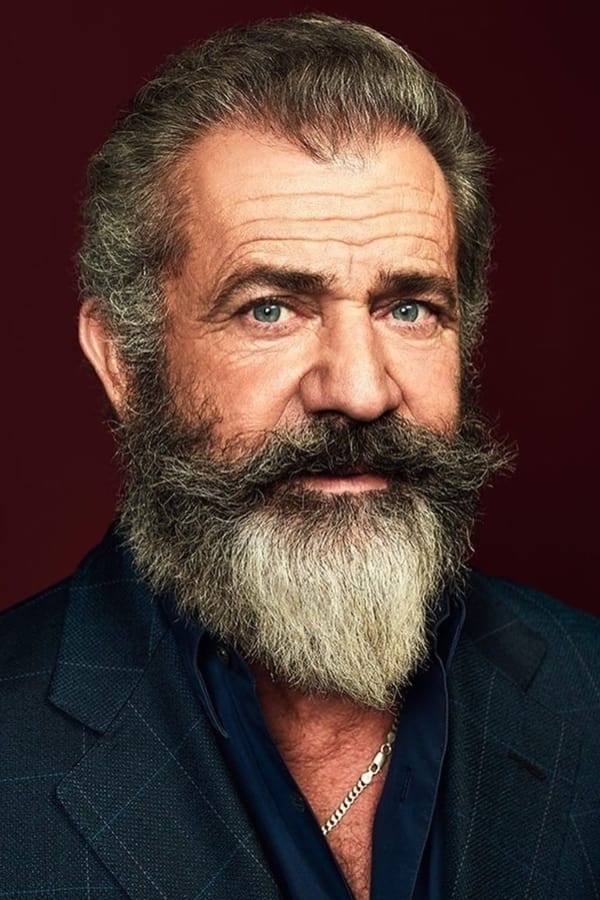
Mel Gibson (1956 – -)
Calculated Films:
- Braveheart (1995)
- Apocalypto (2006)
- Hacksaw Ridge (2016)
Similar Filmmakers
- Clint Eastwood
- David Michod
- Edward Zwick
- George Miller
- Hugh Hudson
- Jean-Jacques Annaud
- Kevin Costner
- Kevin Reynolds
- Michael Mann
- Oliver Stone
- Peter Weir
- Phillip Noyce
- Ridley Scott
- Roger Donaldson
- Sam Peckinpah
- Steven Spielberg
- Terrence Malick
- Walter Hill
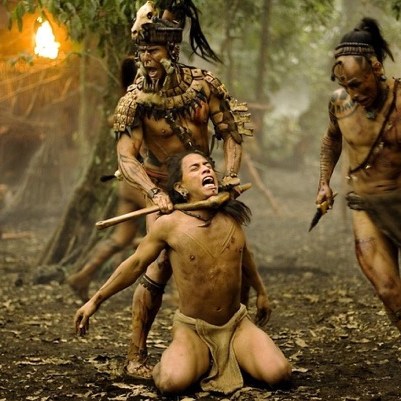
Mel Gibson’s Top Films Ranked
1. Hacksaw Ridge (2016)
Genre: War, Biographical
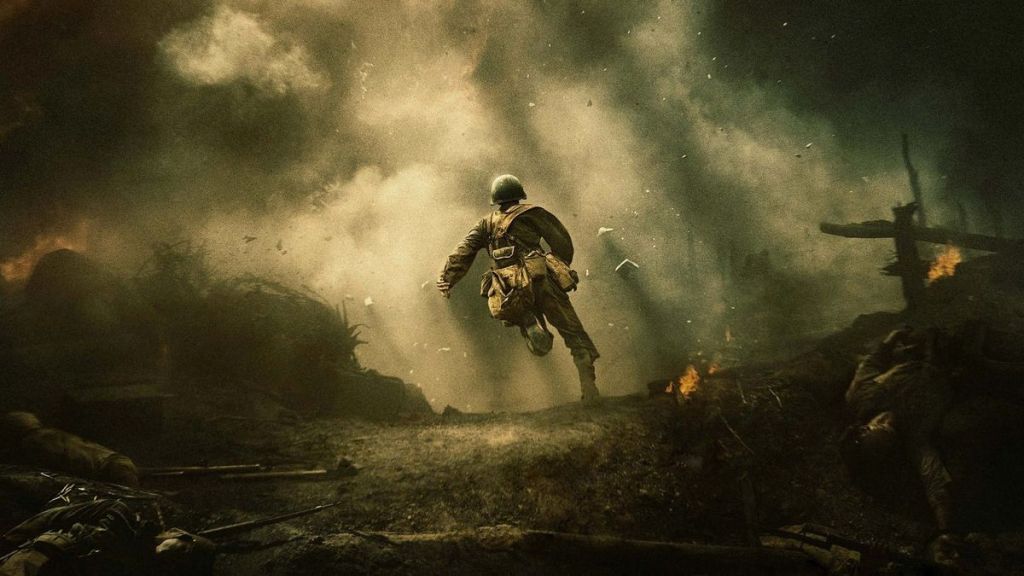
2. Braveheart (1995)
Genre: War, Period Drama, Biographical, Medieval, Epic
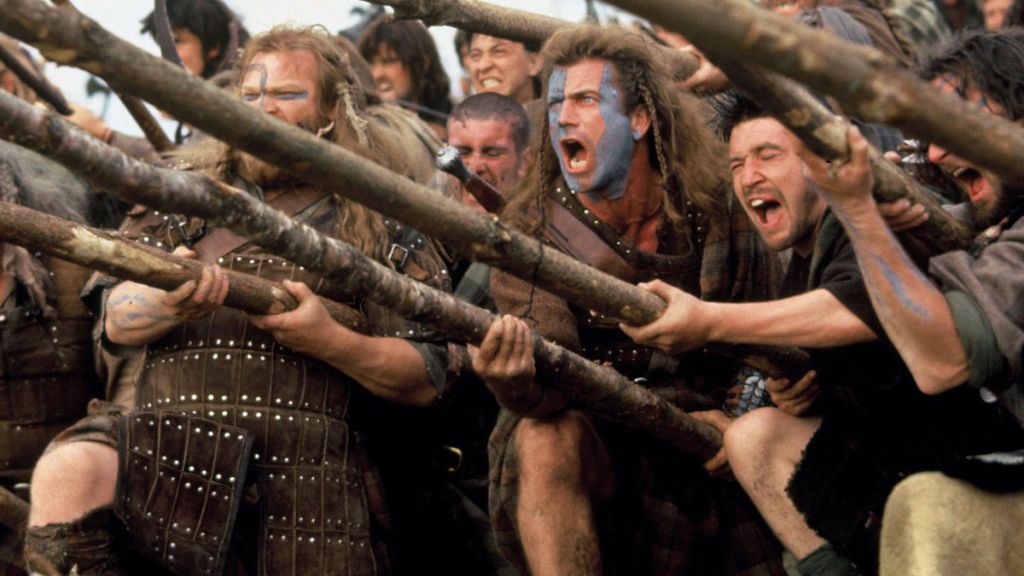
3. Apocalypto (2006)
Genre: Adventure, Action, Drama, Epic, Survival
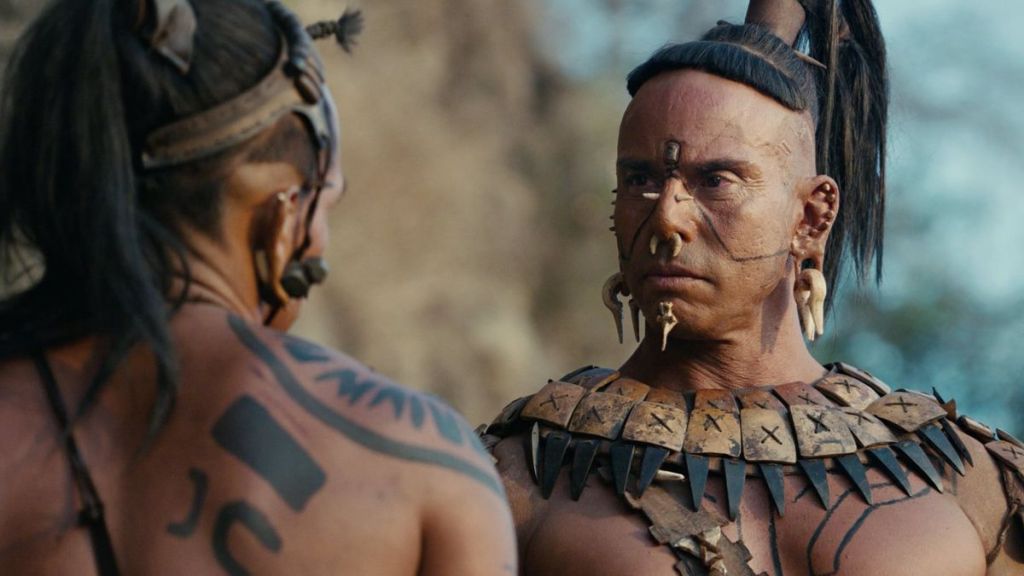
4. The Man Without a Face (1993)
Genre: Drama

5. The Passion of the Christ (2004)
Genre: Drama, Religious Film, Classical Antiquity, Epic, Period Drama
Mel Gibson: Themes and Style
Themes:
- Redemption and Sacrifice: Gibson’s works often explore the notions of redemption and sacrifice. Characters frequently undergo intense personal challenges or sufferings, only to emerge transformed or redeemed. Examples can be seen in Braveheart and The Passion of the Christ.
- Religion and Faith: Religion plays a crucial role in many of Gibson’s films. Whether it’s the deeply religious undertones of The Passion of the Christ or the exploration of faith in Hacksaw Ridge, Gibson delves into the spiritual dimensions of human experience.
- Cultural and Historical Roots: Gibson has a penchant for setting his films in historical or culturally significant periods. Whether it’s Scottish history in Braveheart or the ancient Mayan civilisation in Apocalypto, he uses the backdrop to explore universal human themes.
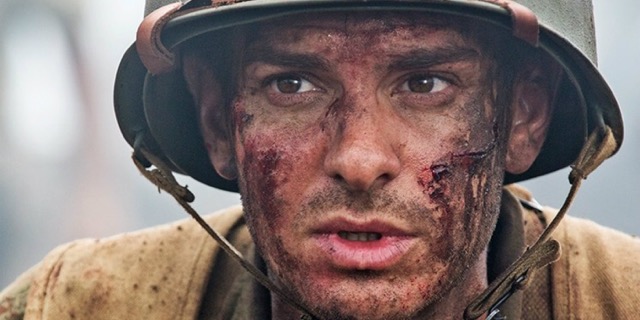
- War and Violence: Many of Gibson’s films, like Braveheart and Hacksaw Ridge, contain explicit depictions of violence and war. However, they often serve a purpose beyond shock value, underlining the brutality of humanity or the cost of freedom.
Styles:
- Visceral Realism: Gibson’s direction often leans towards a raw and gritty realism, especially in his depiction of violence. The battle scenes in Braveheart and the crucifixion in The Passion of the Christ are detailed, unflinching, and visceral.
- Cinematic Spectacle: Gibson is known for creating sweeping cinematic moments, often characterised by grand set pieces, vast landscapes, and epic battles.
- Character Intimacy: Amidst the grandeur and spectacle, Gibson also ensures intimate character development, focusing closely on their emotional and psychological journeys.
- Use of Music: Music in Gibson’s films often complements the emotional tone. The scores are poignant and deeply resonant, enhancing the storytelling.
Directorial Signature:
- Historical Epics: Gibson often takes on sprawling historical narratives, bringing them to life with accuracy, passion, and a personal touch.
- Physical and Emotional Extremes: Characters in Gibson’s films often go through extreme physical and emotional challenges. These intense sequences push characters to their limits, revealing their true essence.
- Cultural Exploration: Gibson shows an interest in diving deep into different cultures, often showcasing lesser-known traditions, rituals, and histories, as seen in Apocalypto.
Mel Gibson – Great Director

 Bronze Screen Dream