
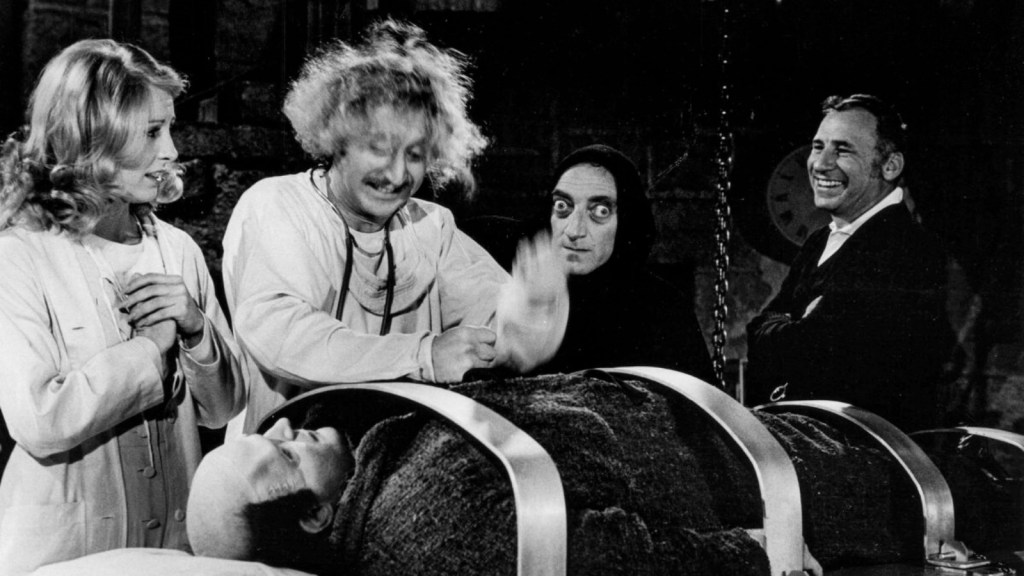
Mel Brooks is an American director renowned for his distinctive brand of comedy and use of parody. His name is synonymous with some of the most iconic and influential comedies in film history, spanning a wide array of genres from Westerns, as seen in Blazing Saddles, to horror, with Young Frankenstein, and even a nod to the era of silent cinema with Silent Movie. Brooks’ films are recognised for their outrageous humour, irreverent wit, and biting social commentary, making him a formidable figure in the comedy landscape.
Brooks began his career in the Borscht Belt of Jewish resorts in the Catskills, where he honed his comedic voice and developed a knack for music. His early experiences in comedy and music would greatly influence his filmmaking style, which often includes lively musical sequences and employs music as a key element of his comedic toolkit. He quickly established a reputation for pushing boundaries and challenging societal norms, turning to film as a platform to lampoon everything from Hollywood tropes to social stereotypes.
Brooks’ visual style is characterised by a dynamic blend of visual gags and slapstick humour, contributing to his films’ lively and often outrageous comedic tone. In addition to his knack for parody, Brooks also exhibits a deep love and knowledge of cinema, with his films often serving as affectionate tributes to the genres they spoof. This balance between parody and homage is a testament to Brooks’ ability to simultaneously critique and celebrate cinema, a quality that has become a defining trait of his directorial style. His films also greatly benefited from the comedic timing and performance styles of regular collaborators such as Gene Wilder, Madeline Kahn, and Marty Feldman.
Mel Brooks’ contributions to film comedy have left a substantial and lasting impact on the industry. His fearless, irreverent approach to humour has paved the way for countless comedians and directors, and his films continue to resonate with audiences for their daring satire and timeless laughs. Despite their parodic nature, Brooks’ films stand as a testament to his profound understanding and appreciation of the cinematic art form, making him a seminal figure in the annals of film history.

Mel Brooks (1926 – -)
Calculated Films:
- The Producers (1967)
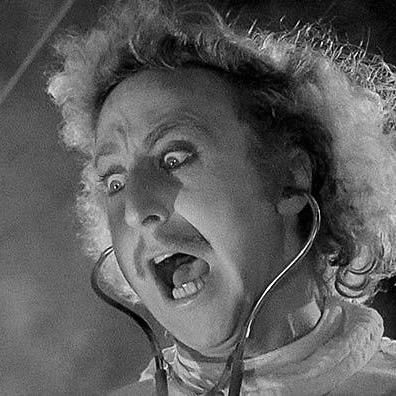
- Young Frankenstein (1974)
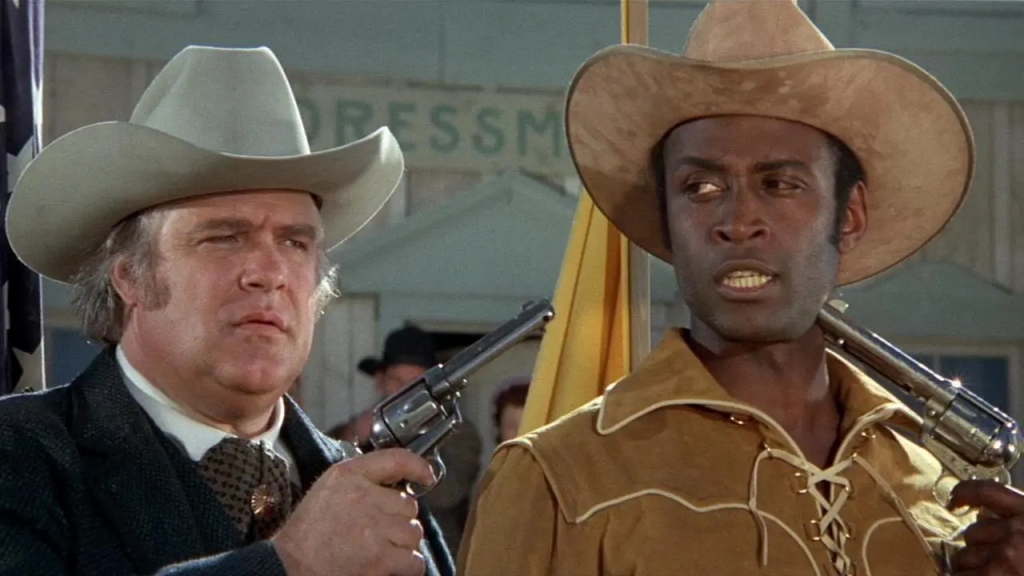
- Blazing Saddles (1974)
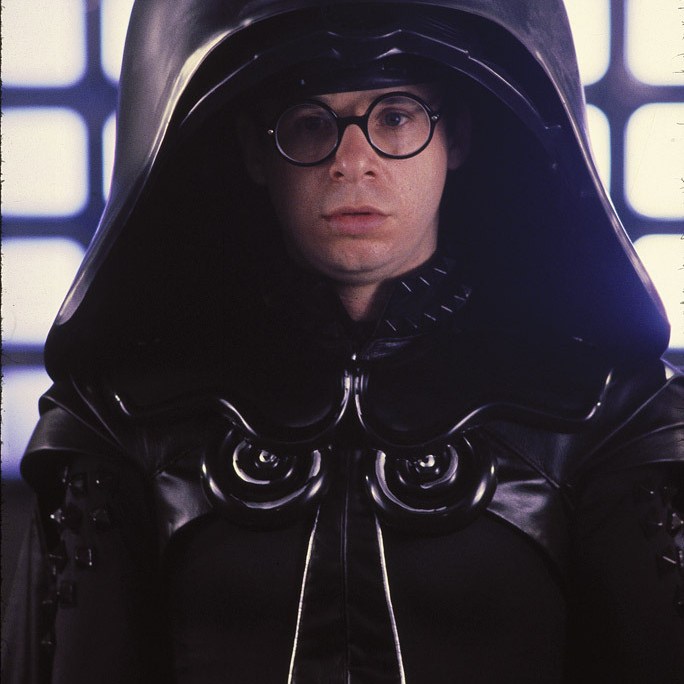
- Spaceballs (1987)
Similar Filmmakers
- Adam McKay
- Alan Myerson
- Carl Reiner
- Christopher Guest
- Elaine May
- Ernst Lubitsch
- Harold Ramis
- Ivan Reitman
- James L. Brooks
- Jay Roach
- Jerry Lewis
- Jim Abrahams, David Zucker & Jerry Zucker
- John Landis
- Michael Schultz
- Penny Marshall
- Rob Reiner
- Terry Gilliam & Terry Jones
- Woody Allen

Mel Brooks’ Top 10 Films Ranked
1. Young Frankenstein
Genre: Parody, Horror Comedy, Gothic, Comedy

2. Blazing Saddles (1974)
Genre: Parody, Western, Satire
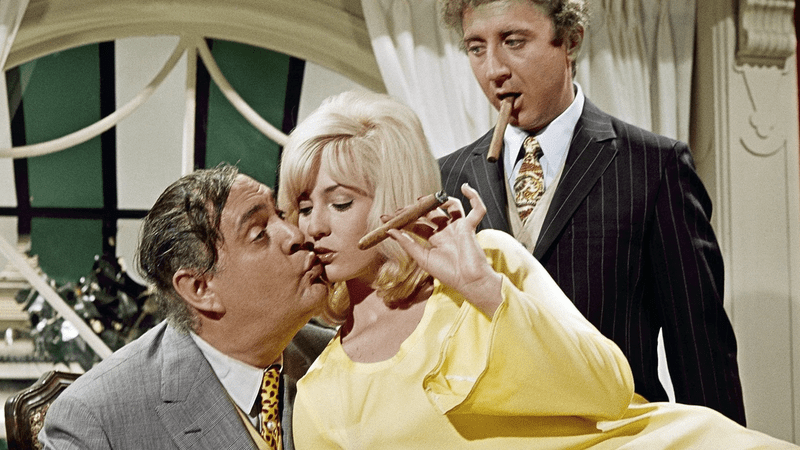
3. The Producers (1967)
Genre: Comedy, Satire, Buddy

4. Silent Movie (1976)
Genre: Parody, Slapstick, Absurdist Comedy

5. Spaceballs (1987)
Genre: Parody, Space Opera, Absurdist Comedy

6. History of the World Part One (1981)
Genre: Absurdist Comedy, Anthology Film
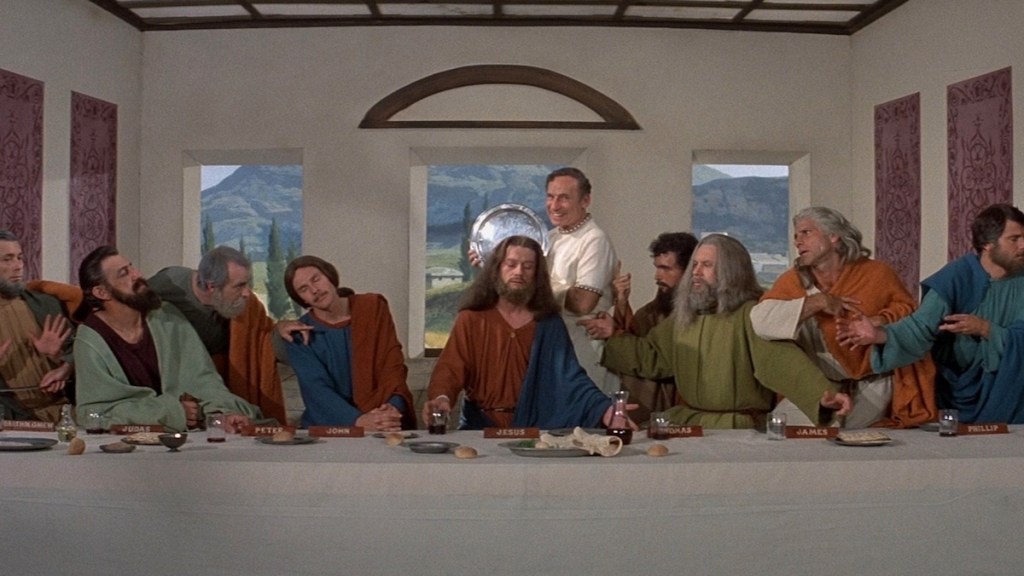
7. High Anxiety (1977)
Genre: Parody, Mystery

8. The Twelve Chairs (1970)
Genre: Comedy, Adventure

9. Robin Hood: Men in Tights (1993)
Genre: Parody, Swashbuckler, Medieval

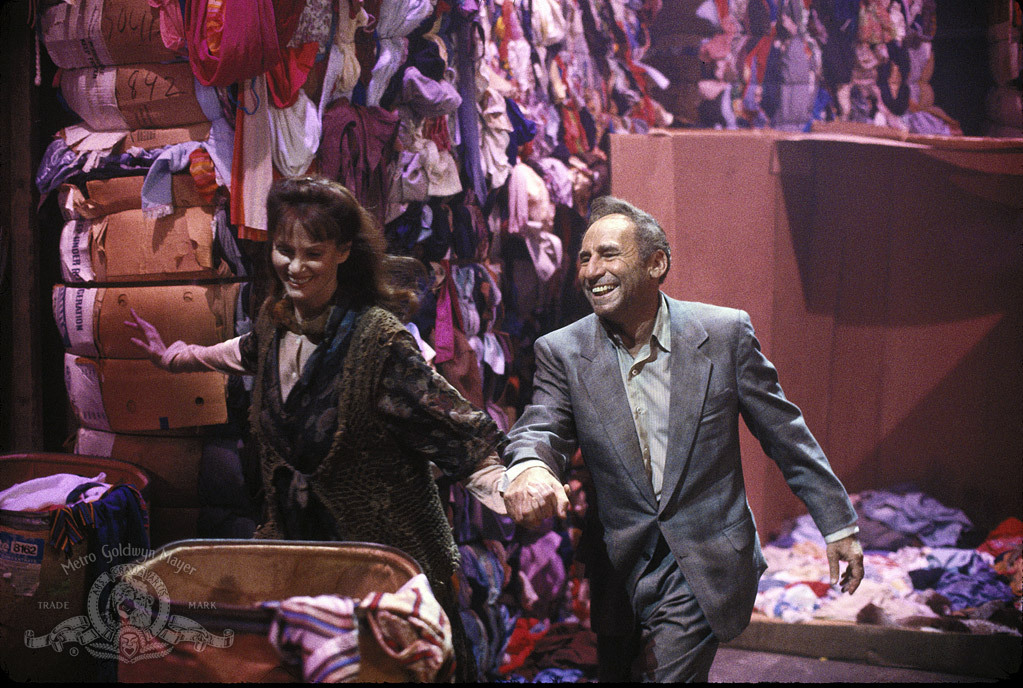
10. Life Stinks (1991)
Genre: Comedy
Mel Brooks: Themes and Style
Themes:
- Parody and Satire: Brooks is renowned for his satirical approach, often parodying film genres, historical events, or classic tales. He has a knack for highlighting the absurdities within these subjects, offering comedic critique that is both insightful and entertaining.
- Jewish Humour: As a Jewish American, Brooks infuses his work with Jewish humour, characterised by wit, self-deprecation, and an exploration of Jewish identity and culture.
- Social Commentary: While primarily comedic, Brooks’s films often incorporate subtle social commentary, addressing issues like racism, fascism, and discrimination with a humorous twist.
Styles:
- Slapstick Comedy: Brooks employs slapstick humour, involving exaggerated physical comedy and visual gags. This style celebrates the ludicrous and improbable, engaging audiences with its over-the-top antics.
- Musical Comedy: Music plays a significant role in many of Brooks’s films. He skillfully integrates songs and musical numbers that are not only humorous but also essential to the narrative’s progression.
- Breaking the Fourth Wall: Characters in Brooks’s films often acknowledge the audience’s presence, breaking the ‘fourth wall’. This technique creates a sense of intimacy and complicity between the characters and the viewers.
- Ensemble Cast: Brooks frequently collaborates with a recurring ensemble of actors, including Gene Wilder, Madeline Kahn, and Dom DeLuise, who have become synonymous with his comedic style.
Directorial Signature:
- Genre Parodies: One of Brooks’s directorial hallmarks is his ability to parody various film genres expertly. Films like “Young Frankenstein” mock the horror genre, while “Blazing Saddles” satirises classic westerns, and “Spaceballs” is a humorous take on science fiction.
- Visual and Verbal Puns: Brooks’s films are laden with puns, both visual and verbal. These clever plays on words and images are integral to his comedic style, offering layers of humour that appeal to a broad audience.
- Integration of Jewish Culture: His directorial signature includes weaving aspects of Jewish culture and humour into his films subtly, offering a unique perspective and contributing to the films’ distinct comedic voice.
Mel Brooks: The 232nd Greatest Director



 Bronze Screen Dream