

Maya Deren was a Ukrainian-born filmmaker known for her work in avant-garde and experimental cinema. Her innovative approach to film, exemplified in works such as Meshes of the Afternoon and At Land, has made her a key figure in the development of independent American cinema. Often collaborating with her husband, Alexander Hammid, she explored the medium’s potential beyond the boundaries of conventional narrative cinema.
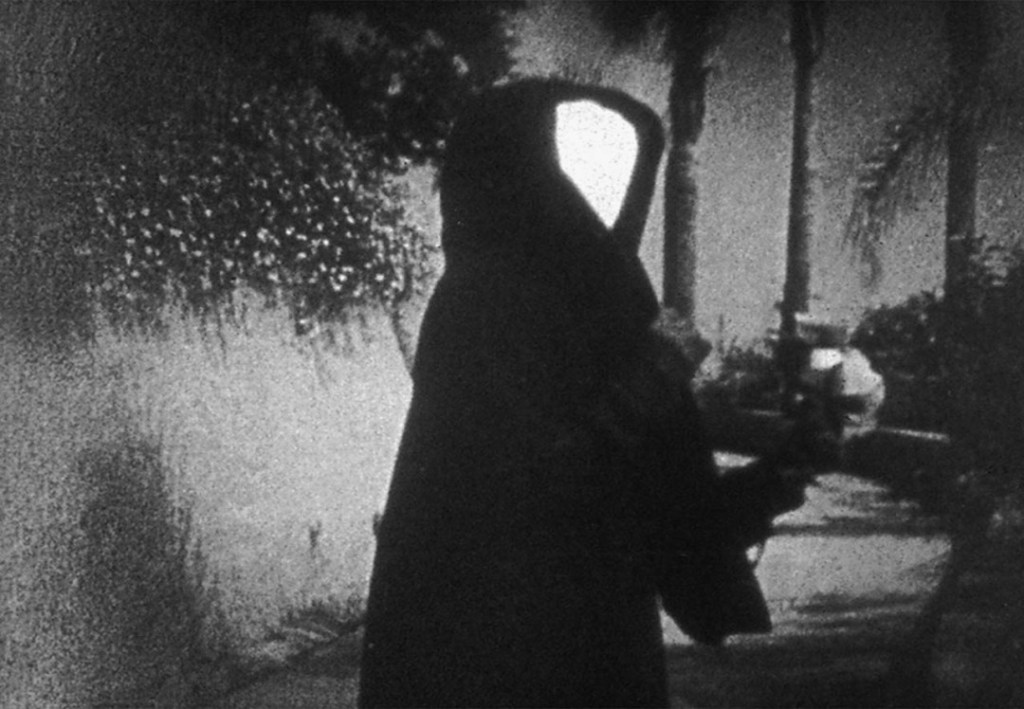
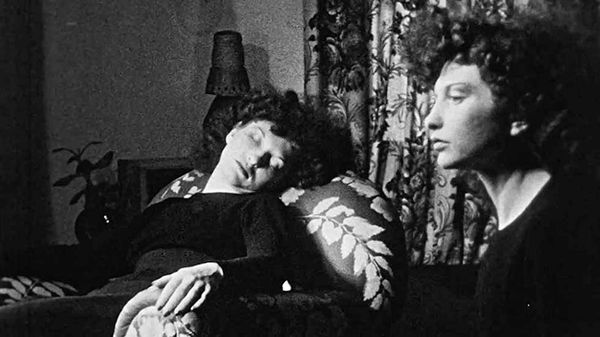
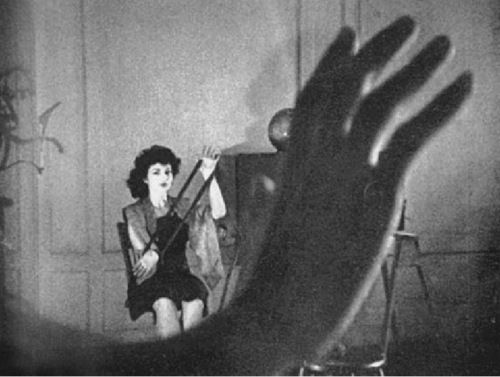
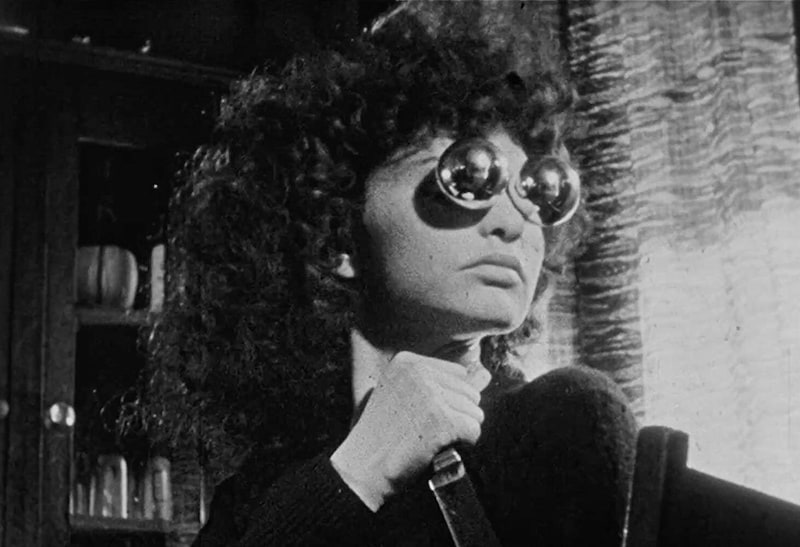
Deren’s filmography is characterised by a fascination with dreamlike imagery, subjective experiences, and the exploration of the unconscious mind. Her films often delve into themes of identity, perception, and the fluidity of time, creating a cinematic landscape that is deeply introspective and personal. The beauty of Deren’s films lies in their lyrical quality, transforming the visual medium into a form of poetic expression. For instance, in Meshes of the Afternoon, she uses visual motifs and radical editing techniques to create a series of poetic, dreamlike sequences that defy traditional narrative structures, inviting viewers to engage with the film on an emotional and psychological level.
Deren’s work is visually characterised by its innovative use of camera movement, framing, and editing to create an intensely subjective cinematic experience. Her pioneering work in editing — using techniques such as match cuts and jump cuts — was groundbreaking, creating a rhythmic, almost musical quality in her films. This unique visual style and innovative approach to film editing significantly influenced the development of experimental cinema, paving the way for subsequent generations of filmmakers. Despite her short career, Maya Deren’s innovative vision and commitment to exploring the possibilities of the medium have left a lasting impact on the landscape of independent cinema, cementing her legacy as a trailblazer in avant-garde filmmaking.

Maya Deren (1917 – 1961)
Calculated Films:
- Meshes of the Afternoon (1943)
- At Land (1944)
- The Private Life of a Cat (1946)
Similar Filmmakers
- Bruce Conner
- Carolee Schneemann
- Curtis Harrington
- Germaine Dulac
- Hans Richter
- Hollis Frampton
- Jack Smith
- Jean Cocteau
- Jonas Mekas
- Jordan Belson
- Kenneth Anger
- Luis Bunuel
- Man Ray
- Marie Menken
- Shirley Clarke
- Stan Brakhage
- Teo Hernandez
- Willard Maas


5 Maya Deren Films You Should Watch
Meshes of the Afternoon (1943)
Genre: Experimental, Surrealism
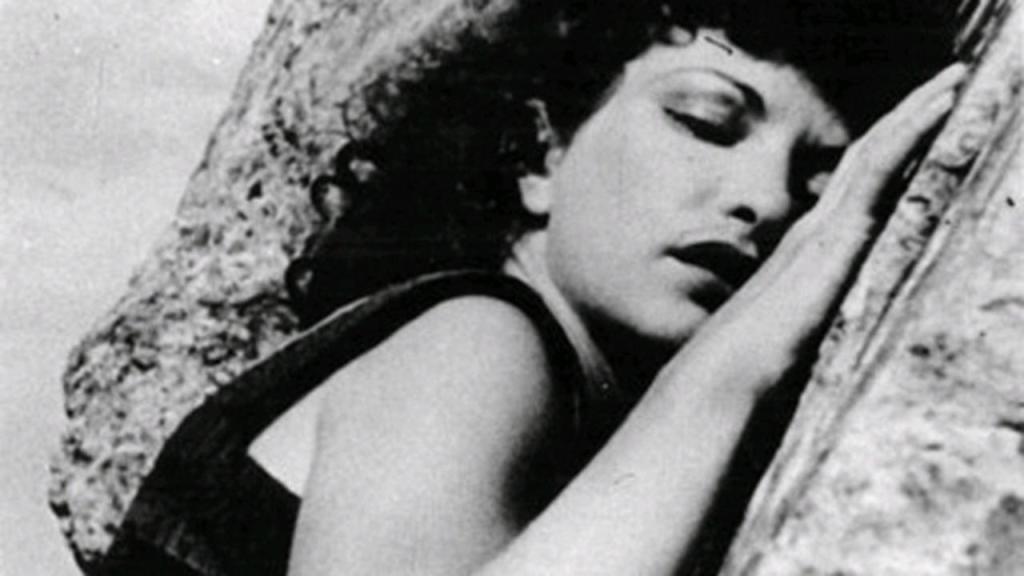
At Land (1944)
Genre: Experimental, Surrealism
The Private Life of a Cat (1946)
Genre: Documentary

Ritual in Transfigured Time (1946)
Genre: Experimental, Surrealism
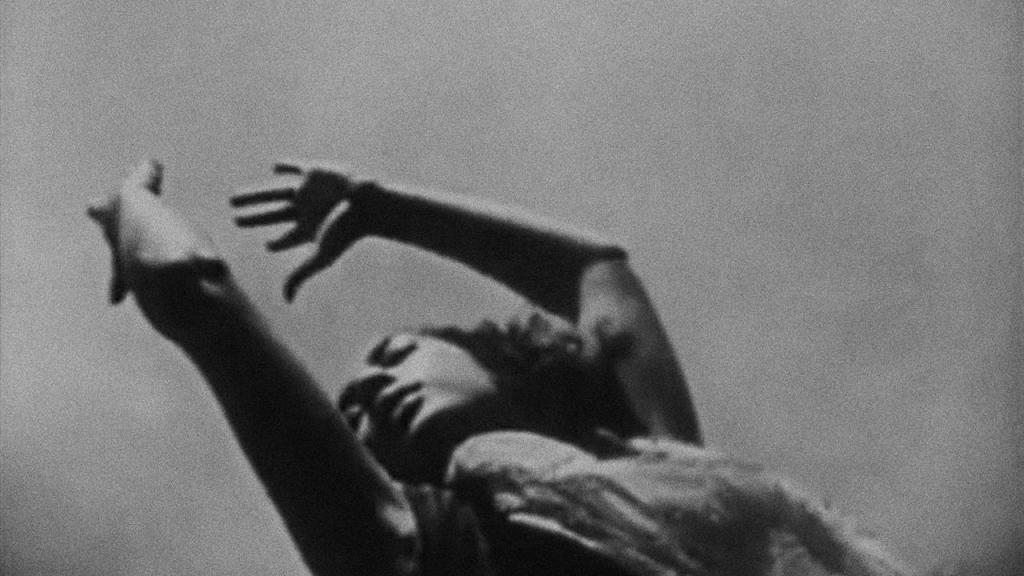
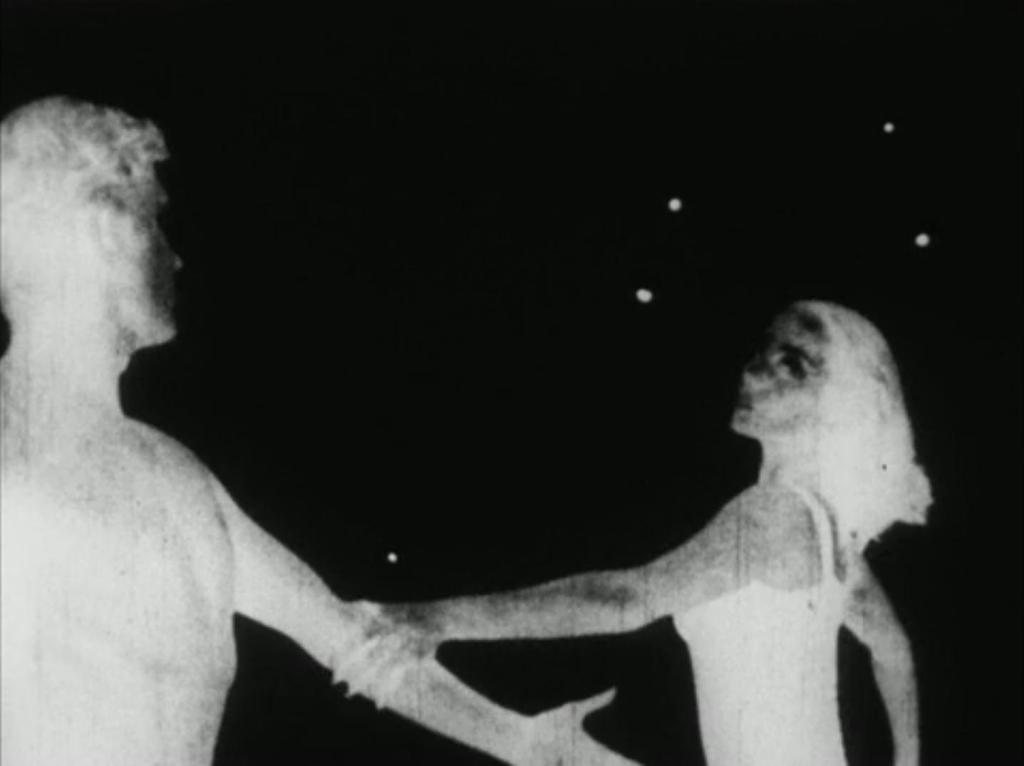
The Very Eye of Night (1958)
Genre: Dance Film, Experimental
Maya Deren: Themes and Style
Themes:
- Dream vs. Reality: Deren often blurred the lines between dream states and reality, with her characters navigating both spaces, as evident in Meshes of the Afternoon.
- Ritual and Transformation: Deren’s films, especially influenced by her time in Haiti, explored ritualistic behaviours and moments of personal and communal transformation.
- Female Identity and Agency: Her works frequently focus on the female protagonist, challenging the viewer’s expectations of femininity, identity, and agency.
- Time and Space: Deren played with the concepts of time and space, often using non-linear narratives and disjointed timelines.
Styles:
- Experimental Narration: Deren veered away from traditional narrative structures, opting instead for poetic and abstract storytelling.
- Dance and Movement: Having been influenced by her association with Katherine Dunham, Deren integrated dance and choreographed movement seamlessly into her films.
- Use of Symbols: Symbolism, such as mirrors in Meshes of the Afternoon, was frequently employed to convey deeper psychological meanings.
- Repetition: Motifs, scenes, and actions often repeat, creating a hypnotic rhythm and drawing attention to variations in each recurrence.
Directorial Signature:
- Personal Involvement: Deren was often deeply involved in multiple aspects of her films, not just directing. She often acted in, wrote, and edited her works.
- Independence: Deren’s approach to filmmaking was deeply independent, often self-financing and distributing her films, which gave her complete creative control.
- Intimate Atmosphere: Her films often exude an intimate, personal feel, as if the viewer is granted a glimpse into a dream or private ritual.
- Interdisciplinary Approach: Deren combined her interests, from dance to psychology, in her films, making her works a blend of various art forms.
- Ethnographic Gaze: Especially after her trips to Haiti, her films and unfinished works had an ethnographic quality, focusing on rituals, dances, and communal behaviours.
Maya Deren: The 201st Greatest Director

 Bronze Screen Dream