
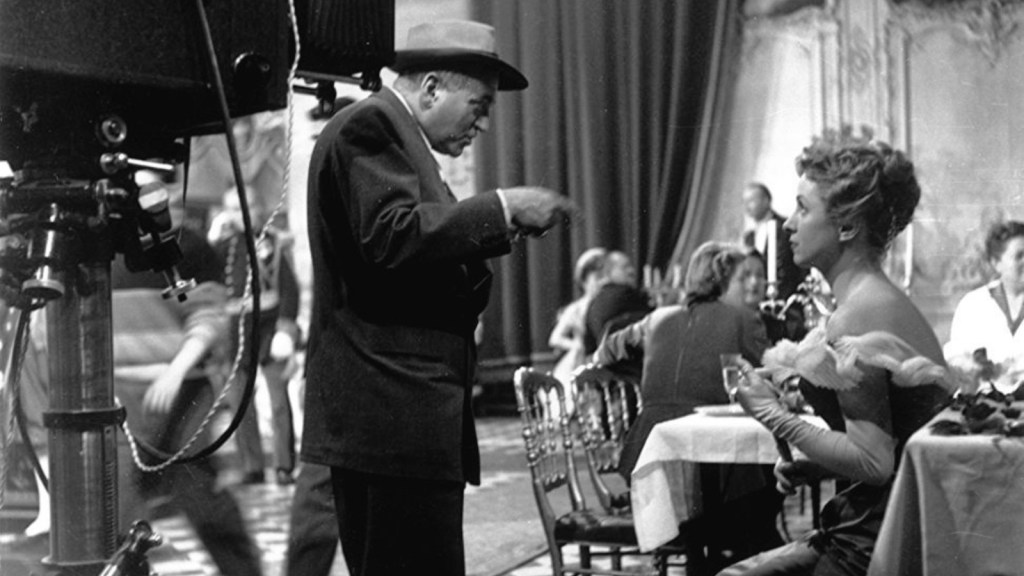
Max Ophuls was a German director best known for his exquisite direction, fluid camera movements, and movies featuring female protagonists. His elegant visual style, characterised by elaborate tracking shots, contributes to a unique narrative rhythm, as seen in films like The Earrings of Madame de… and La Ronde. Ophuls’ films, focusing primarily on romantic tragedies, are often marked by a palpable sense of nostalgia and fatalism, illuminating the human condition with an empathetic eye.
Born into a Jewish family in Germany, Ophuls began his career in the theatre before moving into filmmaking. His career took him across borders, with successful periods in Germany, France, and the U.S. Each of these cultural experiences shaped his work, as he adeptly incorporated different cinematic traditions and societal nuances, resulting in a cosmopolitan cinematic sensibility. His theatrical background is evident in his cinematic style, with long takes, dramatic lighting, and occasional direct address to the camera often used to blur the boundaries between theatre and film.
Ophuls’ films are renowned for their attention to detail, particularly in production design. Lavish sets and meticulous period costumes create a tangible sense of time and place, particularly in his historical dramas. The narratives often follow a circular or cyclical structure, emphasising the themes of fate and inevitability, with La Ronde exemplifying this unique storytelling method. His exploration of class and society frequently exposes the hypocrisy and vanity within bourgeois society, delivering a critique that’s both incisive and timeless.
Women’s Films
In line with his theatrical approach, Ophuls’ cinema places significant emphasis on the use of music. It often serves as a narrative device, contributes to the atmosphere, or reveals characters’ emotions. Furthermore, his films are distinctively centred on women, exploring their desires, circumstances, and societal limitations in a way that showcases his empathetic understanding of their emotional experiences.
Ophuls’ enduring legacy rests on a relatively small body of work, yet his influence on cinema has been far-reaching. Directors such as Stanley Kubrick, François Truffaut, and Paul Thomas Anderson have cited his influence on their work, demonstrating his filmmaking style’s universality and timeless appeal. His intricate and fluid camera work, intricate narratives, and focus on female characters, along with his exploration of societal norms, have left an indelible mark on the world of cinema. Despite his career being cut short by his untimely death, Max Ophuls’ contribution to filmmaking continues to inspire filmmakers worldwide.
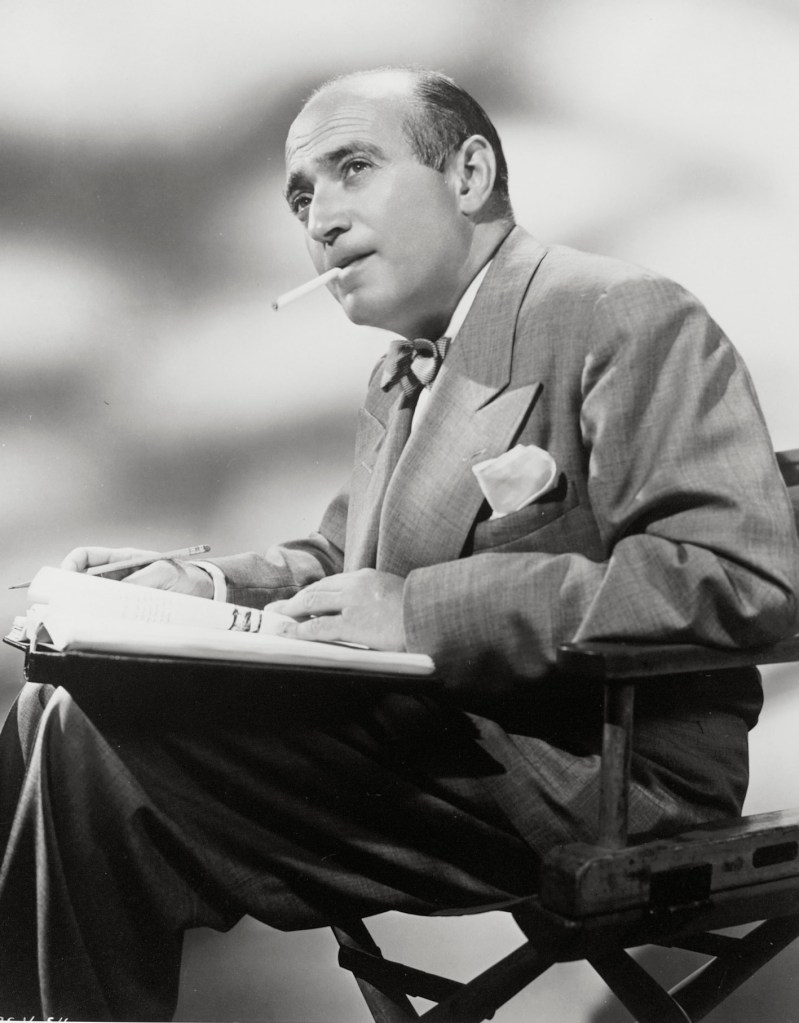
Max Ophuls (1902 – 1957)
Calculated Films:
- Liebelei (1933)
- Everybody’s Woman (1934)
- There’s No Tomorrow (1939)
- Letter From An Unknown Woman (1948)
- The Reckless Moment (1949)
- La Ronde (1950)
- Le Plaisir (1952)
- The Earrings of Madame De… (1953)
- Lola Montes (1955)
Similar Filmmakers
- Alfred Hitchcock
- Billy Wilder
- Claude Autant-Lara
- Douglas Sirk
- Erich von Stroheim
- Ernst Lubitsch

Max Ophuls’ Top 10 Films Ranked
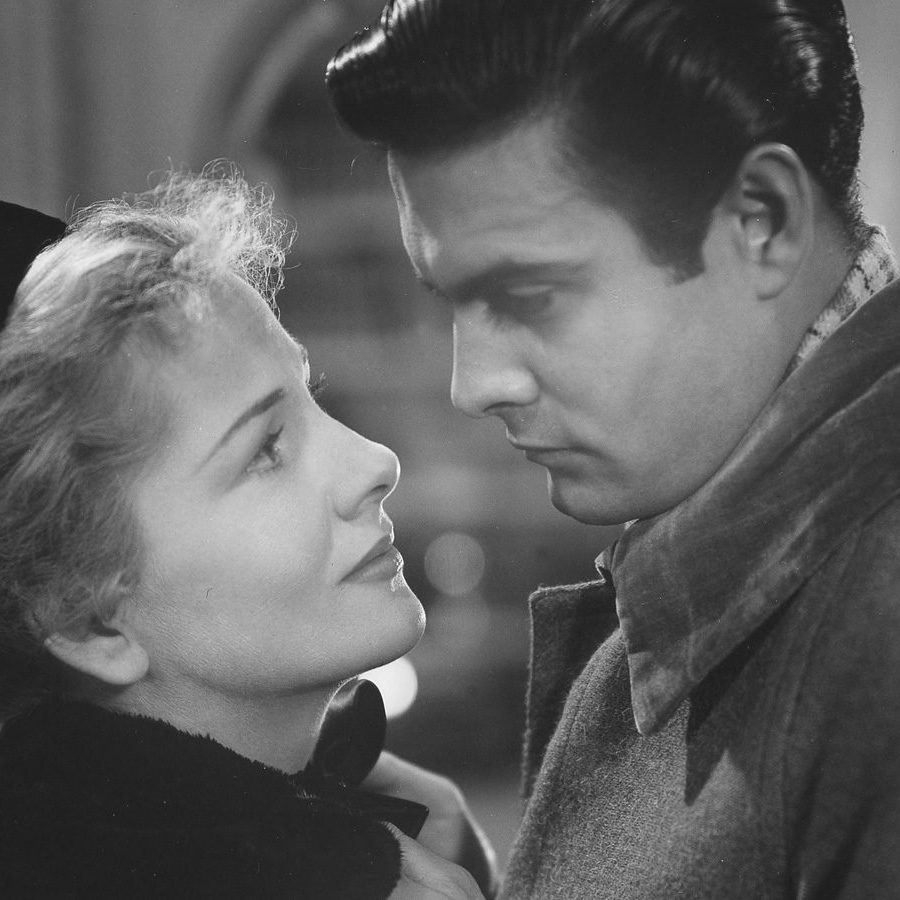
1. Letter From An Unknown Woman (1948)
Genre: Romance, Melodrama
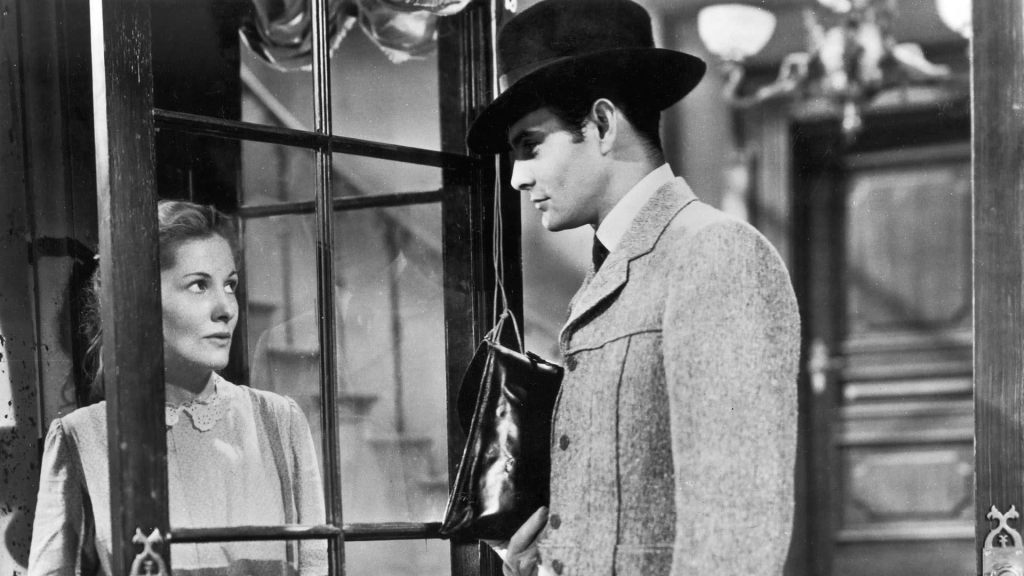
2. The Earrings of Madame De… (1953)
Genre: Romance, Melodrama

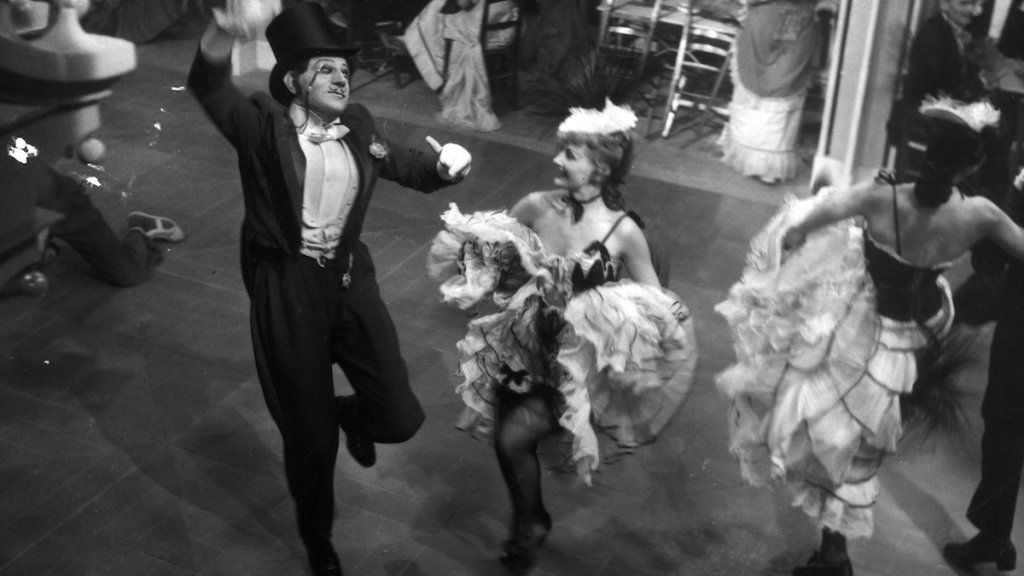
3. Le Plaisir (1952)
Genre: Anthology Film, Drama, Comedy
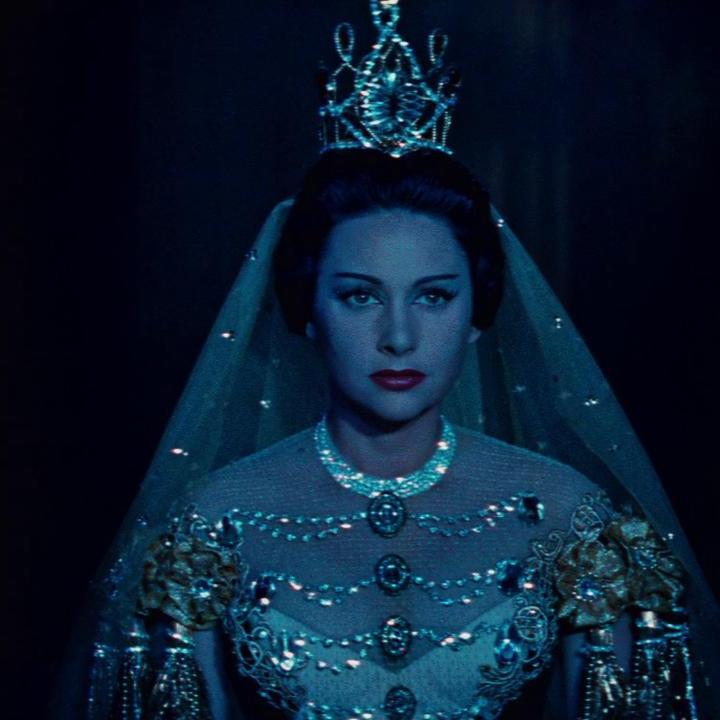
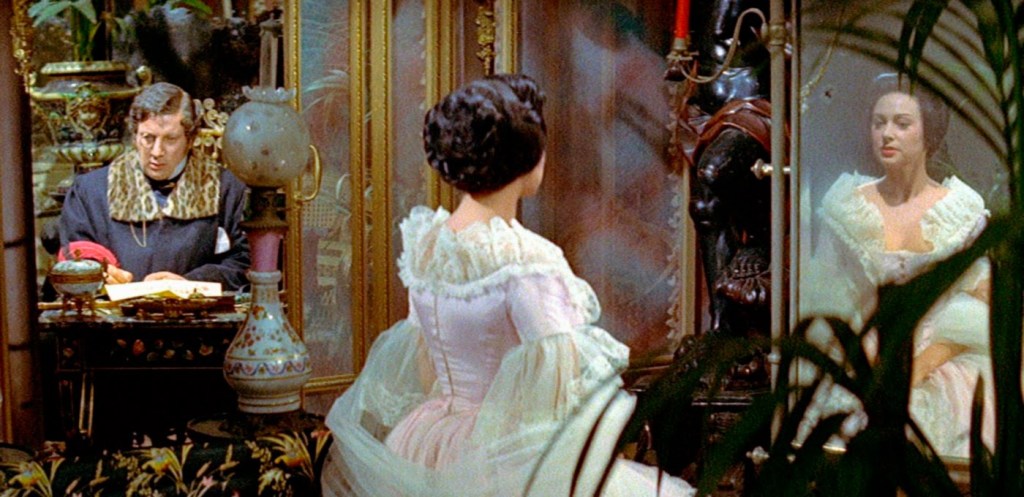
4. Lola Montes (1955)
Genre: Biographical, Period Drama
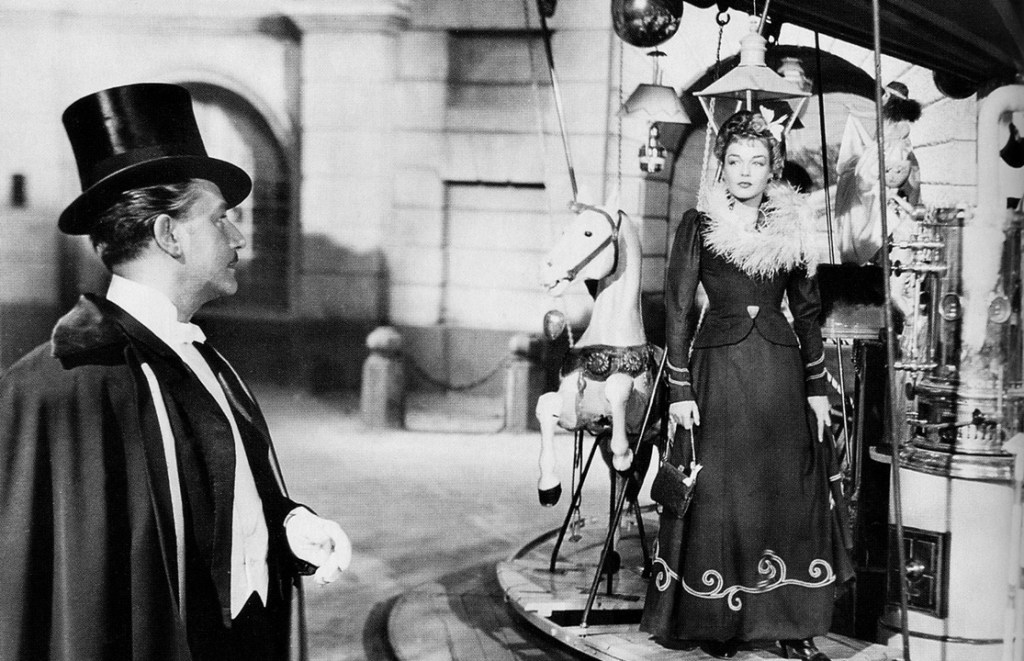
5. La Ronde (1950)
Genre: Anthology Film, Romance, Comedy
6. Liebelei (1933)
Genre: Romance, Melodrama
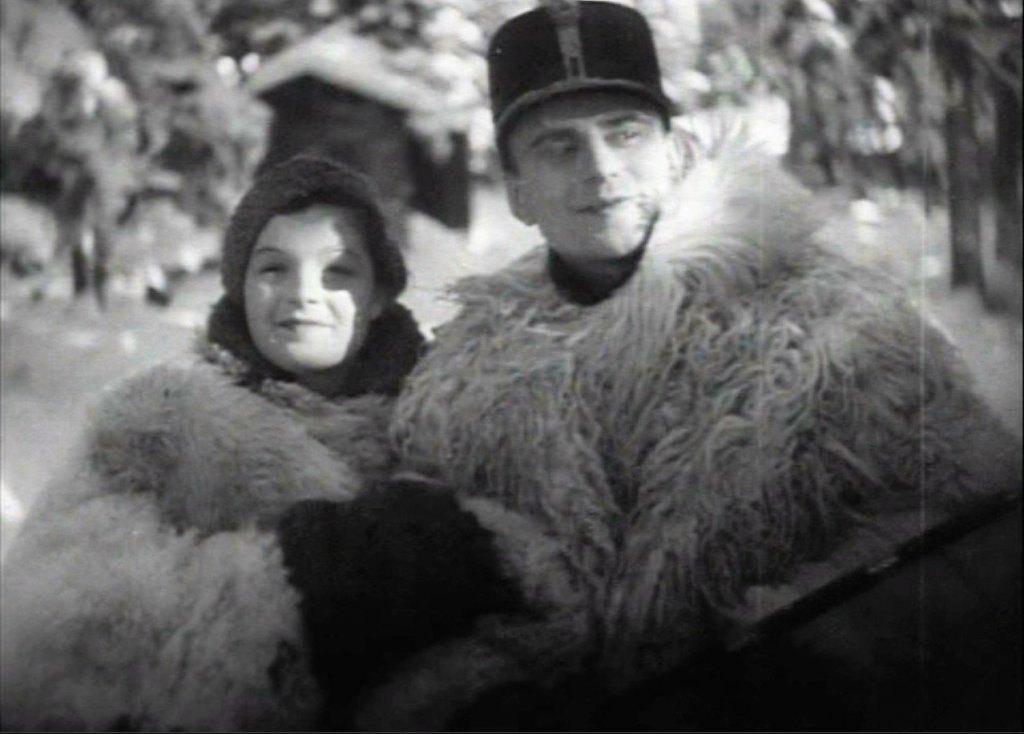
7. Everybody’s Woman (1934)
Genre: Melodrama

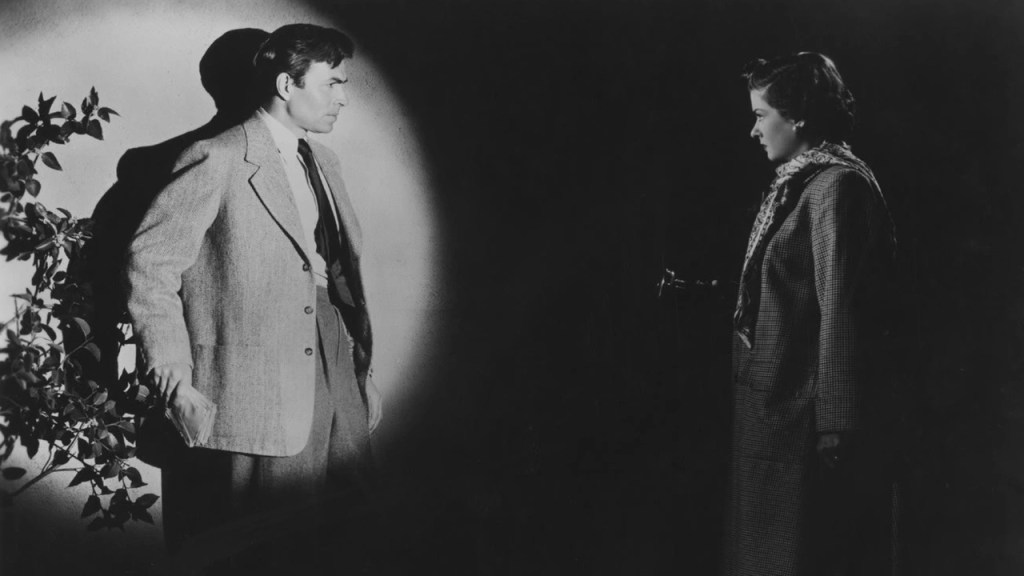
8. The Reckless Moment (1949)
Genre: Film Noir, Thriller, Melodrama
9. There’s No Tomorrow (1939)
Genre: Melodrama
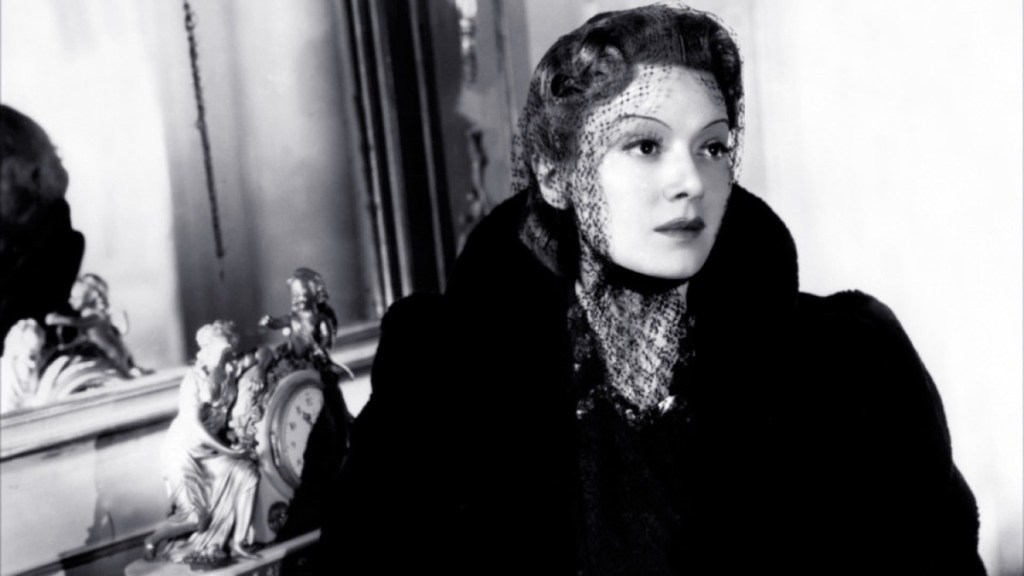
10. Caught (1949)
Genre: Melodrama, Romance, Thriller, Drama

Max Ophuls: Themes and Style
Themes:
- Romantic Tragedy: Ophuls often explored themes of love and loss, delving into the depths of romantic tragedy and the inevitability of heartbreak, as poignantly depicted in Letter from an Unknown Woman.
- Fate and Destiny: His films frequently pondered the role of fate in his characters’ lives, examining how destiny shapes their paths, a concept beautifully rendered in La Ronde.
- Socioeconomic Disparities: Ophuls critically observed class and societal differences, reflecting on how these affect personal relationships, a theme central to The Earrings of Madame de…
- Transience of Life and Love: The fleeting nature of life and the ephemeral quality of love are recurring themes in his work, emphasising the transient joy and inevitable sorrow of human existence.
Styles:
- Elegant Long Takes: Ophuls was known for his sophisticated tracking shots and extended takes, which lend a fluid and immersive quality to his storytelling, as seen in the mesmerising ball scenes of Le Plaisir.
- Baroque Visuals: His films exhibit a lush, baroque aesthetic with elaborate sets and costumes, creating a visually rich tapestry that underscores the emotional narrative.
- Complex Narratives: Ophuls employed complex narrative structures, often using flashbacks or fragmented storytelling to build a more nuanced portrayal of his characters’ lives.
- Melodramatic Flair: There’s a distinctive theatrical flair in his work, embracing and elevating the emotional states of the characters, which helps to create a deeply engaging cinematic experience.
Directorial Signature:
- Revolving Camera Movements: Ophuls’s signature camera work often features elegant and elaborate camera movements, circling characters and scenes, which became a visual metaphor for the circularity of fate and the human condition.
- Mirrors and Reflections: The use of mirrors is a directorial hallmark, allowing for complex shots and providing a means of exploring the duality of his characters and their situations.
- Theatricality and Performance: He often highlighted the performative aspects of society and individual identity, where his characters are seen ‘performing’ their societal roles. This concept is especially prominent in Lola Montès.
- Interconnected Characters: Ophuls frequently intertwined the lives of his characters across different strata of society, showcasing a web of relationships that speak to the interconnectedness of people, as exemplified in La Ronde.
Max Ophuls: The 57th Greatest Director
 Bronze Screen Dream