
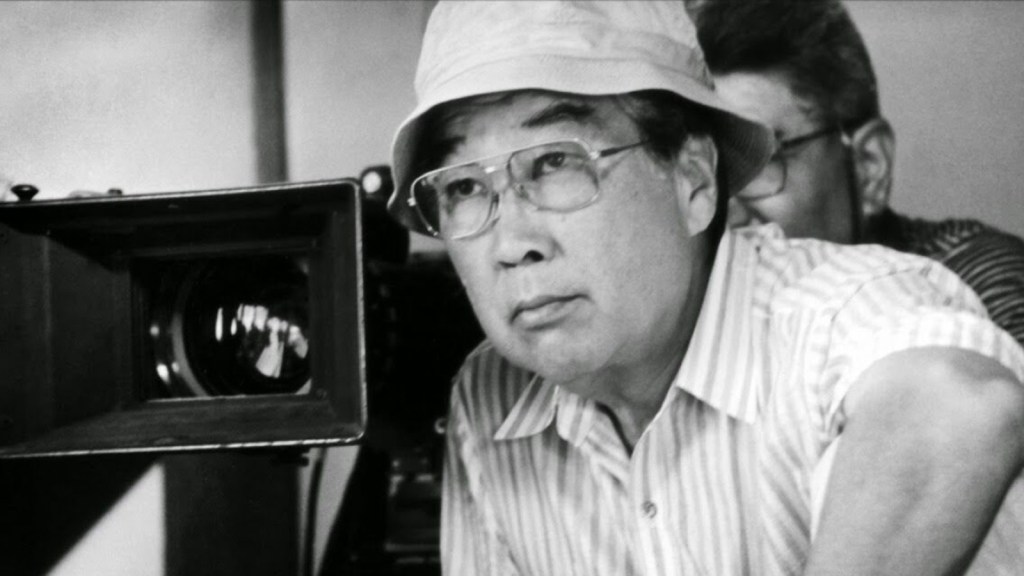
Masaki Kobayashi was a Japanese film director renowned for his compelling critiques of authority and powerful depiction of the human spirit. His works, which spanned a range of genres, left an indelible mark on world cinema, with his most lauded films, such as Harakiri and Kwaidan, becoming masterpieces of Japanese film. Kobayashi’s craft went beyond storytelling, using film as a vehicle to expose societal injustices and question traditional norms.
Kobayashi’s cinematic journey was marked by his personal experiences and socio-political views. A World War II veteran, he was deeply affected by the horrors of war and the authoritarianism of the Japanese military, which heavily influenced his thematic approach to filmmaking. A sense of resistance against oppressive systems is palpable in his narratives. His 1959 film The Human Condition, a nine-hour epic, is a profound example, reflecting on the brutalities of war and the resilience of humanity. The film’s protagonist’s struggle against an uncaring system serves as a mirror to Kobayashi’s own wartime experiences.
In terms of visual style, Kobayashi was known for his meticulous approach to mise-en-scène and his keen eye for composition. This is vividly demonstrated in his horror anthology, Kwaidan, where he employed highly stylised sets and atmospheric lighting to create a surreal, dreamlike quality. Kobayashi also demonstrated a propensity for long, uninterrupted takes, allowing scenes to breathe and enhancing their emotional impact, as exemplified in Harakiri. The film’s intense, drawn-out sequences of ritualistic suicide are a testament to Kobayashi’s unwavering commitment to confront viewers with stark realities.
“One of the finest depicters of Japanese society in the 1950s and 1960s”
Kobayashi’s unique blending of traditional Japanese aesthetics with innovative narrative techniques, often laced with social commentary, set him apart from his contemporaries. His films were neither purely entertainment nor purely didactic but a balance of both, providing engaging narratives while subtly invoking thought and introspection. His 1962 film Seppuku (Harakiri) was particularly notable for its unique storytelling structure, oscillating between present and past, allowing Kobayashi to explore his themes of honour, duty, and hypocrisy nuanced and profoundly.
Kobayashi’s influence has been profound and far-reaching. Acclaimed directors such as American filmmaker Martin Scorsese and South Korean director Bong Joon-ho have cited Kobayashi as an inspiration. Scorsese, in particular, mentioned the profound impact of Harakiri, stating that it taught him about the power of silence and space in film. Bong Joon-ho’s admiration for Kobayashi is evident in his social satires, which are reminiscent of Kobayashi’s critique of societal norms. Despite initial criticism in his home country, Kobayashi’s international acclaim led to a reappraisal of his works in Japan, solidifying his status as a pillar of Japanese cinema. His films continue to be celebrated worldwide, a testament to his lasting impact on global cinema.
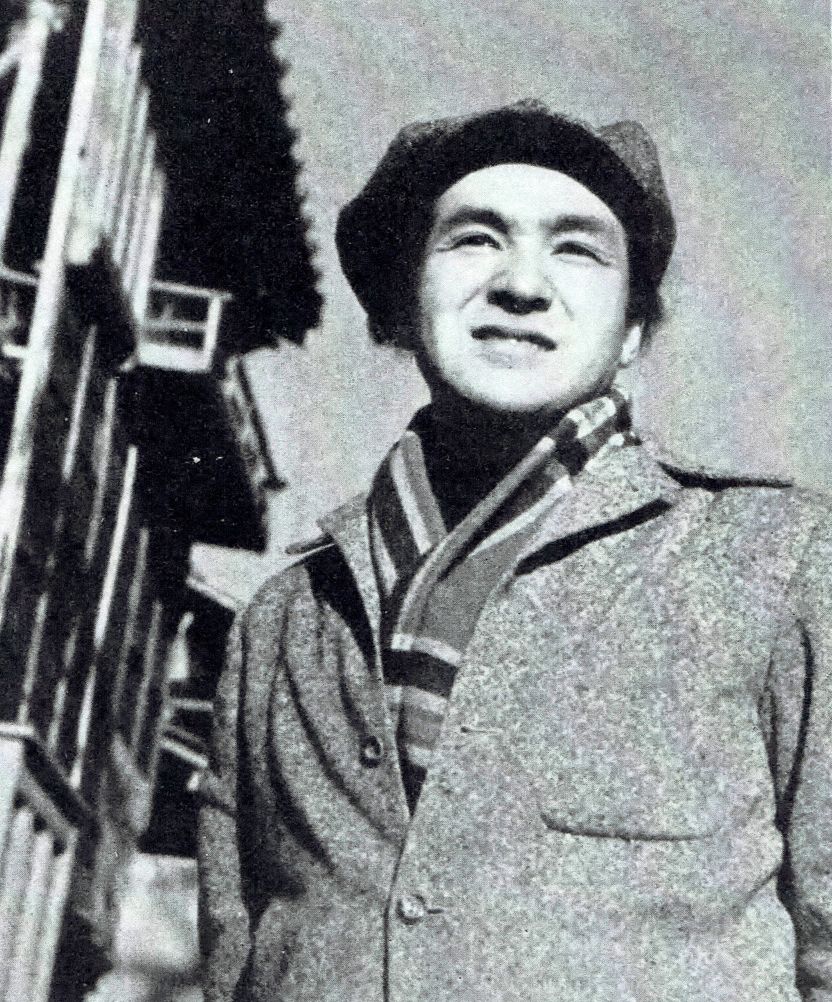
Masaki Kobayashi (1916 – 1996)
Calculated Films:
- The Human Condition I: No Greater Love (1959)
- The Human Condition II: Road to Eternity (1959)
- The Human Condition III: A Soldier’s Prayer (1961) (1961)
- Harakari (1962)
- Kwaidan (1964)
- Samurai Rebellion (1967)
Similar Filmmakers
- Nagisa Oshima
- Satsuo Yamamoto
- Shohei Imamura
- Susumu Hani
- Tadashi Imai
- Yoji Yamada



Masaki Kobayashi’s Top 10 Films Ranked
1. Harakari (1962)
Genre: Jidaigeki

2. The Human Condition III: A Soldier’s Prayer (1961)
Genre: War, Period Drama, Epic, Psychological Drama
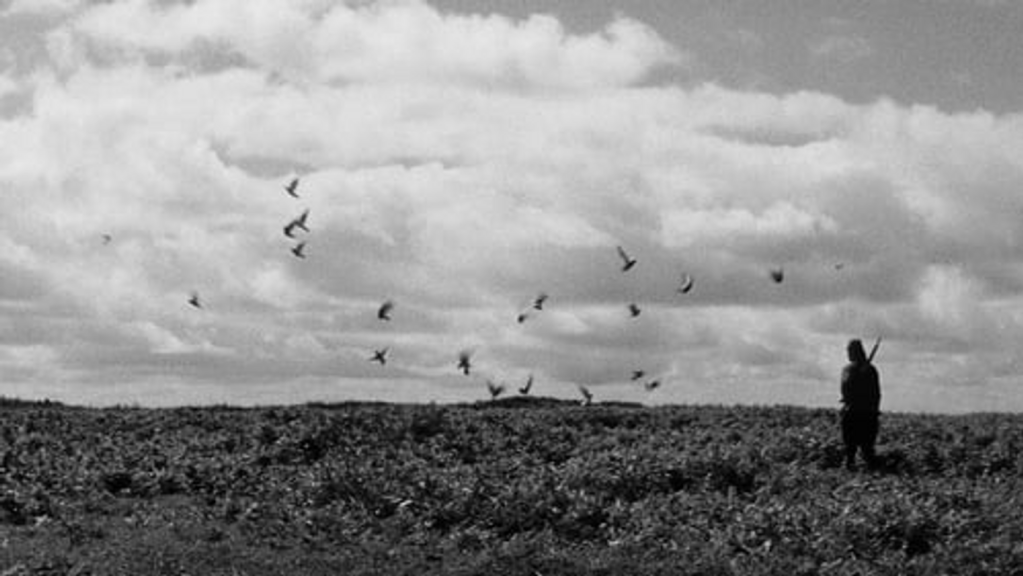
3. The Human Condition I: No Greater Love (1959)
Genre: War, Period Drama, Epic, Drama

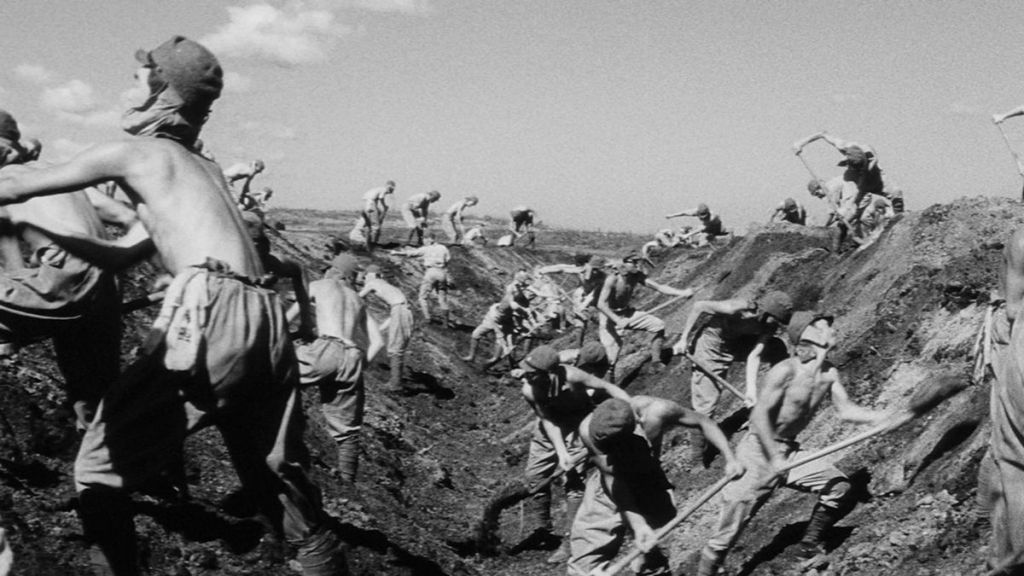
4. The Human Condition II: Road to Eternity (1959)
Genre: War, Period Drama, Epic, Drama
5. Samurai Rebellion (1967)
Genre: Jidaigeki

6. Kwaidan (1964)
Genre: Anthology Film, Kaidan
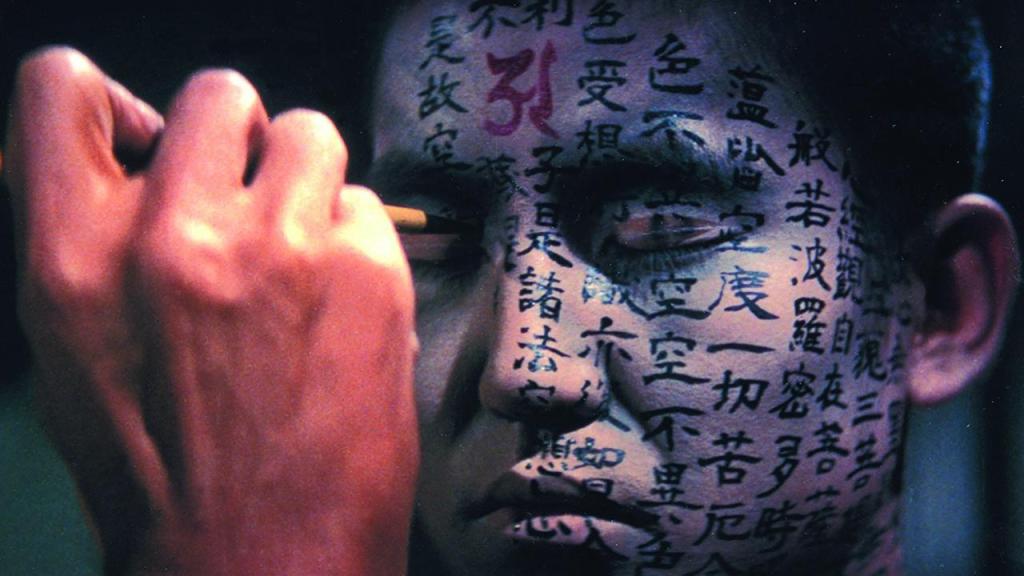
7. The Inheritance (1962)
Genre: Drama, Crime

8. Inn of Evil (1971)
Genre: Chambara, Jidaigeki

9. Black River (1957)
Genre: Drama
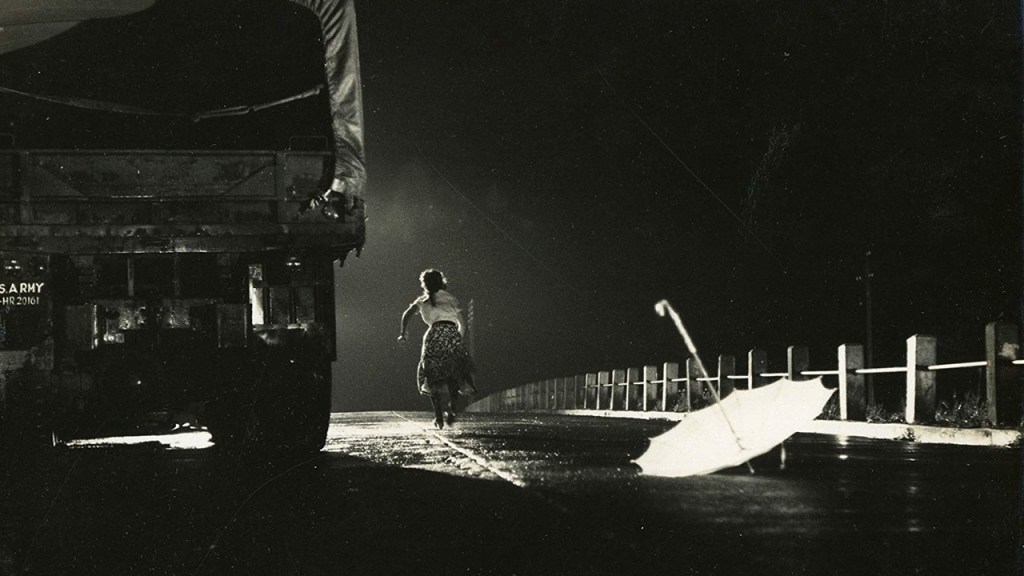
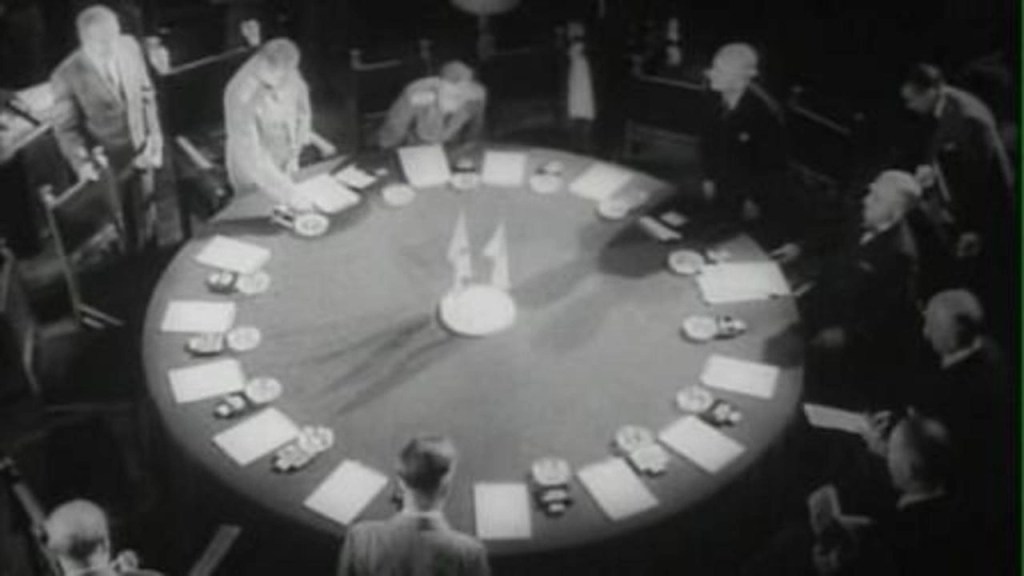
10. Tokyo Trial (1983)
Genre: War Documentary
Masaki Kobayashi: Themes and Style
Themes:
- Humanism and Morality: Masaki Kobayashi often explored the depth of human emotions and moral dilemmas. In films like Seppuku (Harakiri), he delves into the personal conflicts and societal pressures that lead individuals to make extreme choices, questioning the true meaning of honour and integrity.
- War and Pacifism: A recurrent theme in Kobayashi’s work is his anti-war stance, reflecting his own experiences in World War II. The Human Condition trilogy serves as a poignant critique of militarism and the suffering it brings to individuals, highlighting the brutality of war and the resilience of the human spirit.
- Individual vs. Authority: Kobayashi often pitted the lone individual against oppressive systems. In The Human Condition, the protagonist’s struggle against the oppressive forces of the state and military hierarchy epitomises this conflict, underscoring a narrative of resistance and the cost of maintaining one’s humanity in the face of authoritarianism.
- Supernatural and Folklore: In Kwaidan, Kobayashi delves into traditional Japanese folklore and the supernatural, using ghost stories to explore themes of love, loss, and the consequences of human actions while also reflecting on the cultural and spiritual heritage of Japan.
Styles:
- Visual Composition: Kobayashi was known for his meticulous and powerful visual compositions. His use of widescreen formats in films like Kwaidan creates an immersive experience where the setting often feels like another character, influencing the narrative and the mood of the scenes.
- Long Takes and Pacing: He often employed long takes, as seen in Seppuku, to build tension and focus on the psychological state of the characters. His deliberate pacing allows the audience to contemplate the moral complexities of the story, creating a reflective viewing experience.
- Juxtaposition of Sound and Silence: Kobayashi’s use of sound design is innovative, especially in the way he juxtaposes silence with a haunting score, as in Kwaidan. The silence can be as powerful as the music, amplifying the emotional impact and the thematic undertones of the scene.
- Nonlinear Storytelling: In Kwaidan, Kobayashi presents a nonlinear narrative, weaving together multiple stories that explore various themes. This approach allows him to create a tapestry of human experiences and emotions, showcasing his versatility in storytelling.
Directorial Signature:
- Ethical Confrontations: A hallmark of Kobayashi’s direction is the intense ethical confrontations his characters face, often visualised through close-ups and stark, confrontational framing, as in Seppuku. These moments force the audience to engage with the moral questions being presented.
- Symbolic Use of Sets and Locations: Kobayashi’s films, such as The Human Condition, often feature sets and locations that are chosen for their symbolic value, adding a layer of meaning to the narrative and reflecting the inner state of the characters.
- Historical and Social Context: His films are deeply embedded in the historical and social context of Japan, using the past to comment on contemporary issues. Through this, Kobayashi’s work often provides a critical perspective on the events that shaped Japanese society and the individual’s place within it.
- Stark Contrast in Visual Elements: Kobayashi’s use of stark contrasts in lighting and colour, especially evident in Kwaidan, enhances the emotional gravity and thematic depth of his stories. This visual technique serves not only to captivate the viewer but also to emphasise the dualities present in human nature and society.
Masaki Kobayashi: The 129th Greatest Director


 Bronze Screen Dream