
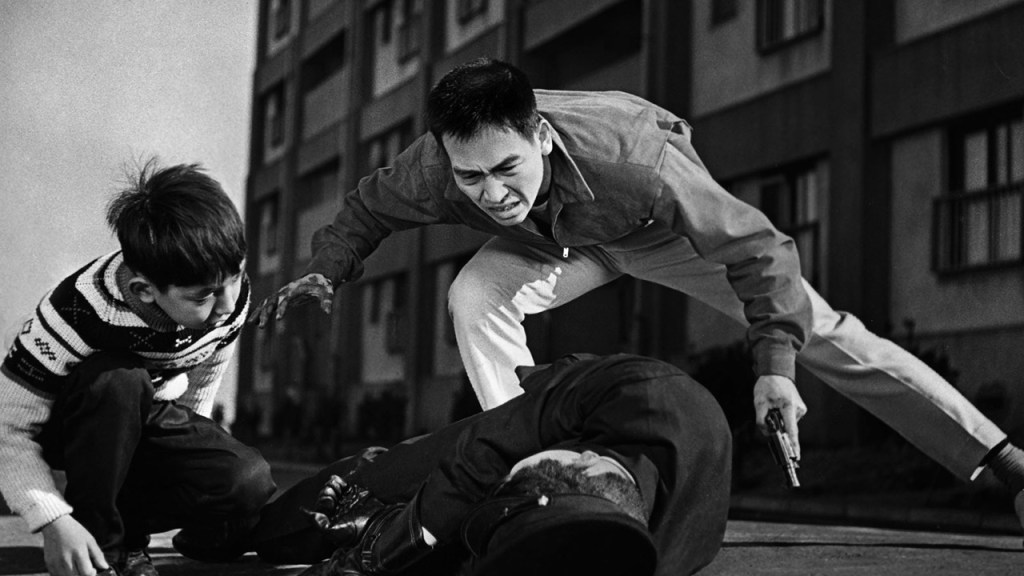
Masahiro Shinoda is a Japanese filmmaker best known for his compelling exploration of complex themes such as tradition versus modernity, individual identity, and existential angst. His filmmaking is characterised by a stylistic finesse and narrative depth that weave traditional Japanese elements with modernist aesthetics. Shinoda gained international acclaim with films like Pale Flower and Double Suicide, which are celebrated for their visual sophistication and profound thematic exploration. His work is distinguished by a unique blend of classical Japanese theatre, particularly Noh and Kabuki, with contemporary cinematic techniques, creating a distinctive style that resonates with audiences both in Japan and around the world.
Shinoda’s career in the film industry began in the late 1950s when he joined Shochiku, a major Japanese film studio, where he initially worked as an assistant director. He made his directorial debut with One-Way Ticket for Love in 1960, but it was the release of Pale Flower in 1964 that established him as a formidable talent in Japanese cinema. This film, with its noirish exploration of the yakuza underworld and existential despair, marked a significant moment in his career, showcasing his adeptness at blending style and substance. As Shinoda’s career progressed, he continued to challenge and redefine the boundaries of Japanese cinema, reaching a creative zenith with works like Silence in 1971, an adaptation of Shusaku Endo’s novel that delved into themes of faith and martyrdom.
Throughout the 1960s and 1970s, Shinoda’s work was emblematic of the Japanese New Wave, a movement that sought to break away from the conventions of studio-dominated filmmaking. His films from this period, such as Double Suicide and Under the Blossoming Cherry Trees, are noted for their daring narrative structures and visual experimentation. These works often reflected Shinoda’s fascination with the tension between Japan’s cultural heritage and the rapid modernisation of society, a theme that became a recurring motif in his oeuvre.
Another hallmark of Shinoda’s filmography is his innovative use of music and sound, which plays a significant role in establishing the atmosphere and emotional undercurrent of his films. For instance, in Double Suicide, the filmmaker uses traditional Japanese music to accentuate and counterpoint the tragic narrative unfolding on screen, thereby heightening the tension and emotional impact of the story. This integration of sound and imagery in his works creates a harmonious yet haunting cinematic experience that stays with viewers long after the film has ended.

Masahiro Shinoda (1931 – -)
Calculated Films:
- NA
Similar Filmmakers
- Masaki Kobayashi
- Mitsuo Kurotsuchi
- Mitsuo Yanagimachi
- Nagisa Oshima
- Seijun Suzuki
- Shohei Imamura
- Shuji Terayama
- Susumu Hani
- Toshio Matsumoto
- Yasuzo Masumura
- Yoji Yamada
- Yoshishige Yoshida

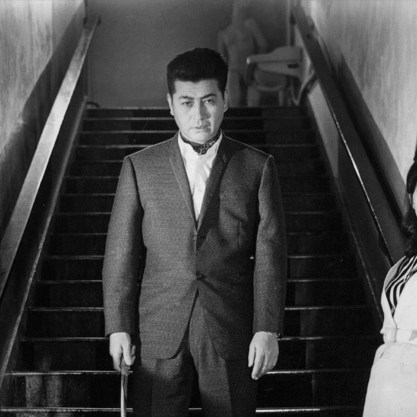

Masahiro Shinoda’s Top 5 Films Ranked
1. Pale Flower (1964)
Genre: Yakuza eiga, Neo-Noir

2. Double Suicide (1969)
Genre: Tragedy, Jidaigeki, Melodrama

3. Ballad of Orin (1977)
Genre: Drama, Period Drama

4. Under the Blossoming Cherry Trees (1975)
Genre: Kaidan, Jidaigeki
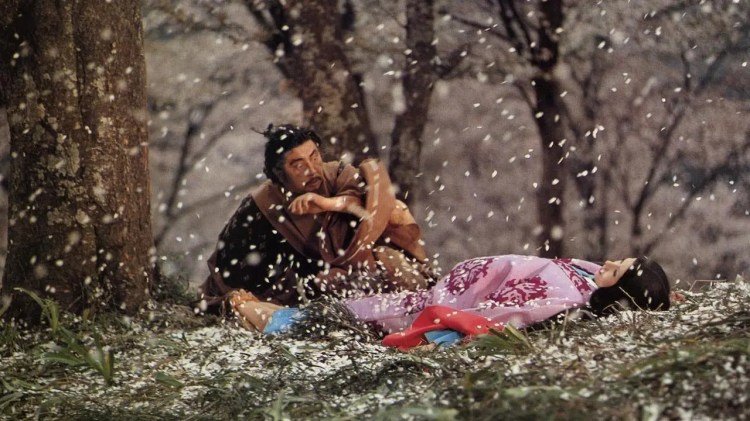
5. Himiko (1974)
Genre: Biographical, Surrealism

Masahiro Shinoda: Themes and Style
Themes:
- Interplay of Tradition and Modernity: Shinoda often contrasts traditional Japanese values and customs with the challenges of the modern age, depicting the tension between past and present.
- Alienation and Identity: Many of his films touch upon individual alienation and the quest for personal identity amidst societal pressures.
- Love and Eroticism: Love, often of the tragic or forbidden variety, and eroticism play significant roles in Shinoda’s narratives, highlighting the complexities of human relationships.
- Political and Social Commentary: Shinoda doesn’t shy away from making strong political statements, often critiquing post-war Japanese society, governance, and historical events.
Styles:
- Aesthetic Blending: Shinoda masterfully combines the aesthetics of traditional Japanese theatre (like Noh and Kabuki) with contemporary filmmaking techniques.
- Visual Symbolism: His films are rife with symbolic imagery, often having deeper meanings or referencing traditional Japanese art and culture.
- Expressive Mise-en-scène: Shinoda uses settings, costumes, and props to create deeply atmospheric and expressive scenes, reinforcing his thematic concerns.
- Experimental Soundscapes: He employs non-traditional soundtracks and ambient noise, enhancing the narrative’s mood and tension.
Directorial Signature:
- Narrative Complexity: Shinoda’s stories are not straightforward; they often weave intricate narratives that require viewers to actively engage and interpret.
- Character Depth: His characters are multi-faceted and often go through significant personal journeys, reflecting broader societal concerns.
- Cinematography: Shinoda often collaborates with notable cinematographers like Kazuo Miyagawa, resulting in visually striking films. His use of composition, lighting, and camera movement is meticulous and purposeful.
Masahiro Shinoda – Great Director


 Bronze Screen Dream